hacer
/ah-sehr/
to do

"Hacer" is your go-to verb for actions. It means both "to do" and "to make." Here, someone is haciendo (making) a birdhouse.
hacer(Verb)
to do
?performing an action, e.g., homework
,to make
?creating or preparing something, e.g., food, a bed
📝 In Action
¿Qué haces?
A1What are you doing?
Hago la cena todas las noches.
A1I make dinner every night.
Mi hermano hizo un pastel delicioso.
A2My brother made a delicious cake.
Tenemos que hacer la tarea.
A2We have to do the homework.
💡 Grammar Points
The Irregular 'yo' Form: 'hago'
In the present tense, the 'yo' (I) form of 'hacer' is irregular. Instead of 'haco,' it's 'hago.' This 'go' ending is a common pattern in other irregular verbs too, like 'pongo' (from poner) and 'salgo' (from salir).
A Tricky Past Tense
Watch out for the simple past tense (called the preterite). The 'c' changes to 'z' for 'él/ella/usted' to keep the sound right: 'hizo'. Also, the 'i' is used instead of the usual 'e': 'hice', 'hiciste', 'hizo'.
❌ Common Pitfalls
Confusing 'Do' vs. 'Make'
Mistake: "Trying to find separate Spanish verbs for the English 'do' and 'make'."
Correction: Relax! In Spanish, 'hacer' covers both. You use 'hacer' for doing homework ('hacer la tarea') and for making a cake ('hacer un pastel'). It's simpler than English in this case.
⭐ Usage Tips
Your Go-To Action Verb
When you're not sure which verb to use for an action, 'hacer' is often a good guess. It's like a multi-tool for actions, covering everything from chores to creating art.

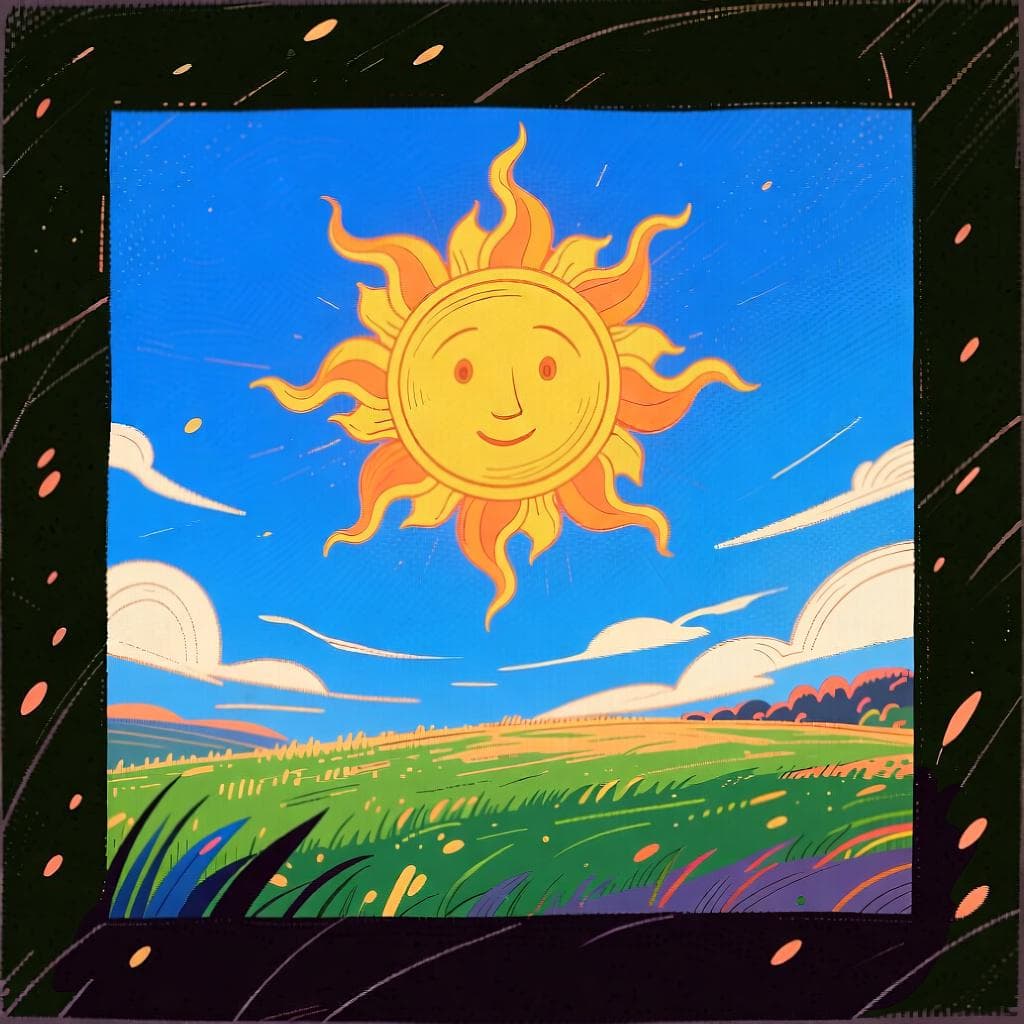
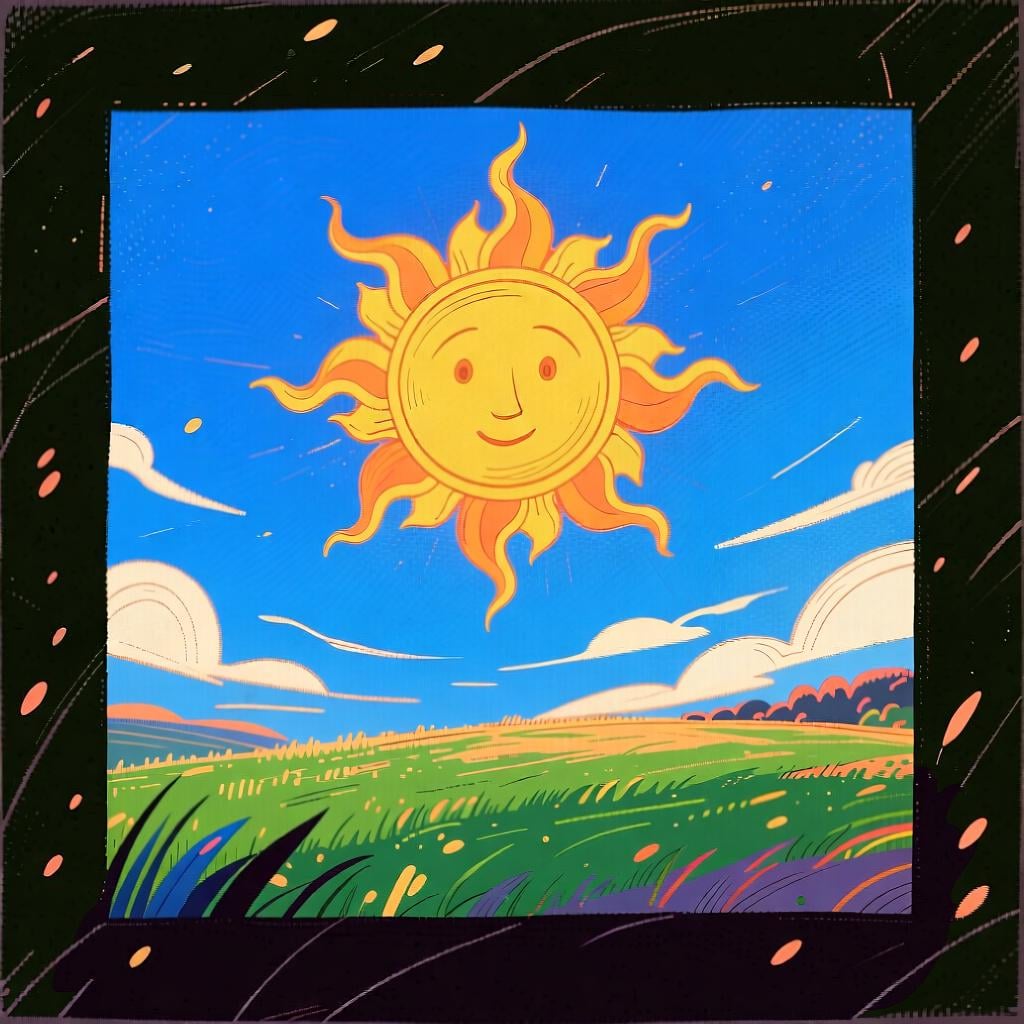
"Hacer" is how you talk about the weather. We say "hace sol" for "it's sunny" or "hace frío" for "it's cold."
📝 In Action
¿Qué tiempo hace hoy?
A1What's the weather like today?
Hace mucho calor en verano.
A1It's very hot in the summer.
Ayer hizo mucho viento.
A2It was very windy yesterday.
💡 Grammar Points
Always Use the 'It' Form
When talking about weather, you almost always use the 'él/ella/usted' form, like 'hace' (it is) or 'hizo' (it was). Think of the weather itself as the one 'doing' the action.
❌ Common Pitfalls
Using 'Ser' or 'Estar'
Mistake: "Es frío. / Está frío."
Correction: Hace frío. In English, we say 'It *is* cold.' It's tempting to use 'es' or 'está' in Spanish, but for these kinds of weather descriptions, you need to use 'hacer'.
⭐ Usage Tips
Your Weather Toolkit
Memorize the key phrases: 'hace sol' (it's sunny), 'hace frío' (it's cold), 'hace calor' (it's hot), and 'hace viento' (it's windy). They're conversational essentials!

"Hacer" can talk about how long ago something happened. The phrase "hace tres años" means "three years ago."
hacer(Verb)
ago
?describing past events, e.g., 'three years ago'
for
?describing duration up to the present, e.g., 'for three years'
📝 In Action
Llegué a España hace dos meses.
A2I arrived in Spain two months ago.
Comí hace una hora.
A2I ate an hour ago.
Hace dos años que vivo aquí.
B1I have been living here for two years.
💡 Grammar Points
Two Formulas for Time
To say 'ago', use: 'hace + time + que + verb in past' OR 'verb in past + hace + time'. To say 'for' (duration), use: 'hace + time + que + verb in present'.
❌ Common Pitfalls
Using the Wrong Verb Tense
Mistake: "Hace un año, vivo en Madrid."
Correction: Hace un año, viví en Madrid. (A year ago, I lived in Madrid). When 'hace' means 'ago', the action is finished, so use a past tense. If you mean you *still* live there, say 'Hace un año que vivo en Madrid'.
⭐ Usage Tips
Flexible Sentence Order
For the 'ago' meaning, you can put the 'hace...' part at the beginning or end of the sentence without changing the meaning. 'Comí hace una hora' is the same as 'Hace una hora que comí'.

"Hacer" can also mean to cause a feeling or action in someone else. A joke can hacerte reír (make you laugh).
hacer(Verb)
to make
?to cause a feeling or action, e.g., 'make me laugh'
to cause
?to be the reason for something
📝 In Action
Esa película me hizo llorar.
B1That movie made me cry.
El ruido me hace doler la cabeza.
B1The noise makes my head hurt.
Le hice leer el libro entero.
B2I made him/her read the whole book.
💡 Grammar Points
The 'hacer + infinitive' Pattern
To say you 'make' someone do something, use this simple recipe: 'hacer' (in the right form) + the second verb in its original '-ar, -er, -ir' form. For example, 'Me hace reír' (It makes me laugh).
❌ Common Pitfalls
Adding an Extra Word
Mistake: "Me hace a llorar. / Me hace que lloro."
Correction: Me hace llorar. Unlike in some other structures, you don't need any little connecting words like 'a' or 'que' between 'hacer' and the next verb. They stick right together.
⭐ Usage Tips
Who Receives the Action?
Pay attention to the little words like 'me', 'te', 'le'. They tell you who is being affected. 'Me hace feliz' (It makes ME happy). 'Te hace feliz' (It makes YOU happy).
🔄 Conjugations
indicative
present
imperfect
preterite
subjunctive
present
imperfect
✏️ Quick Practice
💡 Quick Quiz: hacer
Question 1 of 3
Which sentence correctly says 'It was cold yesterday'?
📚 More Resources
Frequently Asked Questions
Why is it 'hizo' with a 'z' but 'hice' with a 'c' in the past tense?
It's all about sound! In Spanish, the letter 'c' before an 'o' makes a hard 'k' sound (like in 'coco'). To keep the soft 's' sound of 'hacer', the spelling changes to a 'z' in 'hizo'. The 'c' in 'hice' and 'hiciste' already makes the right sound, so no change is needed.
Can I use 'hacer' for asking a question?
Yes, absolutely! While in English you might say 'to ask a question', in Spanish the standard phrase is 'hacer una pregunta' (literally 'to make a question'). It's a very common and natural expression.
What's the difference between 'hace' and 'desde hace'?
They are very similar! Both are used for duration. 'Hace dos años que vivo aquí' and 'Vivo aquí desde hace dos años' both mean 'I've been living here for two years'. The 'desde hace' structure often feels a bit more like 'since', emphasizing the starting point, but in practice, they are often interchangeable.