How to Say "to manufacture" in Spanish
The most common Spanish word for “to manufacture” is “fabricar” — use 'fabricar' when referring to the industrial production of goods, especially in a factory setting or for mass-produced items.
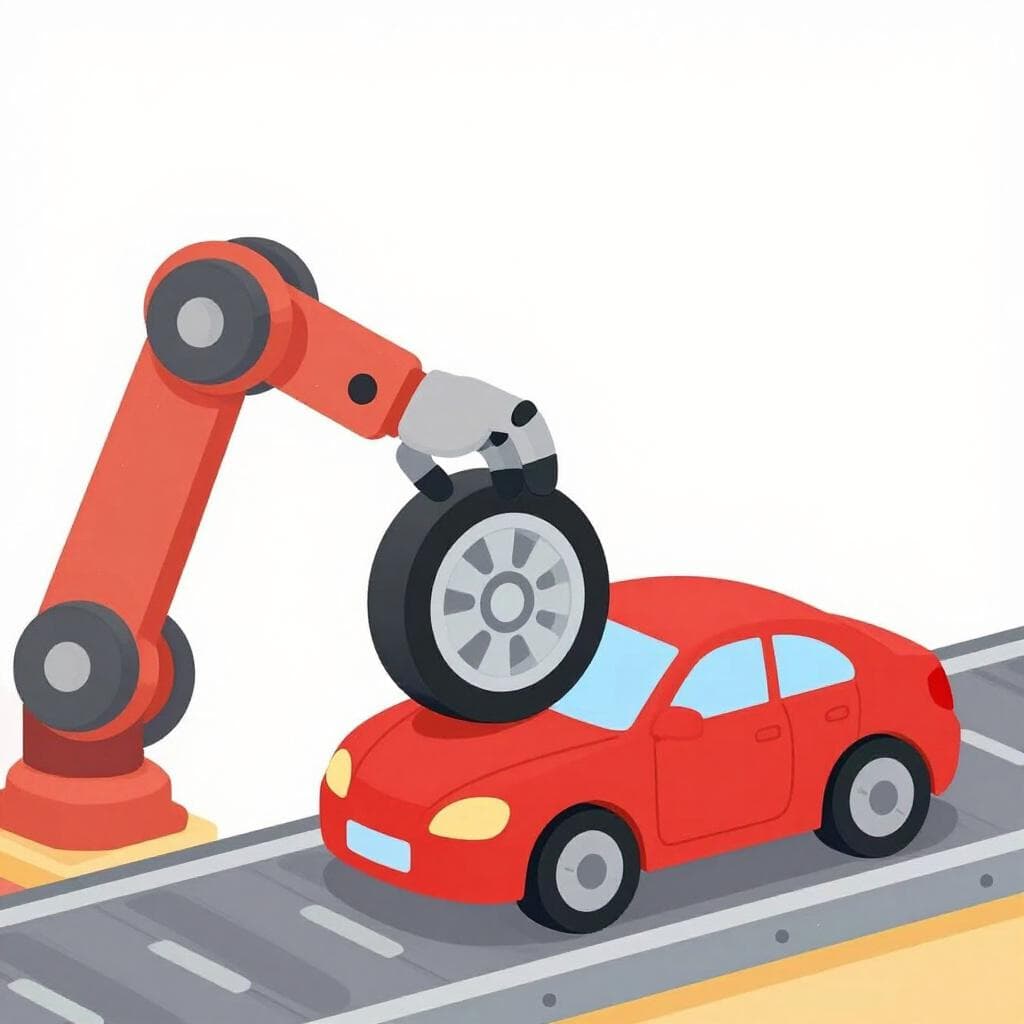
Use 'fabricar' when referring to the industrial production of goods, especially in a factory setting or for mass-produced items.
Learn more →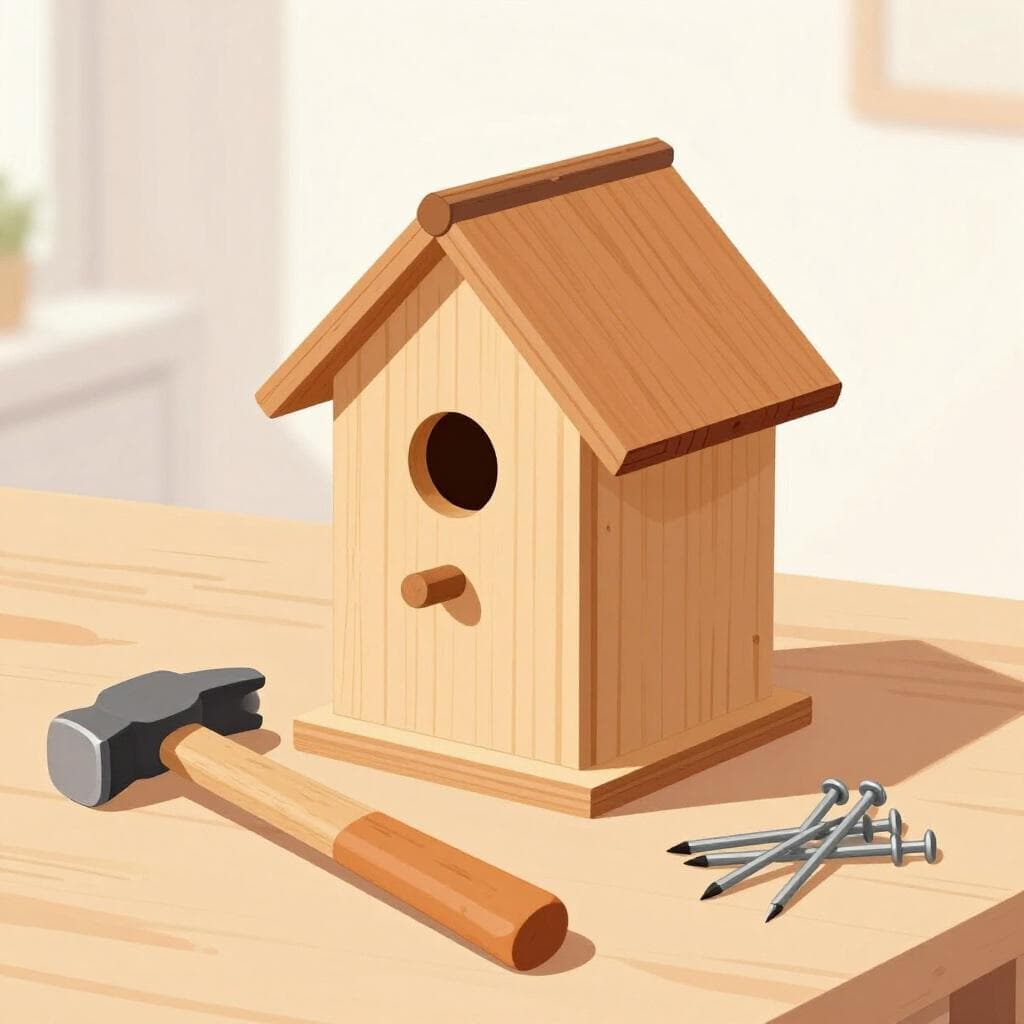
Choose 'elaborar' when the manufacturing process involves more detail, care, or a sense of craftsmanship, often applied to food, art, or complex plans.
Learn more →fah-bree-KAHRfaβɾiˈkaɾ
Examples
Esta empresa fabrica coches eléctricos.
This company manufactures electric cars.
Muchos de nuestros juguetes se fabrican en España.
Many of our toys are made in Spain.
Es difícil fabricar piezas tan pequeñas.
It is difficult to manufacture such small parts.
The 'C' to 'QU' Spelling Change
To keep the 'K' sound when you add an 'e', the letter 'c' changes to 'qu'. This happens in the 'yo' form of the past tense (fabriqué) and all forms of the special 'wish' mood (fabrique).
Fabricar vs. Hacer
Use 'hacer' for general 'making' (like making dinner). Use 'fabricar' specifically for industrial production, machines, or complex assembly.
Cooking is not manufacturing
Mistake: “Fabriqué una ensalada para el almuerzo.”
Correction: Hice una ensalada para el almuerzo. (Don't use fabricar for simple tasks like cooking; it sounds like you built the salad in a factory!)
eh-lah-bo-RARelaβoˈɾaɾ

Examples
Ellos elaboran pan artesanal todas las mañanas.
They make artisanal bread every morning.
Esta empresa elabora productos de limpieza ecológicos.
This company produces eco-friendly cleaning products.
El vino se elabora con uvas de la región.
The wine is produced with grapes from the region.
A Verb for Processes
Unlike 'hacer' (to do/make), 'elaborar' suggests that there is a sequence of steps or a transformation involved.
Don't use it for simple tasks
Mistake: “Voy a elaborar la cama.”
Correction: Voy a hacer la cama.
Fabricar vs. Elaborar
Learners often use 'elaborar' for all types of production. Remember that 'fabricar' is the go-to word for straightforward, industrial manufacturing like cars or electronics, while 'elaborar' suggests a more involved or artisanal creation.
Related Translations
Learn Spanish with Inklingo
Interactive stories, personalized learning, and more.