How to Say "to educate" in Spanish
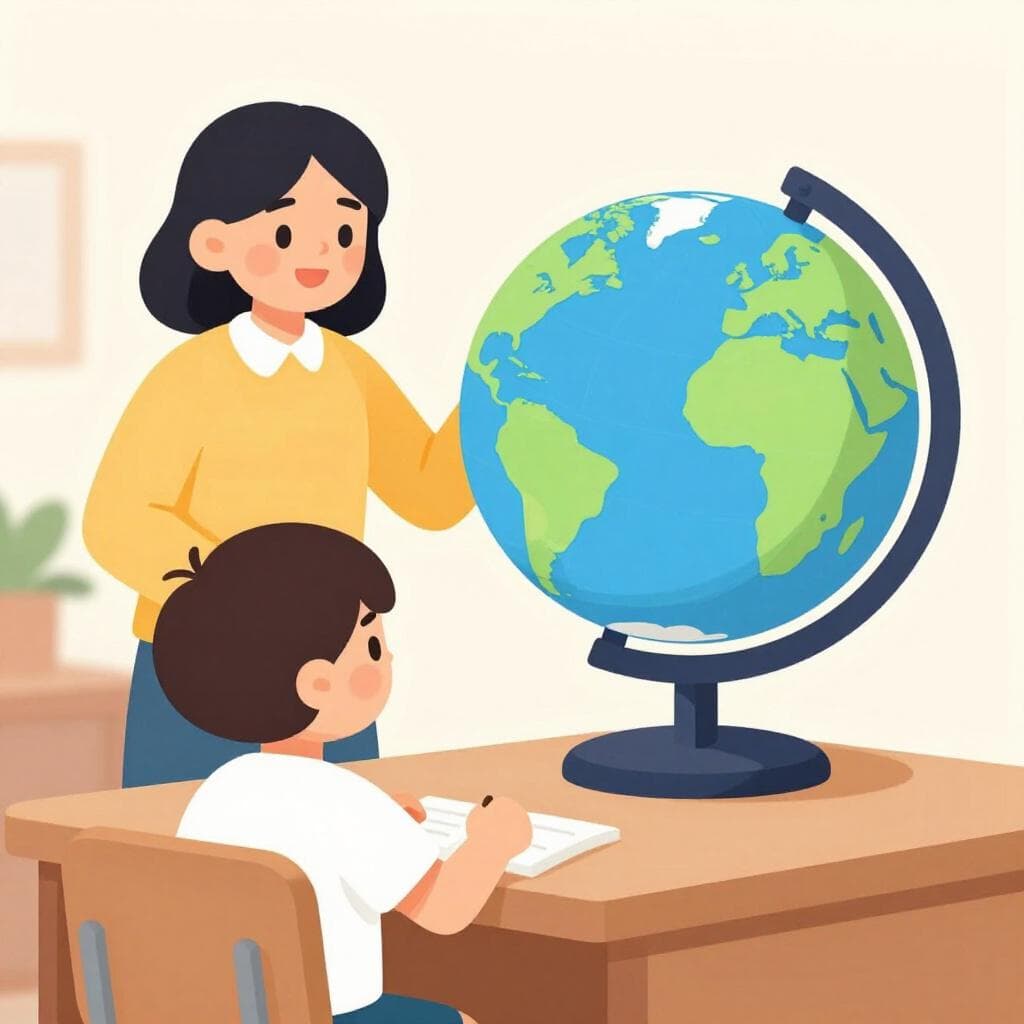
The most common Spanish word for “to educate” is “enseñar” — use 'enseñar' when the focus is on imparting specific knowledge or skills, like teaching a subject or a practical ability.
enseñar
Examples
Mi padre me enseñó a andar en bicicleta.
My father taught me how to ride a bike.
educar
eh-doo-KAHReduˈkaɾ
Examples
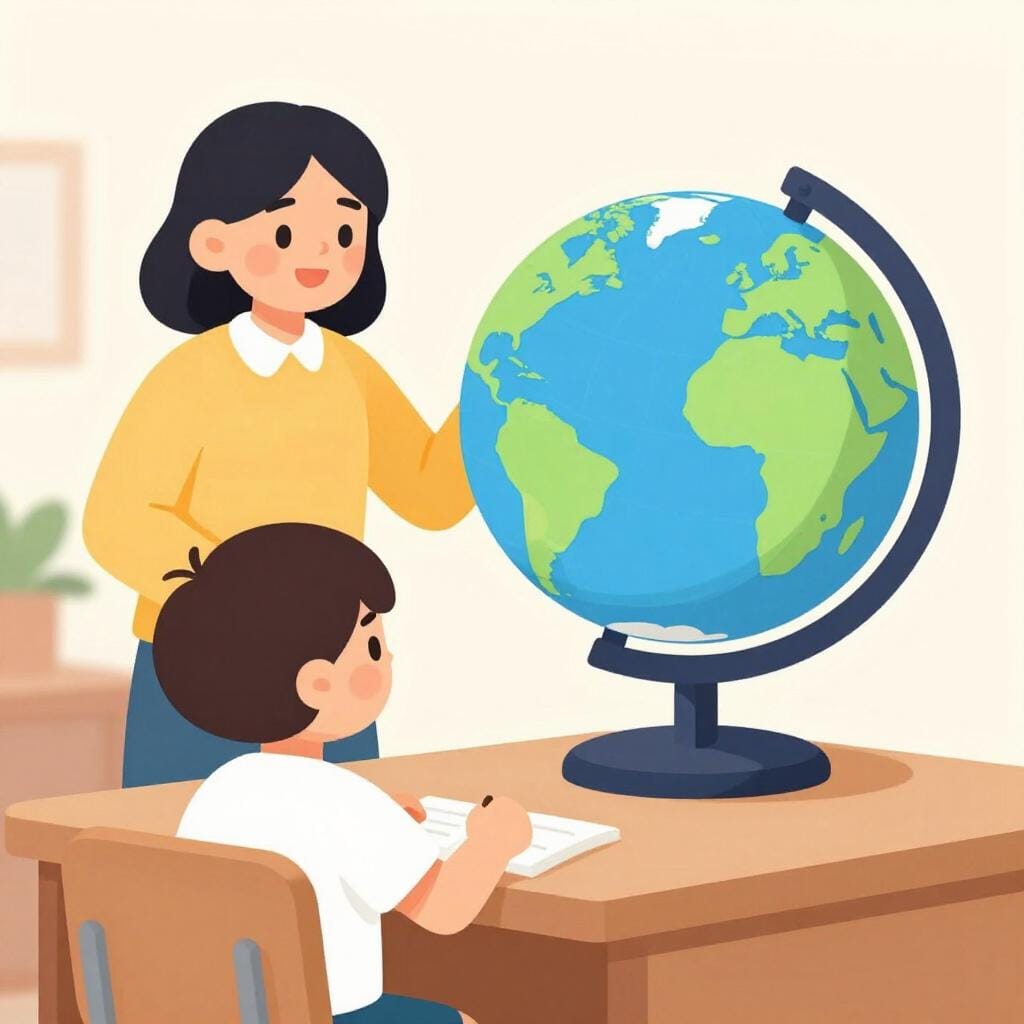
Es importante educar a los niños en ciencias.
It is important to educate children in science.
Ella quiere educar a sus estudiantes para ser críticos.
She wants to educate her students to be critical thinkers.
He tenido que educar mi oído para entender este acento.
I've had to train my ear to understand this accent.
Spelling Change Rule
The 'c' changes to 'qu' when followed by an 'e' to keep the hard 'K' sound. This happens in the 'Yo' form of the past (eduqué) and all 'special forms' used for wishes or commands (eduque).
The Personal 'A'
Since you are usually educating a person, you must use 'a' before the person you are educating: 'Educar a mi hijo'.
Wrong spelling in the past
Mistake: “Yo educé a mis hijos.”
Correction: Yo eduqué a mis hijos. (We use 'qu' to keep the sound correct).
formar
for-MARfoɾˈmaɾ
Examples
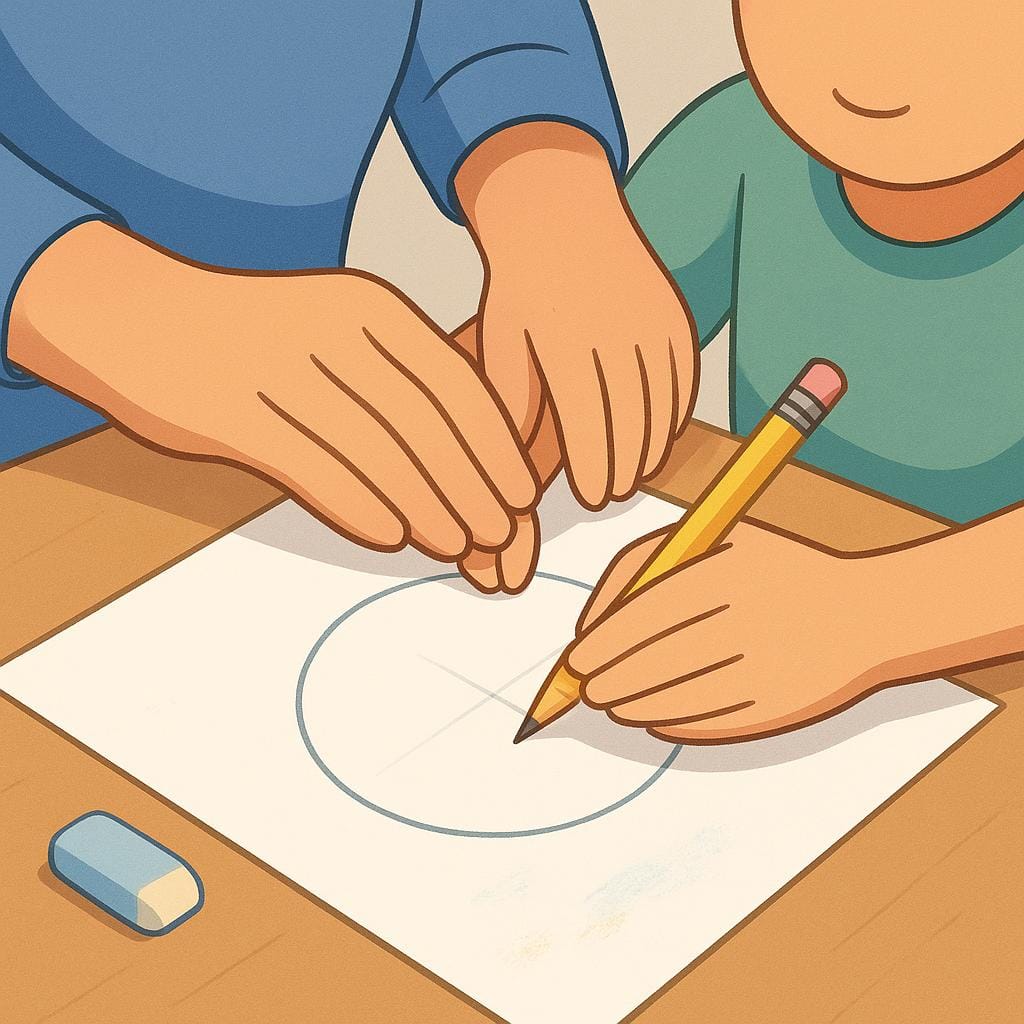
Su mentor lo formó como artista durante diez años.
His mentor trained him as an artist for ten years.
La escuela se dedica a formar líderes del futuro.
The school is dedicated to educating future leaders.
Los valores familiares nos forman desde pequeños.
Family values shape us from a young age.
Transitive Use
In this meaning, 'formar' requires a direct object: someone or something that is being trained or shaped (e.g., 'formar ingenieros' — training engineers).
Confusing 'Formar' and 'Aprender'
Mistake: “Using 'Formar' when you mean 'Aprender' (to learn).”
Correction: 'Yo aprendí a programar' (I learned to program). 'La escuela me formó' (The school trained me).
Choosing between 'enseñar' and 'educar'
Related Translations
Learn Spanish with Inklingo
Interactive stories, personalized learning, and more.