How to Say "to raise" in Spanish
The most common Spanish word for “to raise” is “aumentar” — use 'aumentar' when referring to increasing quantities, levels, or intensity, such as salary, price, volume, or speed.



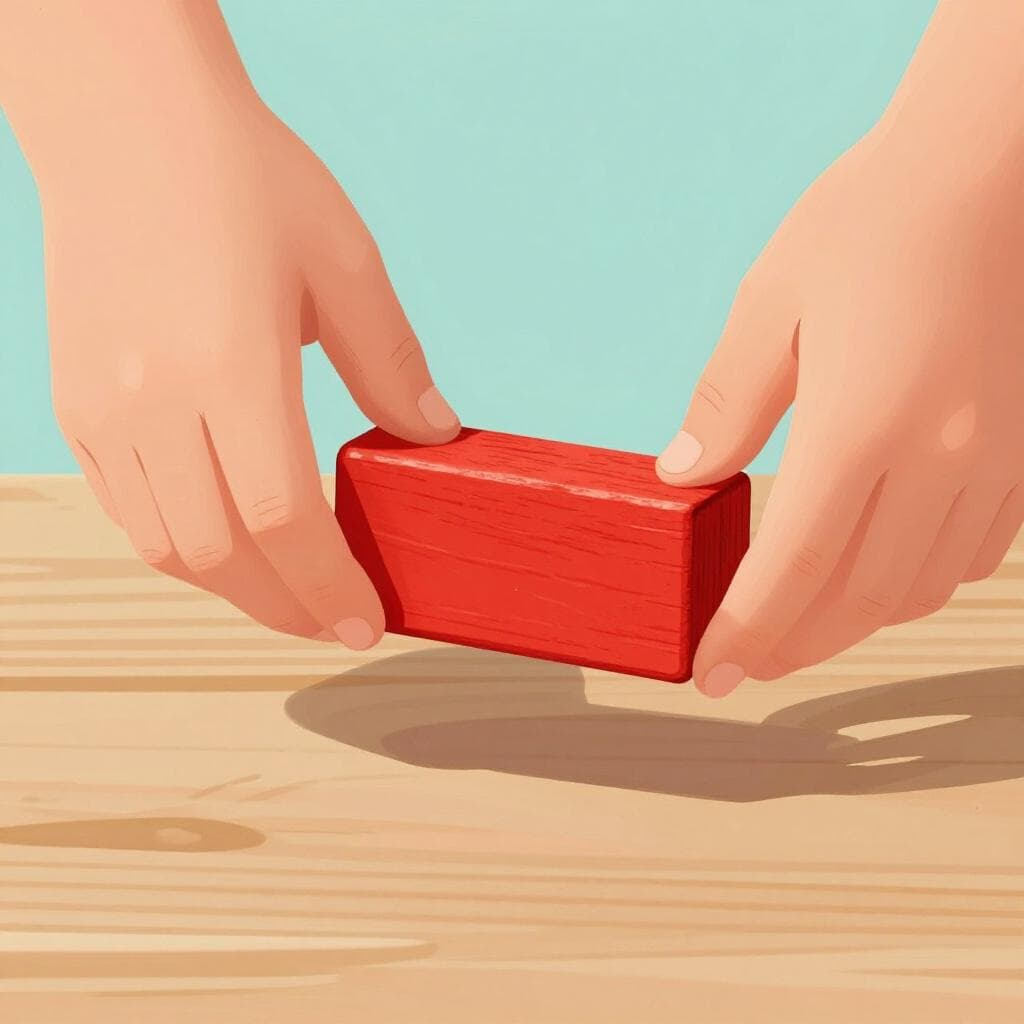
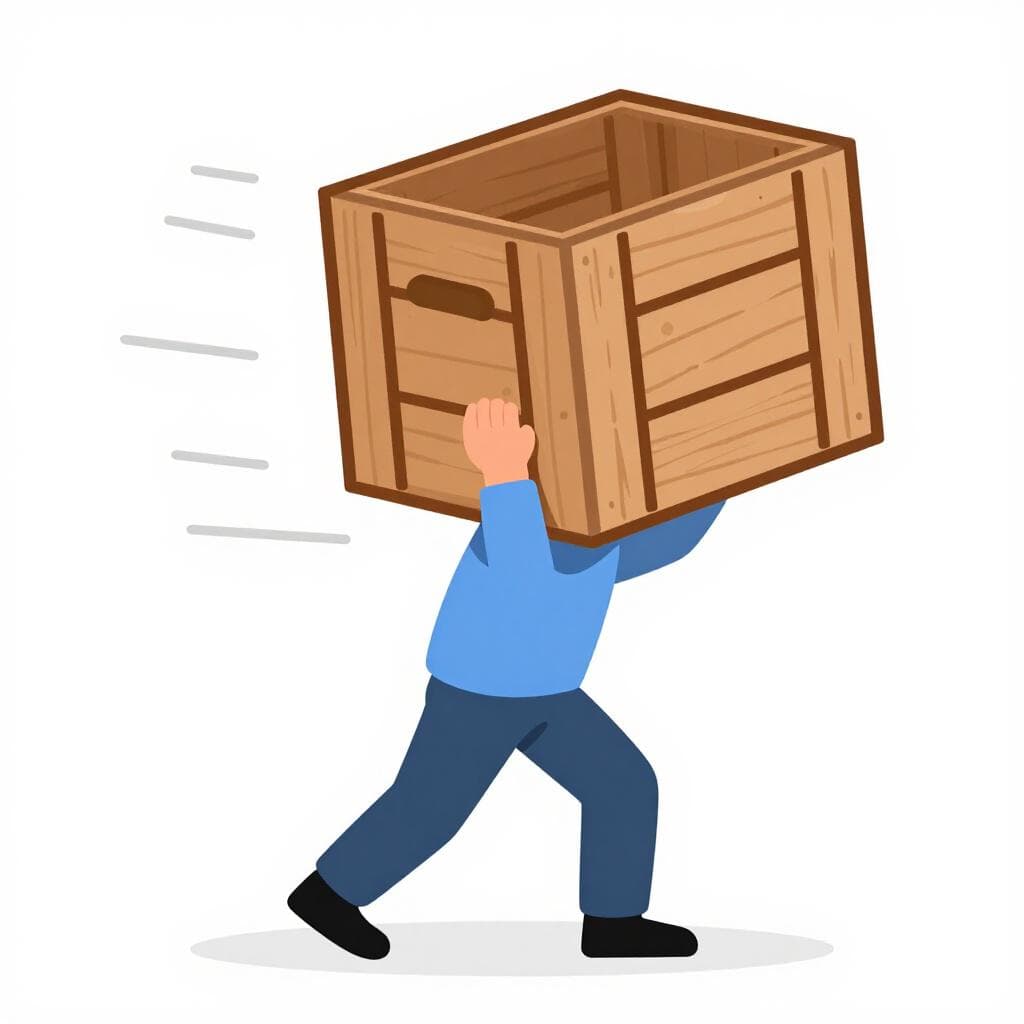
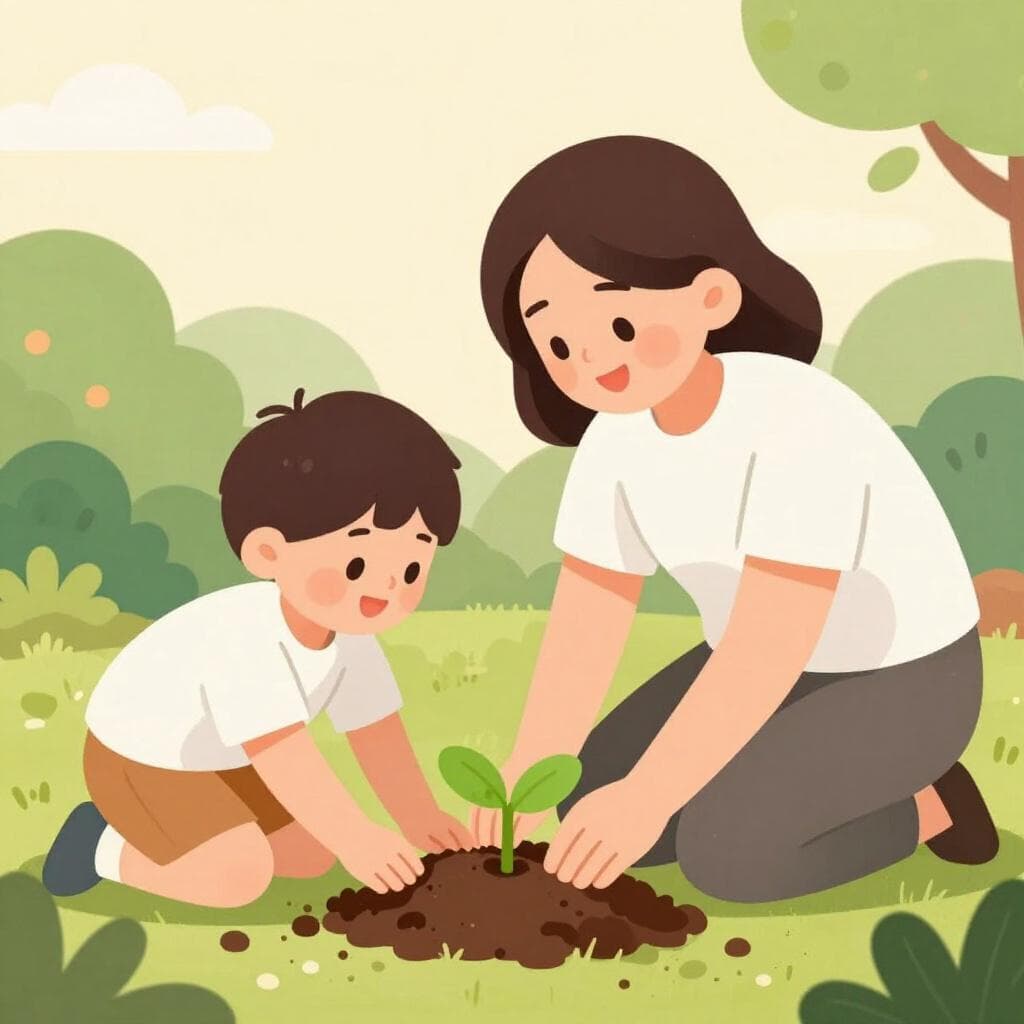



aumentar
ow-men-TARaw.menˈtaɾ

Examples
Necesitamos aumentar la velocidad para llegar a tiempo.
We need to increase the speed to arrive on time.
El jefe prometió aumentar mi salario el próximo año.
The boss promised to raise my salary next year.
Por favor, aumenta el volumen de la música.
Please, turn up the volume of the music.
Using 'Aumentar' Transitively
In this sense, 'aumentar' is transitive, meaning it must act upon a direct object (the thing being increased): 'Aumento [el volumen].'
Confusing Transitive and Intransitive
Mistake: “La temperatura se aumentó el sol. (The sun increased the temperature.)”
Correction: El sol aumentó la temperatura. (The sun increased the temperature.) – Only use 'se' if the temperature increases itself.
subir
soo-BEERsuˈβiɾ

Examples
El gobierno decidió subir los impuestos este año.
The government decided to raise the taxes this year.
¿Podrías subir el volumen? No oigo nada.
Could you turn up the volume? I can't hear anything.
La temperatura va a subir mañana, hará mucho calor.
The temperature is going to go up tomorrow; it will be very hot.
criar
kree-ARkɾiˈaɾ

Examples
Ellos criaron a tres hijos en el campo.
They raised three children in the countryside.
¿Quién te crió? ¿Tu abuela?
Who brought you up? Your grandmother?
The Stress on the 'i'
Notice the accent mark over the 'i' in the present tense (crío, crías, cría, crían). This is because the stress falls on the 'i', separating it from the 'a'. This is why it acts like a regular verb but looks a little irregular!
Confusing 'Criar' and 'Crear'
Mistake: “Using 'crear' when you mean 'to raise' ('Yo creo mis hijos').”
Correction: Use 'criar' (Yo crío mis hijos). 'Crear' means 'to create' (like art or a new idea).
alzar
ahl-ZAHRalˈθaɾ
Examples
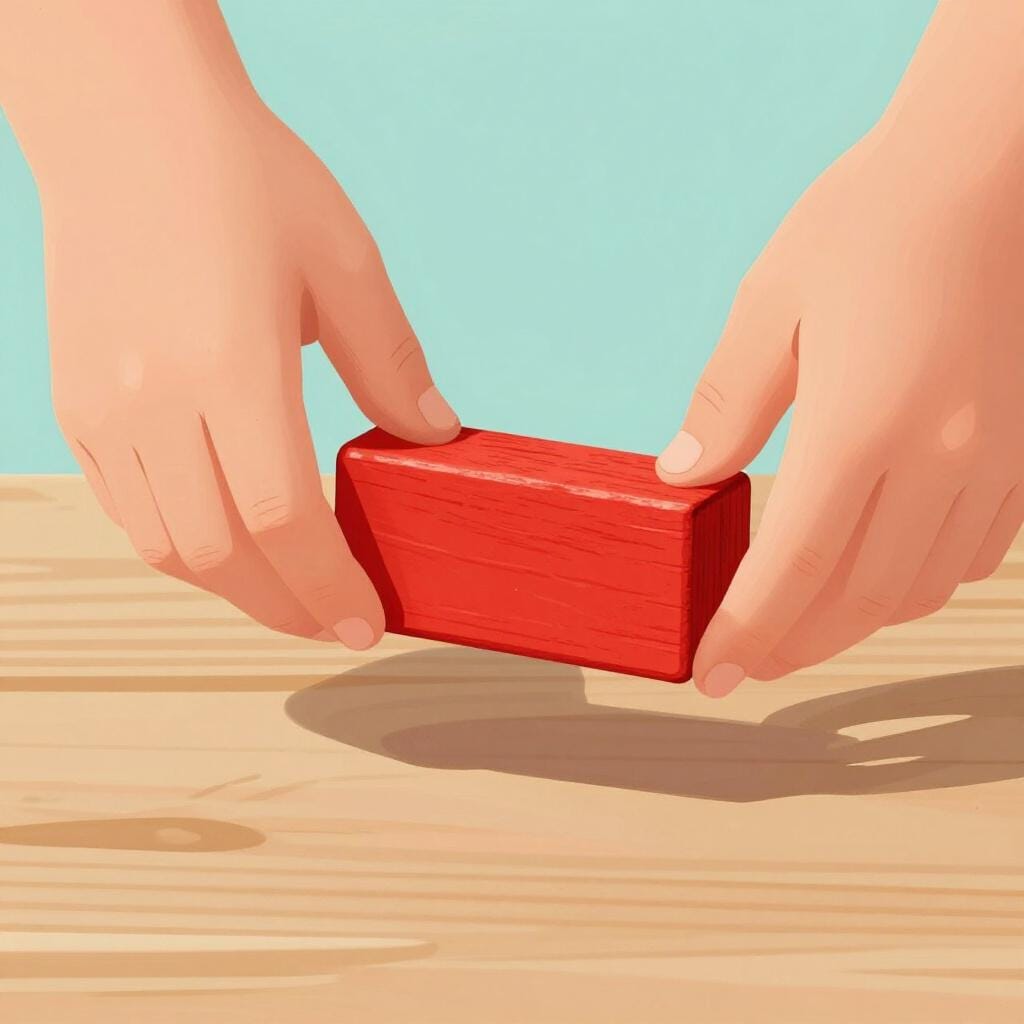
Él alzó la maleta pesada con una mano.
He lifted the heavy suitcase with one hand.
Por favor, alza la mano si tienes una pregunta.
Please, raise your hand if you have a question.
No es necesario alzar la voz; te escucho bien.
It is not necessary to raise your voice; I can hear you well.
The Z to C Spelling Swap
In Spanish, the letter 'z' usually changes to a 'c' when it sits before an 'e'. You'll see this in the 'yo' form of the past tense (alcé) and in all the special wish/command forms (alce).
Alzar vs. Levantar
'Alzar' is slightly more formal or poetic than 'levantar'. While both mean to lift, use 'alzar' for more noble or dramatic actions, like 'raising a flag' or 'raising a voice'.
Getting Out of Bed
Mistake: “Me alzo a las ocho de la mañana.”
Correction: Me levanto a las ocho de la mañana. Use 'levantarse' for the daily routine of getting up from bed or a chair.
elevar
eh-leh-BAHReleˈβaɾ
Examples
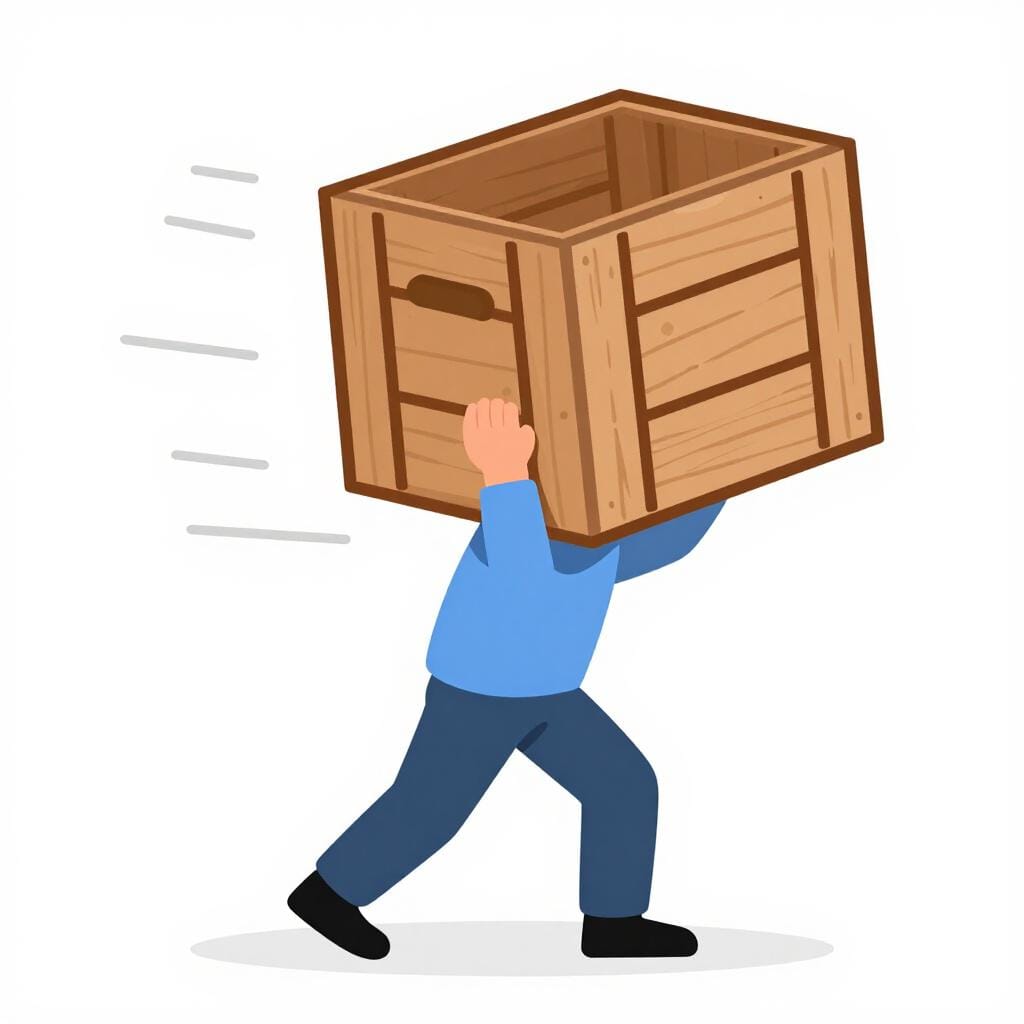
La grúa elevó la pesada viga hasta el techo.
The crane lifted the heavy beam up to the roof.
Necesitas elevar un poco más la antena para ver la televisión.
You need to raise the antenna a bit more to watch TV.
El avión comenzó a elevarse sobre las nubes.
The plane began to rise above the clouds.
La tienda tuvo que elevar los precios debido a la inflación.
The store had to raise prices due to inflation.
Using 'Se' for Self-Rising
When something moves up on its own, like a balloon or a bird, add 'se' to the end: 'El globo se eleva' (The balloon rises).
Elevar vs. Levantar
'Elevar' sounds more technical or formal than 'levantar.' Use it for high distances or mechanical lifting.
Abstract Use
Unlike English where we often say 'go up,' in professional Spanish, we prefer 'elevar' for things like prestige, quality, or standards.
Mathematical 'Power'
If you are doing math and need to say 'Two squared' (2 to the power of 2), you use the verb 'elevar': 'Dos elevado al cuadrado'.
Don't use it for simple gestures
Mistake: “Voy a elevar mi mano.”
Correction: Voy a levantar mi mano. Use 'levantar' for simple movements like raising your hand in class.
Careful with 'Voices'
Mistake: “Él elevó la voz.”
Correction: This usually means he started shouting or got angry, not just speaking louder for clarity. Be careful with the tone!
educar
eh-doo-KAHReduˈkaɾ
Examples
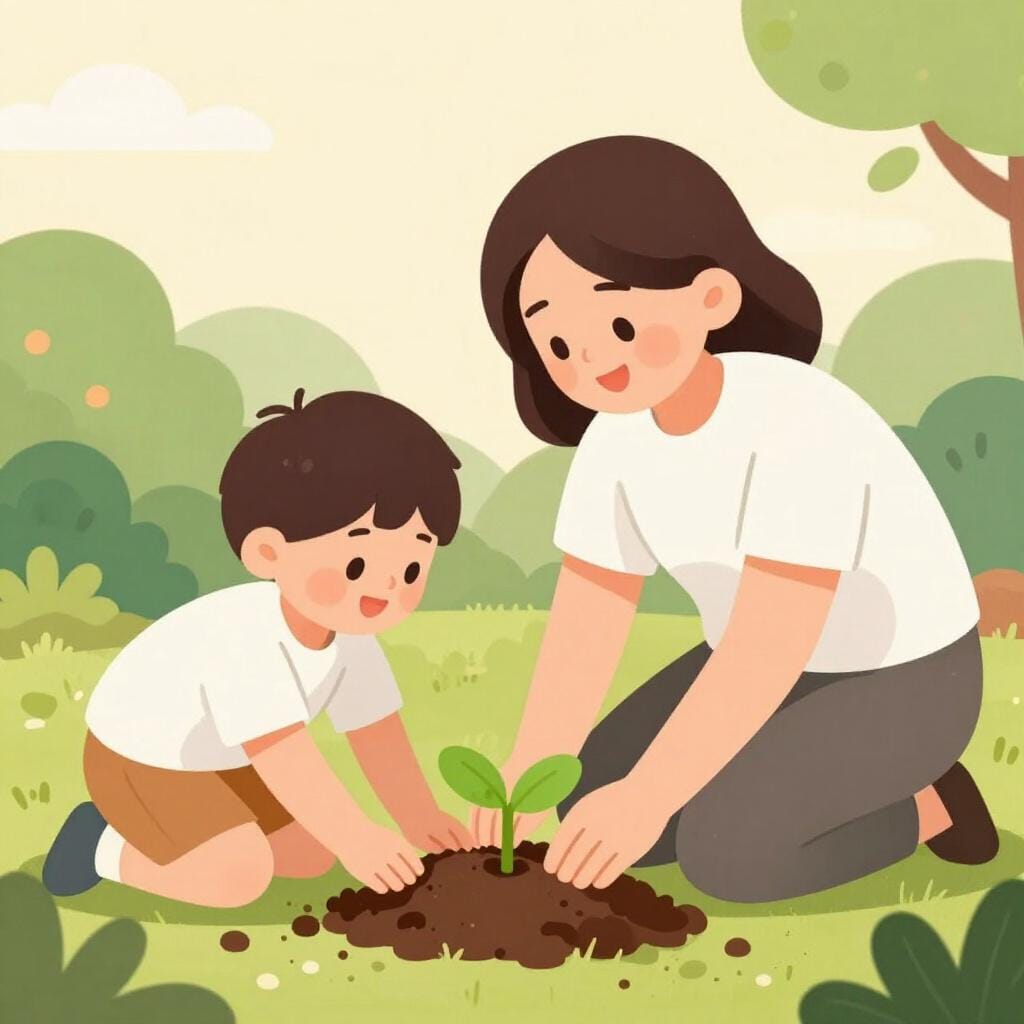
Sus abuelos lo educaron.
His grandparents raised him.
Es difícil educar a un niño hoy en día.
It is difficult to raise a child nowadays.
Me educaron para ser siempre respetuoso.
I was brought up to always be respectful.
Reflexive Use
You can say 'educarse' if you are the one obtaining knowledge or training yourself: 'Él se educó solo' (He taught himself/He educated himself).
Confusing with 'Cuidar'
Mistake: “Él educa a los bebés en la guardería.”
Correction: Él cuida a los bebés... 'Educar' implies teaching values or knowledge; babies are usually 'cared for' (cuidar).
recaudar
rreh-kow-darrekauˈðar

Examples
Queremos recaudar dinero para el refugio de animales.
We want to raise money for the animal shelter.
El gobierno recauda impuestos cada mes.
The government collects taxes every month.
Han logrado recaudar más de un millón de euros.
They have managed to raise more than a million euros.
Using the word directly
You don't need a word like 'for' between the verb and the money. You simply 'recaudar dinero' (raise money).
It's all about the money
Unlike the English word 'collect,' Spanish 'recaudar' is almost exclusively used for money, taxes, or donations, not hobbies or physical objects.
Don't use it for hobbies
Mistake: “Recaudo sellos en mi tiempo libre.”
Correction: Colecciono sellos en mi tiempo libre. Use 'coleccionar' for hobbies and 'recaudar' for gathering money.
suscitar
soo-see-TARsusθiˈtaɾ

Examples
La nueva película ha suscitado mucho interés entre los jóvenes.
The new movie has sparked a lot of interest among young people.
Sus palabras suscitaron una gran polémica en las redes sociales.
His words gave rise to a great controversy on social media.
El informe suscita dudas sobre la seguridad del edificio.
The report raises doubts about the safety of the building.
Using with Abstract Ideas
Suscitar is almost always used with things you can't touch, like 'emotions,' 'doubts,' or 'reactions.' You wouldn't use it for physical objects.
A 'Fancy' Way to Say Cause
Think of suscitar as a sophisticated version of 'causar' or 'provocar.' It makes your writing sound more elegant and professional.
Don't use for physical actions
Mistake: “La lluvia suscitó un charco.”
Correction: La lluvia causó un charco. (Use suscitar for reactions, not physical things like puddles).
erigir
eh-ree-HEEReɾiˈxiɾ

Examples
Decidieron erigir un monumento en la plaza central.
They decided to erect a monument in the central square.
El arquitecto erigió una torre que domina el paisaje.
The architect built a tower that dominates the landscape.
Es costoso erigir estatuas de mármol en estos tiempos.
It is expensive to erect marble statues these days.
The G to J spelling swap
In the 'I' form (yo) and all 'wish' forms (subjunctive), the 'g' changes to a 'j' (erijo). This is because in Spanish, a 'g' sounds like an 'h' only before 'e' or 'i'. To keep that 'h' sound before an 'o' or 'a', we must use 'j'.
Formal tone
Don't use 'erigir' for simple things like a doghouse or a fence. It is reserved for grand, noble, or historically significant structures.
Avoid 'erigo'
Mistake: “Yo erigo un altar.”
Correction: Yo erijo un altar. Because 'g' before 'o' sounds like 'go', you must use 'j' to keep the breathy 'h' sound of the original word.
Raising vs. Increasing
Related Translations
Learn Spanish with Inklingo
Interactive stories, personalized learning, and more.