elevar
“elevar” means “to lift” in Spanish. It has 2 different meanings depending on context:
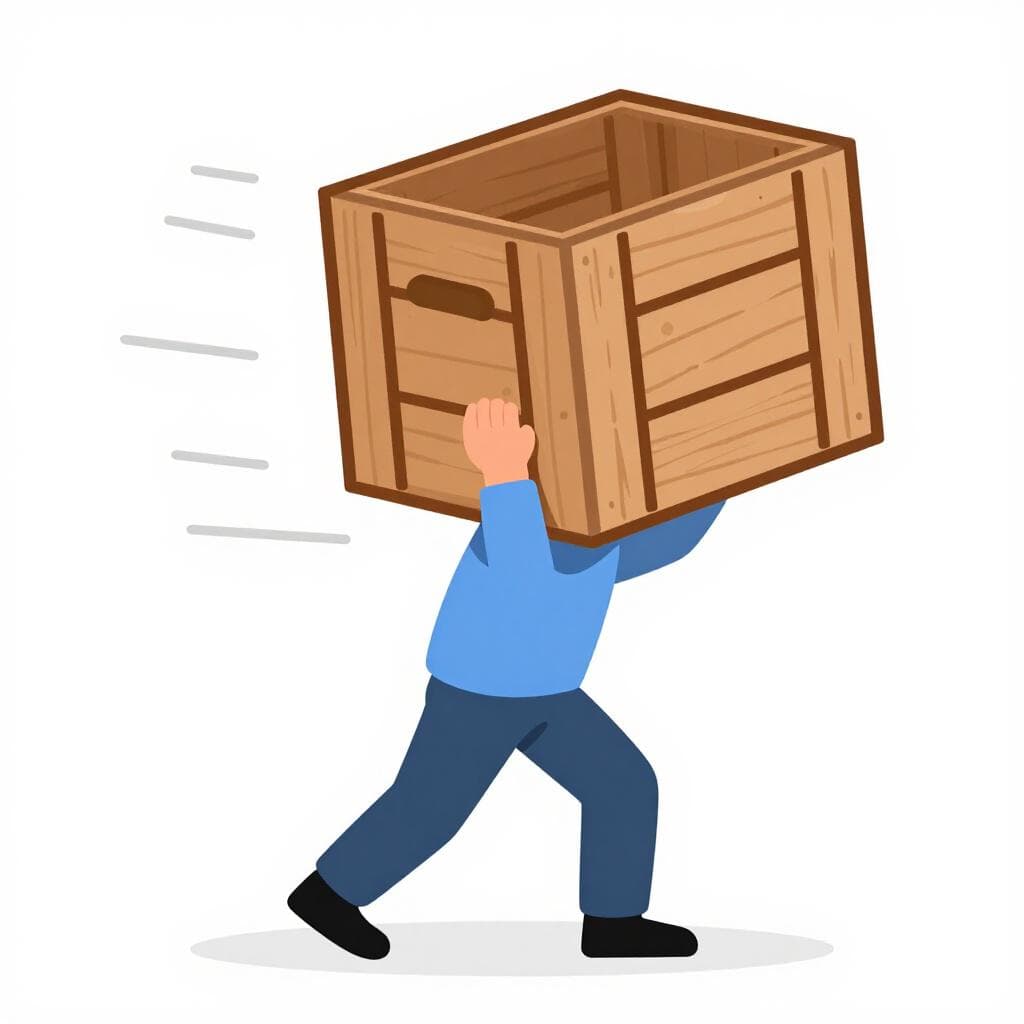
to lift, to raise
Also: to hoist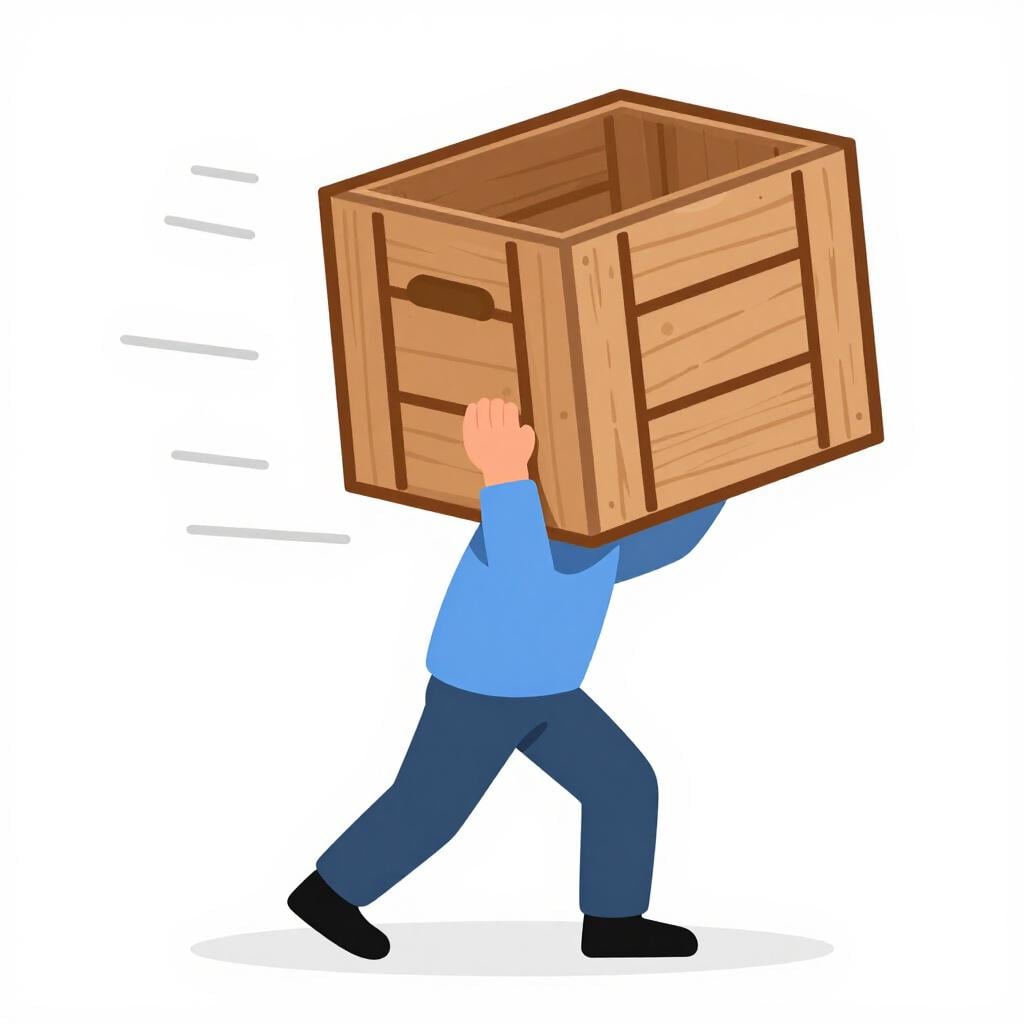
📝 In Action
La grúa elevó la pesada viga hasta el techo.
B1The crane lifted the heavy beam up to the roof.
Necesitas elevar un poco más la antena para ver la televisión.
A2You need to raise the antenna a bit more to watch TV.
El avión comenzó a elevarse sobre las nubes.
B1The plane began to rise above the clouds.
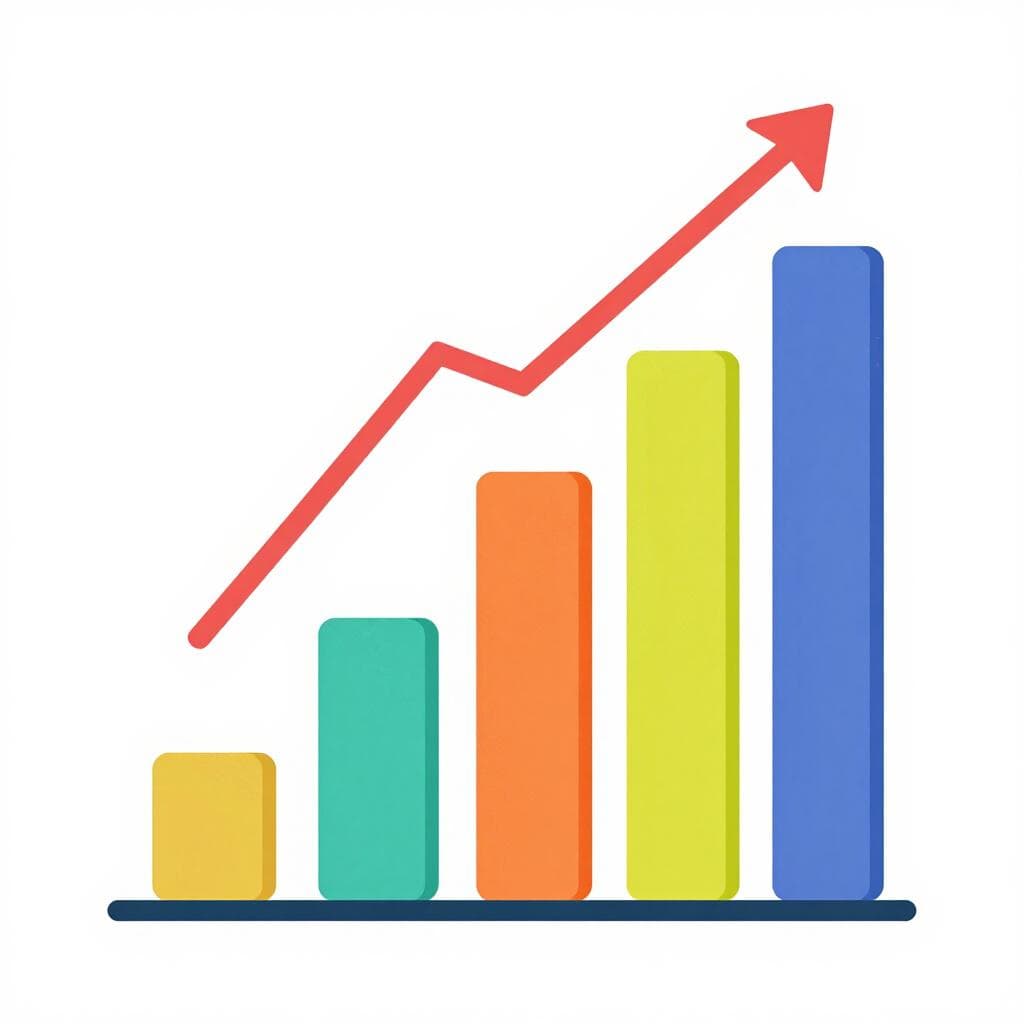
to increase, to raise
Also: to exalt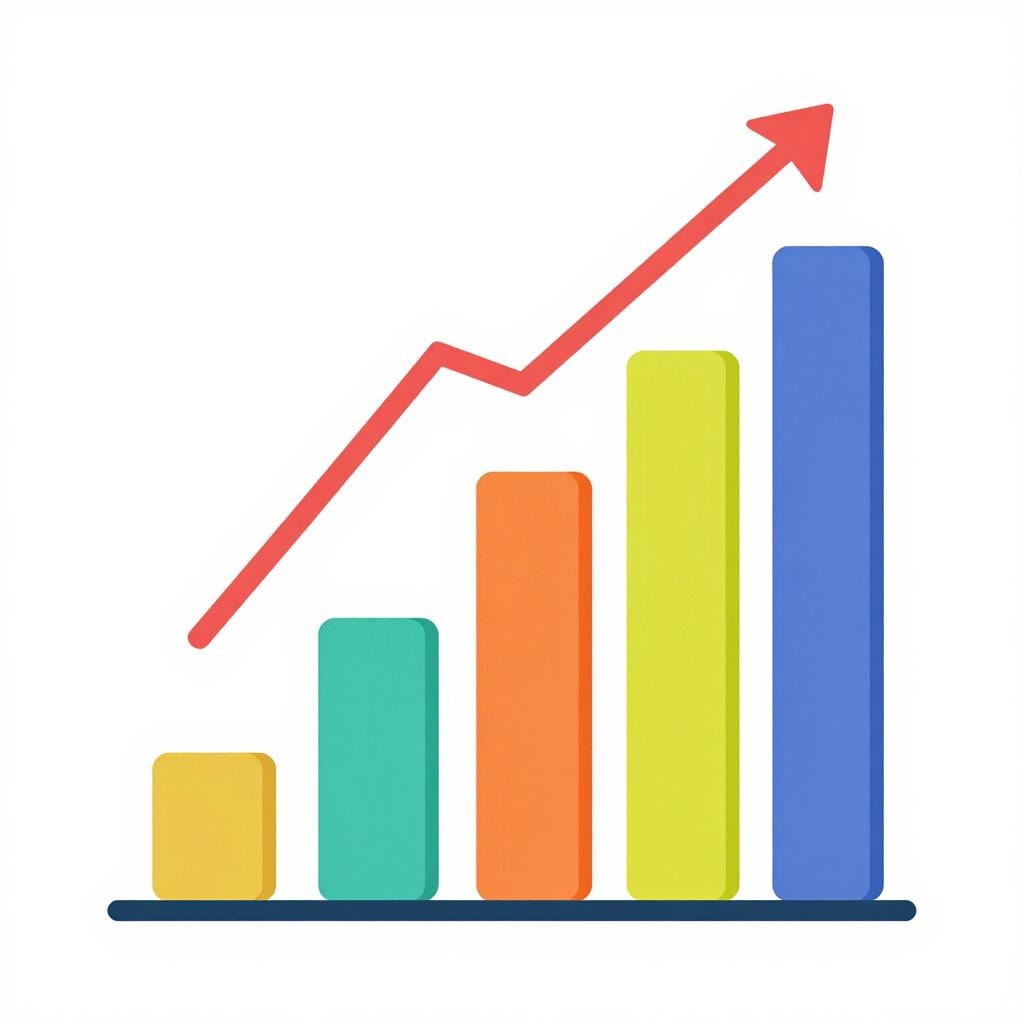
📝 In Action
La tienda tuvo que elevar los precios debido a la inflación.
B1The store had to raise prices due to inflation.
Queremos elevar la calidad de nuestros servicios.
B1We want to raise the quality of our services.
Las lluvias elevaron el nivel del río.
B2The rains raised the river level.
Subjunctive
Imperfect Subjunctive
Present Subjunctive
Indicative
Preterite
Imperfect
Present
Translate to Spanish
✏️ Quick Practice
Quick Quiz: elevar
Question 1 of 3
Which sentence correctly uses 'elevar' to talk about a price increase?
📚 More Resources
👥 Word Family▼
📚 Etymology▼
From the Latin word 'elevare', which combines 'ex-' (out/up) and 'levare' (to lighten or lift). It's built on the root 'levis', meaning 'light' in weight.
First recorded: 13th century
Cognates (Related words)
💡 Master Spanish
Take your Spanish to the next level. Read 200+ illustrated and narrated Spanish stories tailored to your level with the Inklingo app!
Frequently Asked Questions
What is the difference between 'elevar' and 'subir'?
'Subir' is the general word for 'to go up' or 'to bring up.' 'Elevar' is more formal and often used for physical lifting with machines or abstract increases like 'elevar la calidad' (raising quality).
Is 'elevar' a regular verb?
Yes! It follows the standard pattern for all verbs ending in -ar, so it is very easy to conjugate once you know the basics.
When should I use 'elevarse'?
Use the version with 'se' at the end when the subject is rising by itself, such as smoke, a plane, or someone's spirit.