How to Say "to lift" in Spanish
The most common Spanish word for “to lift” is “subir” — use 'subir' when the action of lifting is brief, light, or involves moving something to a higher location, often as part of a series of small actions.

Use 'subir' when the action of lifting is brief, light, or involves moving something to a higher location, often as part of a series of small actions.
Learn more →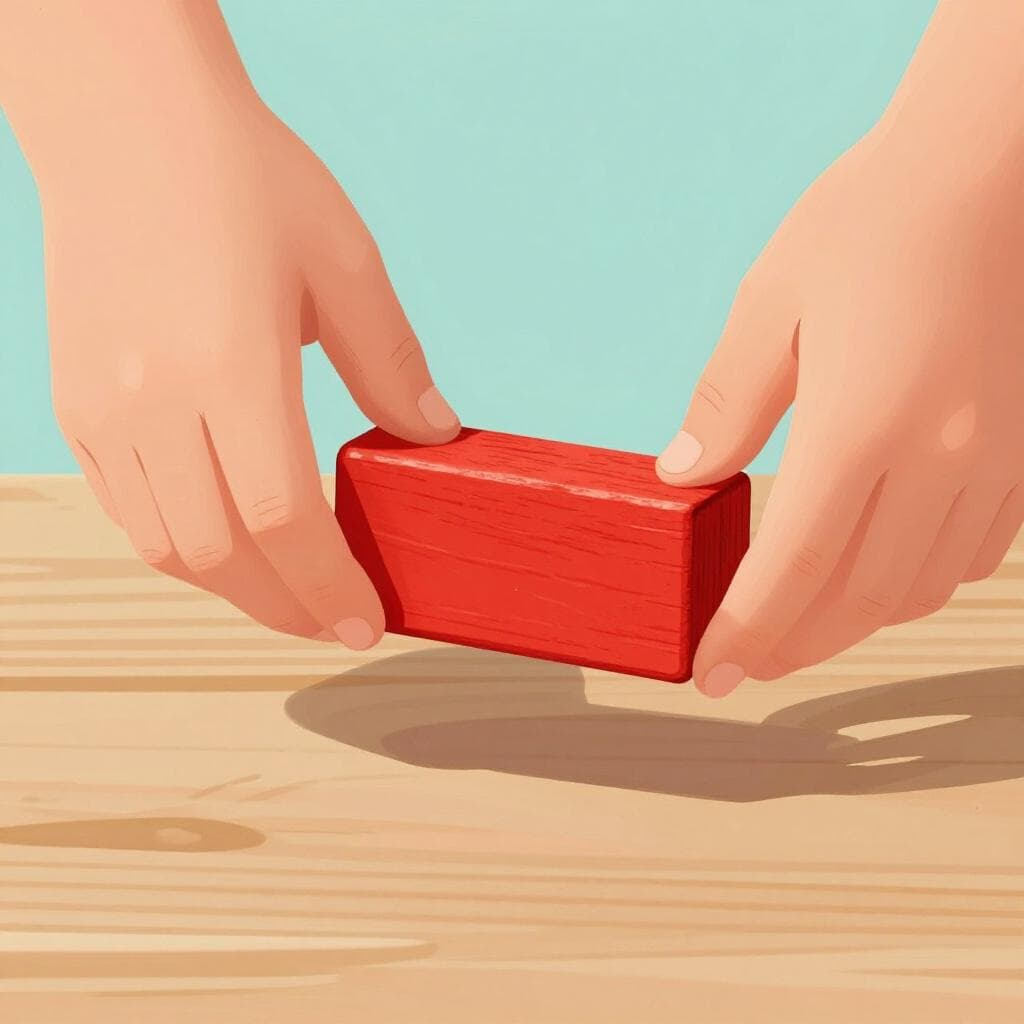
Choose 'alzar' when the primary meaning is to pick something up from a surface, especially if it implies a deliberate effort or a more formal action.
Learn more →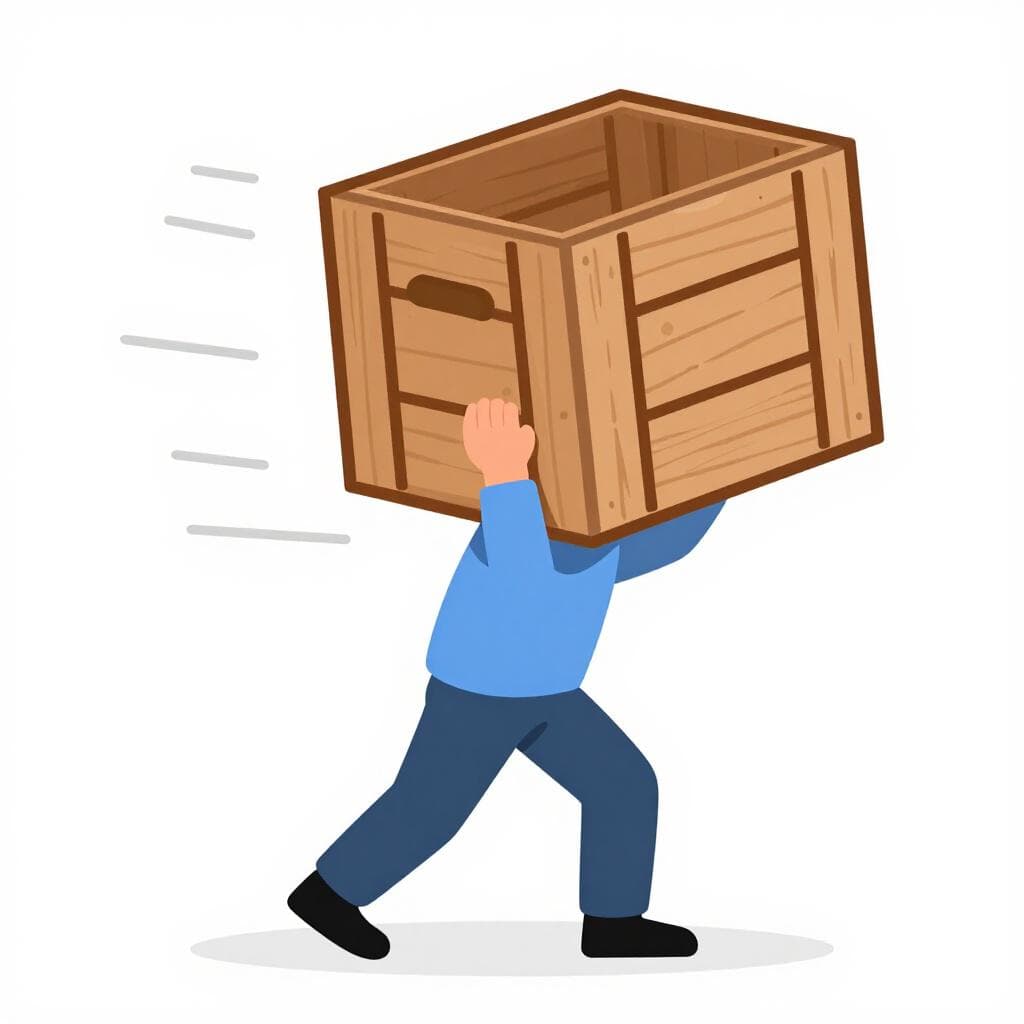
Use 'elevar' when describing the action of moving something upwards, particularly with mechanical assistance or to a significant height.
Learn more →soo-BEERsuˈβiɾ
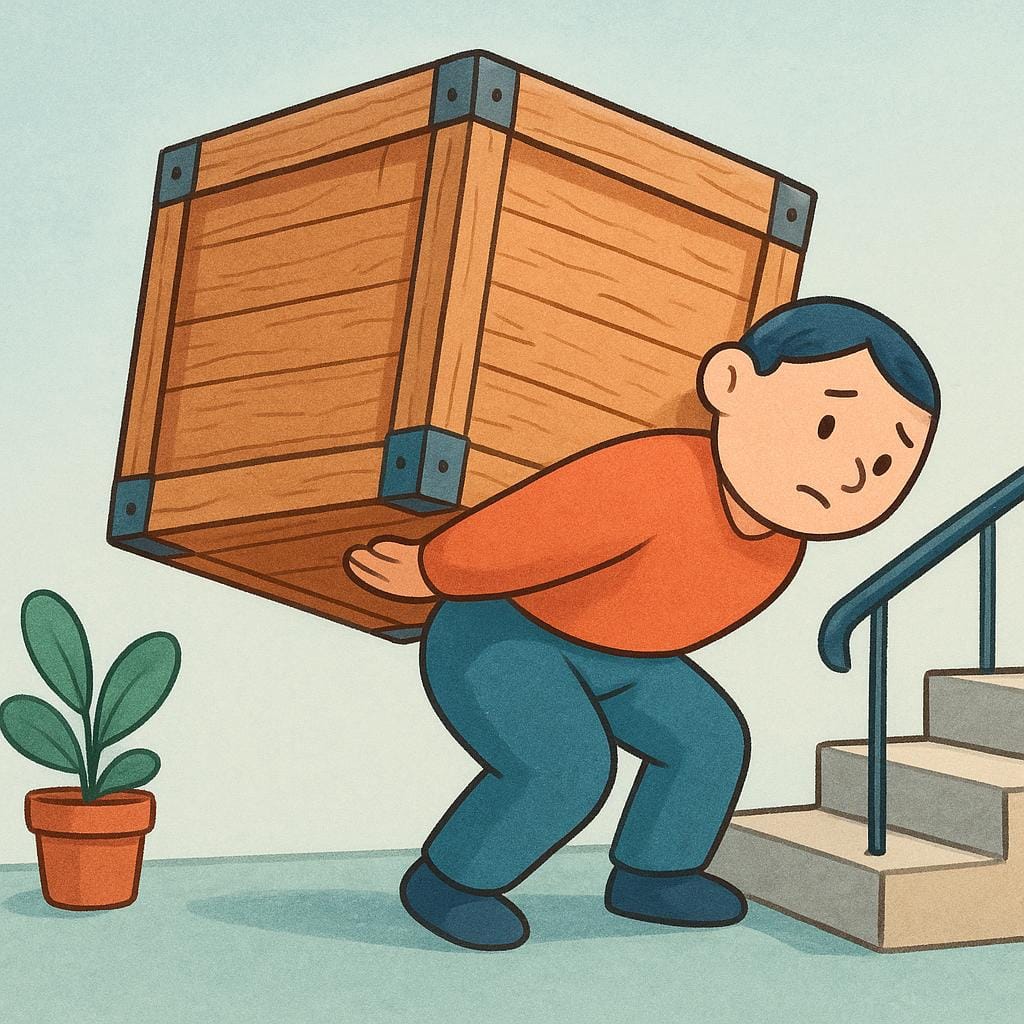
Examples
Yo subo las maletas y tú subes las cajas pequeñas.
I'll take the suitcases up, and you take the small boxes up.
Por favor, ¿puedes subir mi café a la oficina?
Please, can you bring my coffee up to the office?
Transitive Use
In this case, 'subir' is an action verb that affects something else. The object (like 'maletas' or 'café') is directly acted upon by the verb.
ahl-ZAHRalˈθaɾ
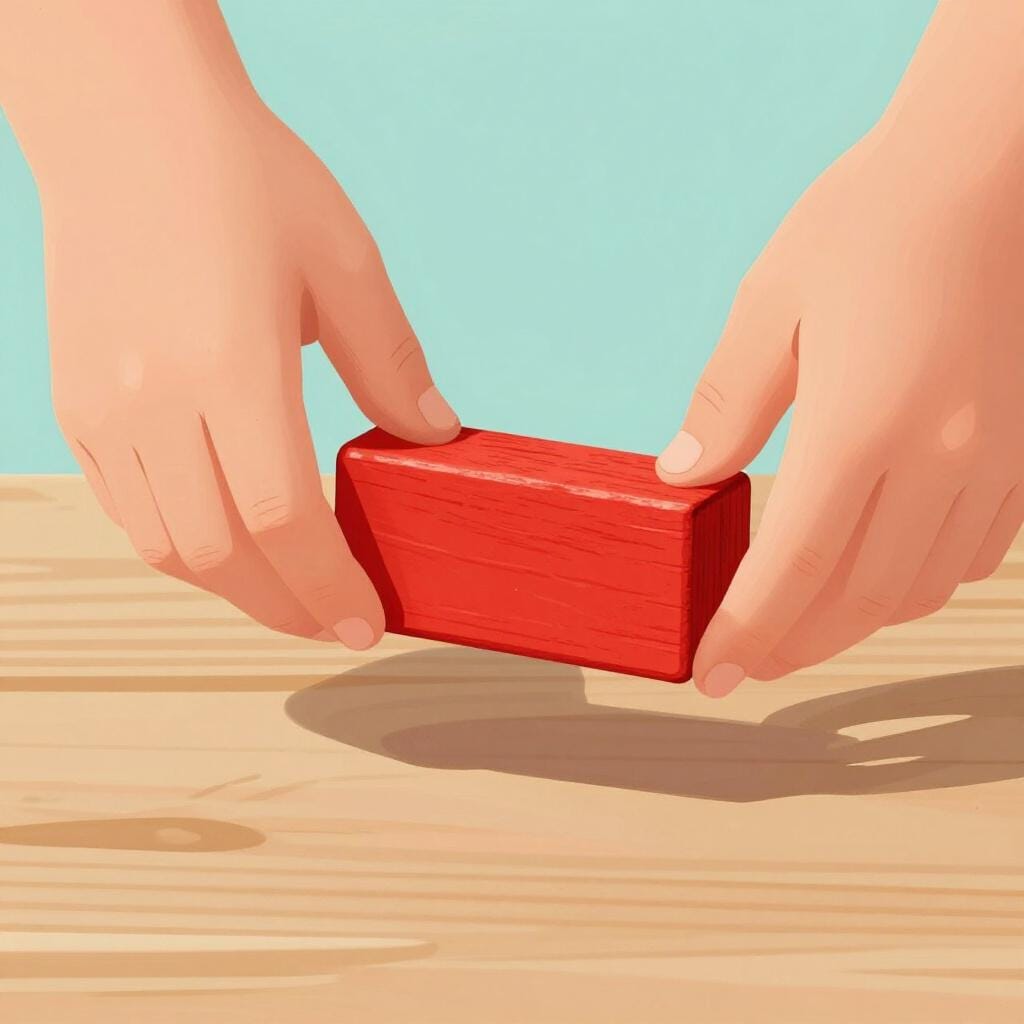
Examples
Él alzó la maleta pesada con una mano.
He lifted the heavy suitcase with one hand.
Por favor, alza la mano si tienes una pregunta.
Please, raise your hand if you have a question.
No es necesario alzar la voz; te escucho bien.
It is not necessary to raise your voice; I can hear you well.
The Z to C Spelling Swap
In Spanish, the letter 'z' usually changes to a 'c' when it sits before an 'e'. You'll see this in the 'yo' form of the past tense (alcé) and in all the special wish/command forms (alce).
Alzar vs. Levantar
'Alzar' is slightly more formal or poetic than 'levantar'. While both mean to lift, use 'alzar' for more noble or dramatic actions, like 'raising a flag' or 'raising a voice'.
Getting Out of Bed
Mistake: “Me alzo a las ocho de la mañana.”
Correction: Me levanto a las ocho de la mañana. Use 'levantarse' for the daily routine of getting up from bed or a chair.
eh-leh-BAHReleˈβaɾ
Examples
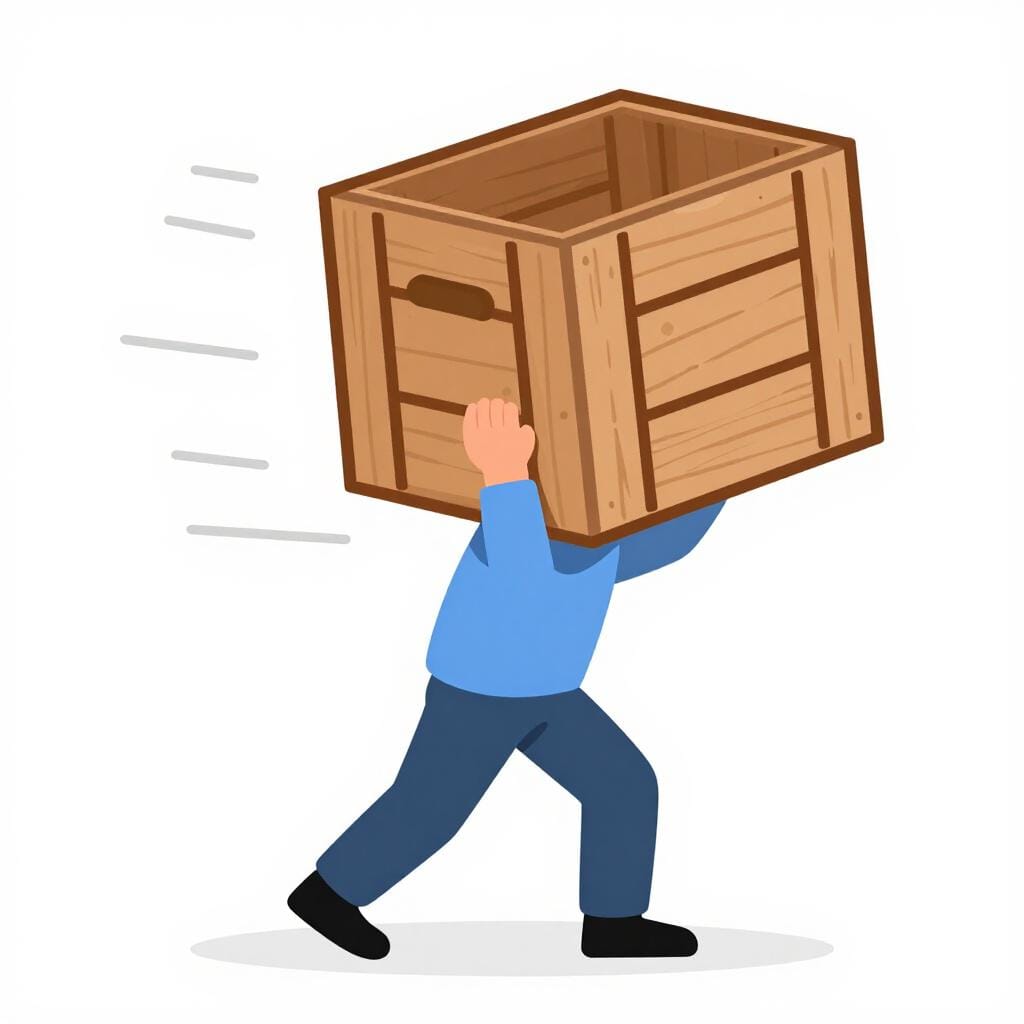
La grúa elevó la pesada viga hasta el techo.
The crane lifted the heavy beam up to the roof.
Necesitas elevar un poco más la antena para ver la televisión.
You need to raise the antenna a bit more to watch TV.
El avión comenzó a elevarse sobre las nubes.
The plane began to rise above the clouds.
Using 'Se' for Self-Rising
When something moves up on its own, like a balloon or a bird, add 'se' to the end: 'El globo se eleva' (The balloon rises).
Elevar vs. Levantar
'Elevar' sounds more technical or formal than 'levantar.' Use it for high distances or mechanical lifting.
Don't use it for simple gestures
Mistake: “Voy a elevar mi mano.”
Correction: Voy a levantar mi mano. Use 'levantar' for simple movements like raising your hand in class.
Choosing between 'subir' and 'alzar'
Learners often confuse 'subir' and 'alzar' because both can involve moving something up. Remember that 'subir' is better for light, quick, or sequential lifting of items, while 'alzar' implies picking something up from a surface with more deliberate intent, like raising it from the floor.
Related Translations
Learn Spanish with Inklingo
Interactive stories, personalized learning, and more.