How to Say "to climb" in Spanish
The most common Spanish word for “to climb” is “subir” — use 'subir' when talking about moving upwards on stairs, a hill, or generally going up. It can also refer to an increase in rank or price.

Use 'subir' when talking about moving upwards on stairs, a hill, or generally going up. It can also refer to an increase in rank or price.
Learn more →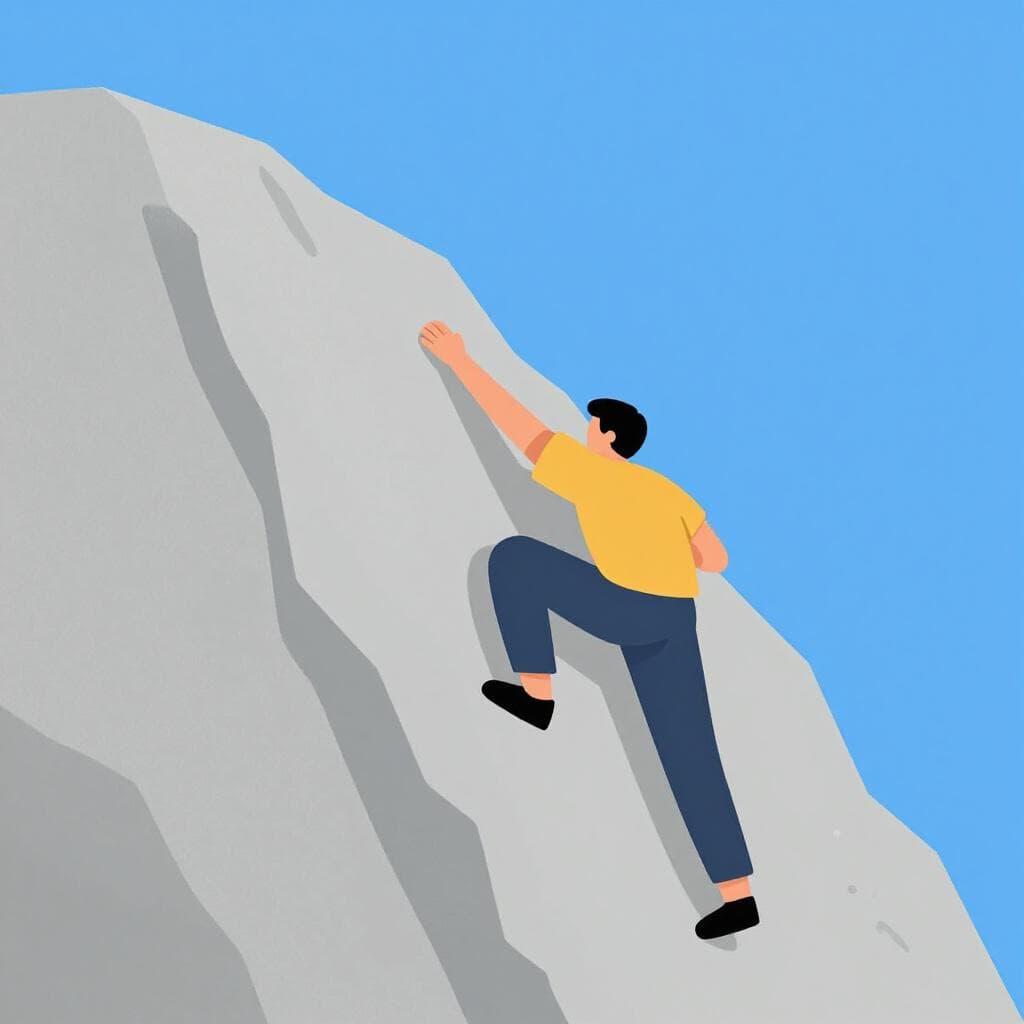
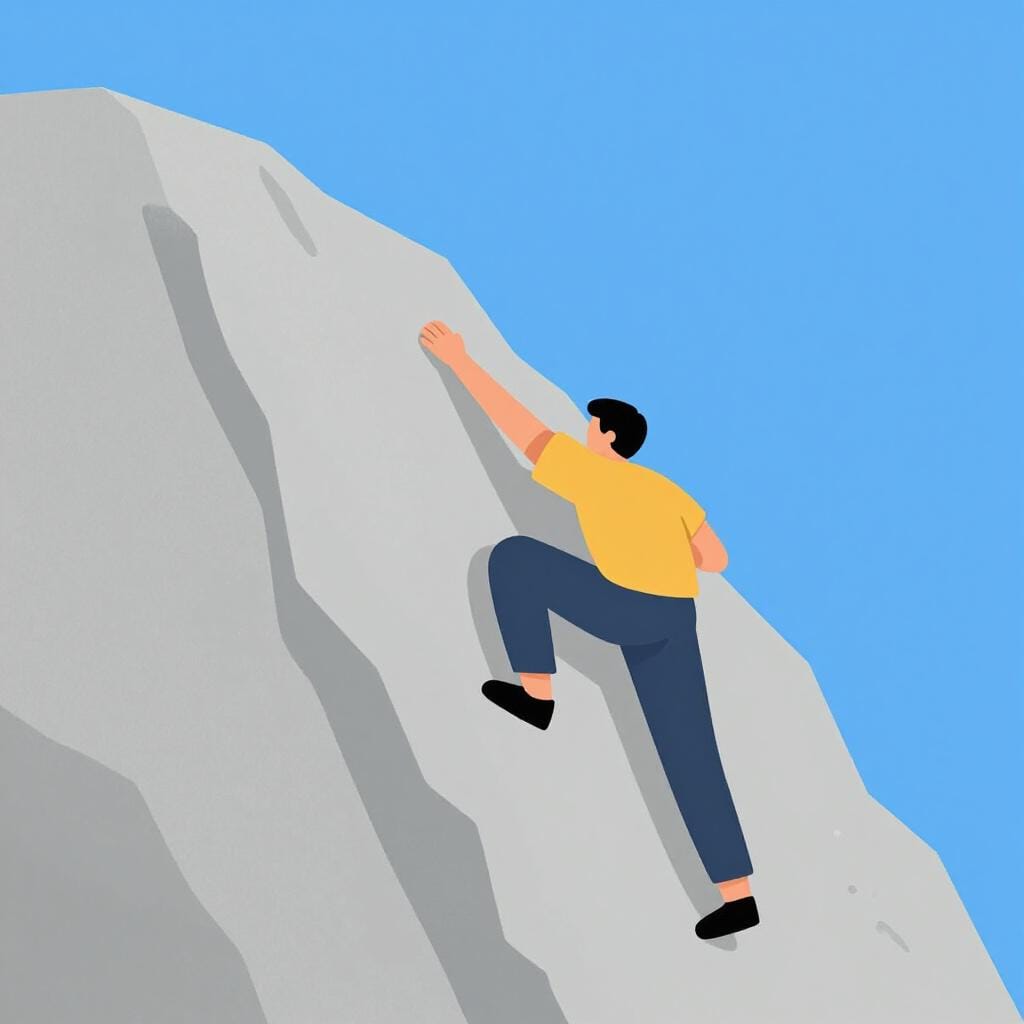
Choose 'escalar' for the specific physical activity of climbing mountains or rock faces, often implying difficulty and the use of hands and feet.
Learn more →
Use 'trepar' when describing the action of climbing using hands and feet, especially for animals or children on things like trees or walls.
Learn more →
Employ 'ascender' for more formal contexts, such as objects moving upwards (like a balloon or aircraft) or a gradual rise in altitude or status.
Learn more →soo-BEERsuˈβiɾ

Examples
Vamos a subir la colina para ver el atardecer.
We are going to climb the hill to see the sunset.
Necesito subir las escaleras para llegar a mi apartamento.
I need to go up the stairs to get to my apartment.
Si el ascensor está roto, tendremos que subir a pie.
If the elevator is broken, we will have to walk up.
¿Puedes subir al coche? Vamos tarde.
Can you get in the car? We are late.
Movement Inward
When talking about getting into a vehicle (like a car or bus), Spanish uses 'subir al/en' where English uses 'get in' or 'board'.
Confusing 'subir' and 'levantar'
Mistake: “Using 'levantar' when meaning to move yourself up an incline.”
Correction: Use 'subir' for moving yourself up (climbing stairs). Use 'levantar' only for lifting a heavy object.
es-kah-LAHReskaˈlaɾ
Examples
Los alpinistas experimentados pueden escalar el Everest.
Experienced climbers can scale Mount Everest.
Me gusta escalar montañas durante el verano.
I like to climb mountains during the summer.
Tuvieron que escalar el muro para entrar.
They had to scale the wall to get in.
Regular -ar Pattern
This verb follows the standard rules for -ar verbs, so once you know the pattern, you can conjugate it easily in any tense.
Escalar vs. Subir
Mistake: “Using 'escalar' for just going upstairs.”
Correction: Use 'subir' for stairs or elevators. 'Escalar' implies effort, steepness, or the use of hands.
treh-partɾeˈpaɾ

Examples
El mono trepó al árbol para alcanzar la fruta.
The monkey climbed the tree to reach the fruit.
El gato puede trepar el árbol muy rápido.
The cat can climb the tree very fast.
De niño me gustaba trepar por las rocas.
As a child, I liked to climb over the rocks.
Los excursionistas tuvieron que trepar una pared de piedra.
The hikers had to scale a stone wall.
Using 'a' vs 'por'
Use 'trepar a' when you are reaching the top of something, and 'trepar por' when you are moving along the surface of it.
The special verb form
When you want someone else to climb, like 'I want you to climb,' the verb changes to 'trepes' (Quiero que trepes).
Trepar vs. Subir
Mistake: “Subir la montaña usando las manos.”
Correction: Trepar la montaña. 'Subir' is just going up (like an elevator), but 'trepar' means you are using effort and your hands/feet.
ah-sen-DEHRasθenˈdeɾ

Examples
La temperatura empezó a ascender gradualmente.
The temperature began to rise gradually.
El globo empezó a ascender lentamente al amanecer.
The balloon began to rise slowly at dawn.
Tardamos tres horas en ascender hasta la cima de la montaña.
It took us three hours to climb to the top of the mountain.
Vimos cómo el humo ascendía por la chimenea.
We watched how the smoke rose through the chimney.
The 'e' to 'ie' Swap
This verb is a 'shoe verb.' In the present tense, the 'e' in the middle changes to 'ie' for everyone except 'nosotros' and 'vosotros'.
Use with 'a'
When you are rising TO a specific place, always follow the verb with the word 'a'.
Using it for everything
Mistake: “Voy a ascender las escaleras.”
Correction: Voy a subir las escaleras. Use 'subir' for simple things like stairs and 'ascender' for more impressive climbs or formal contexts.
Subir vs. Escalar
Learners often confuse 'subir' and 'escalar.' Remember that 'subir' is a general term for going up, like stairs or a small hill, while 'escalar' specifically refers to the challenging physical act of climbing mountains or rock faces.
Related Translations
Learn Spanish with Inklingo
Interactive stories, personalized learning, and more.