How to Say "to scale" in Spanish
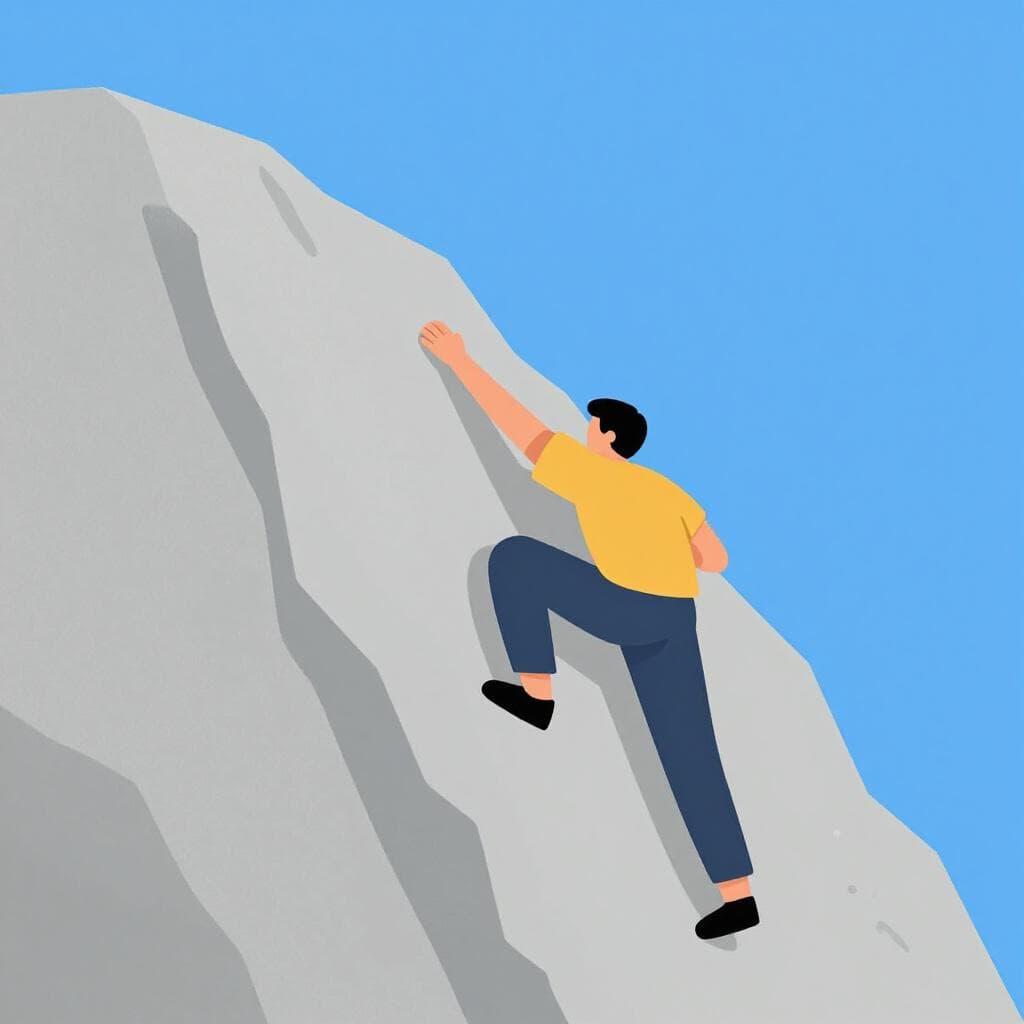
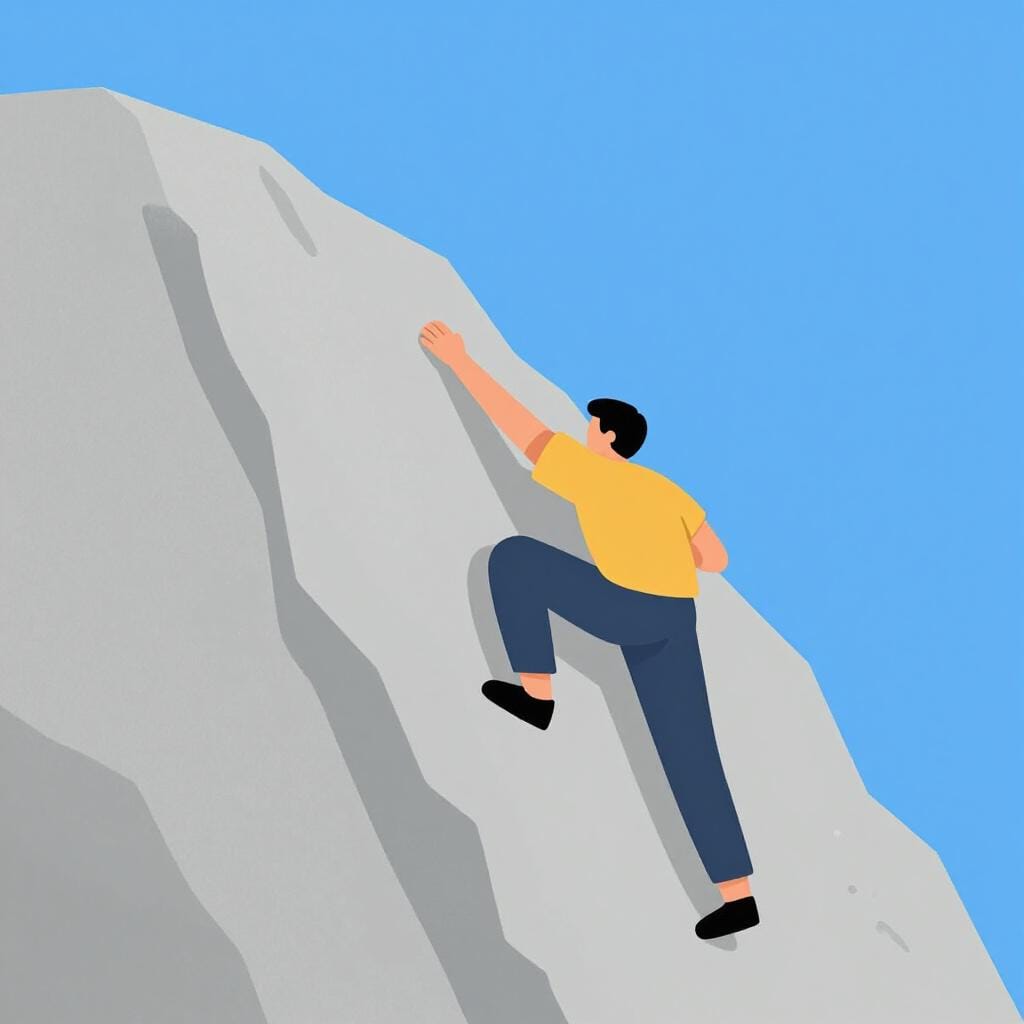
The most common Spanish word for “to scale” is “escalar” — use 'escalar' when referring to climbing a large, steep natural feature like a mountain or a rock face, often with the goal of reaching the summit.

escalar
es-kah-LAHReskaˈlaɾ
Examples
Me gusta escalar montañas durante el verano.
I like to climb mountains during the summer.
Tuvieron que escalar el muro para entrar.
They had to scale the wall to get in.
Regular -ar Pattern
This verb follows the standard rules for -ar verbs, so once you know the pattern, you can conjugate it easily in any tense.
Escalar vs. Subir
Mistake: “Using 'escalar' for just going upstairs.”
Correction: Use 'subir' for stairs or elevators. 'Escalar' implies effort, steepness, or the use of hands.
trepar
treh-partɾeˈpaɾ

Examples
El gato puede trepar el árbol muy rápido.
The cat can climb the tree very fast.
De niño me gustaba trepar por las rocas.
As a child, I liked to climb over the rocks.
Los excursionistas tuvieron que trepar una pared de piedra.
The hikers had to scale a stone wall.
Using 'a' vs 'por'
Use 'trepar a' when you are reaching the top of something, and 'trepar por' when you are moving along the surface of it.
The special verb form
When you want someone else to climb, like 'I want you to climb,' the verb changes to 'trepes' (Quiero que trepes).
Trepar vs. Subir
Mistake: “Subir la montaña usando las manos.”
Correction: Trepar la montaña. 'Subir' is just going up (like an elevator), but 'trepar' means you are using effort and your hands/feet.
Escalar vs. Trepar
Related Translations
Learn Spanish with Inklingo
Interactive stories, personalized learning, and more.