How to Say "to build" in Spanish
The most common Spanish word for “to build” is “montar” — use 'montar' when referring to assembling something from pre-made parts, like furniture or equipment.
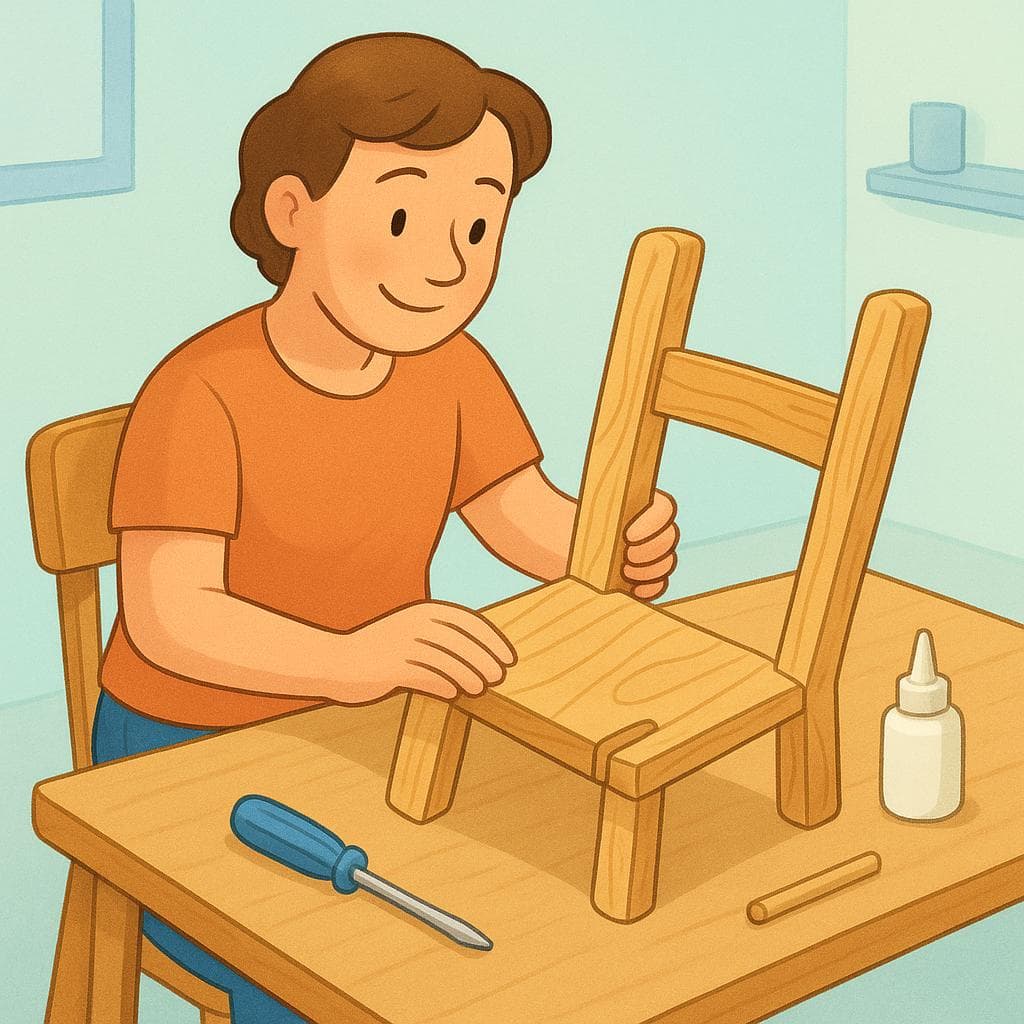
Use 'montar' when referring to assembling something from pre-made parts, like furniture or equipment.
Learn more →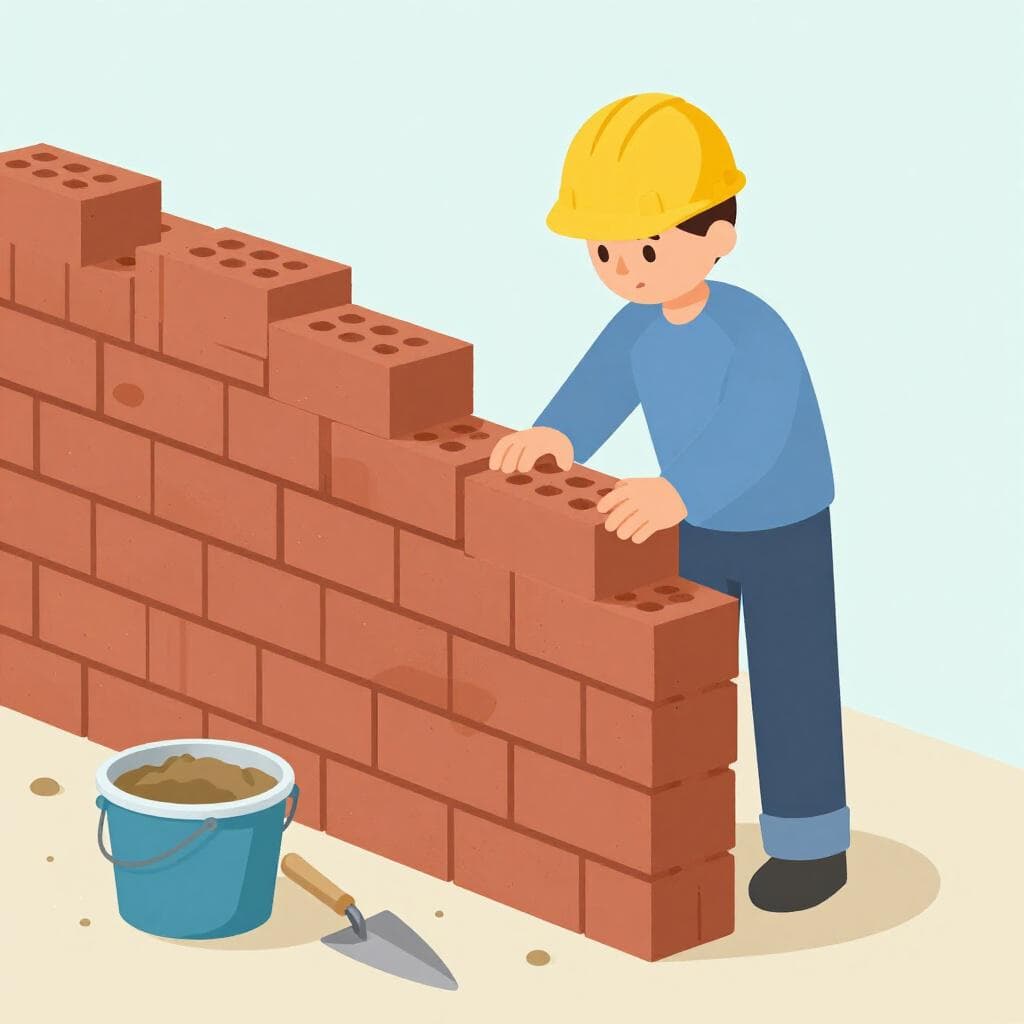
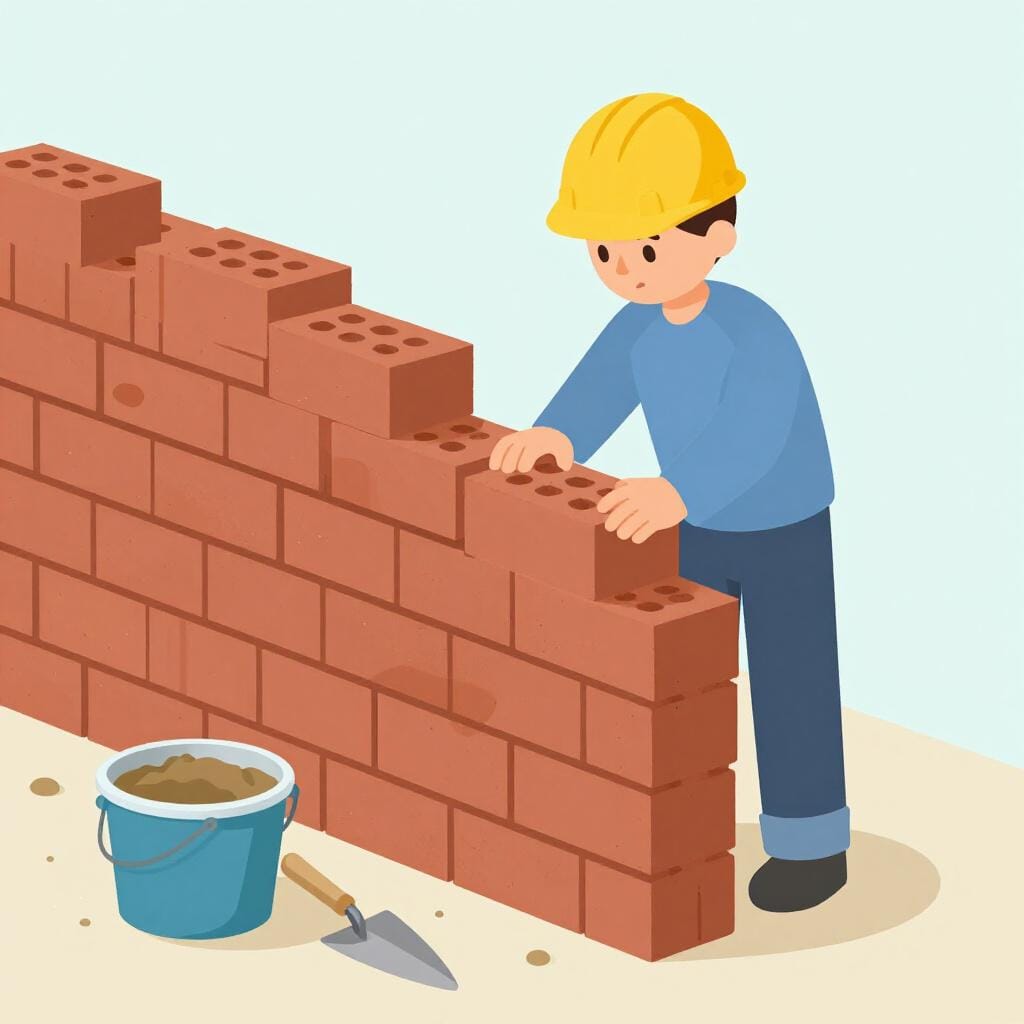
Use 'edificar' for constructing substantial physical structures, especially buildings, temples, or houses.
Learn more →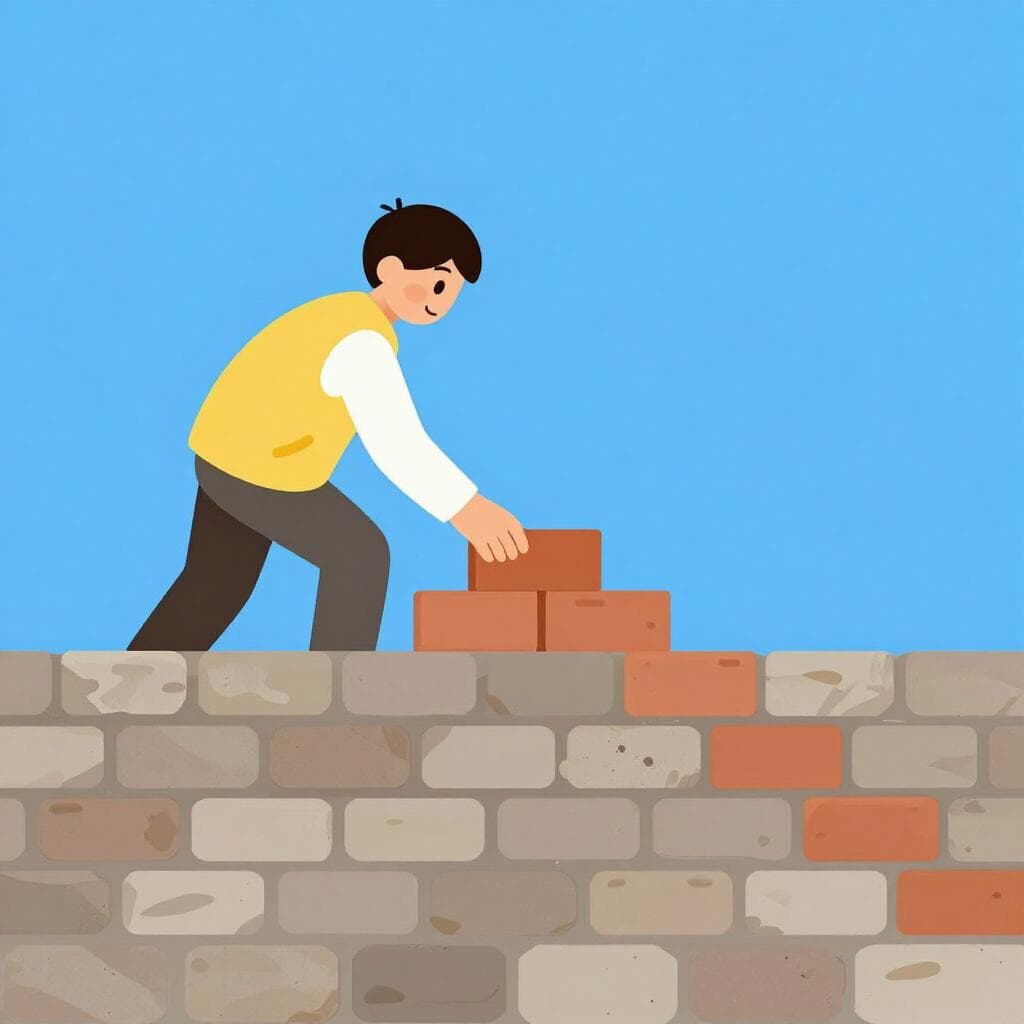
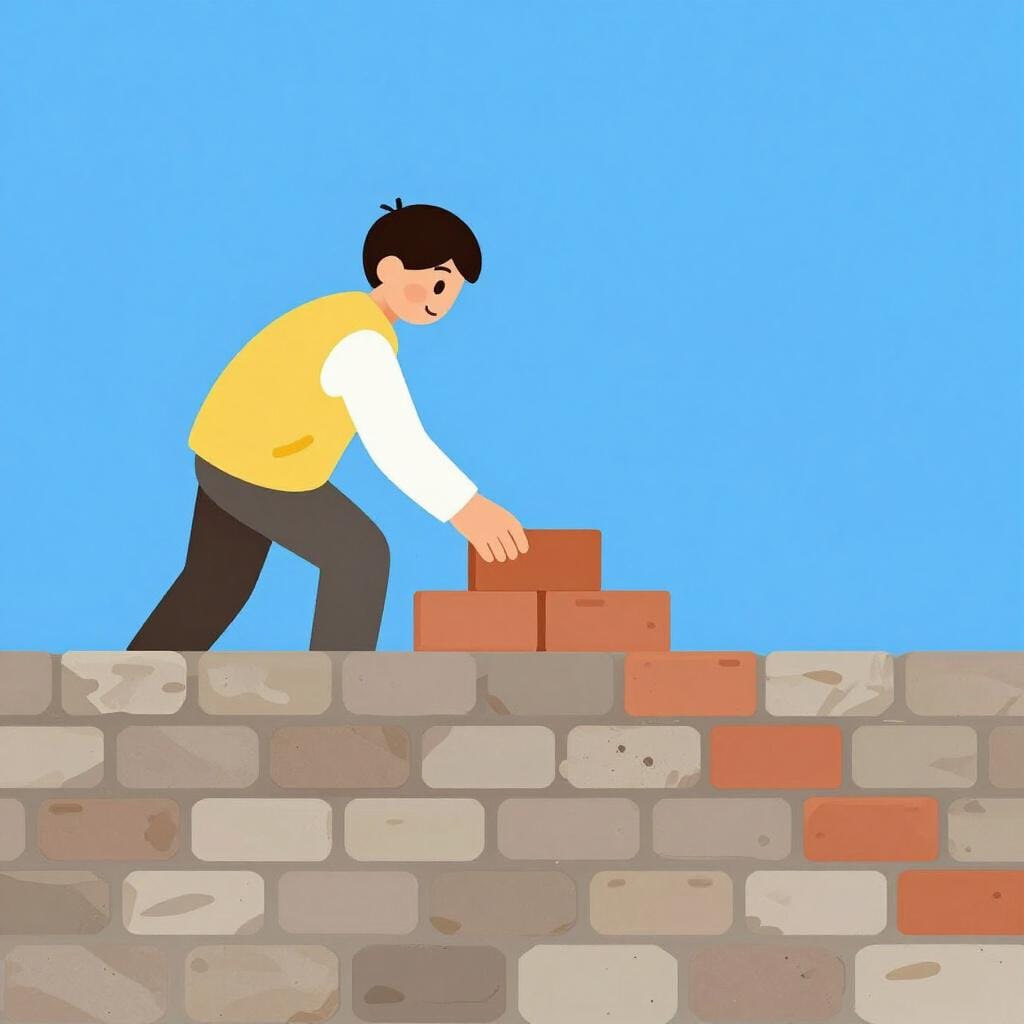
Use 'alzar' when the focus is on raising or erecting a structure, often implying a significant or imposing construction like a wall or a tower.
Learn more →
Use 'erigir' for the construction of large, often monumental or symbolic structures like statues, monuments, or significant public buildings.
Learn more →mon-TARmonˈtaɾ
Examples
Necesitamos dos horas para montar la estantería de IKEA.
We need two hours to assemble the IKEA bookshelf.
Si no lees las instrucciones, no podrás montar el dron.
If you don't read the instructions, you won't be able to put together the drone.
The 'Armar' Alternative
In many Latin American countries, 'armar' is used just as frequently as 'montar' to mean 'to assemble' or 'to put together.'
Using 'construir'
Mistake: “Voy a construir la mesa (I am going to construct the table).”
Correction: Voy a montar la mesa. 'Construir' implies creating something from raw materials (like a house), while 'montar' is for pre-made pieces.
eh-dee-fee-KAReðifiˈkaɾ
Examples
Los antiguos romanos decidieron edificar un gran templo en esta colina.
The ancient Romans decided to build a great temple on this hill.
Es costoso edificar en terrenos tan inclinados.
It is expensive to build on such steep terrain.
El arquitecto fue contratado para edificar el nuevo hospital central.
The architect was hired to construct the new central hospital.
The 'C' to 'QU' Swap
To keep the 'k' sound, the 'c' changes to 'qu' whenever the ending starts with an 'e' (like in the first-person past tense: 'edifiqué').
Formal Tone
While 'construir' is used for anything from LEGOs to skyscrapers, 'edificar' is almost always reserved for real buildings and architecture.
Spelling Slip-up
Mistake: “Yo edificé la casa.”
Correction: Yo edifiqué la casa. (In Spanish, 'cé' would sound like 'say', so we use 'qué' to keep the 'k' sound).
ahl-ZAHRalˈθaɾ
Examples
El rey decidió alzar un muro alrededor de la ciudad.
The king decided to build a wall around the city.
Alzaron una estatua en honor al héroe local.
They erected a statue in honor of the local hero.
Es difícil alzar un edificio en este terreno tan blando.
It is difficult to erect a building on such soft ground.
Use with monuments
This word is the standard choice when talking about putting up something tall and significant, like a skyscraper or a statue.
eh-ree-HEEReɾiˈxiɾ

Examples
Decidieron erigir un monumento en la plaza central.
They decided to erect a monument in the central square.
El arquitecto erigió una torre que domina el paisaje.
The architect built a tower that dominates the landscape.
Es costoso erigir estatuas de mármol en estos tiempos.
It is expensive to erect marble statues these days.
The G to J spelling swap
In the 'I' form (yo) and all 'wish' forms (subjunctive), the 'g' changes to a 'j' (erijo). This is because in Spanish, a 'g' sounds like an 'h' only before 'e' or 'i'. To keep that 'h' sound before an 'o' or 'a', we must use 'j'.
Formal tone
Don't use 'erigir' for simple things like a doghouse or a fence. It is reserved for grand, noble, or historically significant structures.
Avoid 'erigo'
Mistake: “Yo erigo un altar.”
Correction: Yo erijo un altar. Because 'g' before 'o' sounds like 'go', you must use 'j' to keep the breathy 'h' sound of the original word.
Choosing Between 'Edificar' and 'Alzar'
Learners often confuse 'edificar' and 'alzar' because both relate to building. Remember that 'edificar' is primarily for buildings and structures you live in or use, while 'alzar' focuses more on the act of raising or erecting something, like a wall or a tower.
Related Translations
Learn Spanish with Inklingo
Interactive stories, personalized learning, and more.