How to Say "to assemble" in Spanish
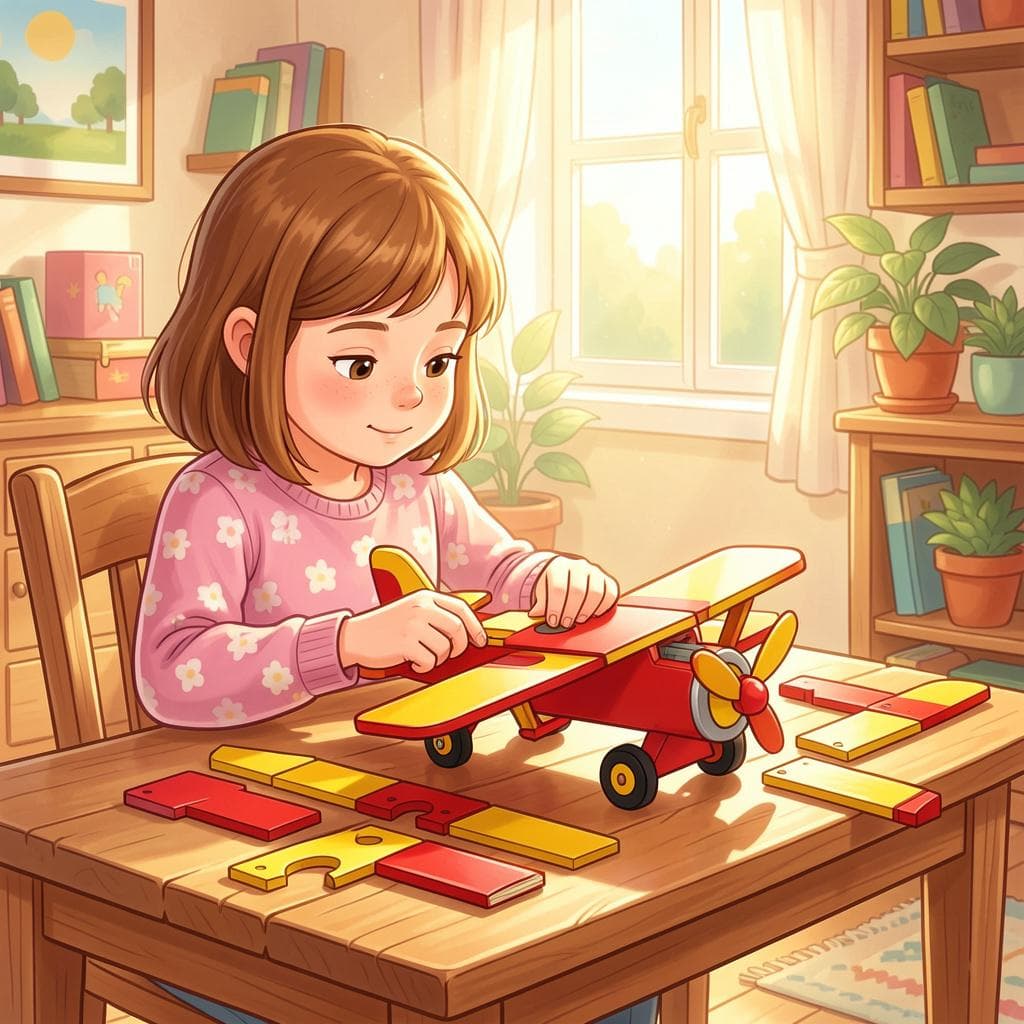
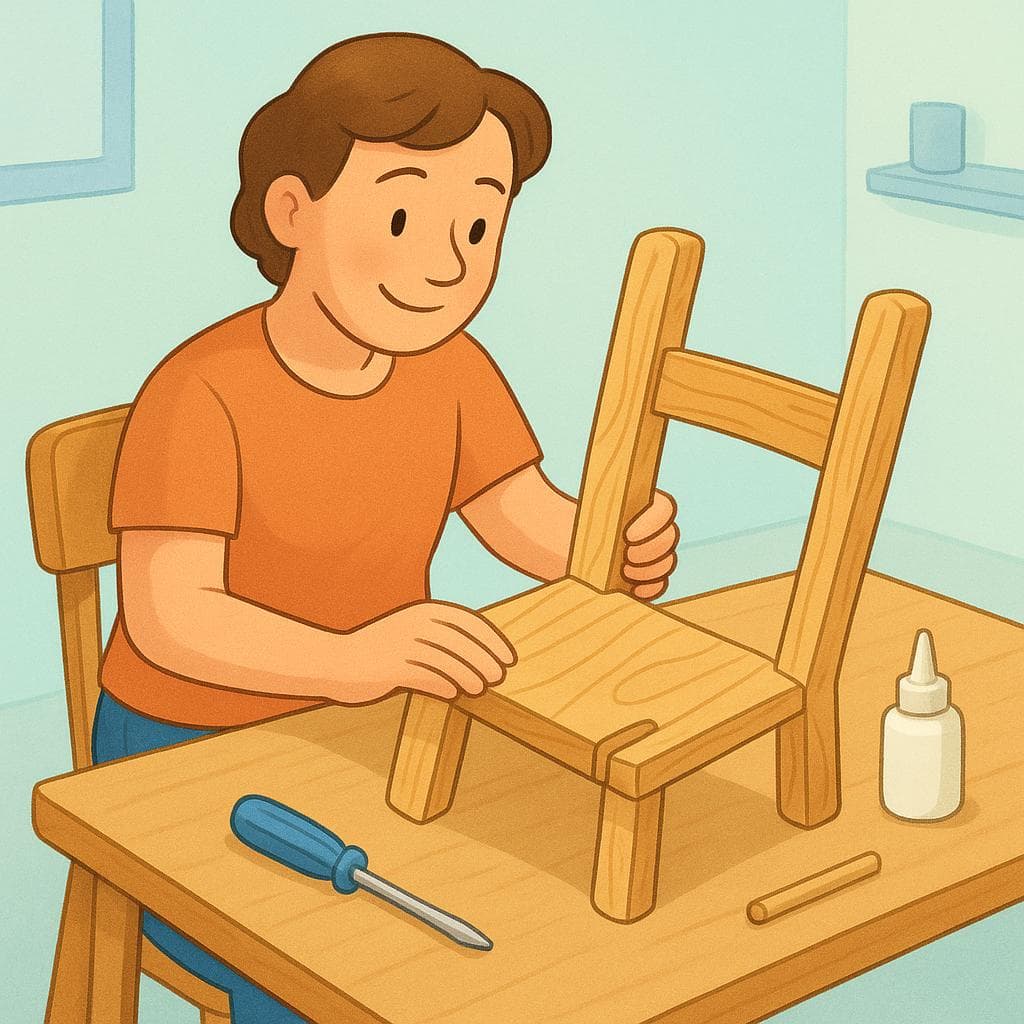
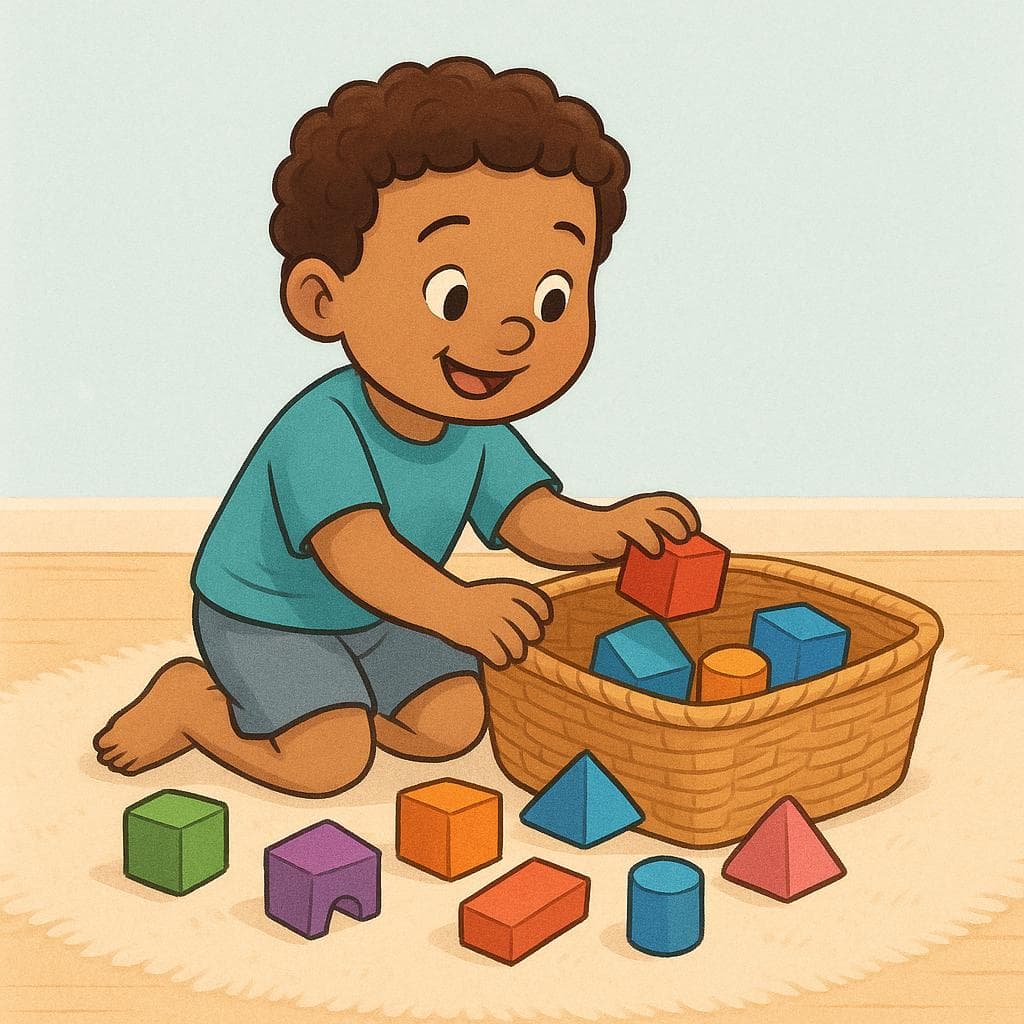
The most common Spanish word for “to assemble” is “armar” — use this verb when you are physically putting together pieces of something, like a puzzle, a toy, or furniture that comes in parts.

armar
ar-MAHRaɾˈmaɾ
Examples
Me gusta armar modelos de aviones en mi tiempo libre.
I like to assemble airplane models in my free time.
Me tomó tres horas armar este rompecabezas.
It took me three hours to assemble this puzzle.
Tenemos que armar la carpa antes de que anochezca.
We have to set up the tent before it gets dark.
Regular AR Pattern
This verb follows the standard rules for verbs ending in 'ar'. No stem changes happen here!
Using 'montar' vs 'armar'
Mistake: “Using 'armar' for riding a horse.”
Correction: Use 'montar' for riding animals or bikes; use 'armar' for putting pieces of an object together.
montar
mon-TARmonˈtaɾ
Examples
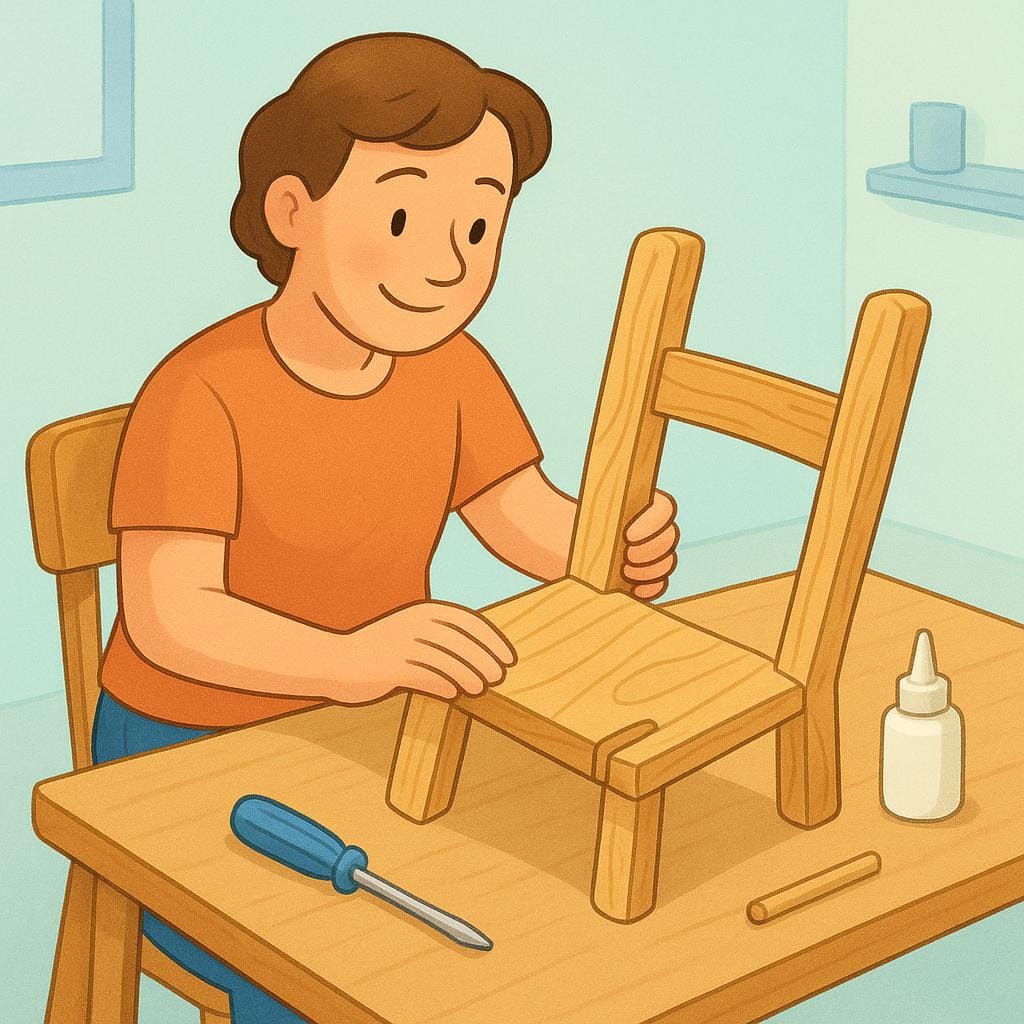
La estantería nueva vino con instrucciones para montarla.
The new bookshelf came with instructions to assemble it.
Necesitamos dos horas para montar la estantería de IKEA.
We need two hours to assemble the IKEA bookshelf.
Si no lees las instrucciones, no podrás montar el dron.
If you don't read the instructions, you won't be able to put together the drone.
The 'Armar' Alternative
In many Latin American countries, 'armar' is used just as frequently as 'montar' to mean 'to assemble' or 'to put together.'
Using 'construir'
Mistake: “Voy a construir la mesa (I am going to construct the table).”
Correction: Voy a montar la mesa. 'Construir' implies creating something from raw materials (like a house), while 'montar' is for pre-made pieces.
reunir
rreh-oo-NEERre.uˈniɾ
Examples
El profesor decidió reunir a los estudiantes para discutir el proyecto.
The professor decided to assemble the students to discuss the project.
El director reunió a todos los empleados en la sala de conferencias.
The director gathered all the employees in the conference room.
Necesito reunir más información antes de tomar una decisión.
I need to collect more information before making a decision.
Nos reuniremos en el parque a las cinco de la tarde.
We will meet up in the park at five in the afternoon.
The Accent Mark Irregularity
In the present tense, you must place an accent mark over the 'u' (reúno, reúnes, etc.). This breaks the 'u' and 'i' apart, making two distinct syllables instead of one blended sound.
The Power of 'Se'
When you add 'se' (reunirse), the verb means the action is happening to the people doing the action. The people are gathering themselves, or meeting each other.
Missing the Accent
Mistake: “Yo reuno”
Correction: Yo reúno. If you omit the accent, it changes the stress and sounds unnatural.
reunirse
rreh-oo-NEER-sehreuˈniɾse

Examples
Vamos a reunirnos en la cafetería después de la clase.
We are going to meet up at the cafe after class.
Nos reuniremos en el café a las tres.
We will meet at the cafe at three o'clock.
Siempre se reúnen para celebrar el Año Nuevo.
They always gather to celebrate New Year's.
¿Cuándo te vas a reunir con el jefe?
When are you going to meet with the boss?
The Reflexive Action
The '-se' at the end means the action reflects back onto the subject. If you use the verb 'reunir' (without -se), it means 'to gather something else,' but 'reunirse' means 'to gather yourselves together.'
The Special Accent
In the present tense (like 'yo me reúno'), the accent over the 'u' is essential. It forces the 'u' and 'i' to be pronounced separately (re-Ú-no), not as a quick glide.
Forgetting the Reflexive Pronoun
Mistake: “Yo reúno con mi familia.”
Correction: Yo ME reúno con mi familia. (You must include 'me, te, se, nos, os, se' before the verb, depending on who is meeting.)
Assembling Objects vs. People
Related Translations
Learn Spanish with Inklingo
Interactive stories, personalized learning, and more.