How to Say "to gather" in Spanish
The most common Spanish word for “to gather” is “juntar” — use 'juntar' when physically bringing two or more separate items together to form a single unit or pile.

Use 'juntar' when physically bringing two or more separate items together to form a single unit or pile.
Learn more →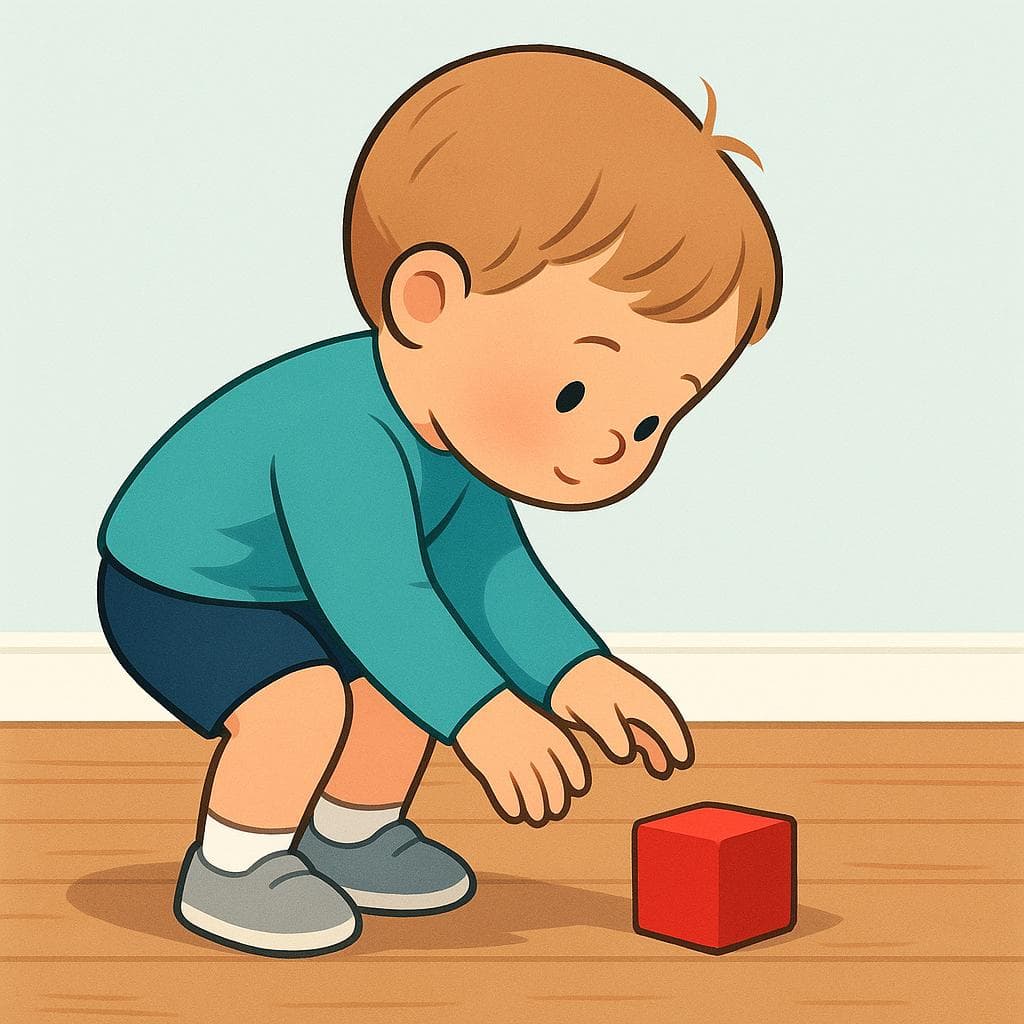
Use 'recoger' to collect scattered items, typically from a surface or the floor, and bring them to one place.
Learn more →
Use 'reunirse' when people are coming together at a specific time and place for a social or formal meeting.
Learn more →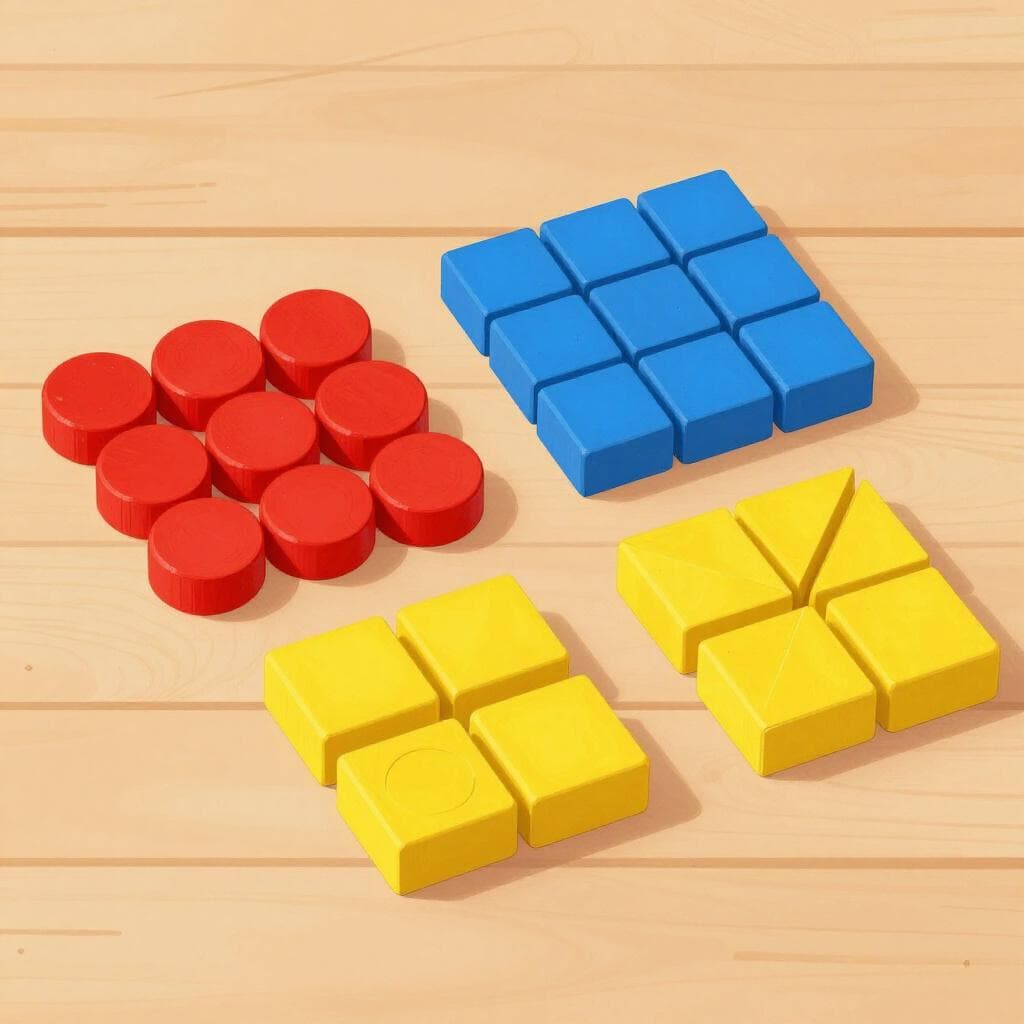
Use 'agrupar' to organize or sort items into distinct categories or groups.
Learn more →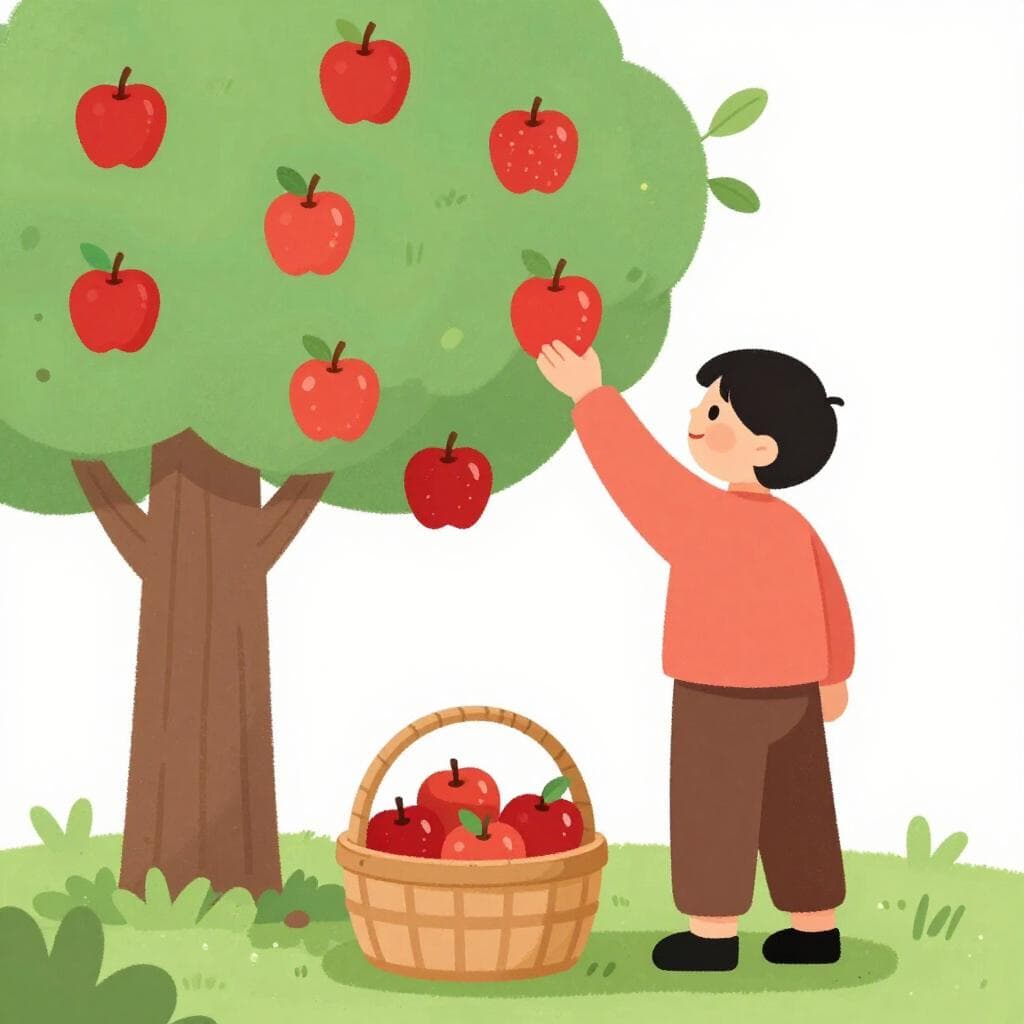
Use 'recolectar' for gathering things that are naturally found or grown, like crops or items from the ground, or for accumulating information/funds.
Learn more →
Use 'concentrar' when bringing resources, attention, or a group of people to a single central point or location.
Learn more →
Use 'deducir' when you infer or understand something based on evidence or clues.
Learn more →
Use 'encontrarse' to indicate that people are meeting each other at a prearranged time and place.
Learn more →
Use 'recaudar' specifically for collecting money or funds for a particular cause or purpose.
Learn more →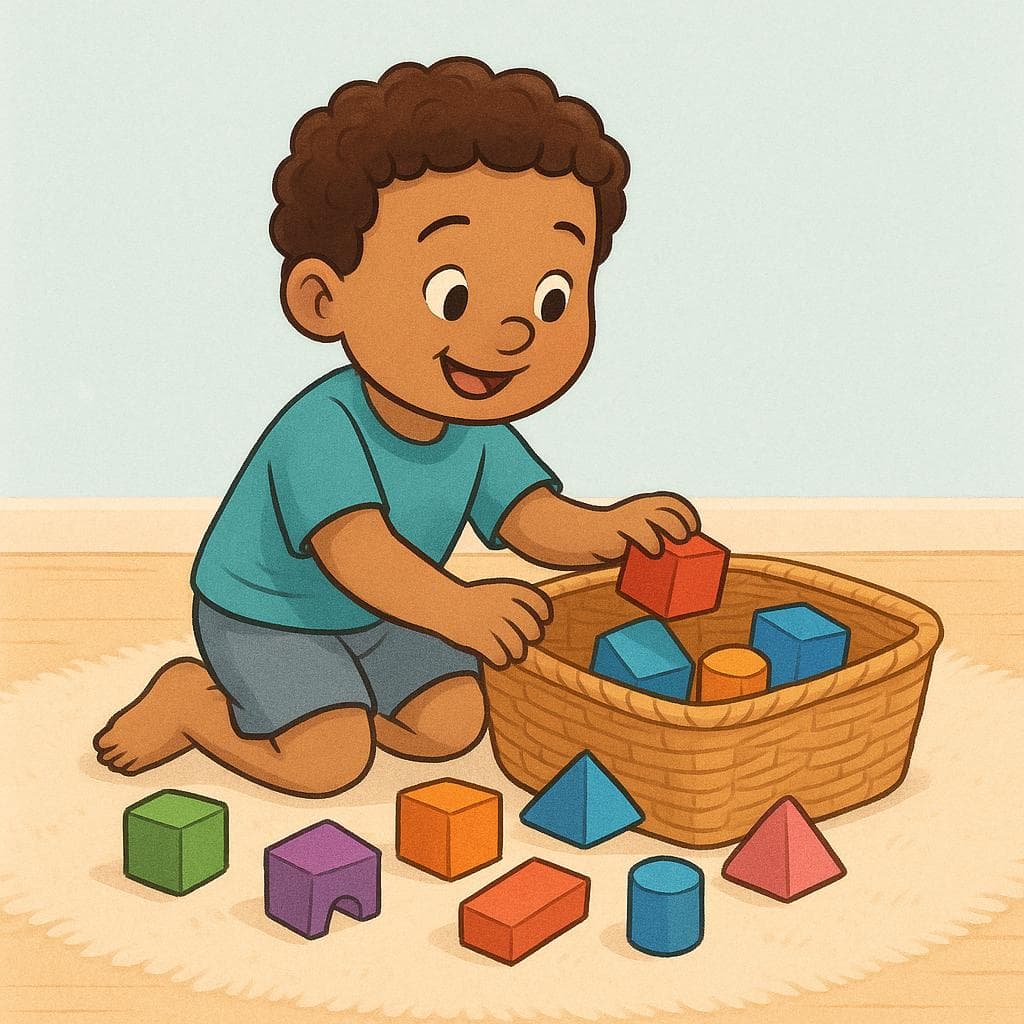
Use 'reunir' when a person in authority or an organizer brings people or things together in one location.
Learn more →
Use 'concurrir' when a large number of people come together in a public space for an event.
Learn more →hoon-TARxunˈtaɾ

Examples
Tienes que juntar las dos piezas para arreglarlo.
You have to join the two pieces to fix it.
Por favor, junta tus juguetes antes de dormir.
Please, put your toys together before going to sleep.
Juntamos todas las sillas en el centro de la sala.
We gathered all the chairs in the center of the room.
Using 'juntar' with objects
Use this word when you are physically moving objects into the same place or making them touch.
Juntar vs. Unir
Mistake: “Using 'unir' for picking up toys.”
Correction: Use 'juntar' for gathering items; 'unir' often implies a permanent bond or a deeper connection, like 'unir fuerzas' (joining forces).
reh-koh-HERreˈko.xeɾ
Examples
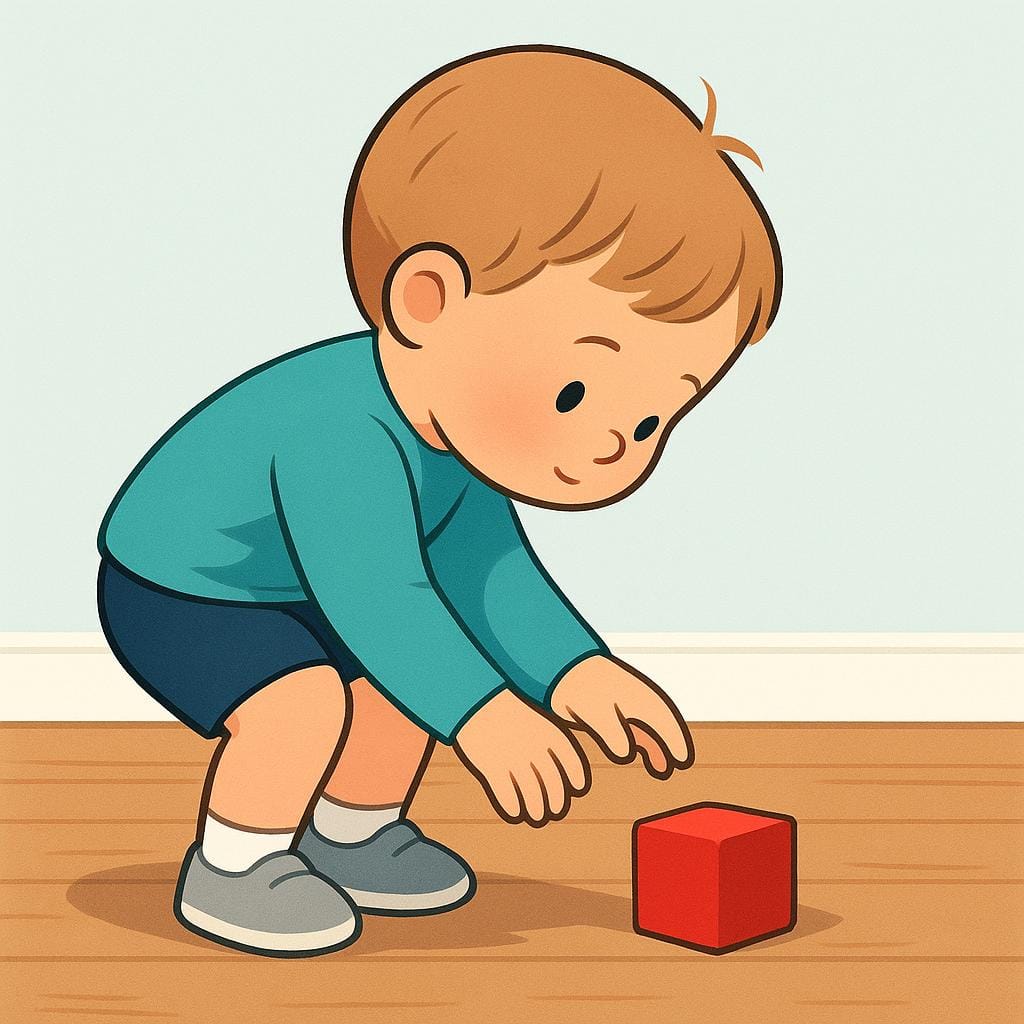
Por favor, recoge los juguetes antes de la cena.
Please pick up the toys before dinner.
Recogimos fresas en el campo esta mañana.
We gathered strawberries in the field this morning.
Spelling Change (G to J)
In the 'yo' form of the present tense ('recojo') and throughout the special wish/command forms (subjunctive), the 'g' changes to a 'j' to keep the consistent 'kh' sound.
rreh-oo-NEER-sehreuˈniɾse

Examples
Nos reuniremos en el café a las tres.
We will meet at the cafe at three o'clock.
Siempre se reúnen para celebrar el Año Nuevo.
They always gather to celebrate New Year's.
¿Cuándo te vas a reunir con el jefe?
When are you going to meet with the boss?
The Reflexive Action
The '-se' at the end means the action reflects back onto the subject. If you use the verb 'reunir' (without -se), it means 'to gather something else,' but 'reunirse' means 'to gather yourselves together.'
The Special Accent
In the present tense (like 'yo me reúno'), the accent over the 'u' is essential. It forces the 'u' and 'i' to be pronounced separately (re-Ú-no), not as a quick glide.
Forgetting the Reflexive Pronoun
Mistake: “Yo reúno con mi familia.”
Correction: Yo ME reúno con mi familia. (You must include 'me, te, se, nos, os, se' before the verb, depending on who is meeting.)
ah-groo-PARa.ɣɾuˈpaɾ

Examples
Debemos agrupar los libros por colores.
We should group the books by color.
El profesor agrupó a los alumnos en parejas.
The teacher grouped the students into pairs.
El programa puede agrupar automáticamente los archivos similares.
The program can automatically group similar files.
Using 'Por' vs 'En'
Use 'por' when grouping by a criterion (e.g., 'por tamaño' - by size) and 'en' when grouping into physical units (e.g., 'en tres filas' - in three rows).
Transitive Use
When 'agrupar' is used to talk about people, you must use the 'personal a' (e.g., 'agrupar a los niños').
Using the wrong preposition
Mistake: “Agrupar los libros con categorías.”
Correction: Agrupar los libros por categorías. (Use 'por' to indicate the method of sorting).
rre-ko-lek-TARrekolekˈtaɾ

Examples
Es el momento de recolectar las uvas para el vino.
It is time to harvest the grapes for the wine.
Los niños recolectan conchas en la orilla del mar.
The children gather shells on the seashore.
Si recolectamos el trigo ahora, la calidad será excelente.
If we harvest the wheat now, the quality will be excellent.
La organización recolectó fondos para las víctimas del terremoto.
The organization collected funds for the earthquake victims.
It's a Regular Jo
This verb follows the standard rules for -ar verbs. If you know how to conjugate 'hablar', you know how to conjugate 'recolectar'!
Action vs. Result
Use this word when you want to focus on the systematic act of picking multiple things up, like berries in a basket.
Systematic Gathering
This verb implies a process. You aren't just finding something; you are actively seeking and accumulating it.
Choosing the wrong word for 'Pick up'
Mistake: “Voy a recolectar el teléfono.”
Correction: Voy a recoger el teléfono. Use 'recoger' for picking up a single dropped object; 'recolectar' is for gathering many things together.
Confusing 'recaudar' and 'recolectar'
Mistake: “El gobierno va a recolectar impuestos.”
Correction: El gobierno va a recaudar impuestos. Use 'recaudar' specifically for official tax collection or formal fundraising.
kon-sen-TRARkon.senˈtɾaɾ

Examples
El gobierno decidió concentrar los recursos en la capital.
The government decided to gather/center the resources in the capital.
Tienes que concentrar el jugo hirviéndolo un poco más.
You have to condense the juice by boiling it a bit longer.
La policía concentró a la multitud en la plaza.
The police gathered the crowd in the square.
Moving things vs. Focusing minds
When you are the one moving objects or people to a center, you do NOT use the 'me/te/se' words. Only use them for your own mental focus.
Adding 'se' unnecessarily
Mistake: “El chef se concentró la salsa.”
Correction: El chef concentró la salsa. (The chef didn't focus his mind on the sauce; he physically thickened it).
deh-doo-theerdeðuˈθiɾ

Examples
Por su cara, pude deducir que estaba muy cansado.
From his face, I could gather that he was very tired.
Es difícil deducir lo que pasó sin tener pruebas.
It's hard to deduce what happened without having evidence.
¿Qué deduces de esta situación?
What do you infer from this situation?
The 'c' to 'j' swap
When talking about the past (completed actions), the 'c' in deducir changes to a 'j'. For example, 'I deduced' is 'Yo deduje', not 'deducí'.
The 'z' in the Present
When saying 'I deduce' (Present tense), we add a 'z' before the 'c' to keep the sound right: 'Yo deduzco'.
Avoid 'dedujieron'
Mistake: “Ellos dedujieron que era tarde.”
Correction: Ellos dedujeron que era tarde. (When using 'j' in the past for verbs ending in -ducir, the 'i' in the 'ieron' ending disappears.)
en-kohn-TRAR-sehenkonˈtɾaɾse

Examples
Nos encontramos en la cafetería a las 3:00 p.m.
We are meeting (each other) at the cafeteria at 3:00 p.m.
Ayer se encontraron con su viejo profesor en el supermercado.
Yesterday they ran into their old professor at the supermarket.
Espero encontrarme contigo pronto.
I hope to meet up with you soon.
Reciprocal Action
When used in the plural (nosotros, ellos), 'encontrarse' usually means 'to meet each other'. The reciprocal pronoun (nos, se) shows that the action goes both ways.
Using 'encontrar' instead of 'encontrarse'
Mistake: “Vamos a encontrar en el cine. (We are going to find in the cinema.)”
Correction: Vamos a encontrarnos en el cine. (We are going to meet in the cinema.) 'Encontrar' means 'to find a thing', while 'encontrarse' means 'to meet a person' or 'to be located'.
rreh-kow-darrekauˈðar

Examples
Queremos recaudar dinero para el refugio de animales.
We want to raise money for the animal shelter.
El gobierno recauda impuestos cada mes.
The government collects taxes every month.
Han logrado recaudar más de un millón de euros.
They have managed to raise more than a million euros.
Using the word directly
You don't need a word like 'for' between the verb and the money. You simply 'recaudar dinero' (raise money).
It's all about the money
Unlike the English word 'collect,' Spanish 'recaudar' is almost exclusively used for money, taxes, or donations, not hobbies or physical objects.
Don't use it for hobbies
Mistake: “Recaudo sellos en mi tiempo libre.”
Correction: Colecciono sellos en mi tiempo libre. Use 'coleccionar' for hobbies and 'recaudar' for gathering money.
rreh-oo-NEERre.uˈniɾ
Examples
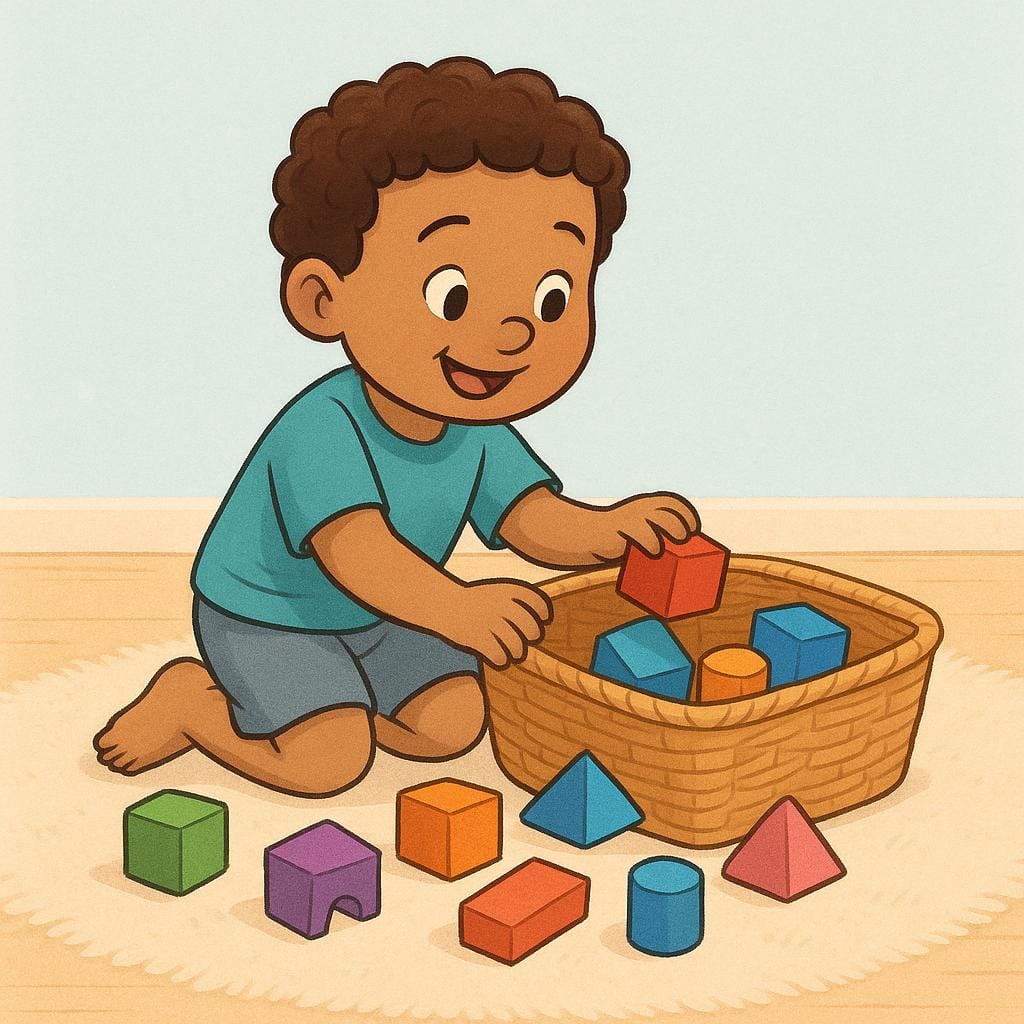
El director reunió a todos los empleados en la sala de conferencias.
The director gathered all the employees in the conference room.
Necesito reunir más información antes de tomar una decisión.
I need to collect more information before making a decision.
The Accent Mark Irregularity
In the present tense, you must place an accent mark over the 'u' (reúno, reúnes, etc.). This breaks the 'u' and 'i' apart, making two distinct syllables instead of one blended sound.
Missing the Accent
Mistake: “Yo reuno”
Correction: Yo reúno. If you omit the accent, it changes the stress and sounds unnatural.
kon-koo-reerkonkuˈrir

Examples
Mucha gente concurrió a la plaza para ver el concierto.
Many people gathered at the plaza to see the concert.
Es obligatorio concurrir a la oficina para firmar el contrato.
It is mandatory to attend the office to sign the contract.
Miles de fieles concurren cada año al santuario.
Thousands of the faithful gather every year at the sanctuary.
Using 'a' with Place
When you use this word to mean 'to go to' or 'to attend,' you almost always need to put the little word 'a' before the destination.
Formal Attendance
While 'asistir' is the common way to say 'attend,' this word implies a more formal or massive gathering of people.
Don't use it for 'Agreeing'
Mistake: “Yo concurro con tu opinión.”
Correction: Estoy de acuerdo con tu opinión. (While 'concurrir' can technically mean to coincide, it's rarely used to simply mean 'I agree' in daily Spanish).
Meeting vs. Collecting
The most common confusion is between verbs like 'reunir(se)', 'juntar', and 'agrupar'. Remember that 'reunir(se)' is for people coming together, 'juntar' is for physically combining items, and 'agrupar' is for sorting items into categories.
Related Translations
Learn Spanish with Inklingo
Interactive stories, personalized learning, and more.