How to Say "to harvest" in Spanish
The most common Spanish word for “to harvest” is “recoger” — use 'recoger' when referring to the general act of picking up or gathering things, especially fruits or small crops by hand, or even toys.
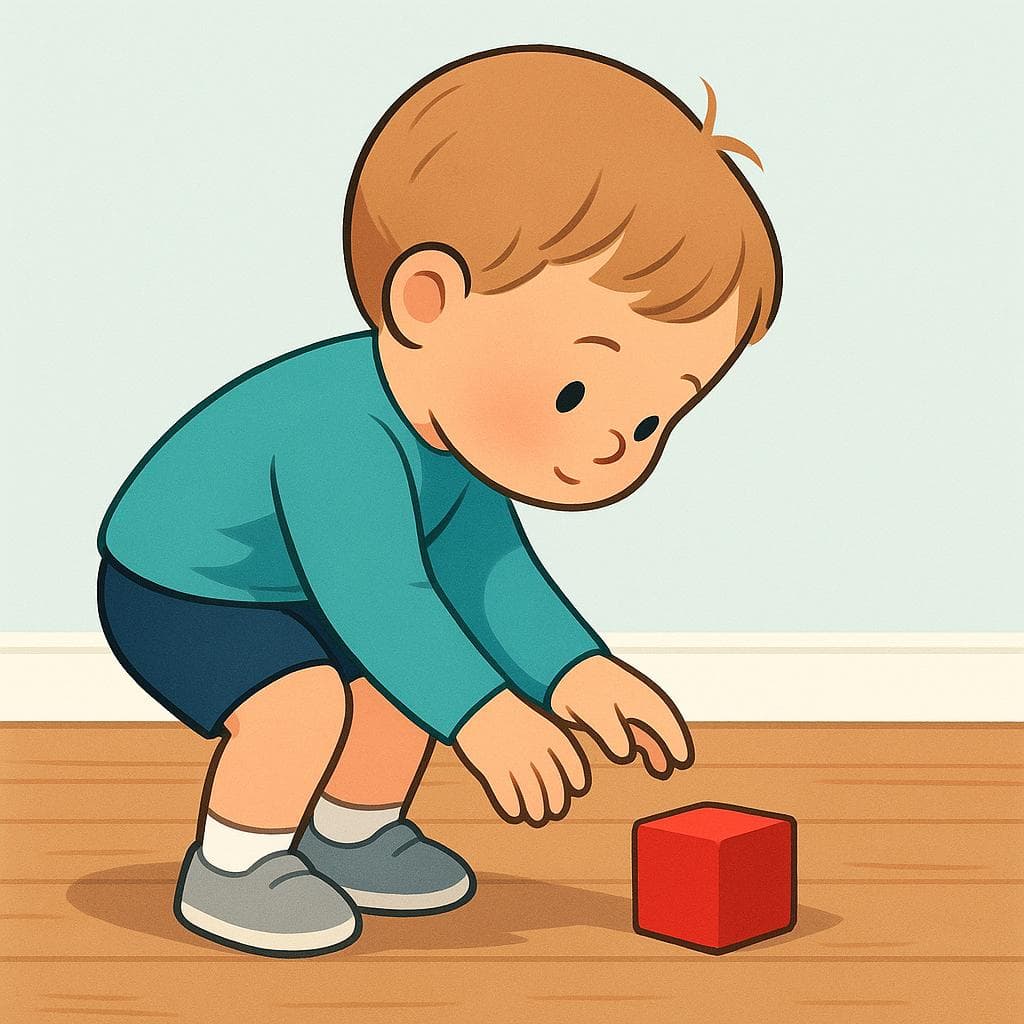
Use 'recoger' when referring to the general act of picking up or gathering things, especially fruits or small crops by hand, or even toys.
Learn more →
This is the most common verb for 'to harvest' specifically in the context of agriculture and large-scale crop production.
Learn more →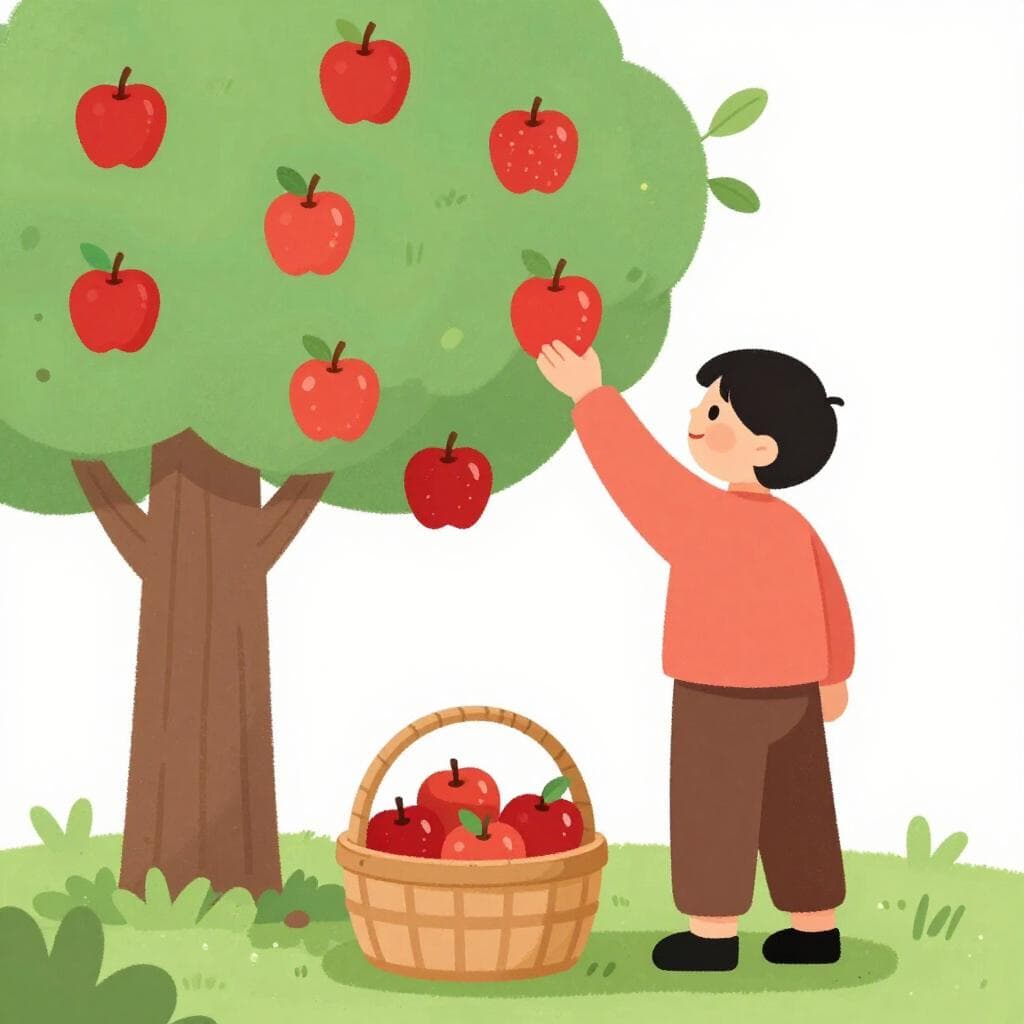
Use 'recolectar' when emphasizing the act of gathering or collecting crops or fruits, often implying a process of accumulation.
Learn more →reh-koh-HERreˈko.xeɾ
Examples
Recogimos las manzanas del árbol.
We picked the apples from the tree.
Por favor, recoge los juguetes antes de la cena.
Please pick up the toys before dinner.
Recogimos fresas en el campo esta mañana.
We gathered strawberries in the field this morning.
Spelling Change (G to J)
In the 'yo' form of the present tense ('recojo') and throughout the special wish/command forms (subjunctive), the 'g' changes to a 'j' to keep the consistent 'kh' sound.
ko-seh-CHARkoseˈt͡ʃaɾ

Examples
Los agricultores cosechan el maíz en septiembre.
The farmers harvest the corn in September.
Es hora de cosechar las manzanas del huerto.
It is time to pick the apples from the orchard.
Si no cuidas las plantas, no podrás cosechar nada.
If you don't take care of the plants, you won't be able to harvest anything.
A Regular -ar Verb
This verb follows the standard pattern for verbs ending in -ar. If you know how to conjugate 'hablar', you already know how to conjugate 'cosechar'!
Direct Action
This verb usually needs an object—something that is being harvested—like 'trigo' (wheat) or 'éxito' (success).
Cosechar vs. Recoger
Mistake: “Using 'recoger' for gathering crops on a farm.”
Correction: Use 'cosechar' when referring to the specific agricultural act of gathering what was planted. Use 'recoger' for simply picking something up off the floor.
rre-ko-lek-TARrekolekˈtaɾ

Examples
Es el momento de recolectar las uvas para el vino.
It is time to harvest the grapes for the wine.
Los niños recolectan conchas en la orilla del mar.
The children gather shells on the seashore.
Si recolectamos el trigo ahora, la calidad será excelente.
If we harvest the wheat now, the quality will be excellent.
It's a Regular Jo
This verb follows the standard rules for -ar verbs. If you know how to conjugate 'hablar', you know how to conjugate 'recolectar'!
Action vs. Result
Use this word when you want to focus on the systematic act of picking multiple things up, like berries in a basket.
Choosing the wrong word for 'Pick up'
Mistake: “Voy a recolectar el teléfono.”
Correction: Voy a recoger el teléfono. Use 'recoger' for picking up a single dropped object; 'recolectar' is for gathering many things together.
Harvesting vs. Picking Up
Learners often confuse 'cosechar' and 'recolectar' with 'recoger'. While 'recoger' can mean to gather, it's much more general and can apply to picking up toys or belongings. Reserve 'cosechar' for agricultural contexts and 'recolectar' for the specific act of gathering crops or fruits.
Related Translations
Learn Spanish with Inklingo
Interactive stories, personalized learning, and more.