How to Say "to pick" in Spanish
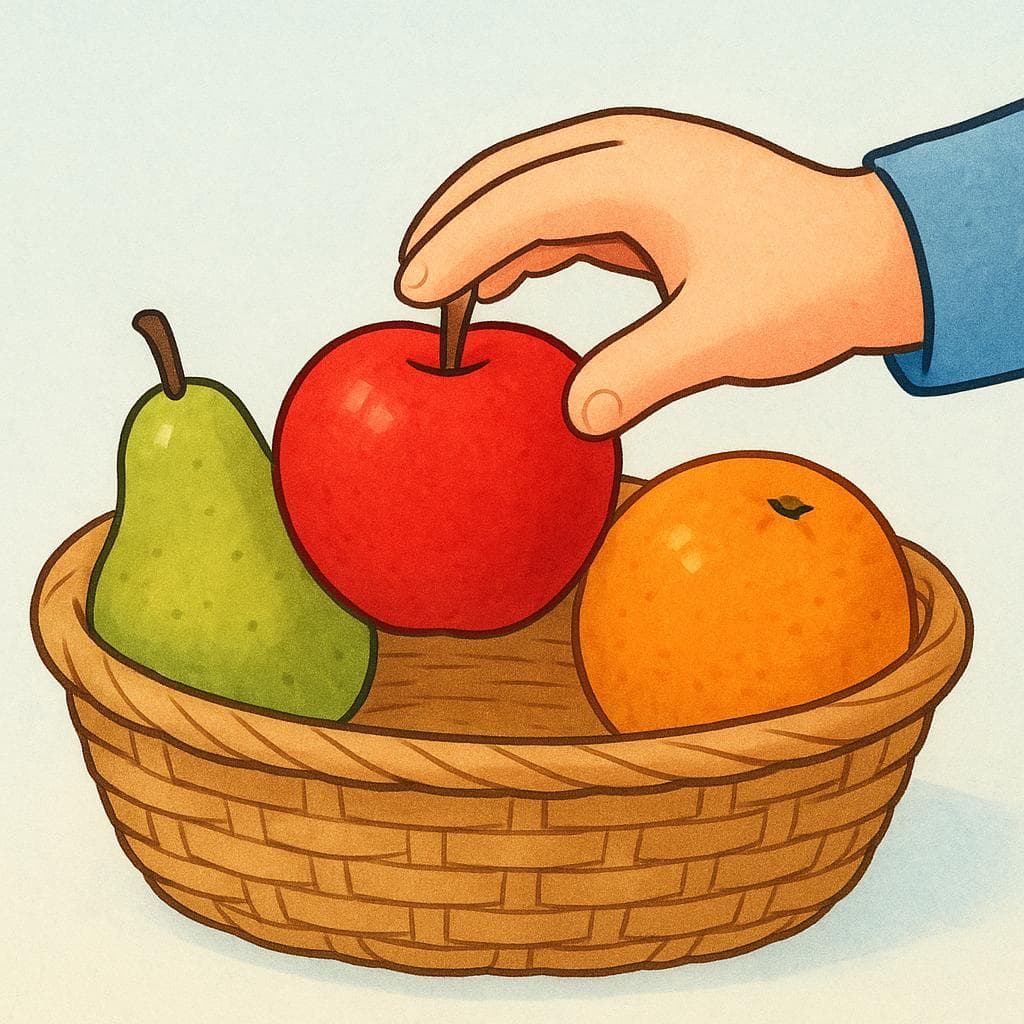
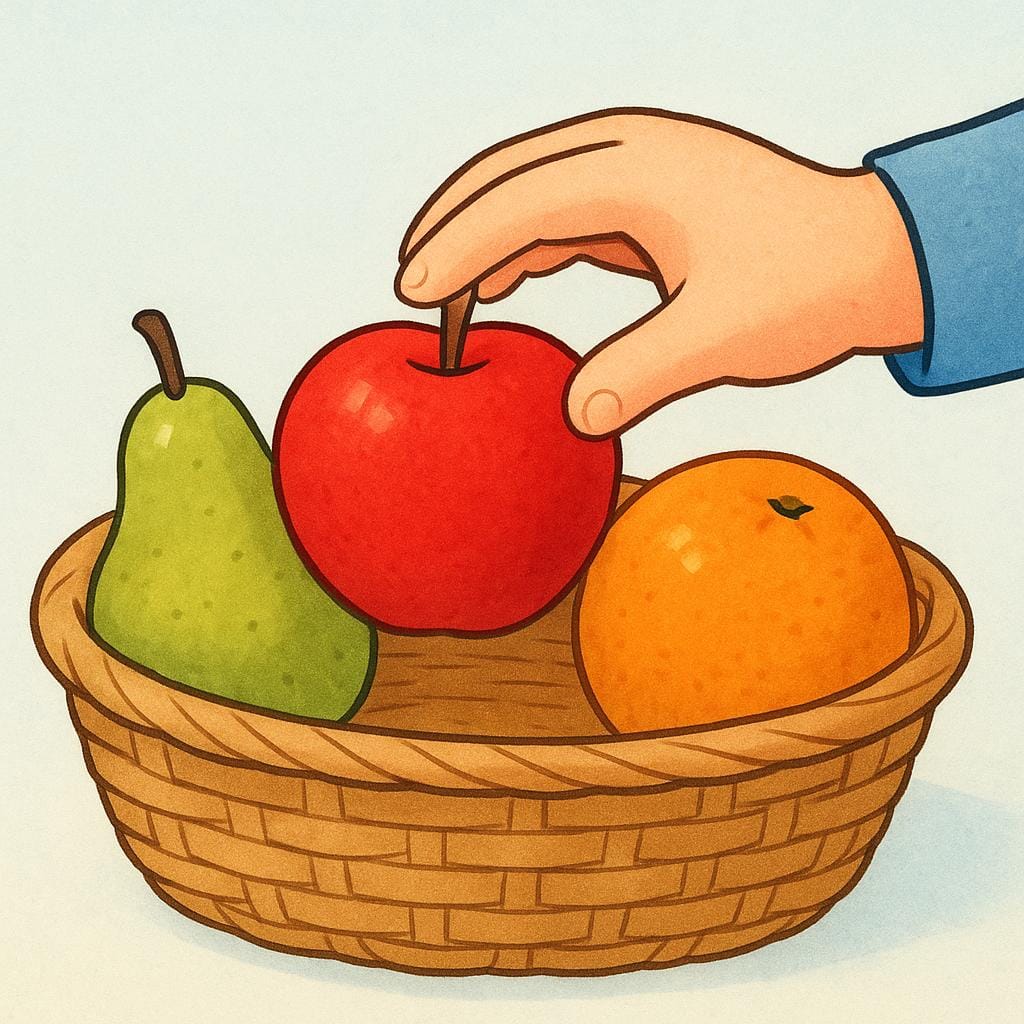
The most common Spanish word for “to pick” is “elegir” — use 'elegir' when you are selecting or choosing one option from a set of possibilities, like picking a dessert or a winner.


elegir
eh-leh-HEERe.leˈxiɾ
Examples
¿Qué postre vas a elegir?
Which dessert are you going to choose?
Ella siempre elige el camino más difícil.
She always chooses the most difficult path.
Elegimos este color para la sala.
We selected this color for the living room.
The 'Yo' Form Exception
In the present tense, the 'yo' form changes its spelling from 'elegir' to 'elijo'. The 'g' turns into a 'j' to keep the sound consistent across all verb forms.
Vowel Change (e → i)
This verb is a 'boot verb' that shortens the vowel 'e' to 'i' in many forms, including the gerund ('eligiendo') and the preterite 3rd person ('él/ella eligió').
Missing the 'J' change
Mistake: “Yo elego (like a regular verb).”
Correction: Say 'Yo elijo'. Remember, the 'g' needs to change to a 'j' when it comes before an 'o' or an 'a' sound.
cosechar
ko-seh-CHARkoseˈt͡ʃaɾ

Examples
Los agricultores cosechan el maíz en septiembre.
The farmers harvest the corn in September.
Es hora de cosechar las manzanas del huerto.
It is time to pick the apples from the orchard.
Si no cuidas las plantas, no podrás cosechar nada.
If you don't take care of the plants, you won't be able to harvest anything.
A Regular -ar Verb
This verb follows the standard pattern for verbs ending in -ar. If you know how to conjugate 'hablar', you already know how to conjugate 'cosechar'!
Direct Action
This verb usually needs an object—something that is being harvested—like 'trigo' (wheat) or 'éxito' (success).
Cosechar vs. Recoger
Mistake: “Using 'recoger' for gathering crops on a farm.”
Correction: Use 'cosechar' when referring to the specific agricultural act of gathering what was planted. Use 'recoger' for simply picking something up off the floor.
hurgar
oor-GAHRuɾˈɣaɾ

Examples
No te hurgues la nariz en público.
Don't pick your nose in public.
Hurgué en mi mochila pero no encontré las llaves.
I rummaged through my backpack but I didn't find the keys.
El niño hurgaba la tierra con un palo.
The boy was poking at the dirt with a stick.
The Spelling Change Rule
In the 'I' past form (yo hurgué) and whenever the ending starts with an 'e', the 'g' becomes 'gu' to keep the hard sound like in 'guitar'.
Using the word 'en'
When you are searching through something, you usually need to follow the verb with 'en' (e.g., hurgar en el cajón).
Spelling the 'yo' form wrong
Mistake: “Yo hurgé.”
Correction: Yo hurgué. Without the 'u', the 'g' would sound like an 'h'!
Choosing Between 'Elegir' and 'Cosechar'
Related Translations
Learn Spanish with Inklingo
Interactive stories, personalized learning, and more.