cosechar
“cosechar” means “to harvest” in Spanish. It has 2 different meanings depending on context:


to harvest
Also: to reap, to pick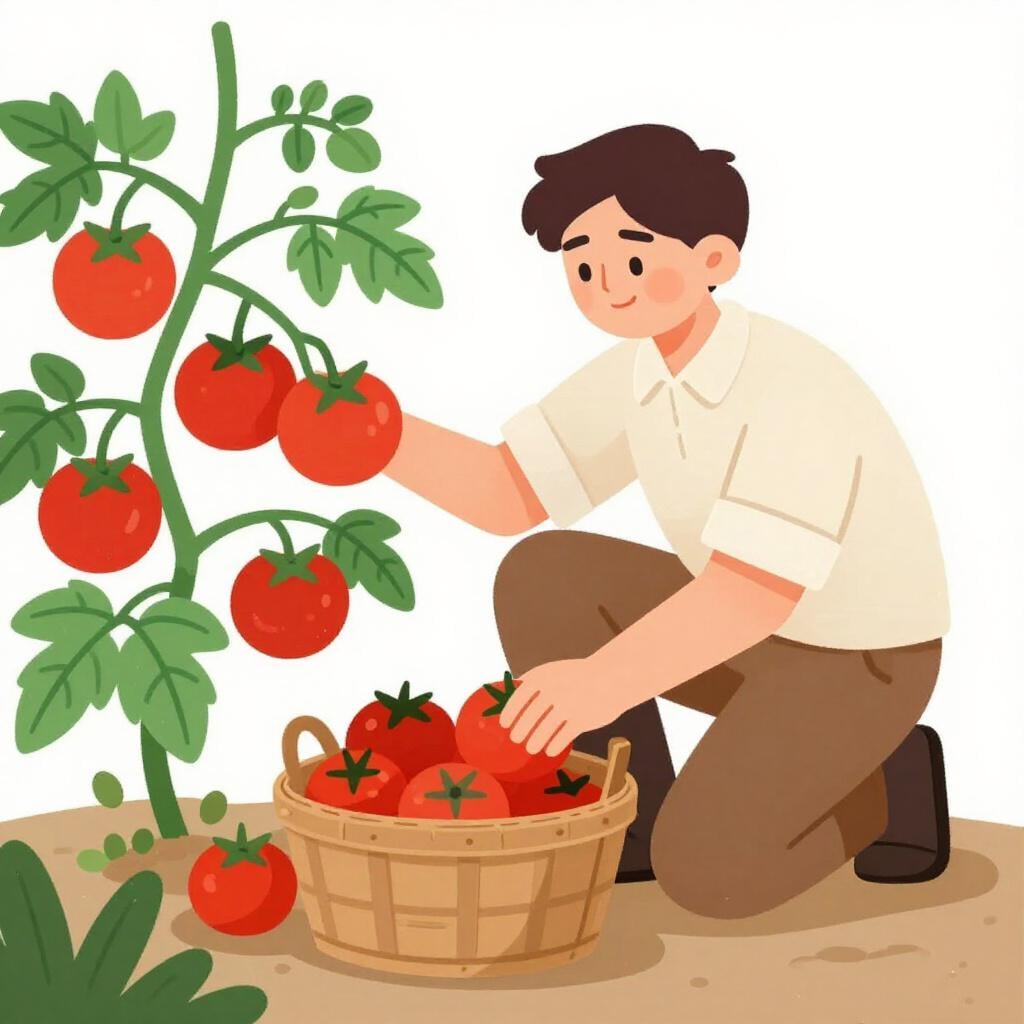
📝 In Action
Los agricultores cosechan el maíz en septiembre.
A1The farmers harvest the corn in September.
Es hora de cosechar las manzanas del huerto.
A2It is time to pick the apples from the orchard.
Si no cuidas las plantas, no podrás cosechar nada.
B1If you don't take care of the plants, you won't be able to harvest anything.
to reap
Also: to earn, to achieve
📝 In Action
Ella ha cosechado muchos éxitos en su carrera profesional.
B1She has achieved many successes in her professional career.
Su nueva película cosechó muy buenas críticas.
B2His new movie earned very good reviews.
Cosecharás lo que siembres.
B2You will reap what you sow.
Subjunctive
Imperfect Subjunctive
Present Subjunctive
Indicative
Preterite
Imperfect
Present
Translate to Spanish
✏️ Quick Practice
Quick Quiz: cosechar
Question 1 of 3
Which verb is the opposite of 'cosechar' (to harvest)?
📚 More Resources
👥 Word Family▼
📚 Etymology▼
From the Spanish noun 'cosecha', which comes from the Latin word 'collecta', meaning 'a collection' or 'things gathered together'.
First recorded: 13th century
Cognates (Related words)
💡 Master Spanish
Take your Spanish to the next level. Read 200+ illustrated and narrated Spanish stories tailored to your level with the Inklingo app!
Frequently Asked Questions
Is 'cosechar' a regular verb?
Yes, it is a perfectly regular -ar verb, meaning it follows all the standard conjugation rules.
Can I use 'cosechar' for picking a single flower?
It's better to use 'arrancar' or 'cortar' for one flower. 'Cosechar' implies a larger scale gathering of things you have grown.
What is the difference between 'recolectar' and 'cosechar'?
They are very similar. 'Cosechar' is specifically about crops you planted. 'Recolectar' can be used for crops, but also for things like data, donations, or trash.