How to Say "to collect" in Spanish
The most common Spanish word for “to collect” is “juntar” — use 'juntar' when you need to bring things together or gather them physically, often to form a single unit or group.

Use 'juntar' when you need to bring things together or gather them physically, often to form a single unit or group.
Learn more →
Use 'recaudar' specifically when collecting money for a cause, such as taxes, donations, or fees.
Learn more →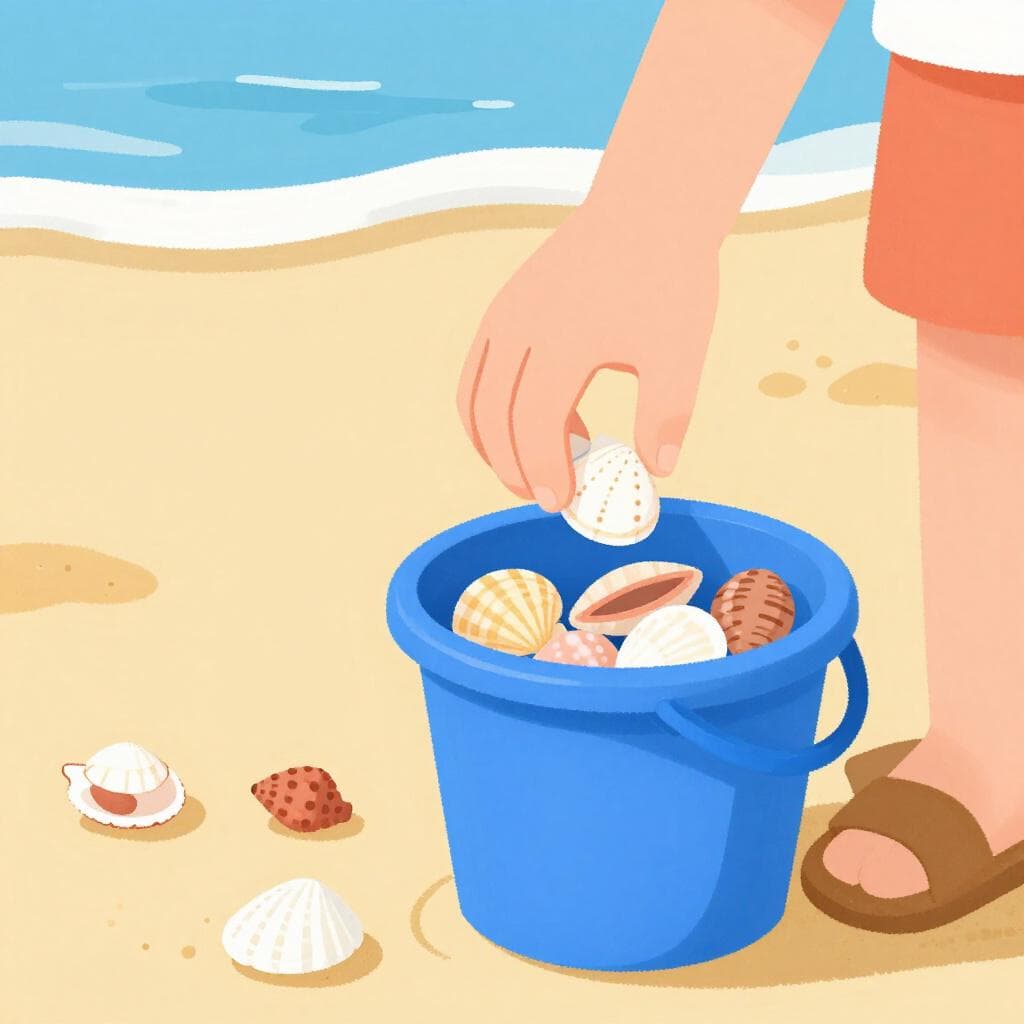
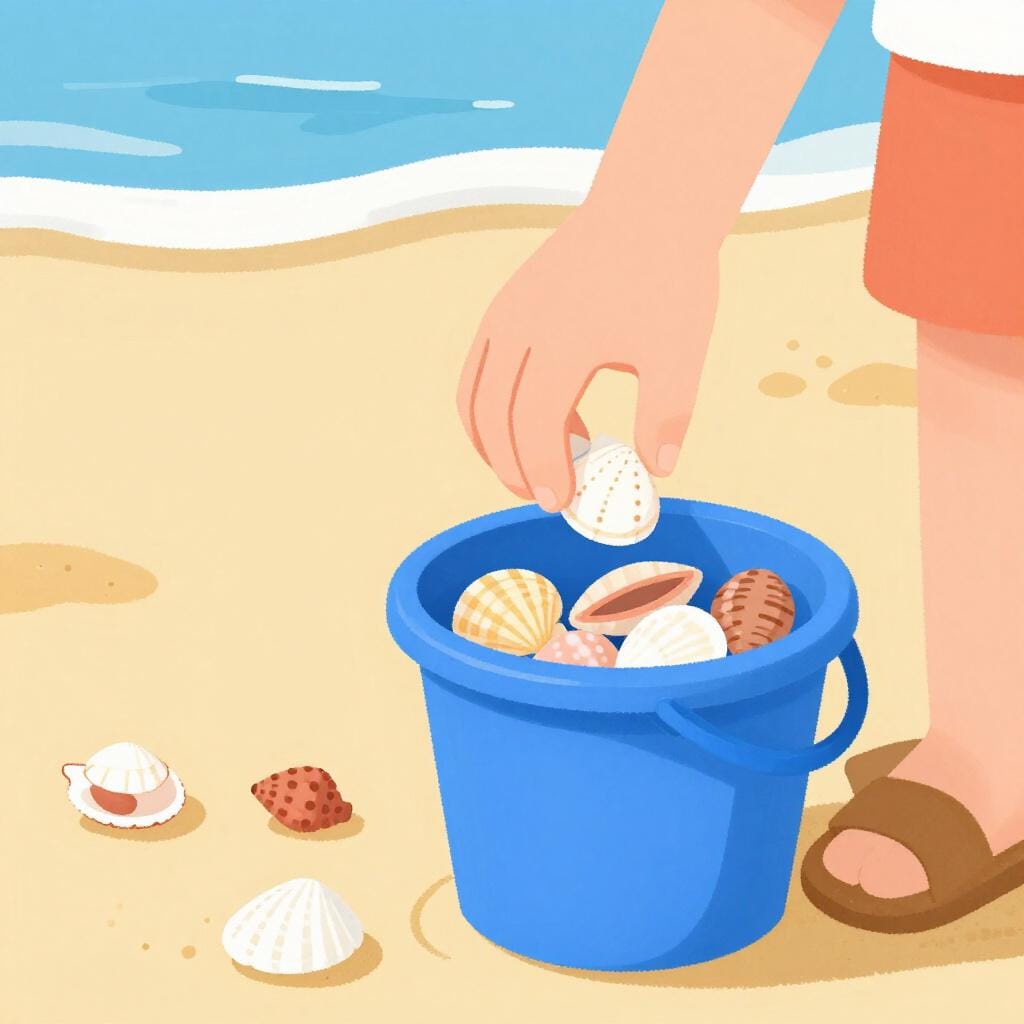
Use 'recolectar' when gathering items, data, or signatures, often for a specific purpose or project.
Learn more →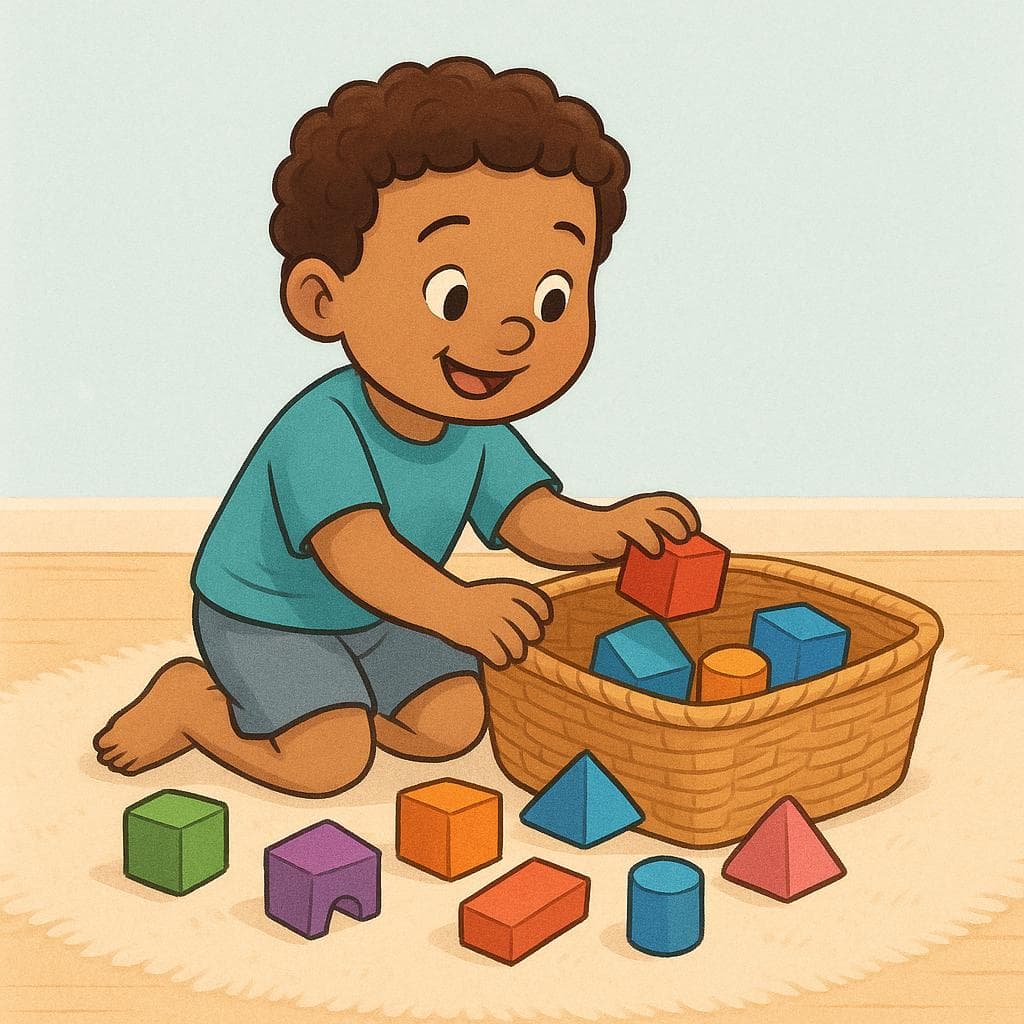
Use 'reunir' when bringing people or items together into one place or group, implying assembly.
Learn more →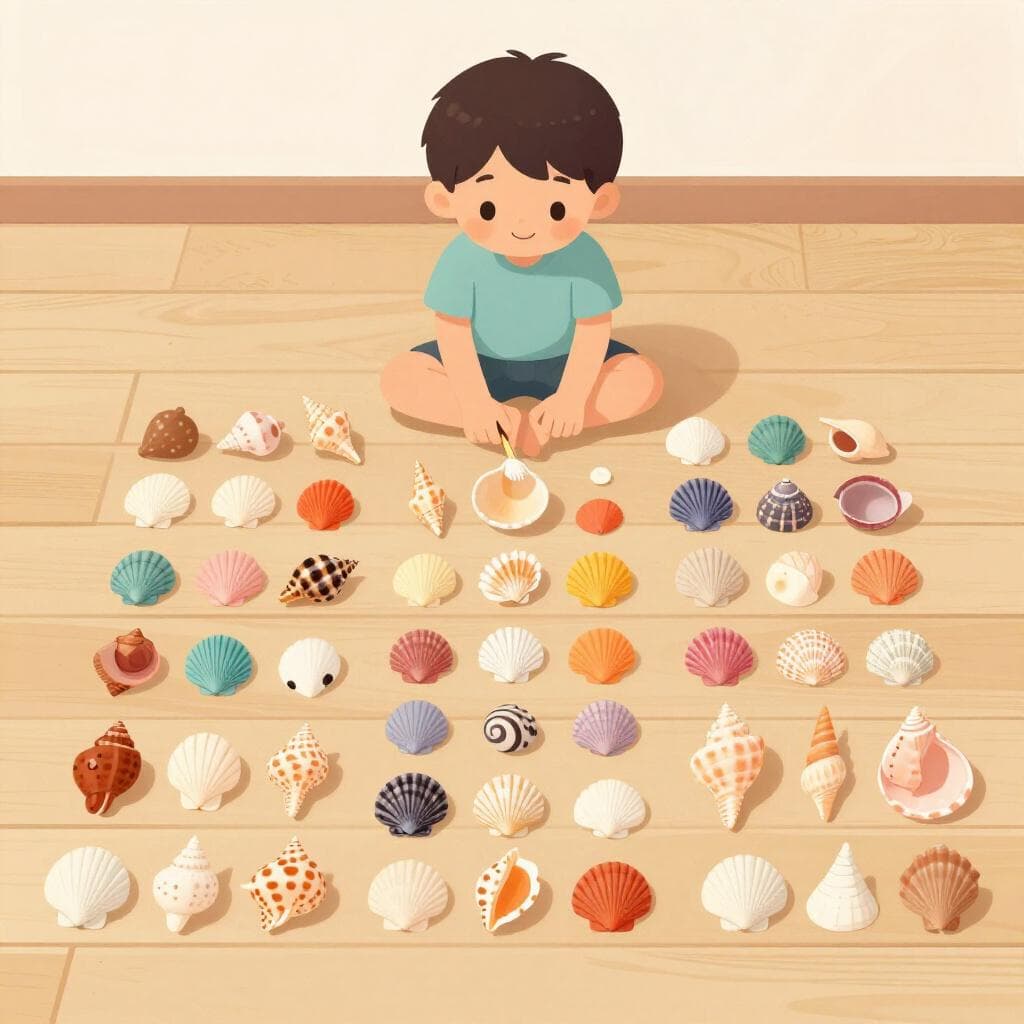
Use 'coleccionar' when gathering items over time as a hobby or for a specific collection, like stamps or art.
Learn more →
Use 'percibir' when receiving or collecting a payment, salary, or income.
Learn more →hoon-TARxunˈtaɾ

Examples
Tienes que juntar las dos piezas para arreglarlo.
You have to join the two pieces to fix it.
Por favor, junta tus juguetes antes de dormir.
Please, put your toys together before going to sleep.
Juntamos todas las sillas en el centro de la sala.
We gathered all the chairs in the center of the room.
Using 'juntar' with objects
Use this word when you are physically moving objects into the same place or making them touch.
Juntar vs. Unir
Mistake: “Using 'unir' for picking up toys.”
Correction: Use 'juntar' for gathering items; 'unir' often implies a permanent bond or a deeper connection, like 'unir fuerzas' (joining forces).
rreh-kow-darrekauˈðar

Examples
Queremos recaudar dinero para el refugio de animales.
We want to raise money for the animal shelter.
El gobierno recauda impuestos cada mes.
The government collects taxes every month.
Han logrado recaudar más de un millón de euros.
They have managed to raise more than a million euros.
Using the word directly
You don't need a word like 'for' between the verb and the money. You simply 'recaudar dinero' (raise money).
It's all about the money
Unlike the English word 'collect,' Spanish 'recaudar' is almost exclusively used for money, taxes, or donations, not hobbies or physical objects.
Don't use it for hobbies
Mistake: “Recaudo sellos en mi tiempo libre.”
Correction: Colecciono sellos en mi tiempo libre. Use 'coleccionar' for hobbies and 'recaudar' for gathering money.
rre-ko-lek-TARrekolekˈtaɾ
Examples
La organización recolectó fondos para las víctimas del terremoto.
The organization collected funds for the earthquake victims.
Estamos recolectando firmas para salvar el parque.
We are collecting signatures to save the park.
El software recolecta información sobre el tráfico.
The software gathers information about traffic.
Systematic Gathering
This verb implies a process. You aren't just finding something; you are actively seeking and accumulating it.
Confusing 'recaudar' and 'recolectar'
Mistake: “El gobierno va a recolectar impuestos.”
Correction: El gobierno va a recaudar impuestos. Use 'recaudar' specifically for official tax collection or formal fundraising.
rreh-oo-NEERre.uˈniɾ
Examples
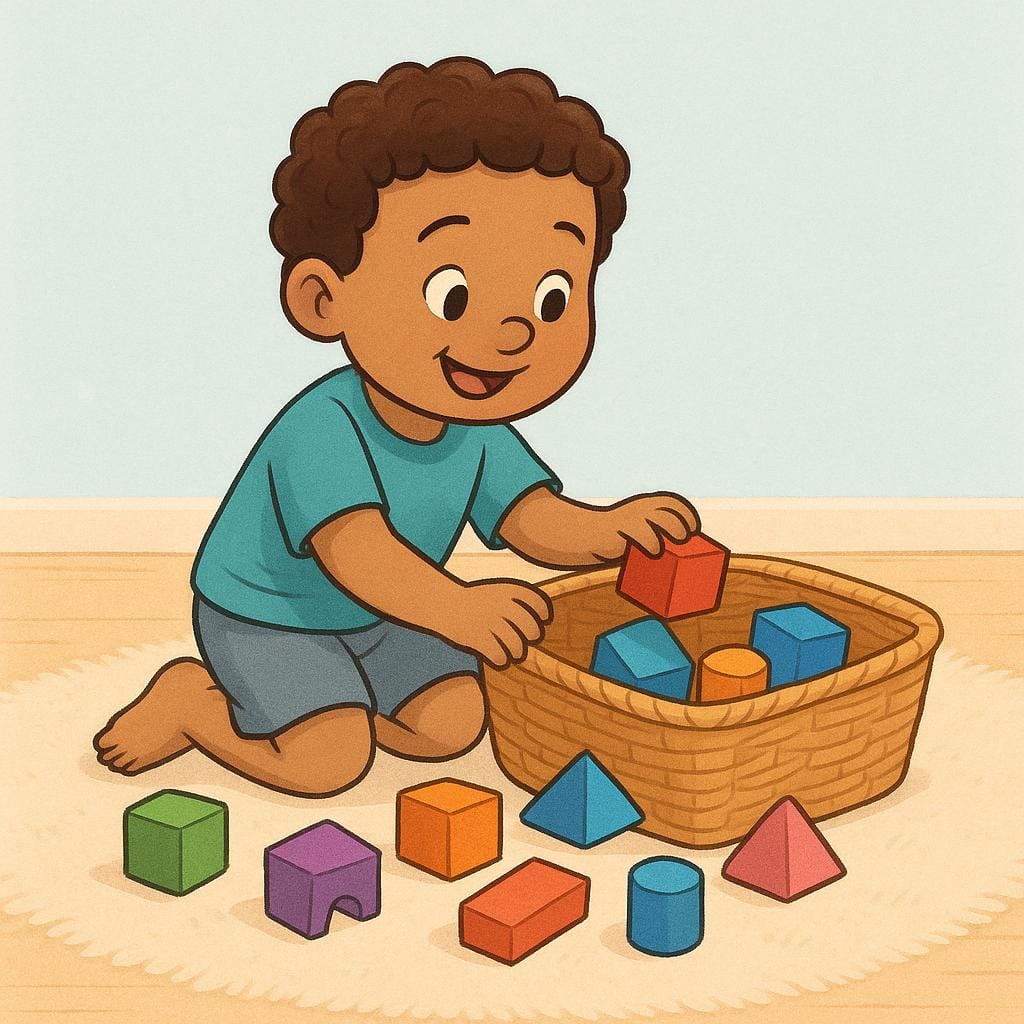
El director reunió a todos los empleados en la sala de conferencias.
The director gathered all the employees in the conference room.
Necesito reunir más información antes de tomar una decisión.
I need to collect more information before making a decision.
The Accent Mark Irregularity
In the present tense, you must place an accent mark over the 'u' (reúno, reúnes, etc.). This breaks the 'u' and 'i' apart, making two distinct syllables instead of one blended sound.
Missing the Accent
Mistake: “Yo reuno”
Correction: Yo reúno. If you omit the accent, it changes the stress and sounds unnatural.
koh-lehk-syoh-nahrkoleksjoˈnaɾ
Examples
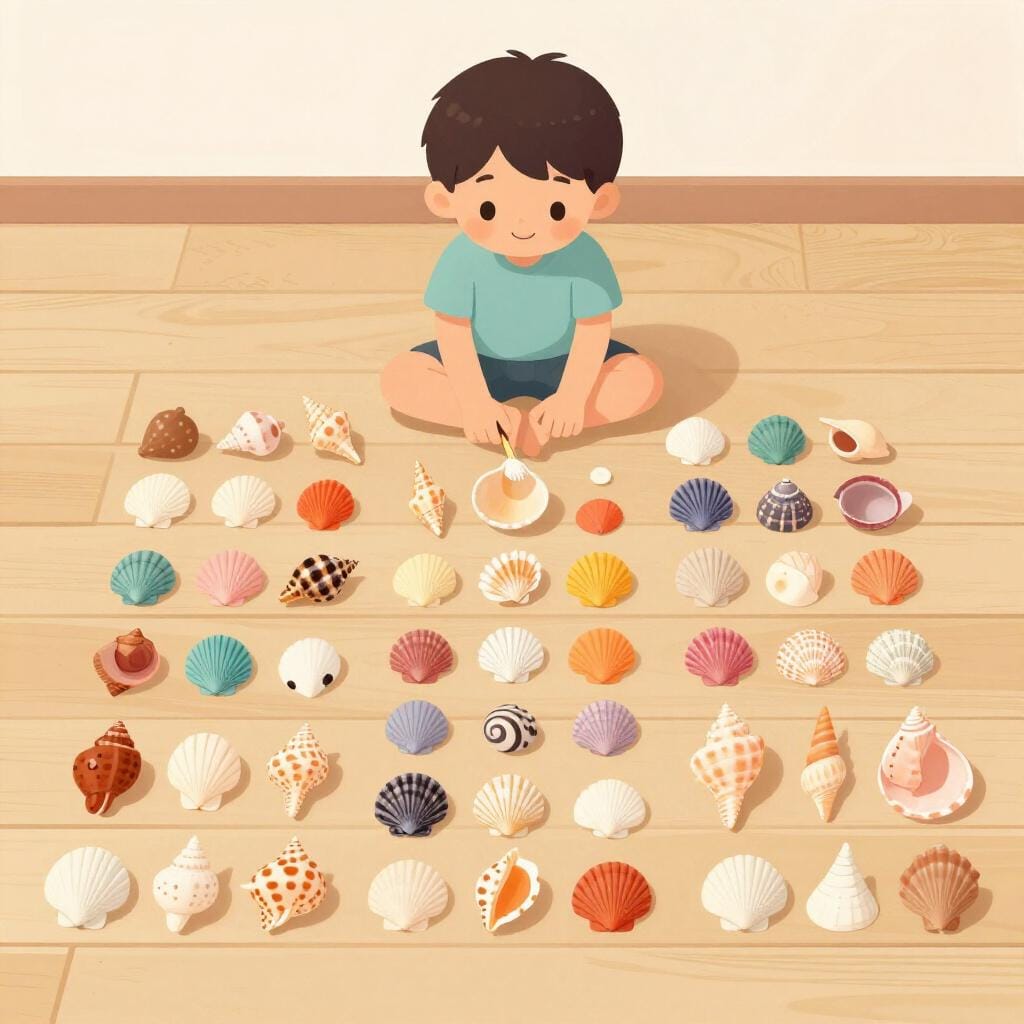
Yo colecciono sellos desde que era niño.
I have been collecting stamps since I was a child.
Mi hermano quiere coleccionar todas las cartas de Pokémon.
My brother wants to collect all the Pokémon cards.
Ella colecciona obras de arte de pintores locales.
She collects works of art by local painters.
It's a regular 'ar' verb
Good news! This verb follows the standard patterns for 'ar' verbs. Once you learn the pattern for 'hablar,' you can conjugate 'coleccionar' the exact same way.
Using it with hobbies
In Spanish, we usually include the article (like 'el', 'la', 'los', 'las') when talking about the items you collect. For example: 'Colecciono las monedas' (I collect the coins).
Coleccionar vs. Recoger
Mistake: “Voy a coleccionar a mi hijo de la escuela.”
Correction: Voy a recoger a mi hijo de la escuela. Use 'coleccionar' for hobbies/sets, and 'recoger' for picking someone or something up.
per-see-BEERpeɾθiˈβiɾ

Examples
Él percibe un sueldo muy alto.
He receives a very high salary.
Los jubilados perciben su pensión cada mes.
Retirees collect their pension every month.
Formal Earnings
In casual conversation, use 'ganar' or 'cobrar' for money. Use 'percibir' when writing a contract or a formal report.
Collecting Money vs. Items
Learners often confuse 'recaudar' and 'recolectar' with verbs for gathering physical items. Remember that 'recaudar' is almost exclusively for money or funds, while 'recolectar' can be for items, data, or signatures but often implies a more systematic gathering for a purpose.
Related Translations
Learn Spanish with Inklingo
Interactive stories, personalized learning, and more.