Inklingo

reunir

/rreh-oo-NEER/

to gather

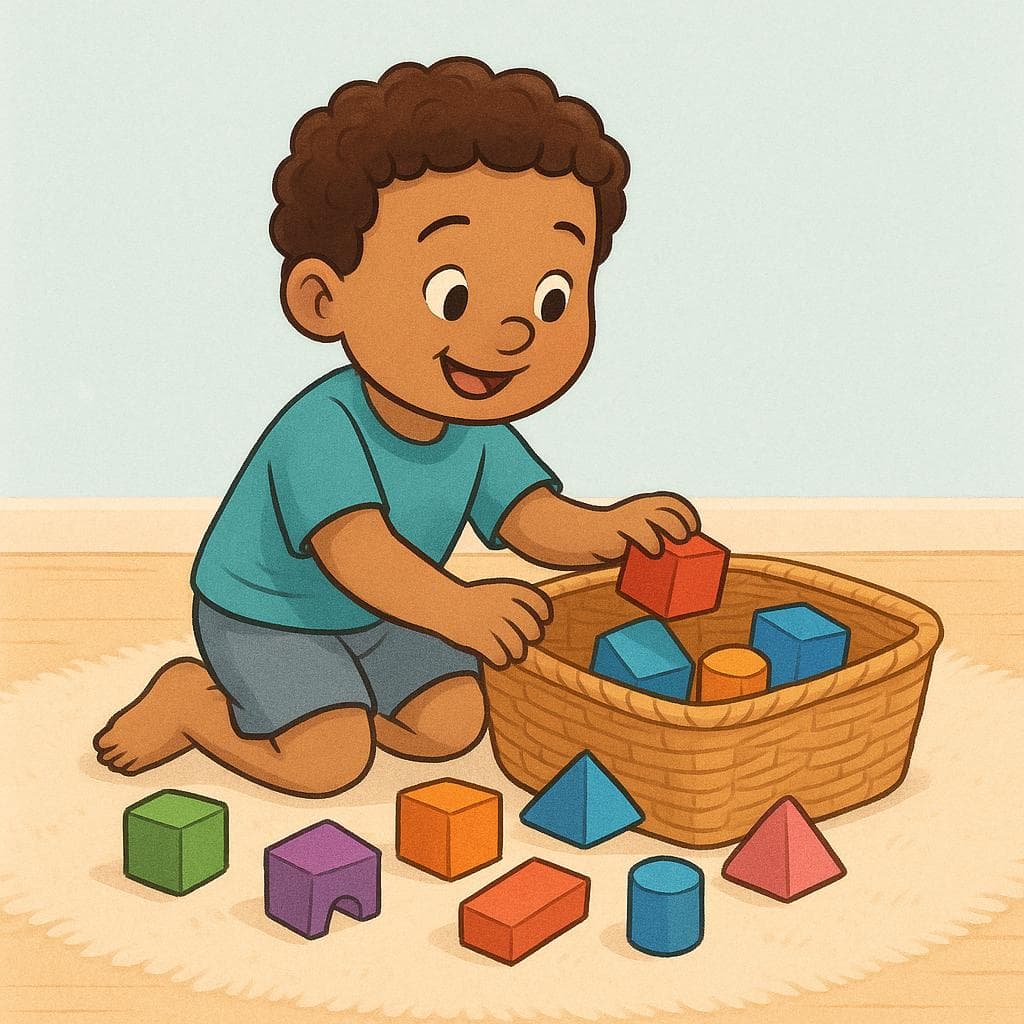
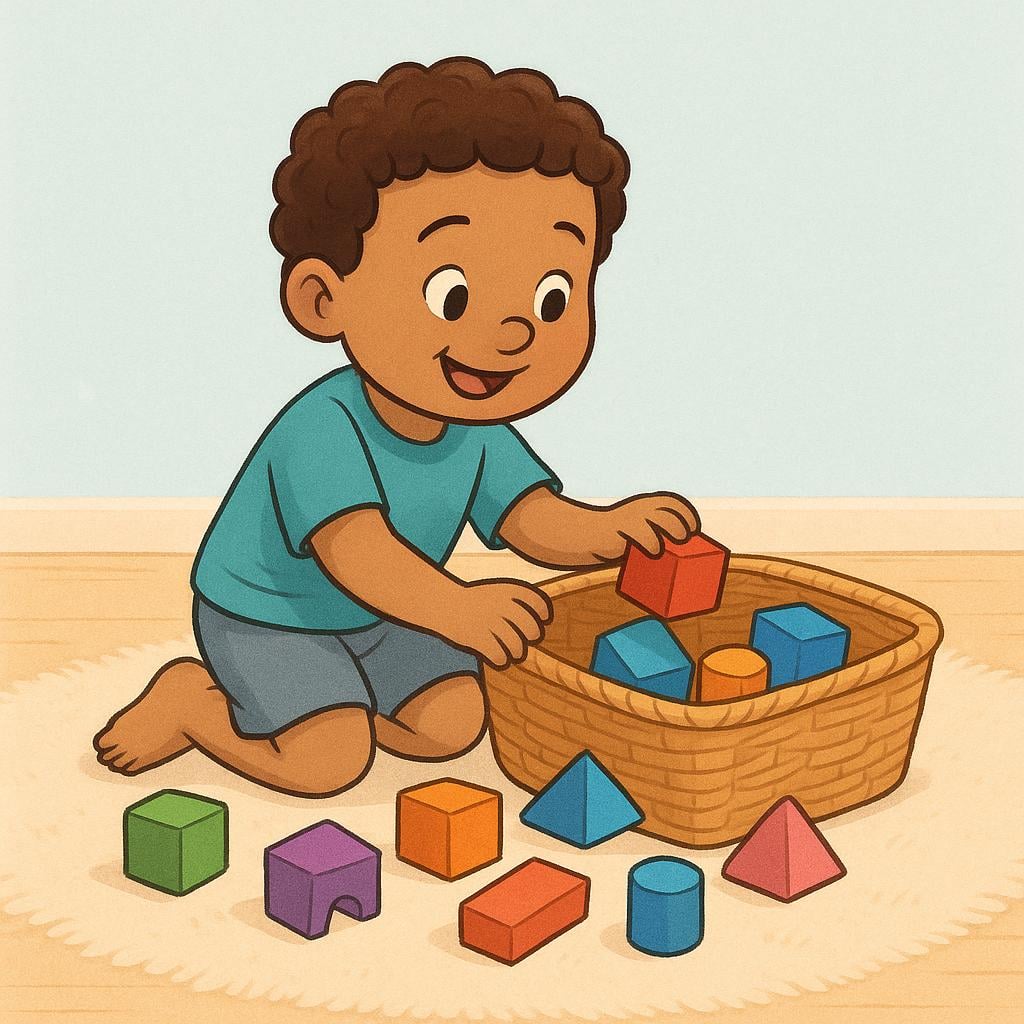
A happy child kneeling down, gathering several brightly colored wooden blocks and putting them into a single open basket.

"Reunir" means to gather or collect, like putting scattered objects together.

reunir(Verb)

B1irregular (vowel break/accent change) ir

to gather

?

collecting objects or people

,

to collect

?

amassing items

Also:

to assemble

?

putting pieces together

📝 In Action

El director reunió a todos los empleados en la sala de conferencias.

B1

The director gathered all the employees in the conference room.

Necesito reunir más información antes de tomar una decisión.

B1

I need to collect more information before making a decision.

Word Connections
Synonyms

  • juntar (to join)
  • coleccionar (to collect)

Antonyms

  • separar (to separate)

Common Collocations

  • reunir esfuerzosto pool efforts
  • reunir el dineroto raise the money

💡 Grammar Points

The Accent Mark Irregularity

In the present tense, you must place an accent mark over the 'u' (reúno, reúnes, etc.). This breaks the 'u' and 'i' apart, making two distinct syllables instead of one blended sound.

❌ Common Pitfalls

Missing the Accent

Mistake: "Yo reuno"

Correction: Yo reúno. If you omit the accent, it changes the stress and sounds unnatural.

⭐ Usage Tips

Active vs. Passive Gathering

Use 'reunir' when you are actively gathering something. Use 'reunirse' (Definition 2) when people are gathering themselves.

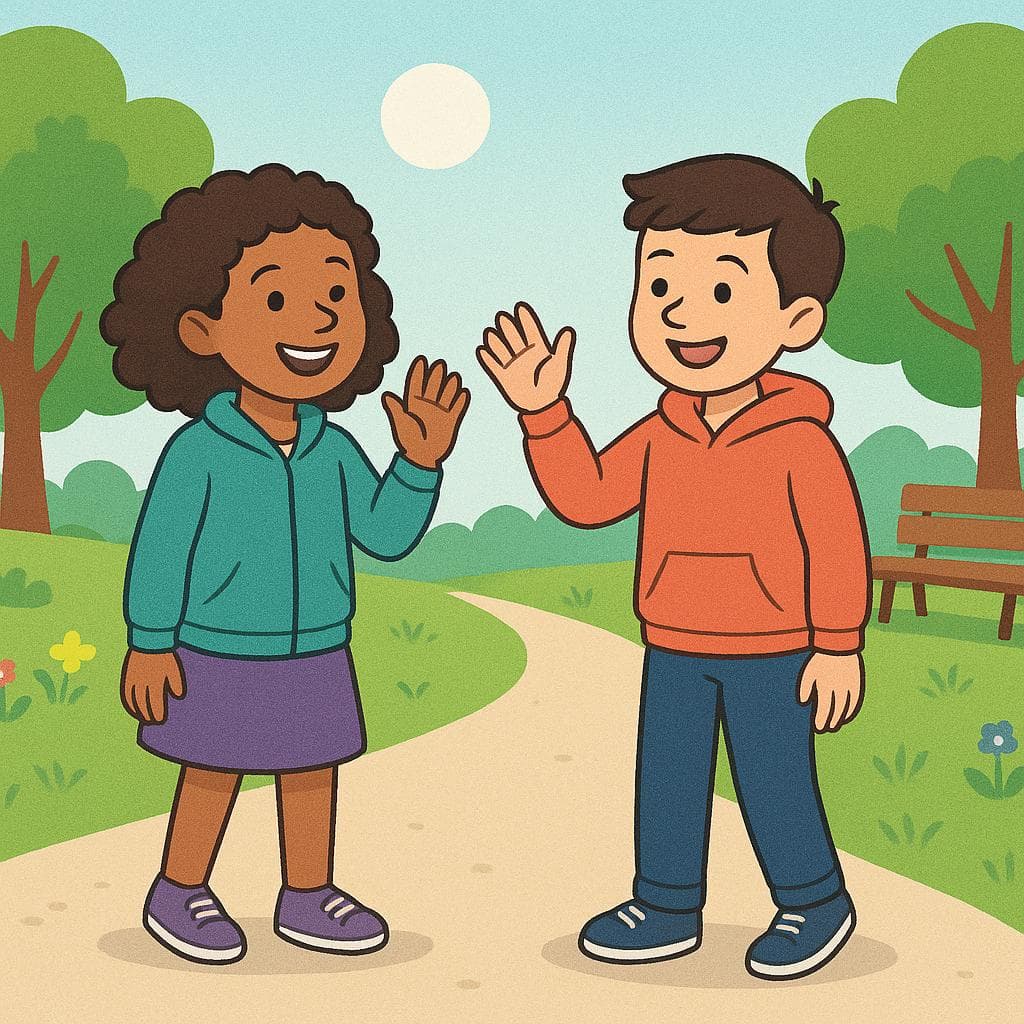
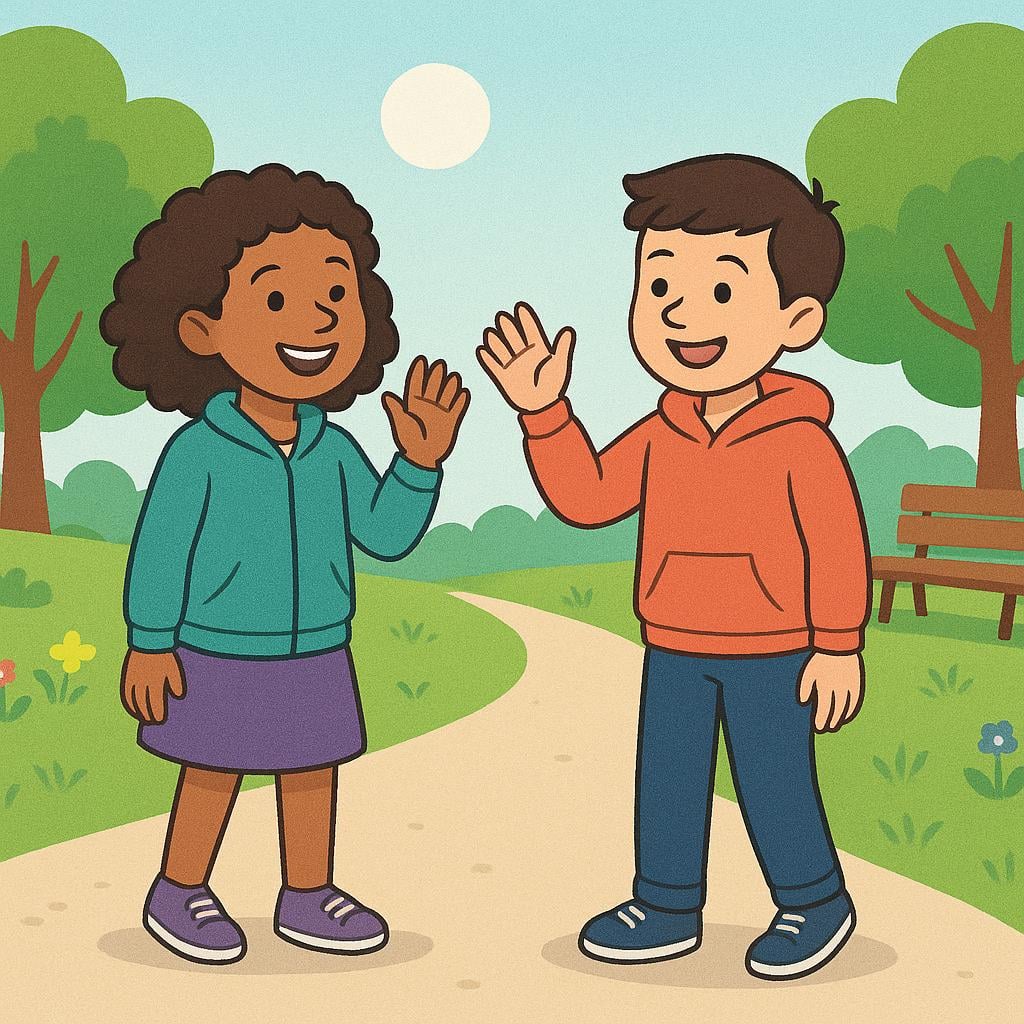
Two friends smiling and waving at each other in a sunny park path, having just met up.

When used reflexively, "reunirse" means to meet up socially.

reunir(Verb (Reflexive))

A2irregular (vowel break/accent change) ir

to meet up

?

socially or for a meeting

,

to get together

?

assembling as a group

Also:

to assemble

?

a group gathering

📝 In Action

Nos reuniremos en el parque a las cinco de la tarde.

A2

We will meet up in the park at five in the afternoon.

¿Cuándo te reúnes con tus amigos?

A2

When do you get together with your friends?

💡 Grammar Points

The Power of 'Se'

When you add 'se' (reunirse), the verb means the action is happening to the people doing the action. The people are gathering themselves, or meeting each other.

⭐ Usage Tips

Using 'Con'

When talking about who you are meeting, you usually follow 'reunirse' with 'con' (with). Example: 'Me reúno con mi jefe' (I meet with my boss).

A bright red, interlocking puzzle piece being placed perfectly and seamlessly into the corresponding empty space on a larger blue puzzle, symbolizing meeting a requirement.

"Reunir" can also mean to meet specific requirements or qualifications.

reunir(Verb)

C1irregular (vowel break/accent change) ir

to meet

?

requirements/qualifications

,

to fulfill

?

conditions

Also:

to possess

?

qualities or attributes

📝 In Action

El candidato no reúne los requisitos mínimos para el puesto.

C1

The candidate does not meet the minimum requirements for the position.

Esta obra reúne belleza y complejidad técnica.

C2

This work possesses beauty and technical complexity.

💡 Grammar Points

Formal Usage

In this formal sense, 'reunir' acts as a synonym for 'cumplir' (to fulfill) or 'poseer' (to possess) and is often used in negative statements about qualifications.

🔄 Conjugations

indicative

present

él/ella/ustedreúne
yoreúno
reúnes
ellos/ellas/ustedesreúnen
nosotrosreunimos
vosotrosreunís

imperfect

él/ella/ustedreunía
yoreunía
reunías
ellos/ellas/ustedesreunían
nosotrosreuníamos
vosotrosreuníais

preterite

él/ella/ustedreunió
yoreuní
reuniste
ellos/ellas/ustedesreunieron
nosotrosreunimos
vosotrosreunisteis

subjunctive

present

él/ella/ustedreúna
yoreúna
reúnas
ellos/ellas/ustedesreúnan
nosotrosreunamos
vosotrosreunáis

imperfect

él/ella/ustedreuniera
yoreuniera
reunieras
ellos/ellas/ustedesreunieran
nosotrosreuniéramos
vosotrosreunierais

✏️ Quick Practice

💡 Quick Quiz: reunir

Question 1 of 1

Which sentence uses 'reunir' in its reflexive form (to meet up)?

📚 More Resources

Word Family

reunido(gathered / assembled) - adjective

Frequently Asked Questions

Why does 'reunir' have an accent mark in some forms, even though it ends in -IR?

The accent mark is needed in the present tense (reúno, reúnes, etc.) to break the two vowels ('u' and 'i') into separate syllables. If you didn't include the accent, the stress would fall on the 'i' and they would blend together, which would sound incorrect.

What is the difference between 'reunir' and 'juntar'?

'Reunir' often suggests collecting or gathering things that belong together or forming an assembly (like a meeting). 'Juntar' is more general and means simply 'to join' or 'to put next to each other.'