reunido
“reunido” means “gathered” in Spanish. It has 2 different meanings depending on context:
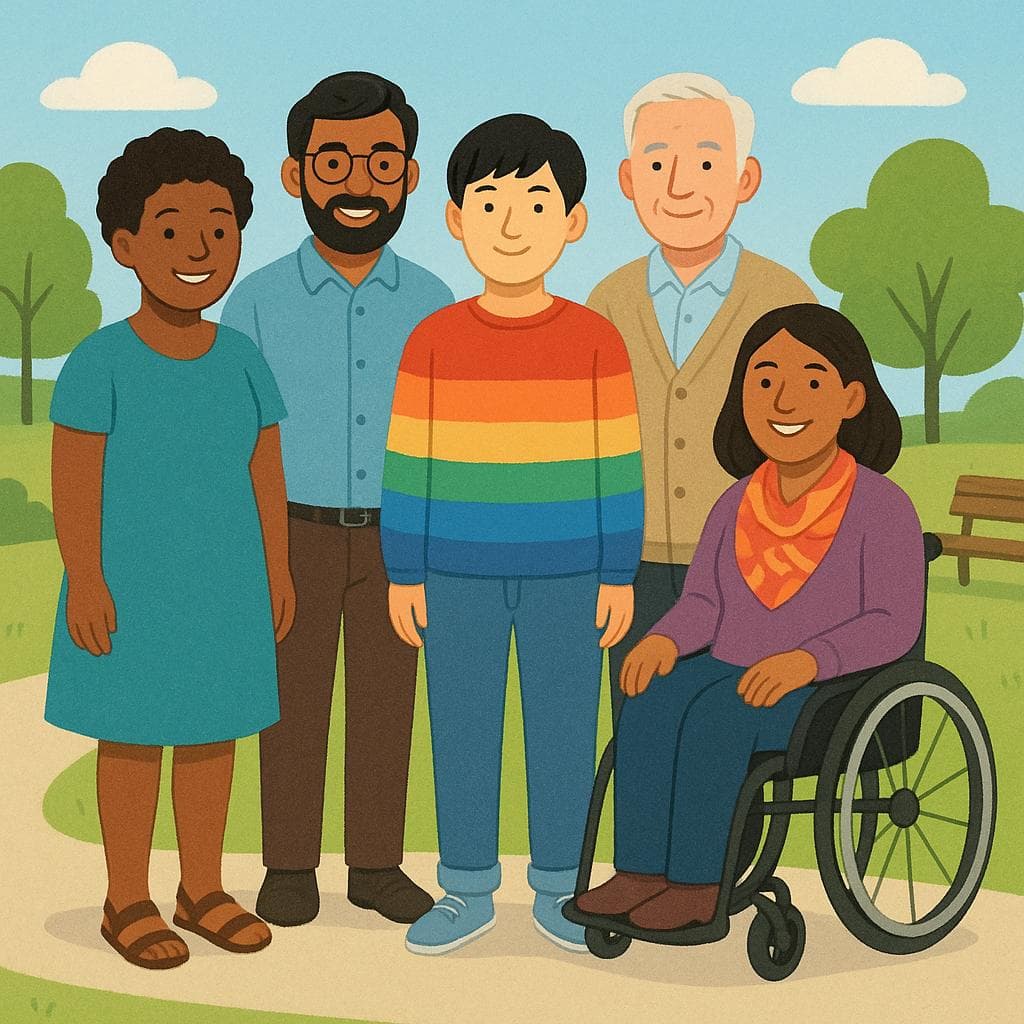

gathered, assembledAlso: together

📝 In Action
Todo el personal estaba reunido en la sala de conferencias.
B1All the staff was gathered in the conference room.
Al final de la película, la familia estaba reunida otra vez.
A2At the end of the movie, the family was together again.
La junta directiva se mantiene reunida hasta tener una solución.
B2The board of directors remains assembled until they have a solution.
Word Connections
gathered, collected

📝 In Action
Hemos reunido todos los documentos necesarios para el viaje.
A2We have gathered all the necessary documents for the trip.
Ella ya había reunido a los niños antes de que yo llegara.
B1She had already gathered the children before I arrived.
Word Connections
✏️ Quick Practice
Quick Quiz: reunido
Question 1 of 2
Which sentence correctly uses 'reunido' as the unchanging part of a compound verb tense?
📚 More Resources
👥 Word Family
📚 Etymology
Comes from the Latin verb *reunīre*, which means 'to join again' or 'to unite back together.' It is formed by adding the prefix 're-' (again) to 'unir' (to unite or join).
First recorded: Medieval Spanish
Cognates (Related words)
💡 Master Spanish
Take your Spanish to the next level. Read 200+ illustrated and narrated Spanish stories tailored to your level with the Inklingo app!
Frequently Asked Questions
What is the difference between 'reunido' and 'junto'?
'Reunido' (gathered/assembled) specifically implies that people or things have come together, often for a specific purpose (like a meeting or a family gathering). 'Junto' simply means 'together' or 'nearby' and is a broader term for proximity.
Is 'reunido' regular or irregular?
The base verb 'reunir' is mostly regular, but it has a slight change in the present tense (a vowel change, like 'reúno') in some forms. However, the past participle 'reunido' is perfectly regular, following the standard pattern for -ir verbs.