How to Say "gathered" in Spanish
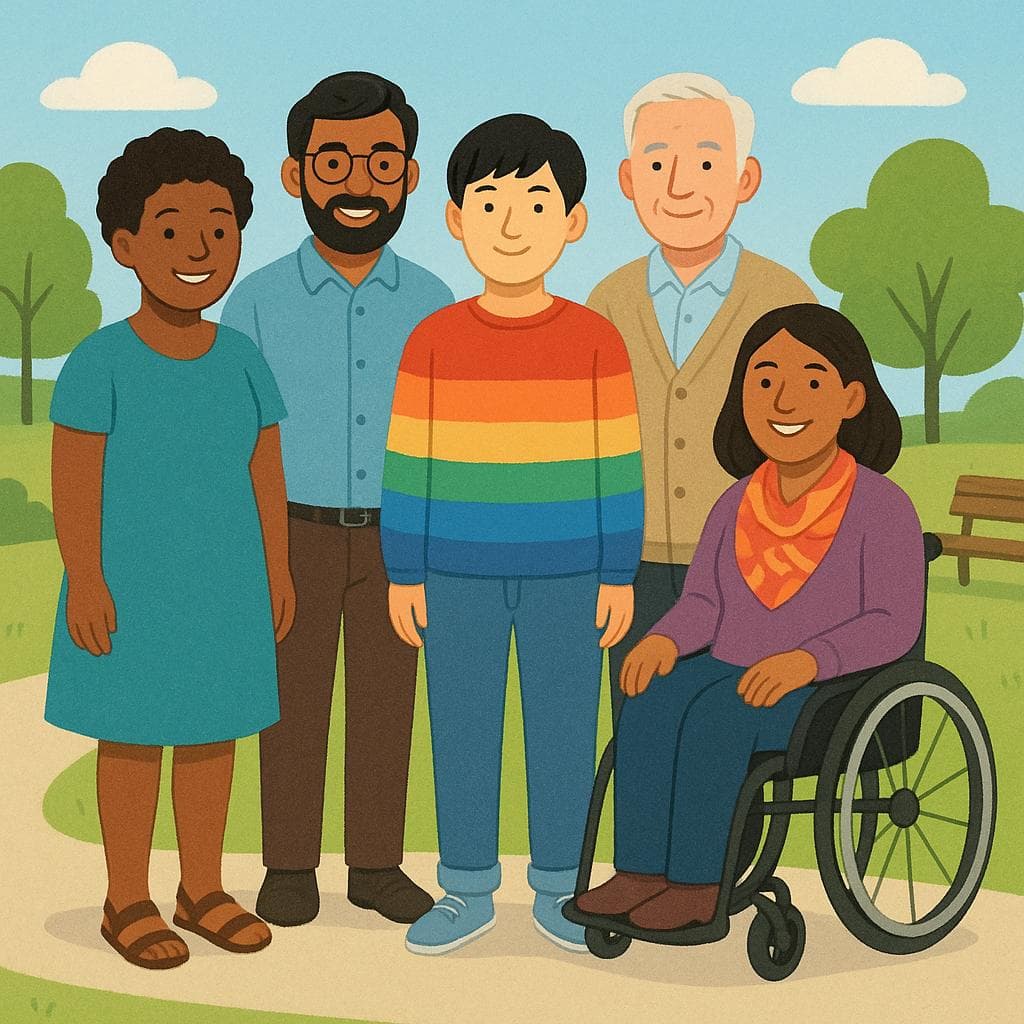
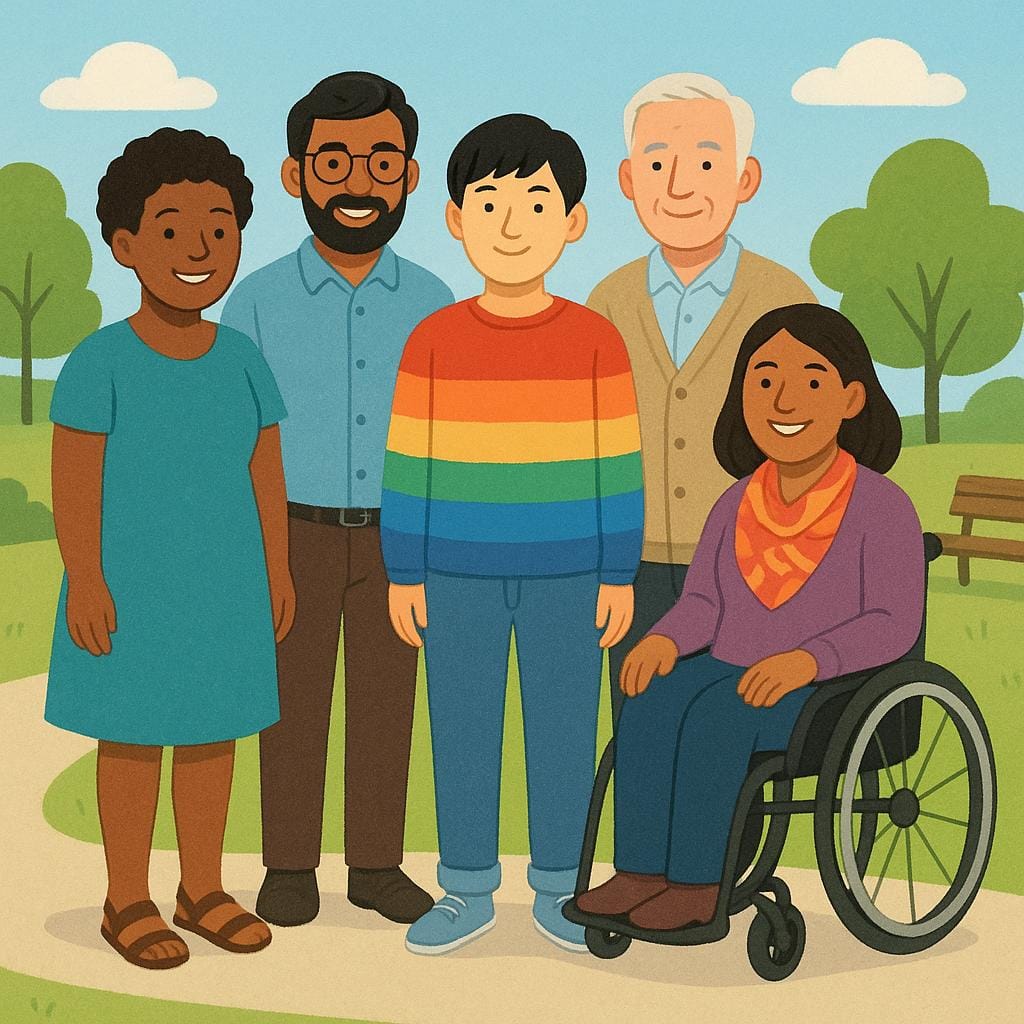
The most common Spanish word for “gathered” is “reunido” — use 'reunido' when describing people who have come together or assembled in one place.
reunido
reh-oo-NEE-dohre.uˈni.ðo
Examples
Todo el personal estaba reunido en la sala de conferencias.
All the staff was gathered in the conference room.
Al final de la película, la familia estaba reunida otra vez.
At the end of the movie, the family was together again.
La junta directiva se mantiene reunida hasta tener una solución.
The board of directors remains assembled until they have a solution.
Hemos reunido todos los documentos necesarios para el viaje.
We have gathered all the necessary documents for the trip.
Agreement is Key
As an adjective, 'reunido' must change its ending to match the thing it describes. Use 'reunida' for feminine singular nouns (la gente reunida) and 'reunidos' or 'reunidas' for plural nouns.
Building Perfect Tenses
'Reunido' is the form you use after the helper verb 'haber' (to have) to describe actions completed in the past, like 'He reunido' (I have gathered) or 'Habíamos reunido' (We had gathered).
The Participle Rule
When used with 'haber' to create compound tenses, 'reunido' never changes its ending; it always stays in the masculine singular form, regardless of who or what gathered the things.
Changing the Ending
Mistake: “Hemos reunidas las cosas. (Incorrect: ending changes)”
Correction: Hemos reunido las cosas. (Correct: 'reunido' doesn't change when used with 'haber').
recogió
Examples
Ella recogió las llaves del suelo.
She picked up the keys from the floor.
recogida
rre-ko-HEE-dahrekoˈxiða
Examples
Se hizo un moño con el pelo recogido.
She made a bun with her hair gathered back.
Después de limpiar, la cocina quedó muy recogida.
After cleaning, the kitchen looked very tidy.
Lleva una vida recogida y tranquila en el campo.
She leads a secluded and quiet life in the countryside.
Hoy lleva la melena recogida en un moño.
Today she is wearing her hair gathered in a bun.
Feminine Agreement
Since this is the word 'recogida', it must describe a feminine thing (like 'la casa' or 'la vida'). If you were describing a masculine thing, you would change it to 'recogido'.
Don't confuse with 'collected'
Mistake: “Ella es una persona recogida.”
Correction: Ella es una persona calmada/serena.
reunido
reh-oo-NEE-dohre.uˈni.ðo
Examples
Hemos reunido todos los documentos necesarios para el viaje.
We have gathered all the necessary documents for the trip.
Todo el personal estaba reunido en la sala de conferencias.
All the staff was gathered in the conference room.
Al final de la película, la familia estaba reunida otra vez.
At the end of the movie, the family was together again.
La junta directiva se mantiene reunida hasta tener una solución.
The board of directors remains assembled until they have a solution.
Agreement is Key
As an adjective, 'reunido' must change its ending to match the thing it describes. Use 'reunida' for feminine singular nouns (la gente reunida) and 'reunidos' or 'reunidas' for plural nouns.
Building Perfect Tenses
'Reunido' is the form you use after the helper verb 'haber' (to have) to describe actions completed in the past, like 'He reunido' (I have gathered) or 'Habíamos reunido' (We had gathered).
The Participle Rule
When used with 'haber' to create compound tenses, 'reunido' never changes its ending; it always stays in the masculine singular form, regardless of who or what gathered the things.
Changing the Ending
Mistake: “Hemos reunidas las cosas. (Incorrect: ending changes)”
Correction: Hemos reunido las cosas. (Correct: 'reunido' doesn't change when used with 'haber').
People vs. Things
Related Translations
Learn Spanish with Inklingo
Interactive stories, personalized learning, and more.