How to Say "pickup" in Spanish
The most common Spanish word for “pickup” is “recogida” — use 'recogida' when referring to the act of picking up a person or an object, or a designated place for collection, such as baggage claim.

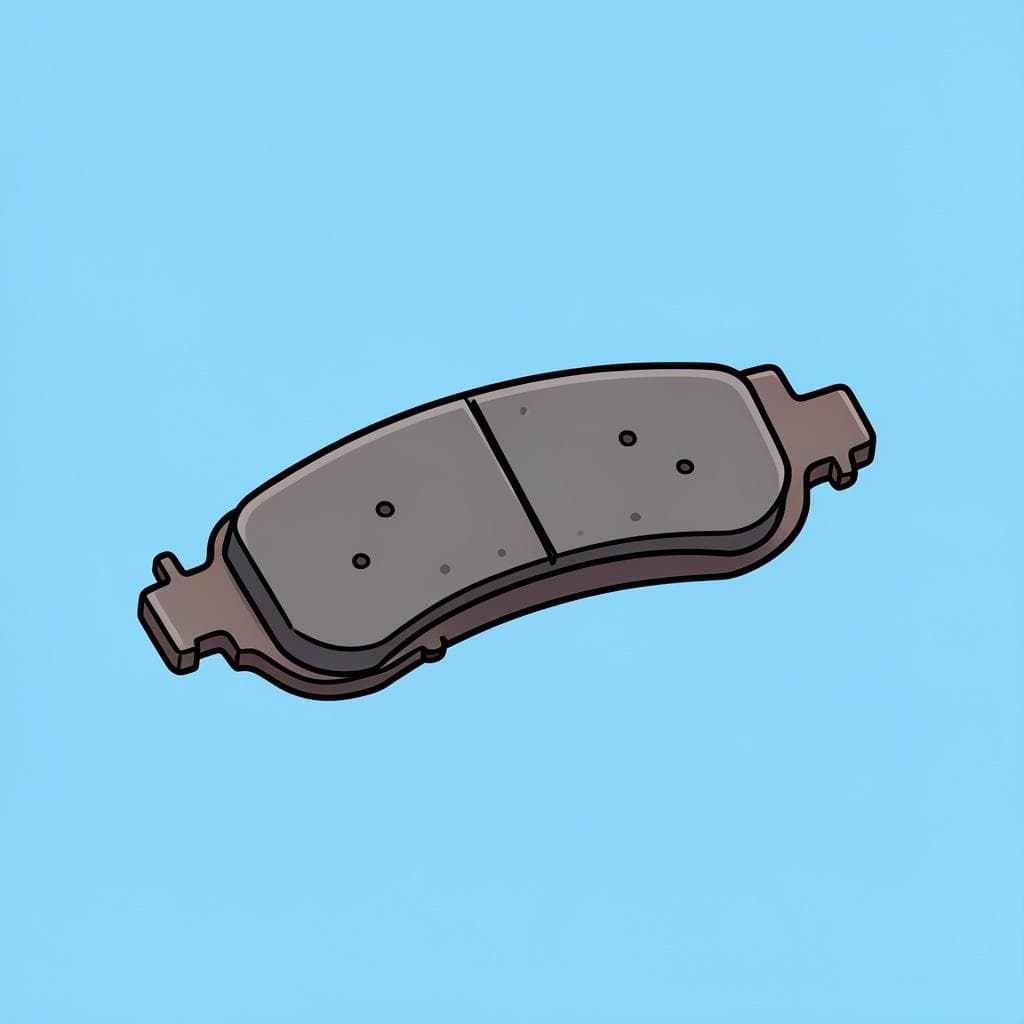
recogida
rre-ko-HEE-dahrekoˈxiða

Examples
La recogida de paquetes se realiza en la oficina de correos.
The pickup of packages is done at the post office.
La recogida de equipaje está al final del pasillo.
Baggage claim (luggage pickup) is at the end of the hallway.
El horario de recogida de basura ha cambiado.
The trash collection schedule has changed.
Confirmaron la recogida del paquete para mañana por la tarde.
They confirmed the pickup of the package for tomorrow afternoon.
A Noun from a Verb
This word is the noun version of the verb 'recoger' (to pick up). It describes the action of picking something up as a single event.
Using it for 'Pick up'
Mistake: “Voy a la recogida de mi hermano.”
Correction: Voy a recoger a mi hermano.
pastilla
pas-TEE-yahpasˈtiʝa
Examples
El guitarrista cambió las pastillas de su guitarra para obtener un sonido más potente.
The guitarist changed the pickups on his guitar to get a more powerful sound.
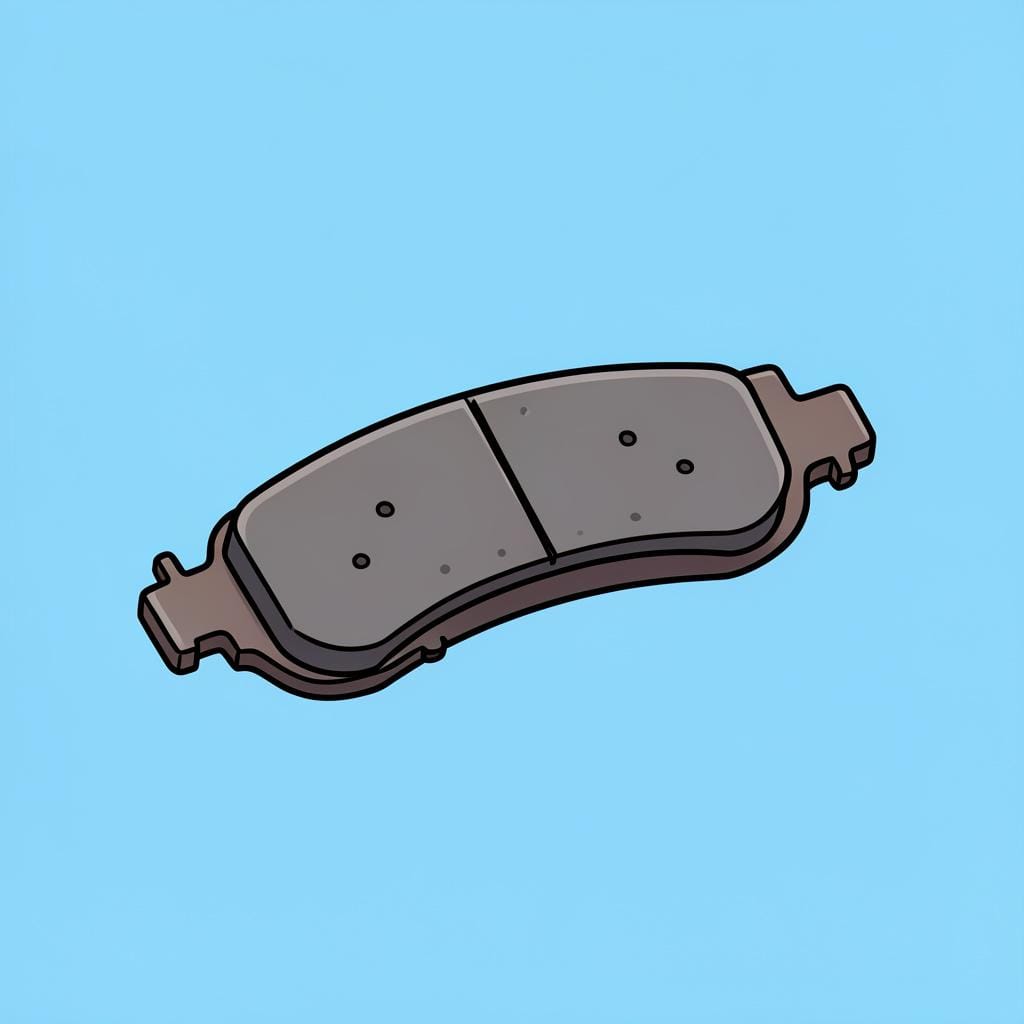
Tengo que cambiar las pastillas de freno del coche.
I have to change the car's brake pads.
Esta guitarra tiene unas pastillas muy potentes.
This guitar has some very powerful pickups.
Pickup vs. Pickup
Related Translations
Learn Spanish with Inklingo
Interactive stories, personalized learning, and more.