How to Say "cake" in Spanish
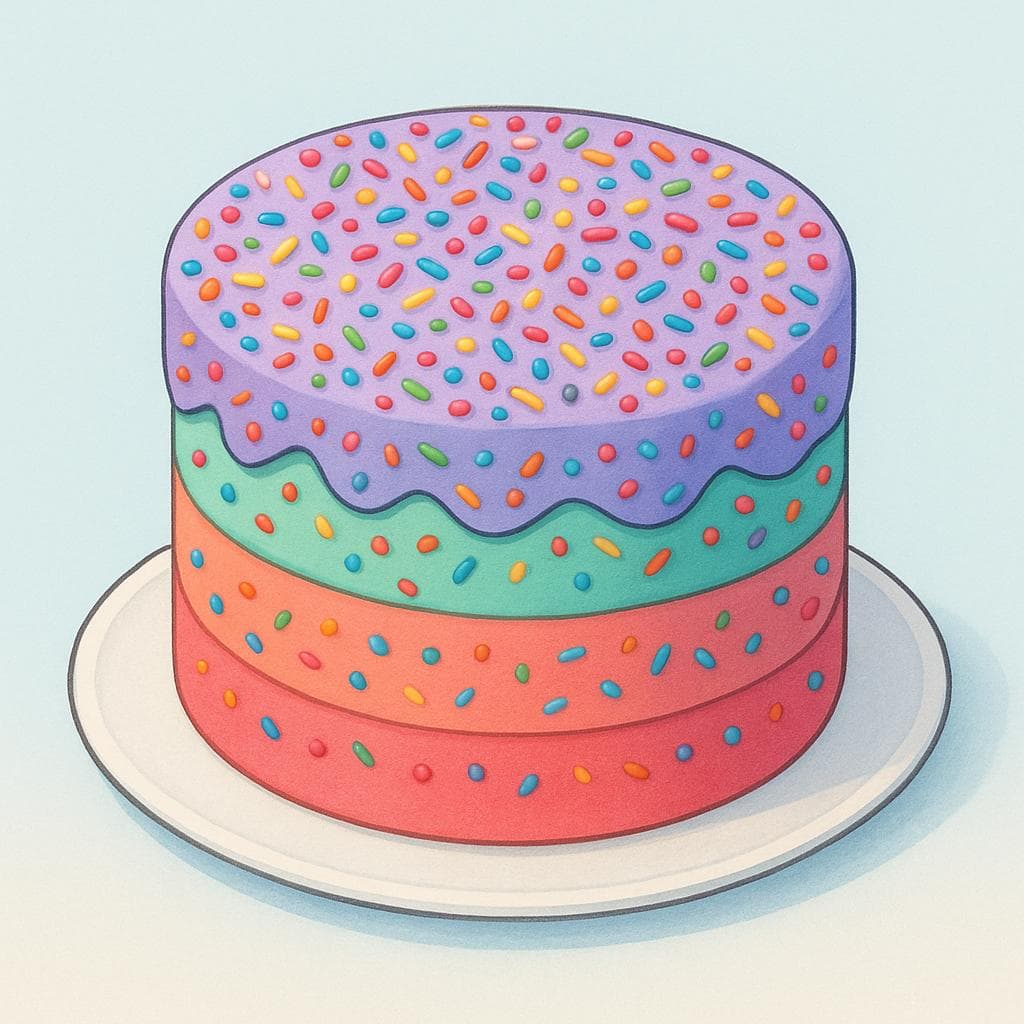
The most common Spanish word for “cake” is “pastel” — use 'pastel' for a general sweet baked dessert, especially for celebrations like birthdays. It's widely understood across most Spanish-speaking regions.


pastel
pas-TELpasˈtɛl
Examples
Mi madre compró un pastel de chocolate para mi cumpleaños.
My mother bought a chocolate cake for my birthday.
Necesitamos velas para el pastel.
We need candles for the cake.
Masculine Noun Rule
Remember to use the masculine articles ('el' or 'un') with 'pastel' because it ends in 'L' and is a masculine noun: 'el pastel' or 'un pastel'.
Confusing 'pastel' and 'tarta'
Mistake: “Using 'pastel' exclusively for sweet pies, even when 'tarta' might be more specific.”
Correction: 'Pastel' generally means cake or a sweet dessert. For a sweet pie (like apple), 'tarta' is often a more specific and common choice, though 'pastel' is understood.
torta
TOR-tahˈtoɾta

Examples
Compramos una torta de chocolate para el cumpleaños de mi hermana.
We bought a chocolate cake for my sister's birthday.
La torta de manzana que hizo mi abuela es deliciosa.
The apple pie (or tart) my grandmother made is delicious.
Cake Confusion
Mistake: “Using 'torta' for a tall, layered cake in Spain or the Southern Cone.”
Correction: Use 'pastel' or 'tarta' instead. 'Torta' often implies a flatter, simpler cake or pie in many places outside of Mexico.
tarta
tar-taˈtaɾta

Examples
Pedimos una tarta de fresas para el postre.
We ordered a strawberry cake/tart for dessert.
¿Quieres un trozo de tarta o prefieres helado?
Do you want a slice of cake or do you prefer ice cream?
Mi madre prepara una tarta de queso que es famosa en el barrio.
My mother makes a cheesecake that is famous in the neighborhood.
Gender Check
Since 'tarta' ends in -a, it is a feminine noun. Always use feminine articles and adjectives with it (e.g., 'la tarta,' 'una tarta deliciosa').
Confusing 'Tarta' and 'Pastel'
Mistake: “Using 'tarta' in Mexico or Central America when talking about a large birthday cake.”
Correction: In many Latin American countries, 'pastel' or 'torta' is the usual word for a large cake, while 'tarta' usually refers specifically to a tart or pie. In Spain, 'tarta' is used for both.
bizcocho
beez-KOH-chohbisˈkotʃo
Examples
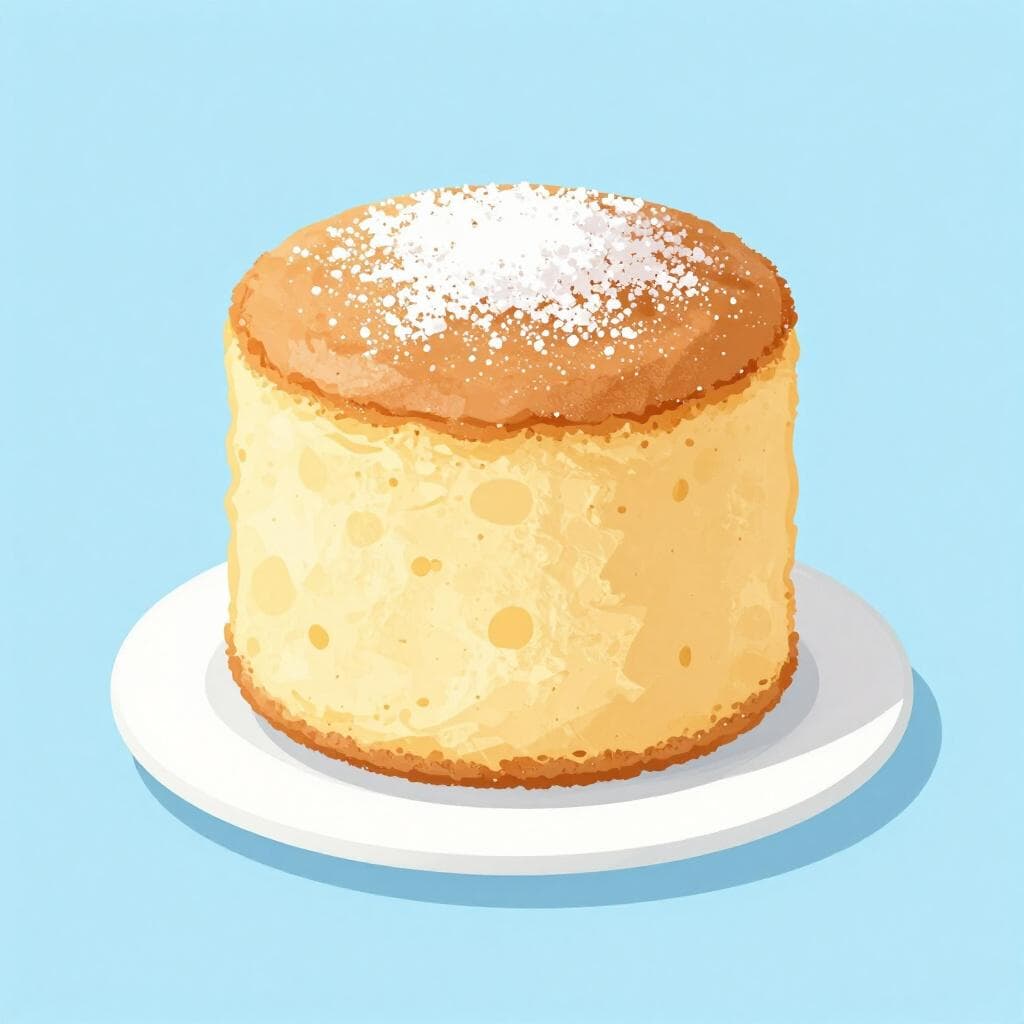
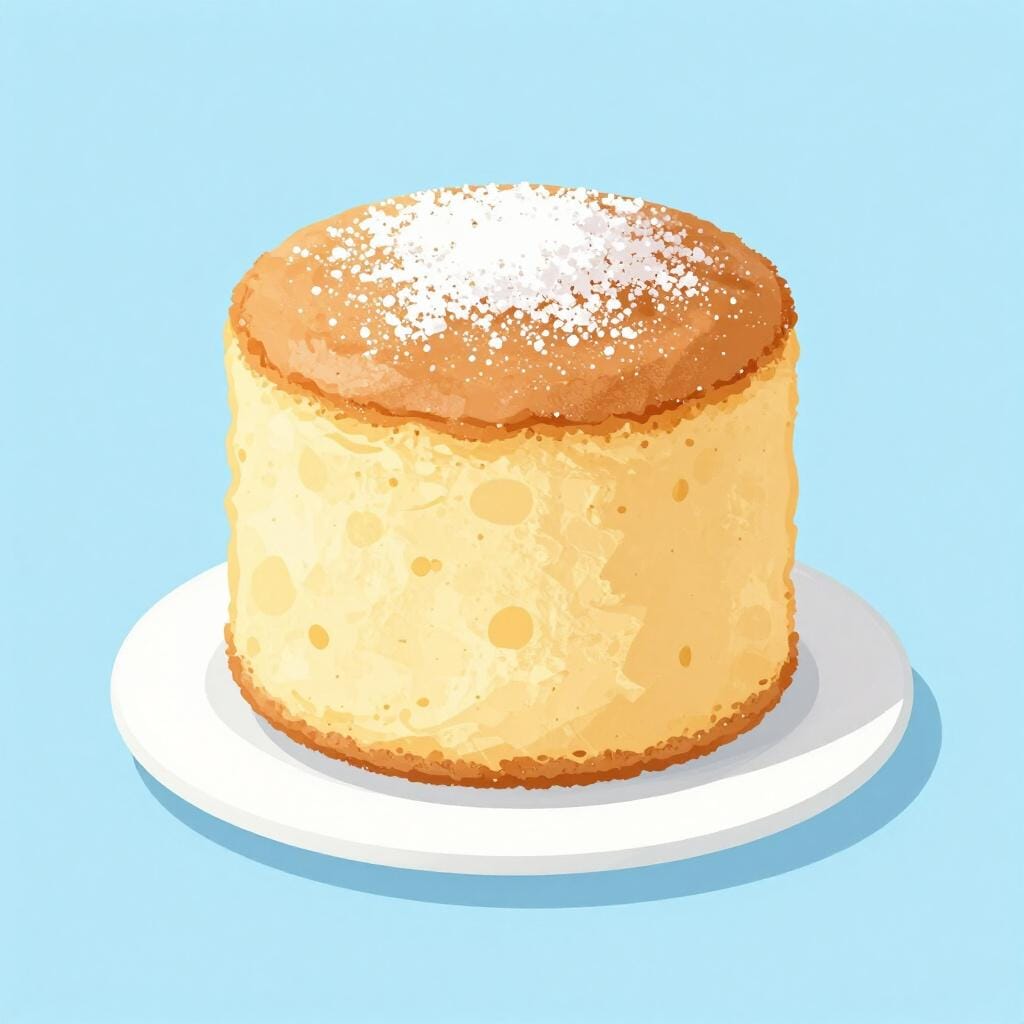
Mi abuela hizo un bizcocho de limón para la merienda.
My grandmother made a lemon sponge cake for the afternoon snack.
El secreto de un buen bizcocho es batir bien los huevos.
The secret to a good sponge cake is beating the eggs well.
Este bizcocho está muy esponjoso y tierno.
This sponge cake is very fluffy and tender.
Using 'Un' vs. 'El'
Use 'un bizcocho' when talking about one whole cake, but if you are eating it, you might say 'como bizcocho' without the 'un' to mean you are eating some of it in general.
Adjective Agreement
Since 'bizcocho' is a masculine word, any word describing it must end in 'o', like 'bizcocho riquísimO' (delicious cake).
Bizcocho vs. Pastel
Mistake: “Calling a fancy birthday cake with frosting a 'bizcocho' in Spain.”
Correction: In Spain, a 'bizcocho' is usually a simple, un-iced sponge or loaf. For fancy cakes with cream or frosting, use 'tarta'.
pastilla
pas-TEE-yahpasˈtiʝa
Examples
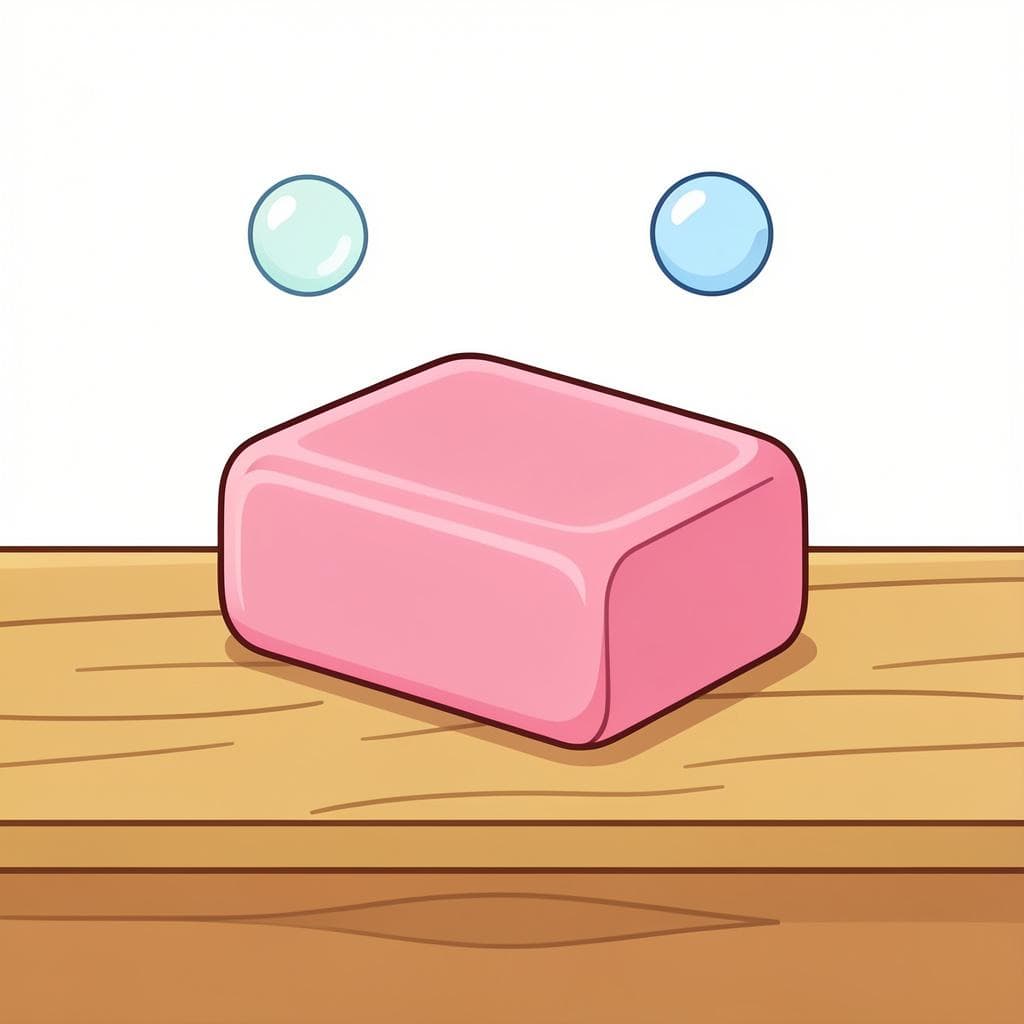
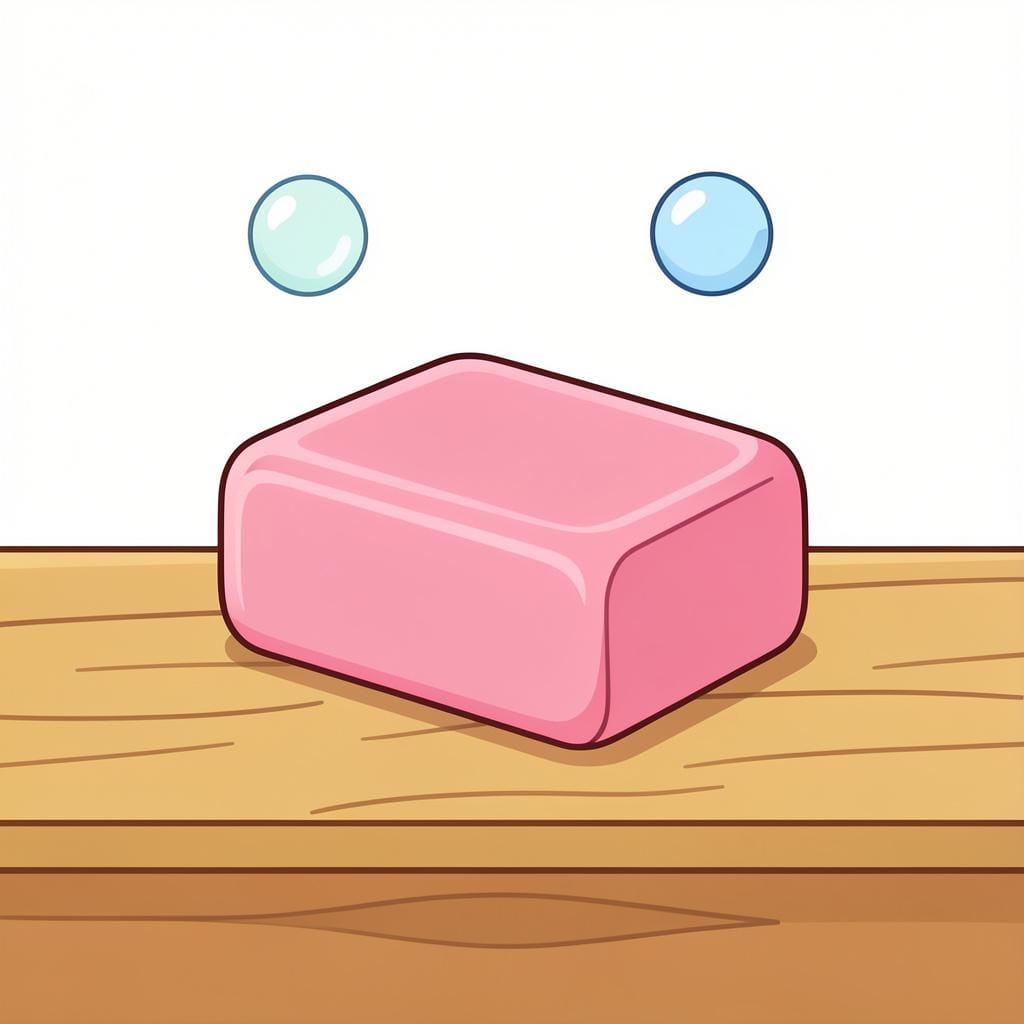
Compré una pastilla de jabón con olor a lavanda.
I bought a bar of soap with a lavender scent.
Añade una pastilla de caldo a la sopa.
Add a bouillon cube (stock block) to the soup.
Pastel vs. Torta vs. Tarta
Related Translations
Learn Spanish with Inklingo
Interactive stories, personalized learning, and more.