How to Say "pie" in Spanish
The most common Spanish word for “pie” is “tarta” — use 'tarta' for a general baked dish with a crust and filling, especially sweet ones like fruit tarts or when the specific type of pie (like apple or strawberry) is emphasized.

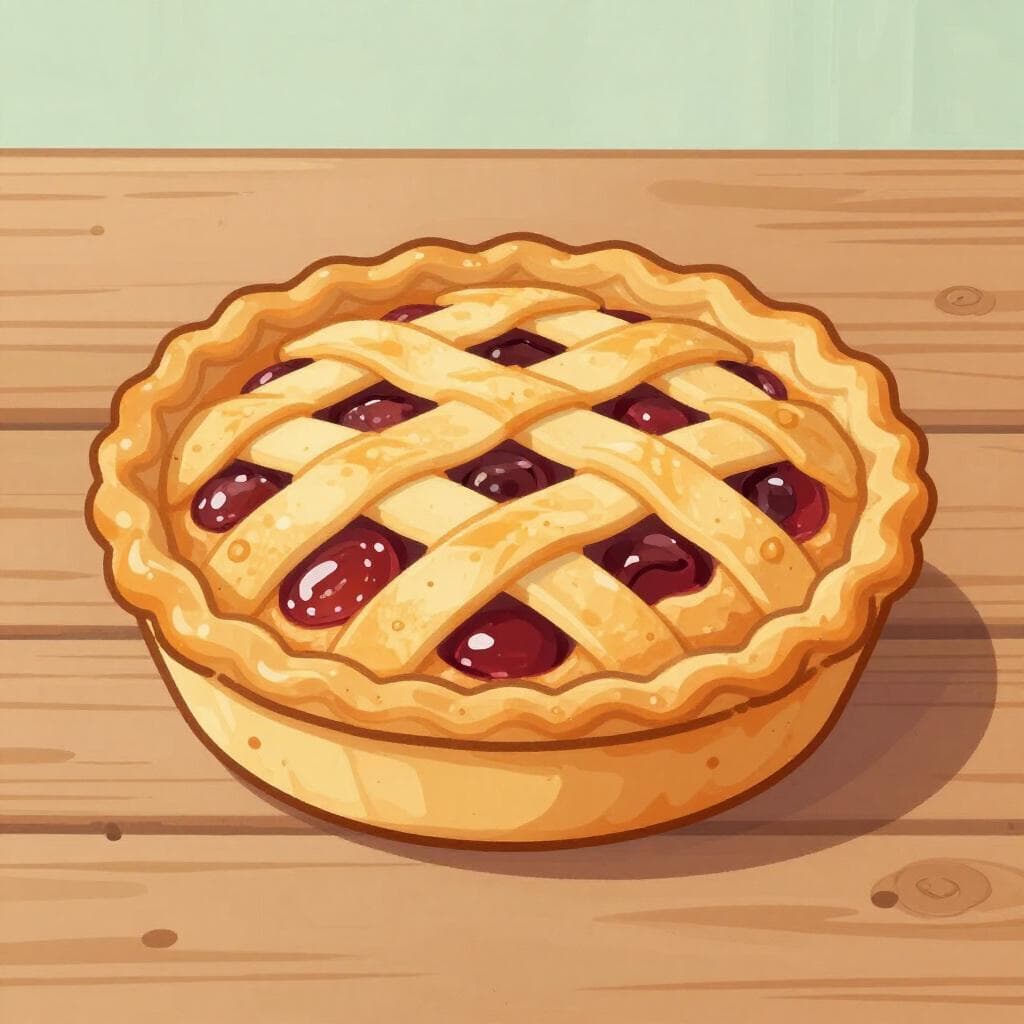
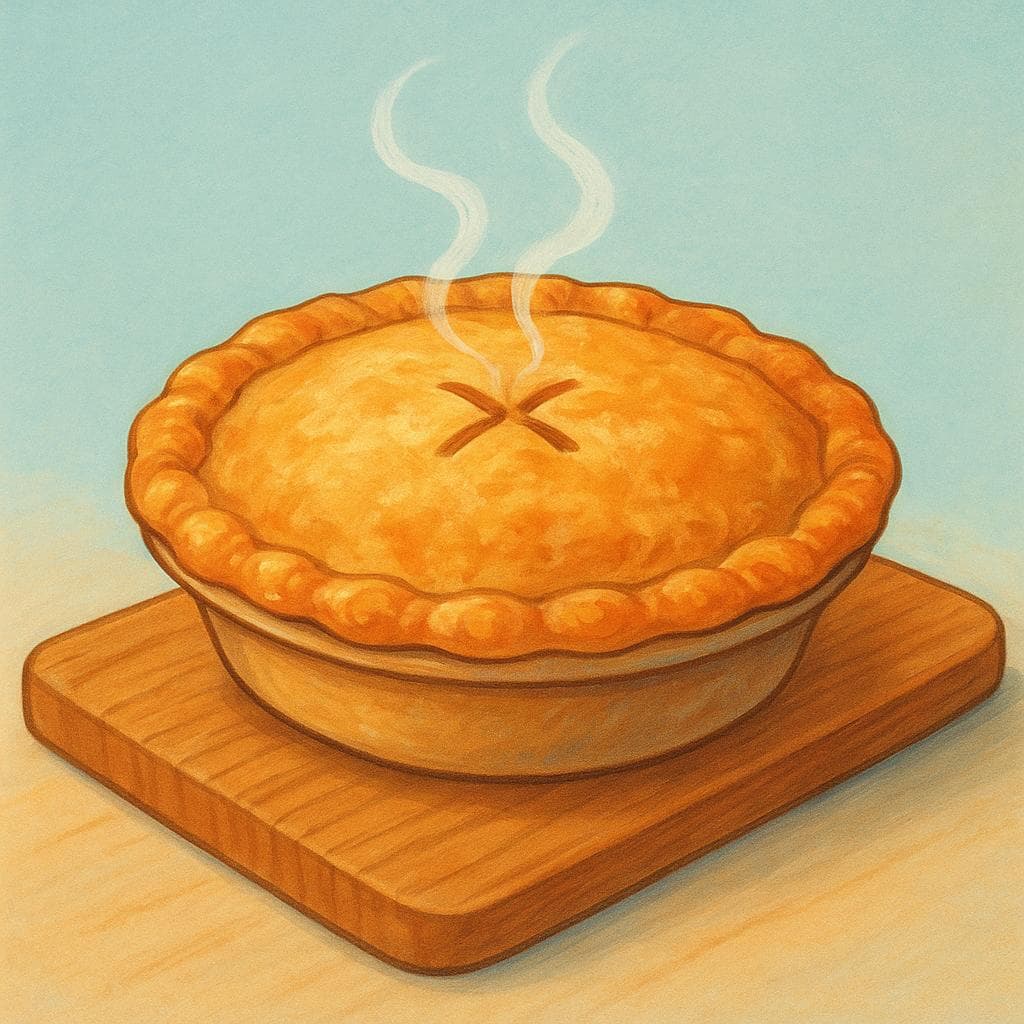
tarta
tar-taˈtaɾta

Examples
Pedimos una tarta de fresas para el postre.
We ordered a strawberry tart for dessert.
¿Quieres un trozo de tarta o prefieres helado?
Do you want a slice of cake or do you prefer ice cream?
Mi madre prepara una tarta de queso que es famosa en el barrio.
My mother makes a cheesecake that is famous in the neighborhood.
Gender Check
Since 'tarta' ends in -a, it is a feminine noun. Always use feminine articles and adjectives with it (e.g., 'la tarta,' 'una tarta deliciosa').
Confusing 'Tarta' and 'Pastel'
Mistake: “Using 'tarta' in Mexico or Central America when talking about a large birthday cake.”
Correction: In many Latin American countries, 'pastel' or 'torta' is the usual word for a large cake, while 'tarta' usually refers specifically to a tart or pie. In Spain, 'tarta' is used for both.
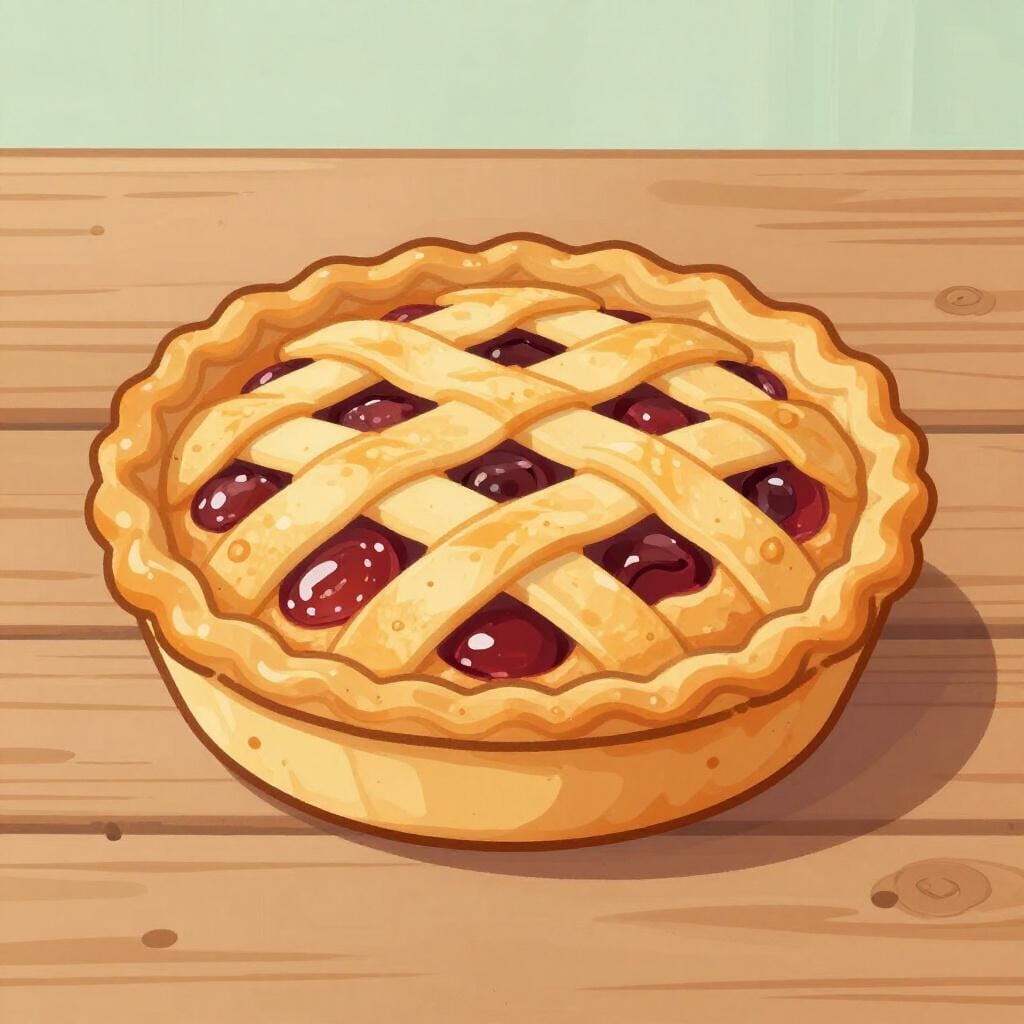
pai
pah-eeˈpai
Examples
De postre quiero un pai de manzana.
For dessert, I want an apple pie.
Este pai de limón está delicioso.
This lemon pie is delicious.
Mi abuela hace el mejor pai de queso.
My grandma makes the best cheesecake/cheese pie.
Spelling Variations
You might see this spelled as 'pay' or 'pie' (using the English spelling). 'Pai' is the phonetic spelling that matches how Spanish speakers pronounce the English word.
The 'Foot' Confusion
Mistake: “Thinking 'pai' means the body part.”
Correction: The word for 'foot' is 'pie,' but it is pronounced 'pee-ay.' This word, 'pai,' is pronounced like 'pie' in English and always refers to the food.
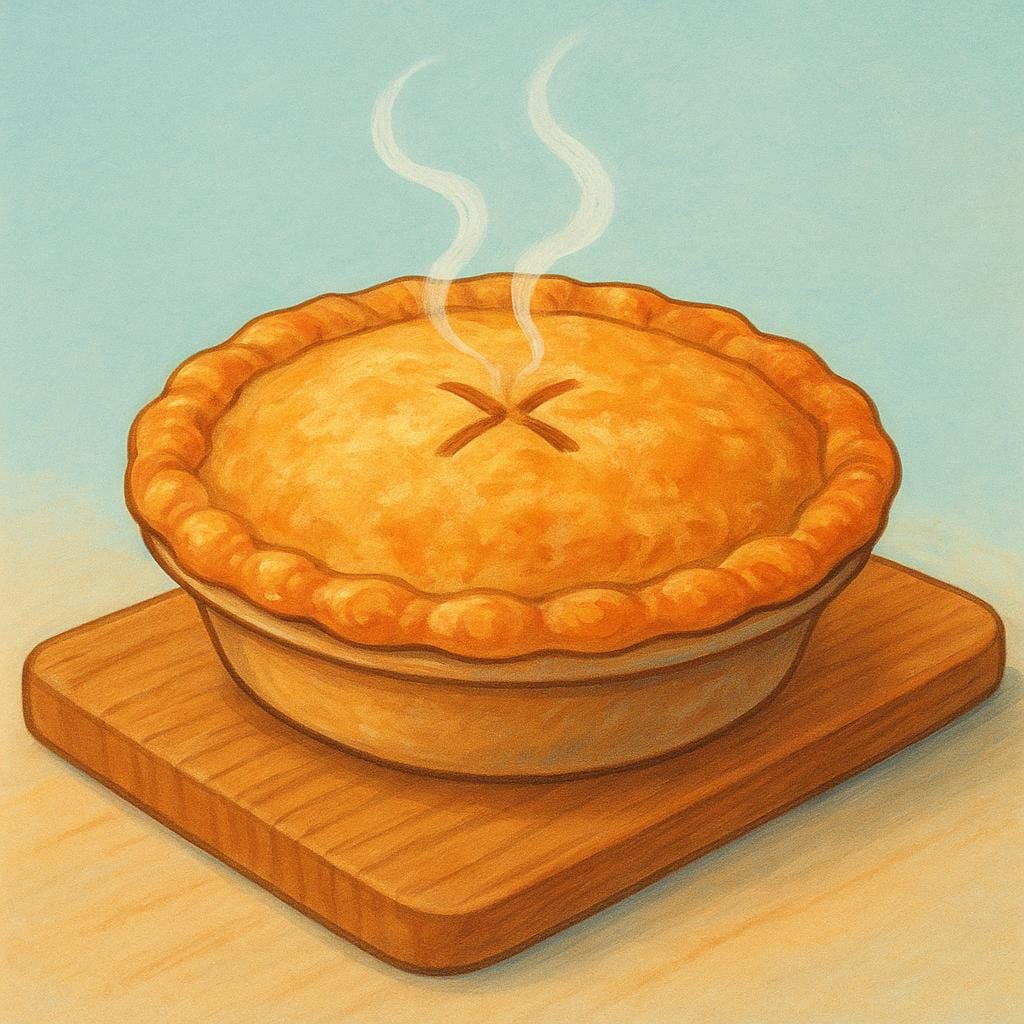
pastel
pas-TELpasˈtɛl
Examples
Mi abuela prepara un delicioso pastel de papa con queso.
My grandmother makes a delicious potato pie with cheese (or shepherd's pie).
Pedimos un pastel de carne en el restaurante.
We ordered a meat pie at the restaurant.
Sweet vs. Savory is Key
Learn Spanish with Inklingo
Interactive stories, personalized learning, and more.