How to Say "dude" in Spanish
The most common Spanish word for “dude” is “tío” — use this very common and informal term, similar to the US English 'dude', when addressing a male friend or acquaintance casually.






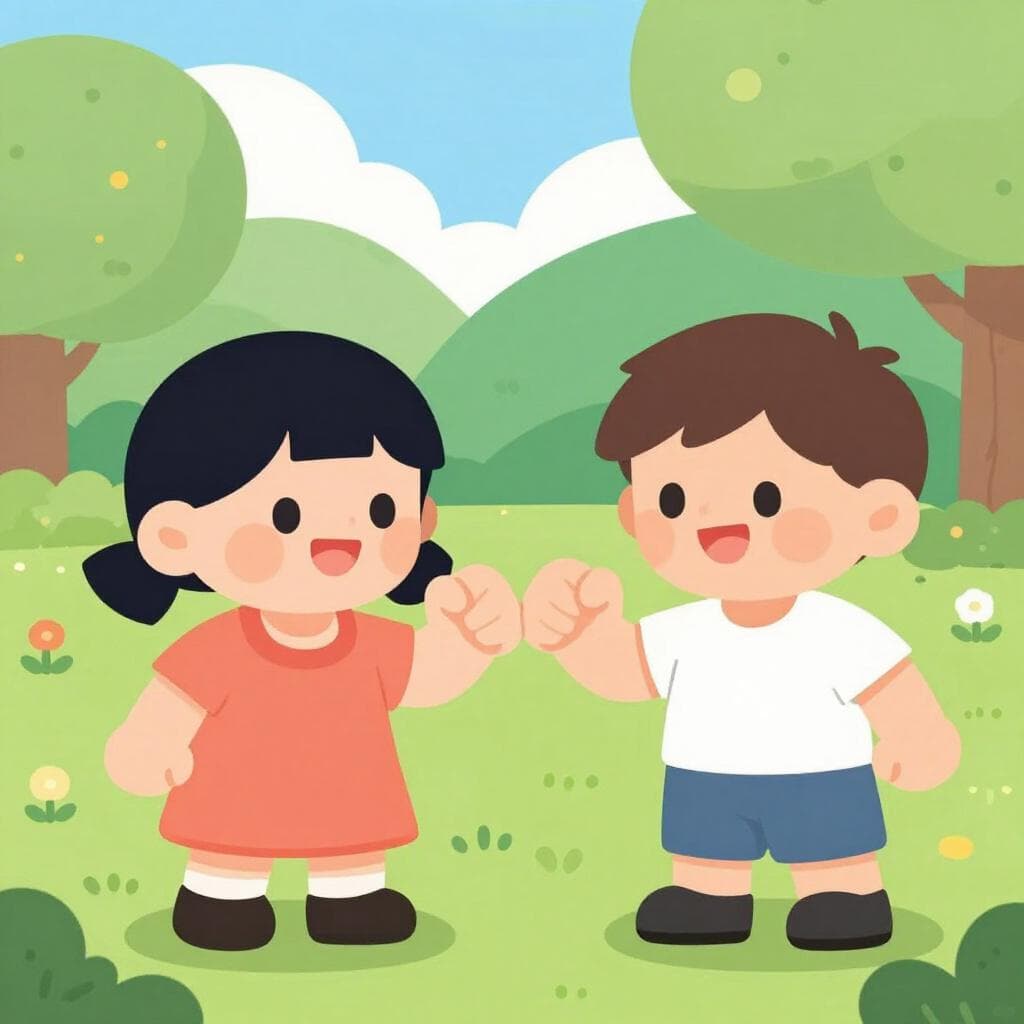
tío
Examples
Oye, tío, ¿qué hora es?
Hey dude, what time is it?
tía
Examples
Oye, tía, ¿qué tal?
Hey girl, what's up?
primo
PREE-mohˈpɾimo

Examples
Mi primo Juan viene a visitarnos este verano.
My cousin Juan is coming to visit us this summer.
No he visto a mi primo desde la boda de mi tía.
I haven't seen my cousin since my aunt's wedding.
Gender Matching
Remember that 'primo' is only for a male cousin. If you are talking about a female cousin, you must use 'prima'.
Confusing Gender
Mistake: “Mi primo (female) es muy inteligente.”
Correction: Mi prima es muy inteligente. (The ending must match the gender of the person.)
brother
bro-derˈbɾoðeɾ

Examples
¡Qué onda, brother! ¿Cómo has estado?
Hey bro! How have you been?
Él no es mi primo, pero es mi brother de toda la vida.
He's not my cousin, but he's been my best friend forever.
Oye, brother, ¿me puedes hacer un paro?
Hey dude, can you do me a favor?
Using English words in Spanish
Even though this is an English word, you use it with Spanish grammar. You would say 'el brother' using the Spanish word for 'the'.
One word for many
In Spanish slang, 'brother' is often used for any close male friend, regardless of whether you have a real brother or not.
Formal Situations
Mistake: “Using 'brother' to address your boss.”
Correction: Use 'señor' or their title. 'Brother' is only for friends and very casual settings.
man
mahnman

Examples
Ese man es muy buena gente.
That guy is a really nice person.
¿Viste lo que hizo el man?
Did you see what the guy did?
Mi man me invitó a cenar.
My guy (boyfriend) invited me to dinner.
A Borrowed Word
This word is taken directly from the English word 'man.' Even though it looks English, it follows Spanish grammar rules for the most part when used in conversation.
Making it Plural
In many countries like Colombia, people make this word plural by adding '-es' to the end, resulting in 'manes' (the guys).
Don't use it in Spain
Mistake: “Using 'man' to mean 'guy' in Madrid.”
Correction: In Spain, people use 'tío' or 'chaval.' Using 'man' might confuse locals or sound very foreign.
Assuming it refers to humanity
Mistake: “Using 'man' to mean 'mankind' in Spanish.”
Correction: In Spanish, 'man' is only used for a specific guy. To talk about mankind, use 'la humanidad'.
chaval
cha-VALtʃaˈβal
Examples
¿Qué pasa, chaval? ¿Vienes a la fiesta?
What's up, mate? Are you coming to the party?
Oye, chaval, ¿me puedes pasar la sal?
Hey, guy, can you pass me the salt?
Direct Address
When used in this way, 'chaval' is like an exclamation or a direct address, similar to putting 'hey' or 'man' at the beginning of a sentence.
Formal Situations
Mistake: “Using 'chaval' to address an older person or someone in a professional setting.”
Correction: This word is highly informal. Use 'Señor' or 'Señora' for respect, or 'usted' for formal address.
tipo
tee-pohˈtipo

Examples
Vi a un tipo extraño en la calle.
I saw a strange guy on the street.
¿Conoces a ese tipo de allá?
Do you know that guy over there?
El tipo de la tienda fue muy amable.
The guy from the store was very nice.
Not for Direct Address
Mistake: “Calling out to a stranger, '¡Oye, tipo!'”
Correction: You use 'tipo' to talk *about* a guy, but not to his face. To get someone's attention, you would say '¡Oiga!', '¡Perdone!', or '¡Disculpe!'.
pai
pah-eeˈpai

Examples
Mi pai me enseñó a conducir el carro.
My dad taught me how to drive the car.
¿Qué pasó, pai? ¿Todo bien?
What's up, dude? Everything good?
Dile a tu pai que lo espero en la esquina.
Tell your pop I'll wait for him on the corner.
A Shortened Form
This word is a shortened version of 'padre.' It follows the pattern where the middle sounds are dropped in fast, informal speech.
Used for more than just Dads
Just like 'dude' or 'bro' in English, you can use this to address friends or even strangers in casual settings, even if they aren't your father.
Don't use it in school or work
Mistake: “Saying 'Hola, pai' to your boss.”
Correction: Use 'Señor' or their name. 'Pai' is strictly for friends and family in very relaxed environments.
mae
mah-ehmae

Examples
Ese mae es muy buena gente.
That guy is a very nice person.
¿Qué pasó, mae?
What happened, dude?
Había un mae vendiendo comida en la esquina.
There was a guy selling food on the corner.
Using 'Mae' for everyone
While originally masculine, younger Costa Ricans often use 'la mae' to refer to a girl, though 'el mae' is the standard default for a guy.
The 'Friendly Filler'
This word often acts as a 'comma' in conversation. It doesn't always mean 'dude'; sometimes it's just a sound used to keep the conversation flowing.
Too much of a good thing
Mistake: “Using 'mae' in a job interview or with a doctor.”
Correction: Only use it with friends or people your own age. Using it in formal settings can sound disrespectful.
buey
bwaybwej

Examples
¡Qué onda, buey! ¿Cómo estás?
What's up, dude! How are you?
Ese buey no sabe de lo que está hablando.
That guy doesn't know what he's talking about.
No seas buey, ¡apúrate o vamos a llegar tarde!
Don't be a dummy, hurry up or we're going to be late!
The 'Güey' Variation
In modern texting and casual writing, you will almost always see this spelled as 'güey' or even 'wey'. 'Buey' is the original dictionary spelling.
Not Just for Men
Even though it is technically masculine, young people in Mexico often use it to address female friends as well.
Use with Caution
Mistake: “Using 'buey' with a teacher or a boss.”
Correction: This is strictly informal. Only use it with people your own age or close friends to avoid being disrespectful.
tronco
TRON-koˈtɾoŋko
Examples
Oye, tronco, ¿quieres venir al cine?
Hey, dude, do you want to come to the movies?
we
waywe

Examples
¡Qué onda, we! ¿Cómo has estado?
What's up, dude! How have you been?
Ese we de allá es el hermano de Diego.
That guy over there is Diego's brother.
No te preocupes, we, yo te ayudo.
Don't worry, man, I'll help you.
Text Speak Spelling
'We' is the shorthand version of 'güey.' It's used almost exclusively in writing like WhatsApp or Instagram to save time.
Gender Usage
While originally masculine, young people in Mexico often use it to address both male and female friends in very casual groups.
Confusion with English
Mistake: “Using 'we' to mean 'nosotros' in a Spanish sentence.”
Correction: In Spanish, 'we' is always slang for 'dude.' If you want to say 'we' as in 'us,' use 'nosotros.'
Wrong Social Setting
Mistake: “Using 'we' with a teacher or boss.”
Correction: This is very informal. Only use it with close friends of your own age.
co
koko
Examples
¡Hola, co! ¿Cómo vas?
Hi, dude! How's it going?
¡Oye, co, espérame un momento!
Hey, mate, wait for me a second!
No me digas eso, co, que no me lo creo.
Don't tell me that, man, I don't believe it.
The 'Aragonese' Tag
This word is a 'filler' used to address friends. It doesn't change the meaning of the sentence, but it makes you sound like a local from Zaragoza.
Where to put it
You can use this at the very beginning of a sentence to get attention, or at the very end as a friendly closer.
Using it in formal meetings
Mistake: “Using 'co' when talking to your boss.”
Correction: Only use this with close friends or people your own age in casual settings.
Regional Confusion
Mistake: “Using 'co' in Mexico or Argentina.”
Correction: People will likely understand you're using slang, but they use 'güey' or 'che' instead. 'Co' is specifically from Aragon, Spain.
Choosing the Right 'Dude'
Learn Spanish with Inklingo
Interactive stories, personalized learning, and more.