How to Say "mate" in Spanish
The most common Spanish word for “mate” is “compañero” — use this term to refer to a close friend or partner, particularly in British/Australian slang contexts, implying a strong bond.




compañero
Examples
Mi compañero de piso me dejó una nota.
My flatmate left me a note.
colega
coh-LEH-gahkoˈleɣa

Examples
¡Hola, colega! ¿Vamos a tomar algo?
Hey, mate! Shall we go for a drink?
¡Qué pasa, colega! ¿Vamos al cine esta noche?
What's up, mate! Shall we go to the cinema tonight?
Ese es mi colega desde la universidad.
That's been my buddy since university.
camarada
kah-mah-RAH-dahkamaˈɾaða
Examples
Mi camarada de la universidad me ayudó a estudiar para el examen.
My university companion/mate helped me study for the exam.
Los viejos camaradas de guerra se encontraron después de muchos años.
The old comrades-in-arms met after many years.
Ella es una camarada muy leal en el trabajo.
She is a very loyal colleague at work.
Gender is Flexible
Even though 'camarada' ends in '-a', it can refer to both men and women. The word you use before it (the article) tells you the gender: 'el camarada' (male) or 'la camarada' (female).
Confusing Gender
Mistake: “Using 'el camarada' for a woman.”
Correction: Use 'la camarada' when referring to a woman. The word itself doesn't change, only the article.
tío
Examples
Oye, tío, ¿qué hora es?
Hey dude, what time is it?
chaval
cha-VALtʃaˈβal
Examples
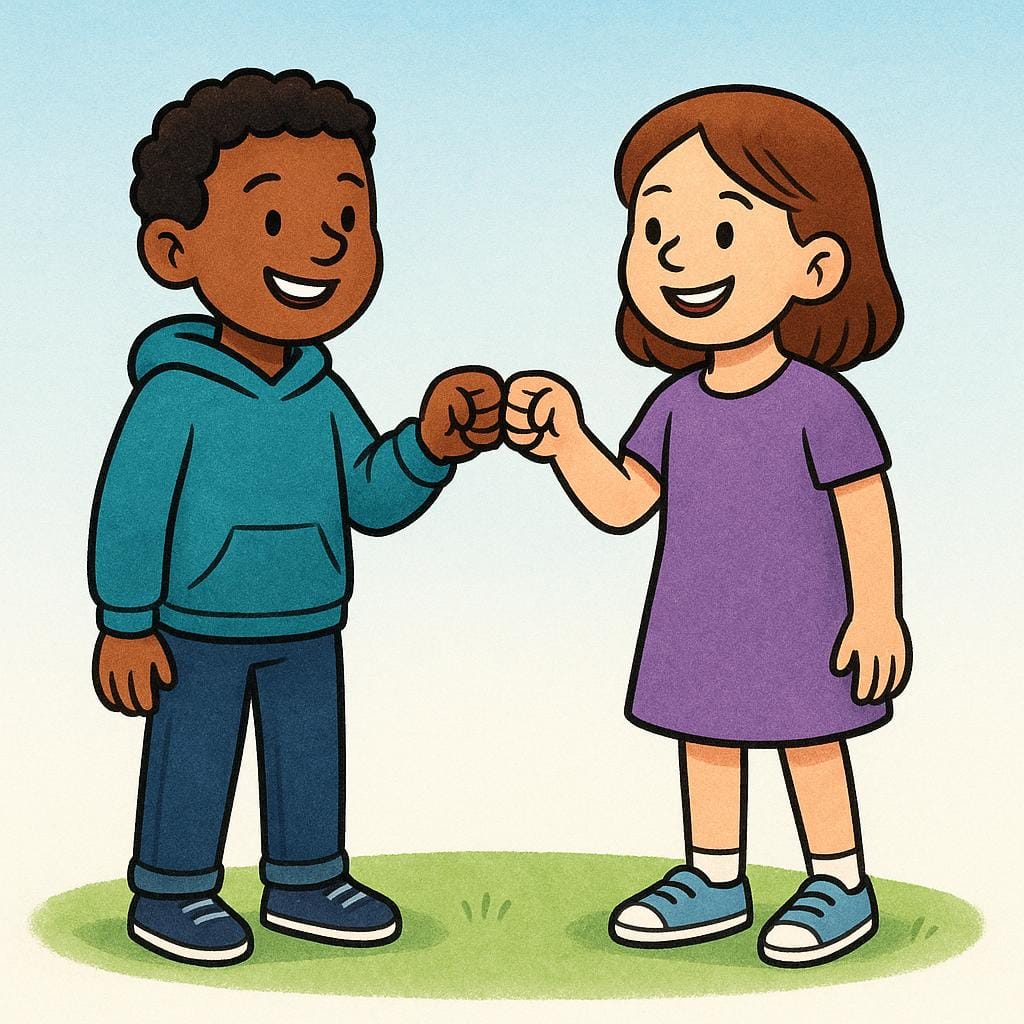
¿Qué pasa, chaval? ¿Vienes a la fiesta?
What's up, mate? Are you coming to the party?
Oye, chaval, ¿me puedes pasar la sal?
Hey, guy, can you pass me the salt?
Direct Address
When used in this way, 'chaval' is like an exclamation or a direct address, similar to putting 'hey' or 'man' at the beginning of a sentence.
Formal Situations
Mistake: “Using 'chaval' to address an older person or someone in a professional setting.”
Correction: This word is highly informal. Use 'Señor' or 'Señora' for respect, or 'usted' for formal address.
pareja
pah-REH-hahpaˈɾe.xa
Examples
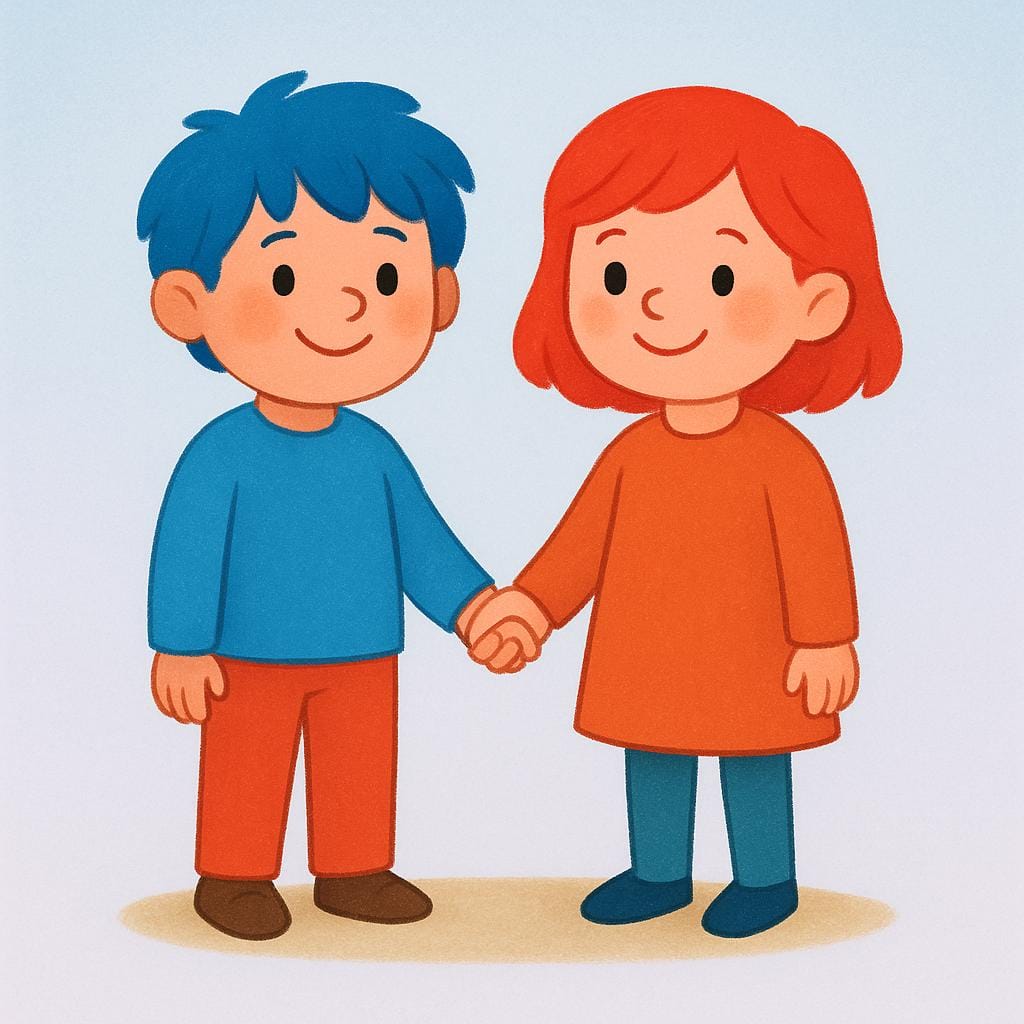
Mi pareja de baile es muy buena.
My dance partner is very good.
Mi pareja y yo vamos a adoptar un perro.
My partner and I are going to adopt a dog.
Ellos son una pareja muy divertida.
They are a very fun couple.
¿Quién es tu pareja de baile?
Who is your dance partner?
Always Feminine
Even if the person you are referring to is male, the word 'pareja' is always feminine: 'El es mi pareja' (He is my partner).
Using Masculine Article
Mistake: “El pareja”
Correction: La pareja. Remember that the word itself determines the article, not the gender of the person.
primo
PREE-mohˈpɾimo

Examples
Oye, primo, ¿me prestas tu coche?
Hey, cuz/mate, can you lend me your car?
Mi primo Juan viene a visitarnos este verano.
My cousin Juan is coming to visit us this summer.
No he visto a mi primo desde la boda de mi tía.
I haven't seen my cousin since my aunt's wedding.
Gender Matching
Remember that 'primo' is only for a male cousin. If you are talking about a female cousin, you must use 'prima'.
Confusing Gender
Mistake: “Mi primo (female) es muy inteligente.”
Correction: Mi prima es muy inteligente. (The ending must match the gender of the person.)
tronco
TRON-koˈtɾoŋko

Examples
Oye, tronco, ¿quieres venir al cine?
Hey, dude, do you want to come to the movies?
co
koko

Examples
¡Hola, co! ¿Cómo vas?
Hi, dude! How's it going?
¡Oye, co, espérame un momento!
Hey, mate, wait for me a second!
No me digas eso, co, que no me lo creo.
Don't tell me that, man, I don't believe it.
The 'Aragonese' Tag
This word is a 'filler' used to address friends. It doesn't change the meaning of the sentence, but it makes you sound like a local from Zaragoza.
Where to put it
You can use this at the very beginning of a sentence to get attention, or at the very end as a friendly closer.
Using it in formal meetings
Mistake: “Using 'co' when talking to your boss.”
Correction: Only use this with close friends or people your own age in casual settings.
Regional Confusion
Mistake: “Using 'co' in Mexico or Argentina.”
Correction: People will likely understand you're using slang, but they use 'güey' or 'che' instead. 'Co' is specifically from Aragon, Spain.
Informal Address Confusion
Related Translations
Learn Spanish with Inklingo
Interactive stories, personalized learning, and more.