primo
“primo” means “cousin” in Spanish. It has 3 different meanings depending on context:



cousin
Also: mate, dude
📝 In Action
Mi primo Juan viene a visitarnos este verano.
A1My cousin Juan is coming to visit us this summer.
No he visto a mi primo desde la boda de mi tía.
A2I haven't seen my cousin since my aunt's wedding.
prime
Also: raw, first-rate
📝 In Action
El número siete es un número primo.
B1The number seven is a prime number.
Necesitamos mucha materia prima para la construcción de la casa.
B2We need a lot of raw material for the construction of the house.
premium
Also: bonus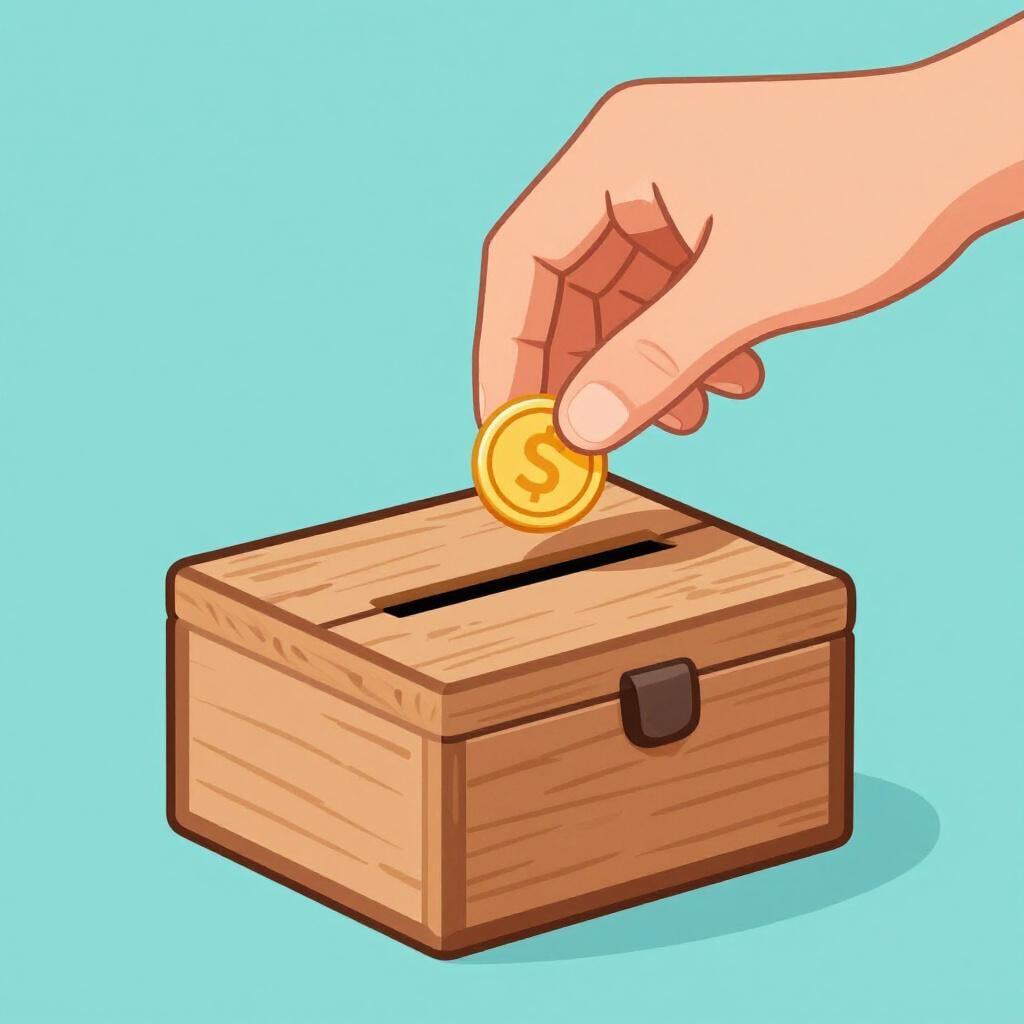
📝 In Action
El pago del primo del seguro vence a fin de mes.
C1The insurance premium payment is due at the end of the month.
Recibió un primo por su excelente desempeño.
C2He received a bonus for his excellent performance.
Translate to Spanish
🗣️ Practice in a Tongue Twister
✏️ Quick Practice
Quick Quiz: primo
Question 1 of 2
Which sentence uses 'primo' in its financial/insurance context?
📚 More Resources
👥 Word Family▼
🎵 Rhymes▼
📚 Etymology▼
Comes from the Latin word 'prīmus,' meaning 'first' or 'chief.' The meaning of 'cousin' developed because a first cousin is the 'first' degree of relationship outside the immediate family.
First recorded: 13th century (in Spanish)
Cognates (Related words)
💡 Master Spanish
Take your Spanish to the next level. Read 200+ illustrated and narrated Spanish stories tailored to your level with the Inklingo app!
Frequently Asked Questions
How do I say 'second cousin'?
You would typically say 'primo segundo' (or 'prima segunda' for a female) to specify a second cousin, although 'primo' by itself usually implies a first cousin.
Is 'primo' the same as 'primero'?
They are related! 'Primo' means 'prime' or 'original/first' (as an adjective, like in 'prime number'), while 'primero' is the standard ordinal number meaning 'first' (e.g., 'the first day').