prima
“prima” means “female cousin” in Spanish. It has 3 different meanings depending on context:
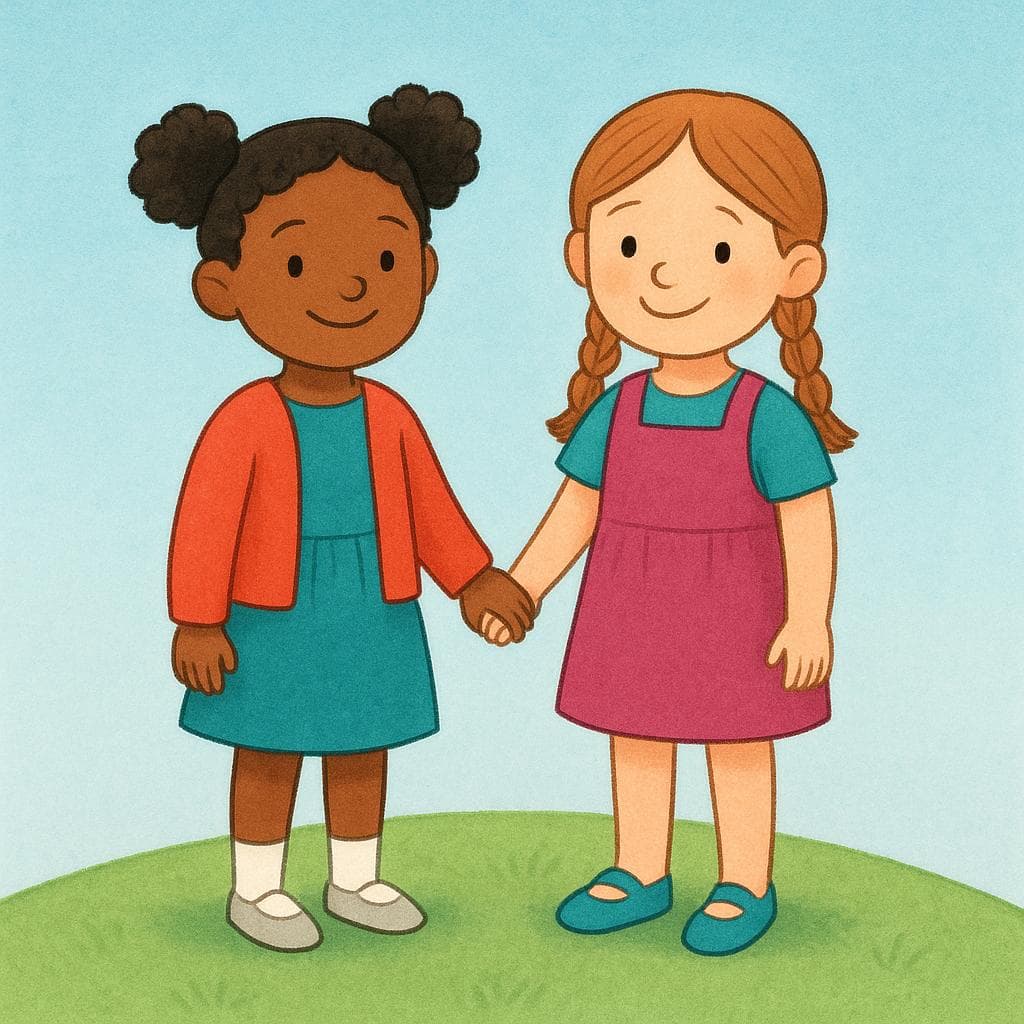


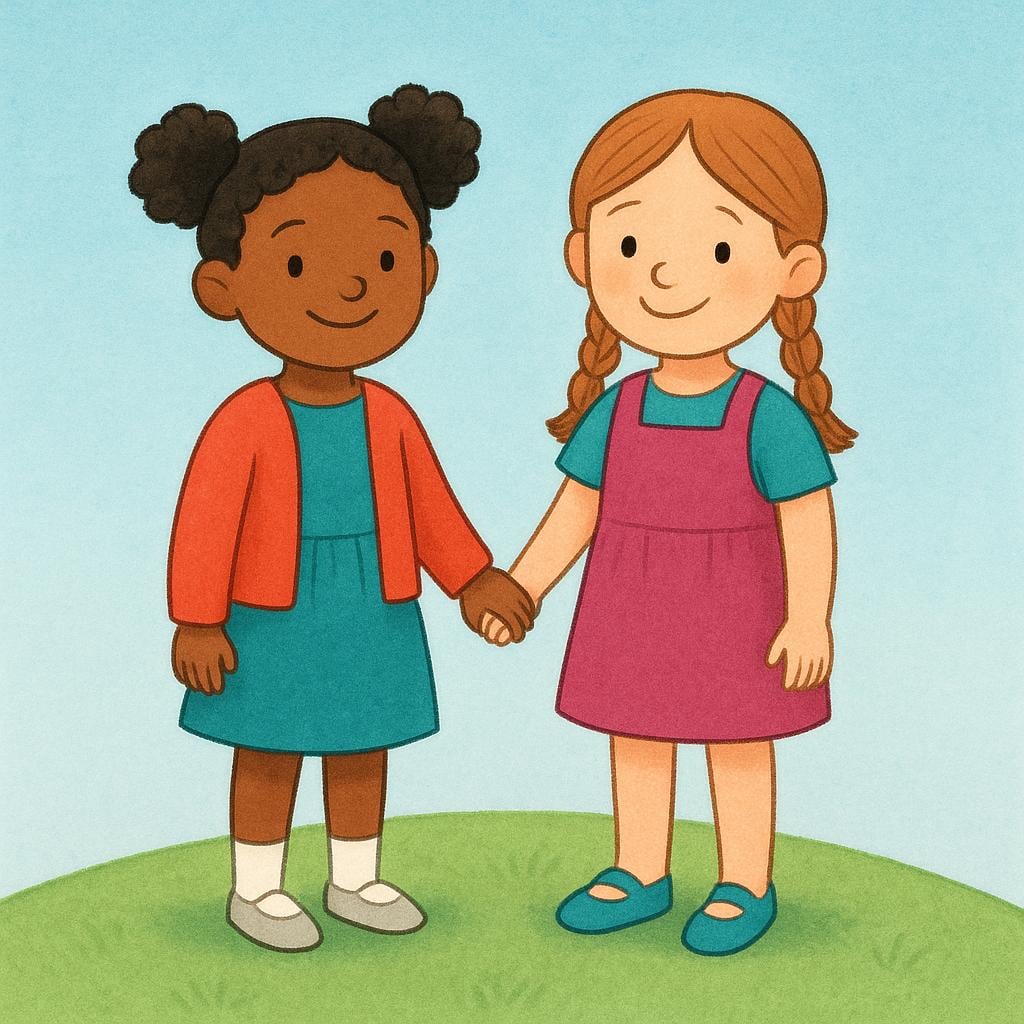
female cousin
📝 In Action
Mi prima Ana vive en Madrid.
A1My cousin Ana lives in Madrid.
¿Vas a ver a tu prima este fin de semana?
A2Are you going to see your cousin this weekend?
premium
Also: fee
📝 In Action
Tenemos que pagar la prima del seguro de coche antes del lunes.
B1We have to pay the car insurance premium before Monday.
La prima mensual subió este año.
B2The monthly premium went up this year.
bonus
Also: incentive
📝 In Action
Recibimos una prima de productividad al final del año.
B2We received a productivity bonus at the end of the year.
En Colombia, la prima de servicios es obligatoria.
C1In Colombia, the service bonus (mandatory employee benefit) is mandatory.
Translate to Spanish
✏️ Quick Practice
Quick Quiz: prima
Question 1 of 2
Which sentence uses 'prima' in its financial context?
📚 More Resources
👥 Word Family▼
🎵 Rhymes▼
📚 Etymology▼
Comes from the Latin word *prīmus*, meaning 'first' or 'chief.' This root explains both meanings: the 'first' degree of cousin relationship, and the 'chief' or initial payment/bonus.
First recorded: Old Spanish (13th Century)
Cognates (Related words)
💡 Master Spanish
Take your Spanish to the next level. Read 200+ illustrated and narrated Spanish stories tailored to your level with the Inklingo app!
Frequently Asked Questions
How do I know if 'prima' means 'cousin' or 'premium'?
The context is almost always clear. If the sentence mentions family members, names, or locations, it means 'cousin.' If the sentence mentions insurance, banks, salaries, or payments, it means 'premium' or 'bonus.'
Are 'prima' and 'primo' pronounced the same way?
No. 'Prima' is pronounced with the 'a' sound at the end, and 'primo' is pronounced with the 'o' sound at the end. They rhyme with each other but have different final vowels.