primos
“primos” means “cousins” in Spanish. It has 2 different meanings depending on context:

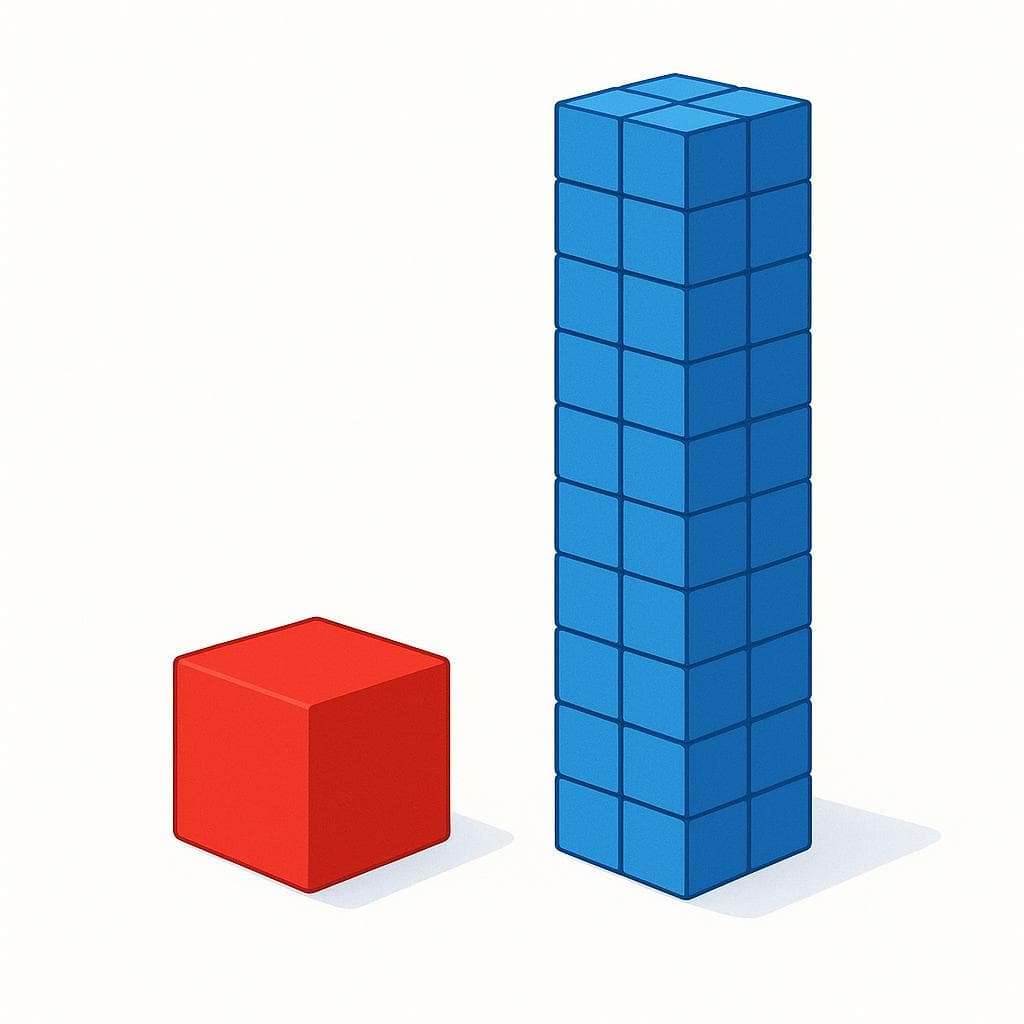
cousins
Also: male cousins
📝 In Action
Mis primos de México vienen para Navidad.
A1My cousins from Mexico are coming for Christmas.
Somos cuatro primos en total, dos chicos y dos chicas.
A2We are four cousins in total, two boys and two girls.
Siempre jugábamos juntos cuando éramos primos pequeños.
A2We always played together when we were little cousins.
prime
Also: first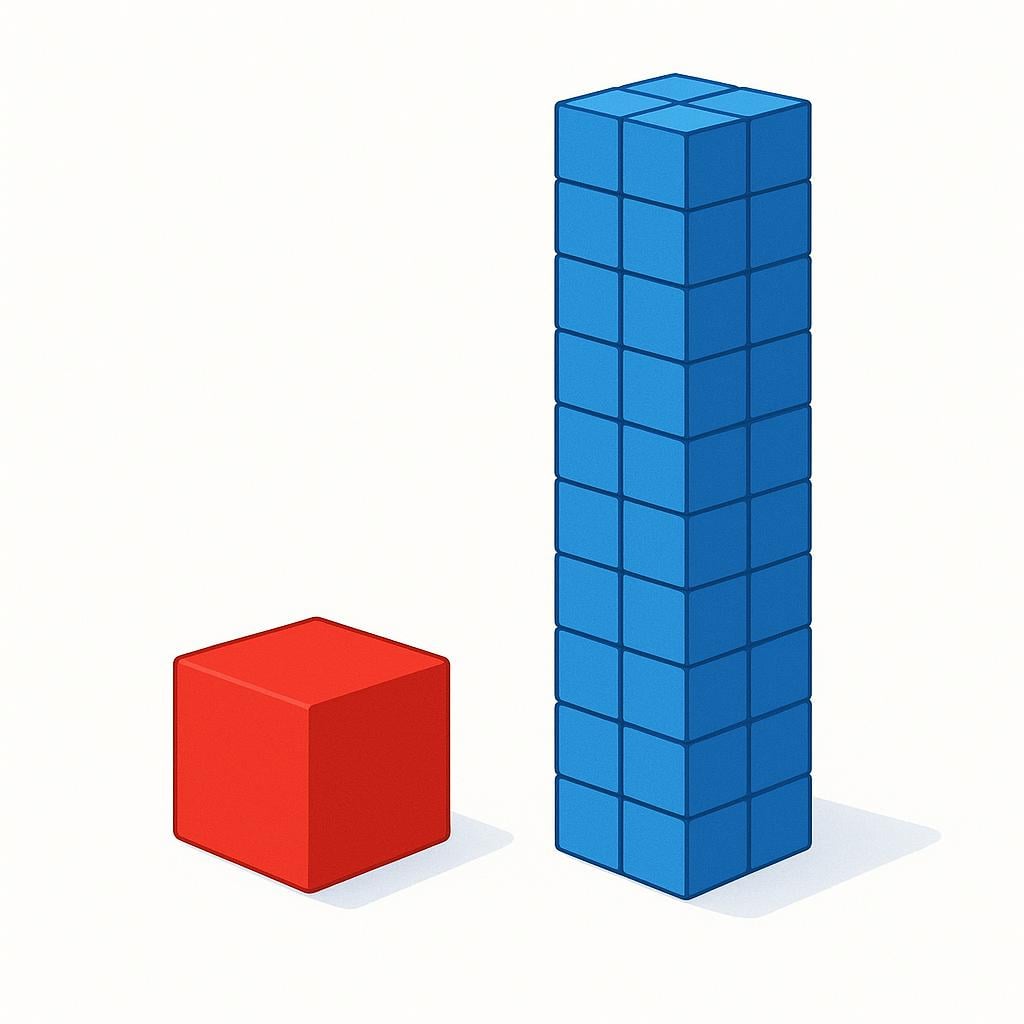
📝 In Action
Los números primos solo son divisibles por uno y por sí mismos.
B2Prime numbers are only divisible by one and by themselves.
Analizamos los factores primos del polinomio.
C1We analyzed the prime factors of the polynomial.
Translate to Spanish
✏️ Quick Practice
Quick Quiz: primos
Question 1 of 2
Which sentence uses 'primos' to refer to a mathematical concept?
📚 More Resources
👥 Word Family▼
🎵 Rhymes▼
📚 Etymology▼
The word comes from the Latin word *prīmus*, meaning 'first' or 'original.' This root explains both meanings: cousins are part of the 'first' generation removed from your immediate family, and 'prime' numbers are the 'first' or fundamental building blocks of math.
First recorded: Old Spanish (around 13th century)
Cognates (Related words)
💡 Master Spanish
Take your Spanish to the next level. Read 200+ illustrated and narrated Spanish stories tailored to your level with the Inklingo app!
Frequently Asked Questions
How do I say 'first cousins' in Spanish?
You use the phrase 'primos hermanos' (literally 'brother cousins'). This emphasizes that they are the children of your mother's or father's siblings.
Does 'primos' ever mean 'prime' in a non-math context, like 'prime time'?
No, generally not. For things like 'prime time' (TV), Spanish uses words like 'horario estelar' or 'horario de máxima audiencia'. 'Primos' is mostly reserved for family or mathematics.