How to Say "raw" in Spanish
The most common Spanish word for “raw” is “crudo” — use 'crudo' when referring to food or other items that have not been cooked or processed by heat.
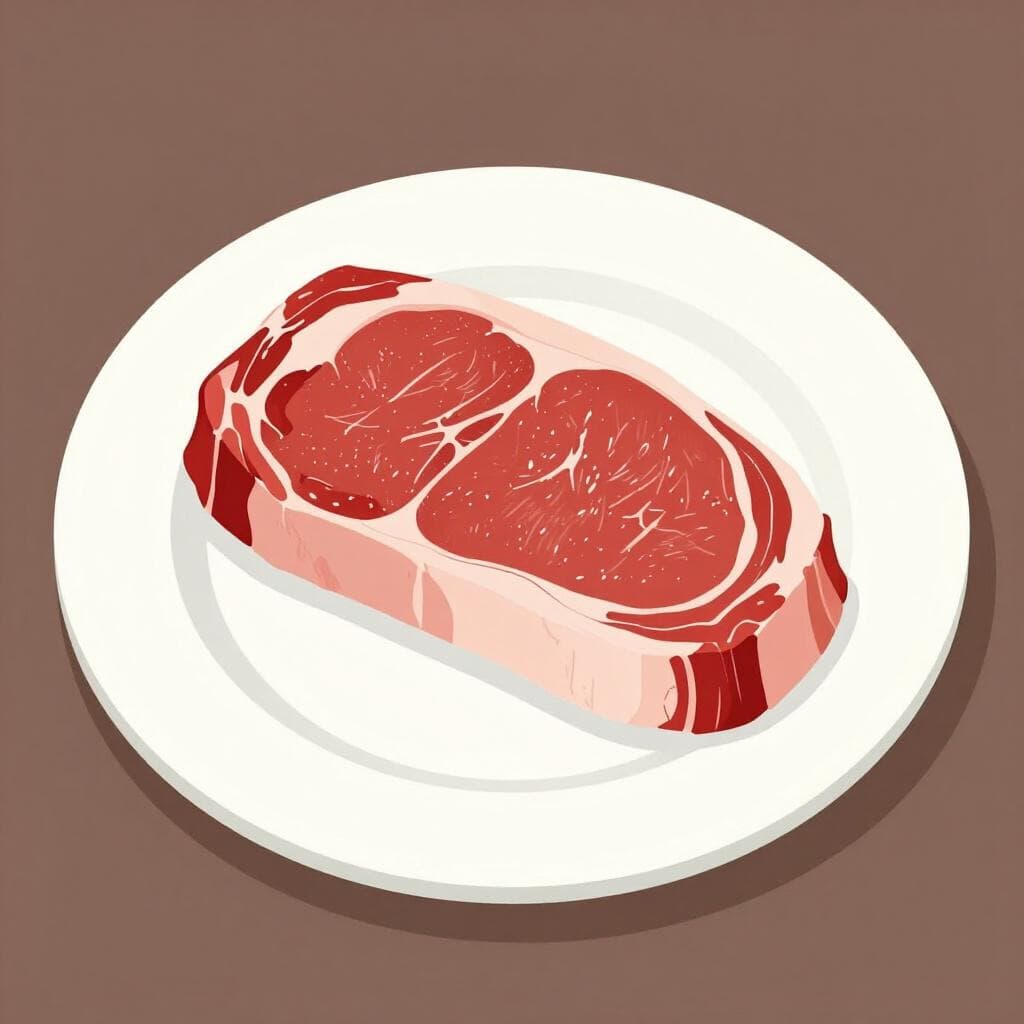
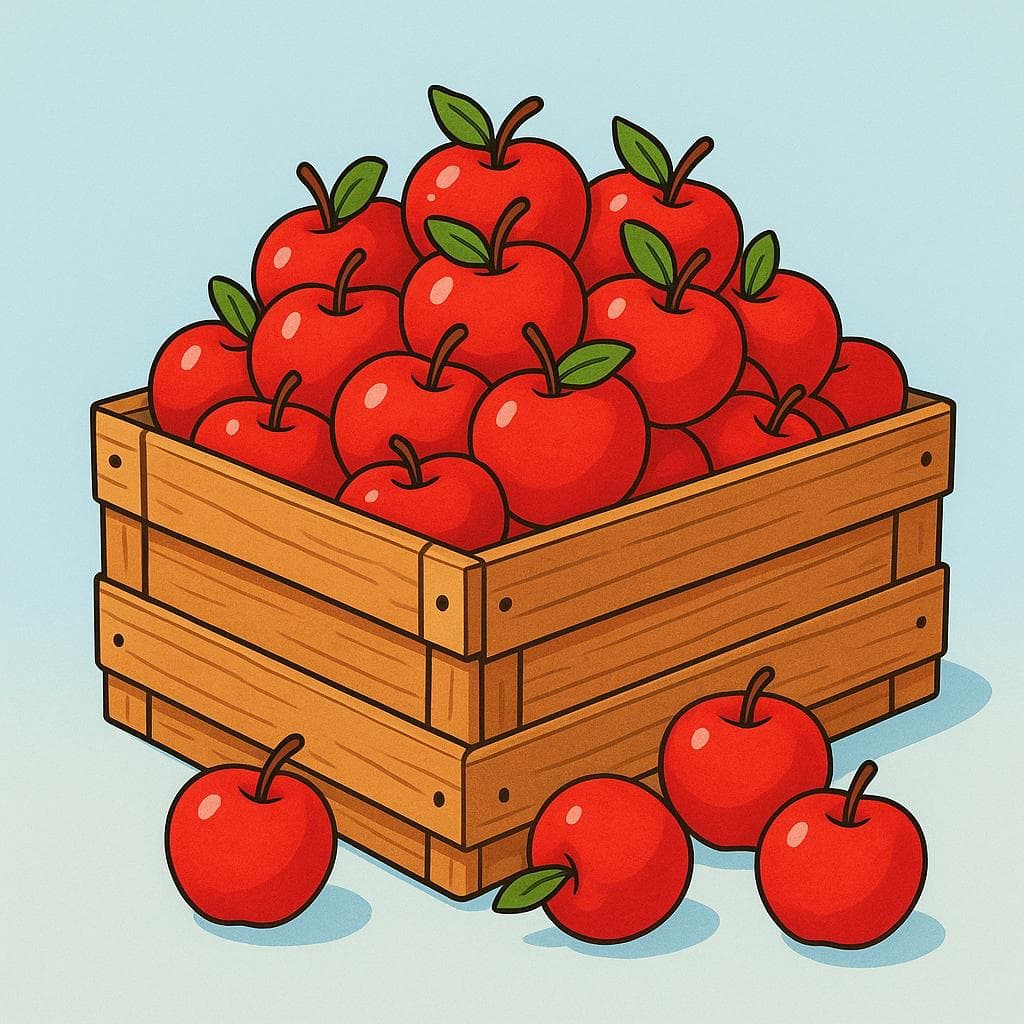

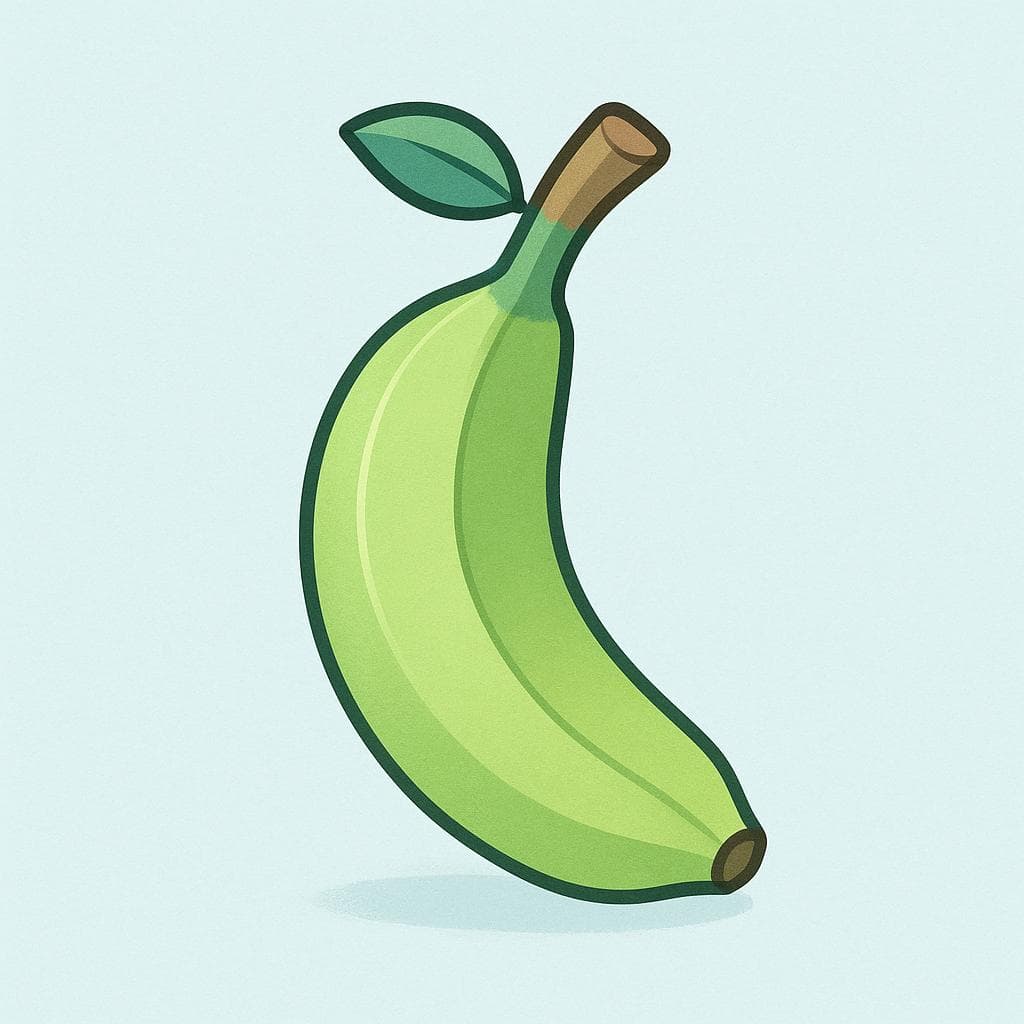
crudo
kroo-dohˈkɾuðo
Examples
Me encanta el sushi con salmón crudo.
I love sushi with raw salmon.
No me gusta el pescado crudo.
I don't like raw fish.
Las zanahorias crudas son muy buenas para la salud.
Raw carrots are very good for your health.
Este pollo está crudo por dentro, hay que cocinarlo más.
This chicken is raw on the inside; it needs to be cooked more.
Matching the Ending
Since this is an adjective, it must match the gender of the food. Use 'crudo' for masculine things (el jamón crudo) and 'cruda' for feminine things (la cebolla cruda).
Placement
Usually, 'crudo' comes after the noun it describes, like 'pescado crudo,' to distinguish it from cooked fish.
Raw vs. Rude
Mistake: “Using 'crudo' to mean a 'rude' person.”
Correction: Use 'grosero' or 'maleducado' for people. 'Crudo' refers to the state of food or harsh reality.
bruto
broo-tohˈbɾuto
Examples
El precio bruto incluye todos los impuestos.
The gross price includes all taxes.
Mi salario bruto es de dos mil euros.
My gross salary is two thousand euros.
La empresa exporta diamantes en bruto.
The company exports rough (uncut) diamonds.
Placement
In finance, 'bruto' almost always comes after the word it describes, like 'salario bruto'.
Gross as Disgusting
Mistake: “Using 'bruto' to mean 'yucky' or 'disgusting'.”
Correction: In Spanish, 'bruto' is for math or totals. If something is disgusting, use 'asco' or 'asqueroso'.
primo
PREE-mohˈpɾimo

Examples
La fábrica necesita más materia prima para continuar la producción.
The factory needs more raw material to continue production.
El número siete es un número primo.
The number seven is a prime number.
Necesitamos mucha materia prima para la construcción de la casa.
We need a lot of raw material for the construction of the house.
Paired Nouns
This adjective is most often seen in specific fixed phrases like 'materia prima' (raw material) or 'número primo' (prime number), where it functions much like a technical descriptor.
verde
BEHR-dehˈbeɾðe
Examples
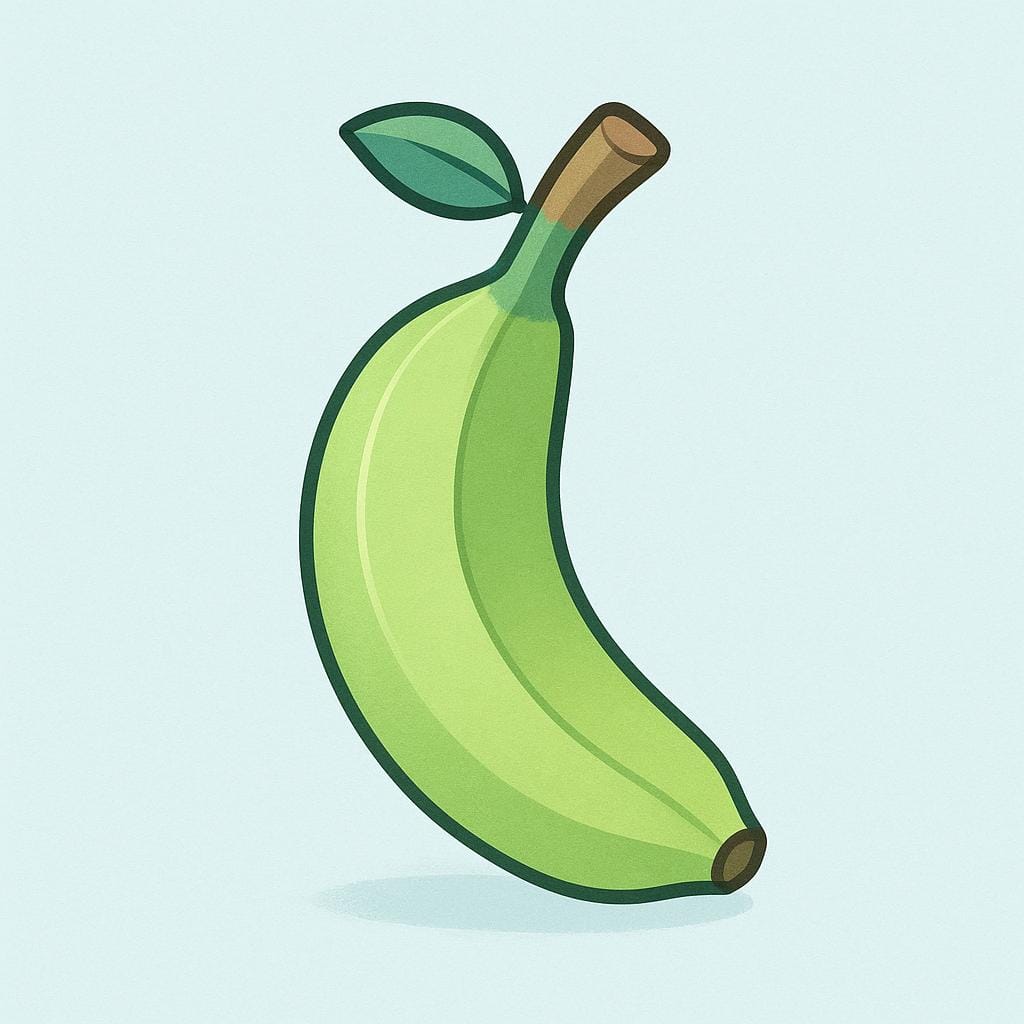
Estas manzanas están verdes, espera a que maduren.
These apples are raw/unripe, wait for them to ripen.
No puedes comer esas fresas; todavía están muy verdes.
You can't eat those strawberries; they are still very unripe.
Es un empleado nuevo y todavía está un poco verde en el puesto.
He is a new employee and is still a bit green/inexperienced in the position.
Crudo vs. Verde for Uncooked Food
Learn Spanish with Inklingo
Interactive stories, personalized learning, and more.