How to Say "beast" in Spanish
The most common Spanish word for “beast” is “animal” — use 'animal' for a general, often literary or slightly negative, reference to any creature, including domestic ones.

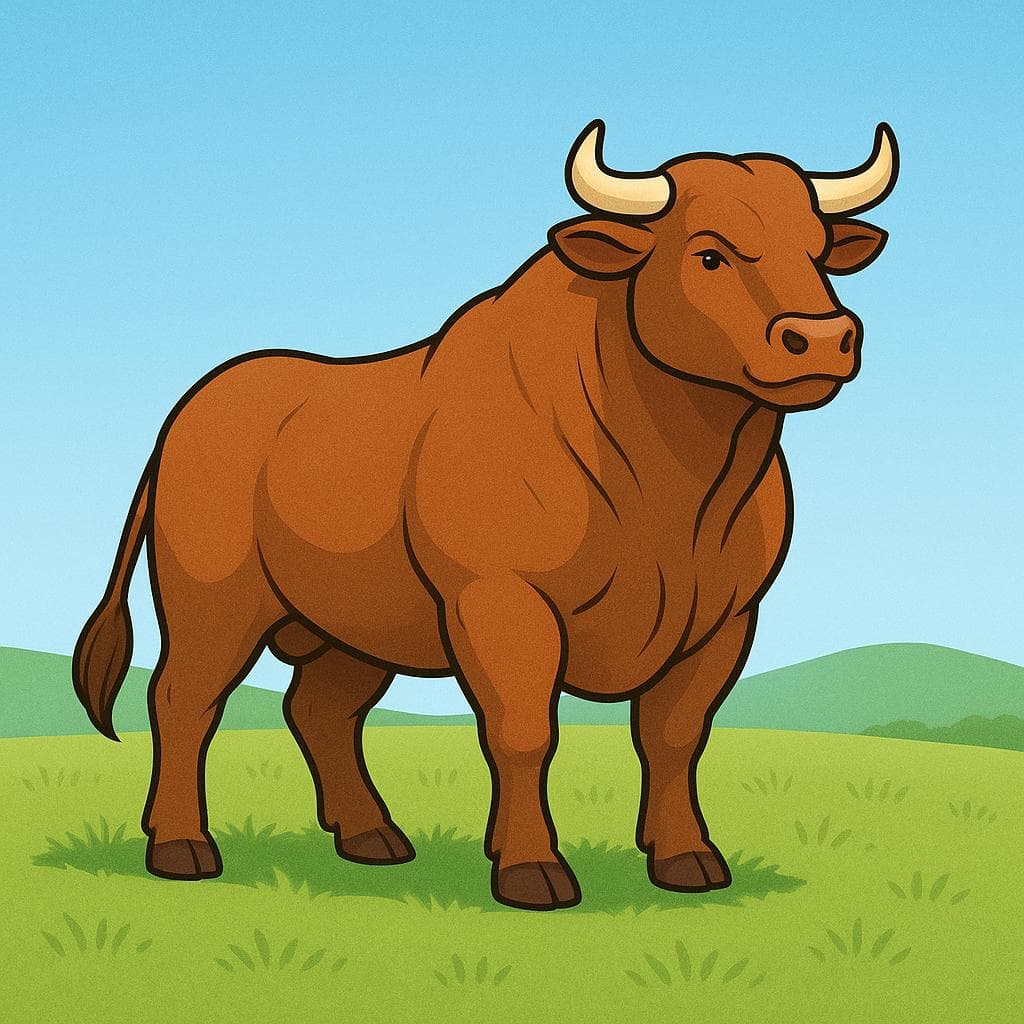

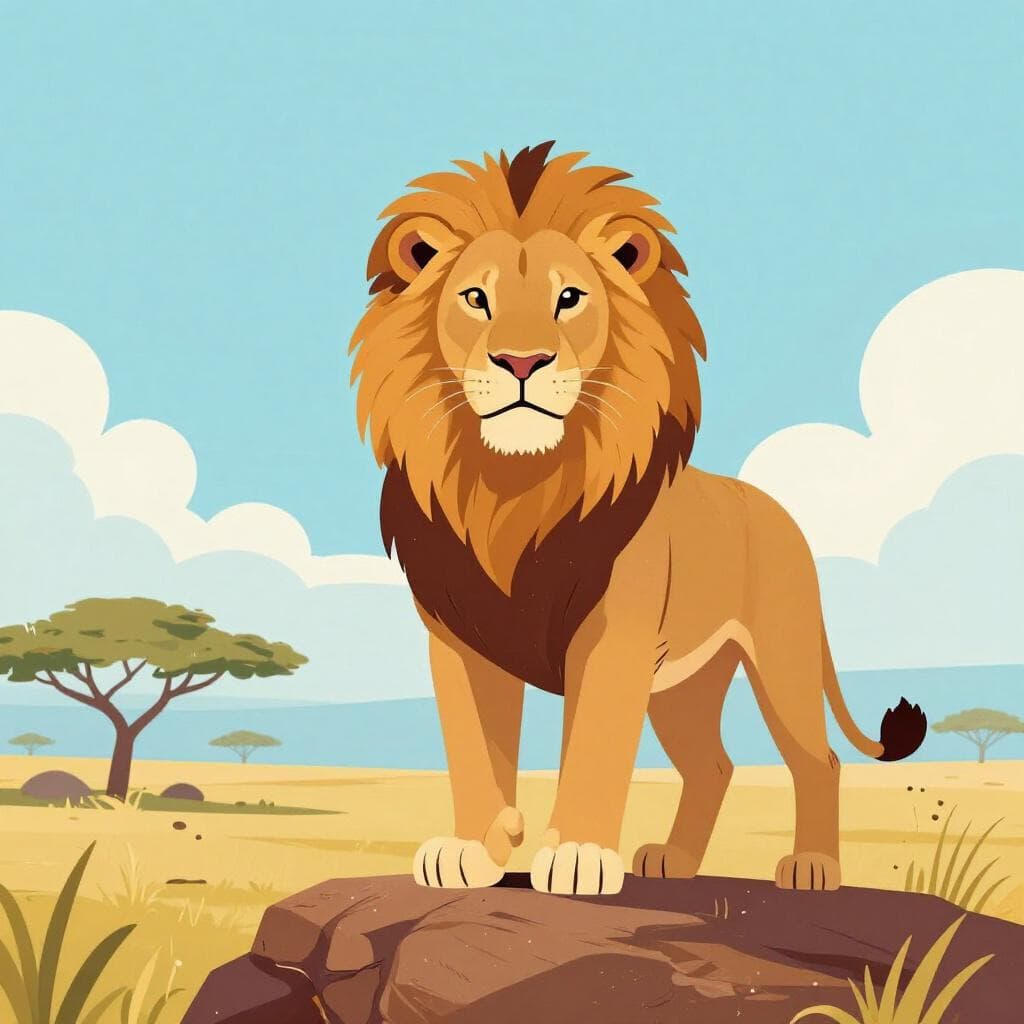
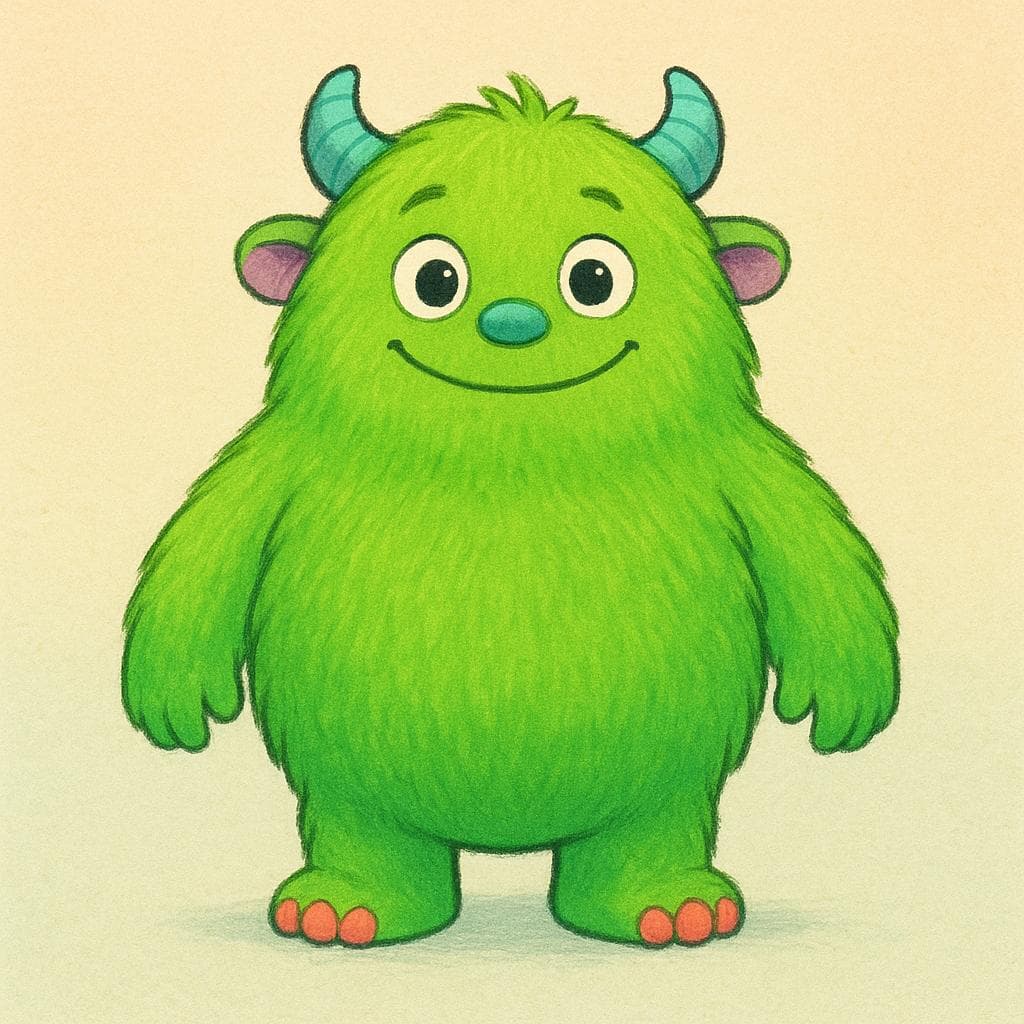

animal
a-ni-'mala.niˈmal

Examples
El perro es un animal doméstico muy leal.
The dog is a very loyal domestic animal.
Estudiamos la vida de los animales en el bosque.
We studied the life of the animals in the forest.
Según la biología, todos somos animales.
According to biology, we are all animals.
Fixed Gender
Even though a creature might be female, the noun animal itself always stays masculine (un animal).
Using the wrong article
Mistake: “La animal es peligrosa.”
Correction: El animal es peligroso. (Remember to use 'el' because 'animal' is a masculine word.)
bestia
BES-tyahˈbes.tja
Examples
El león es una bestia imponente en la sabana.
The lion is an imposing beast on the savanna.
Tuvimos que mover la valla para que pasara la bestia.
We had to move the fence so the large animal could pass.
Always Feminine
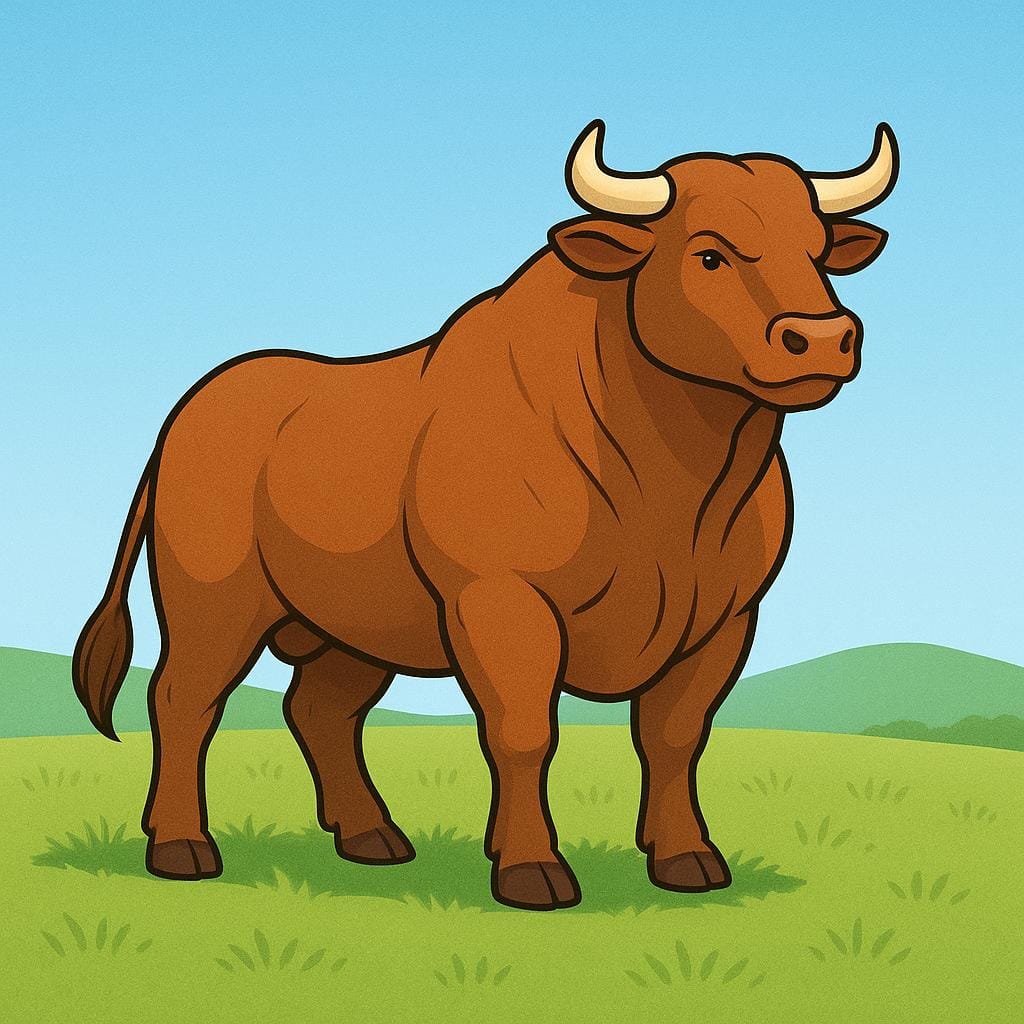
Even when referring to a male animal (like a bull or a male lion), 'bestia' is always a feminine noun ('la bestia').
bicho
bee-choˈbitʃo

Examples
¿Qué bicho es ese? Parece un perro gigante.
What animal is that? It looks like a giant dog.
Nuestro gato es un bicho perezoso que solo duerme.
Our cat is a lazy critter that only sleeps.
fiera
fyeh-rahˈfjeɾa
Examples
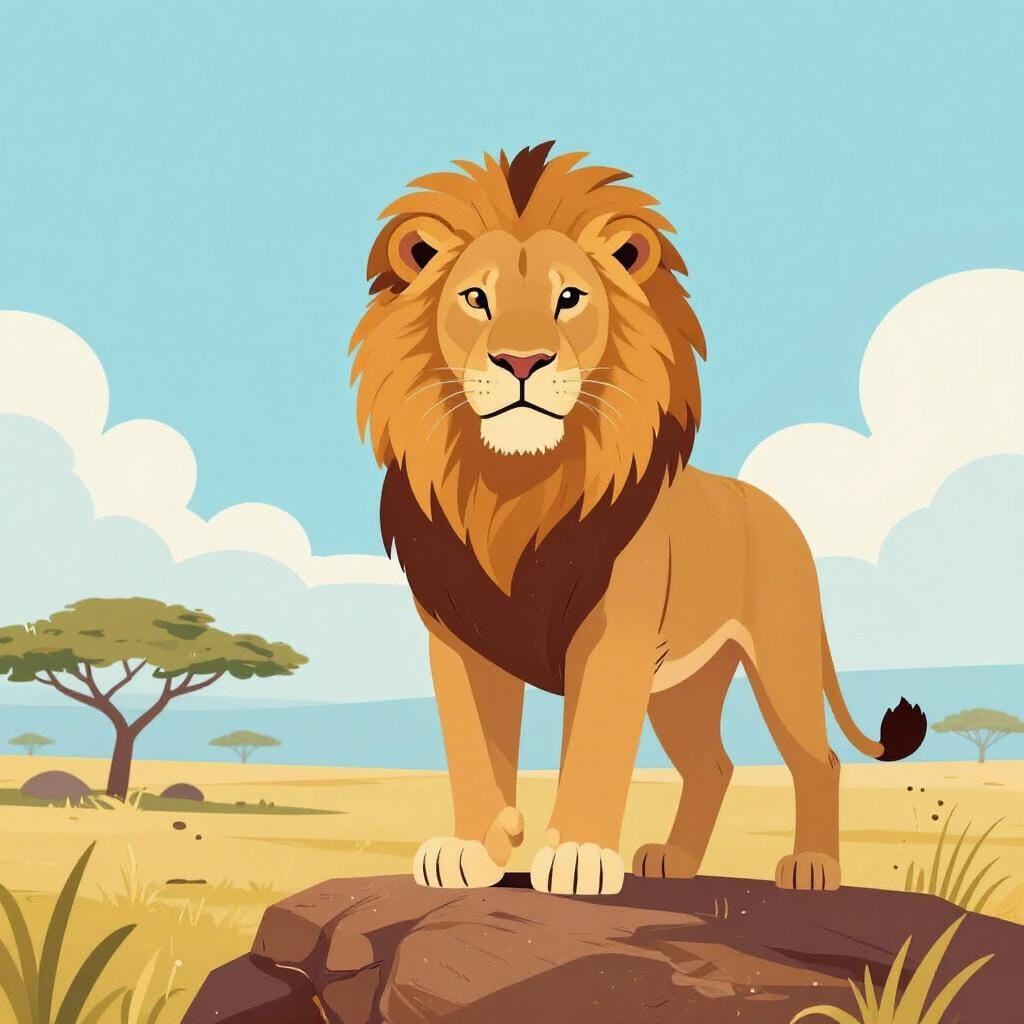
El león es una fiera muy respetada en la selva.
The lion is a very respected wild beast in the jungle.
Las fieras del circo rugían por la noche.
The circus's wild animals were roaring at night.
No te acerques a esa fiera, puede ser peligrosa.
Don't go near that beast; it can be dangerous.
Always Feminine
Even if the wild animal is male, you still use the feminine word 'la fiera' to describe it.
Fiera vs. Animal
Use 'animal' for any living creature, but use 'fiera' specifically for large, wild, or aggressive predators.
Avoid 'fiero' as a noun
Mistake: “Ese león es un fiero.”
Correction: Ese león es una fiera. While 'fiero' is a describing word (adjective), the name for the animal (noun) is always 'fiera'.
monstruo
MOHN-stroh'monstɾwo
Examples
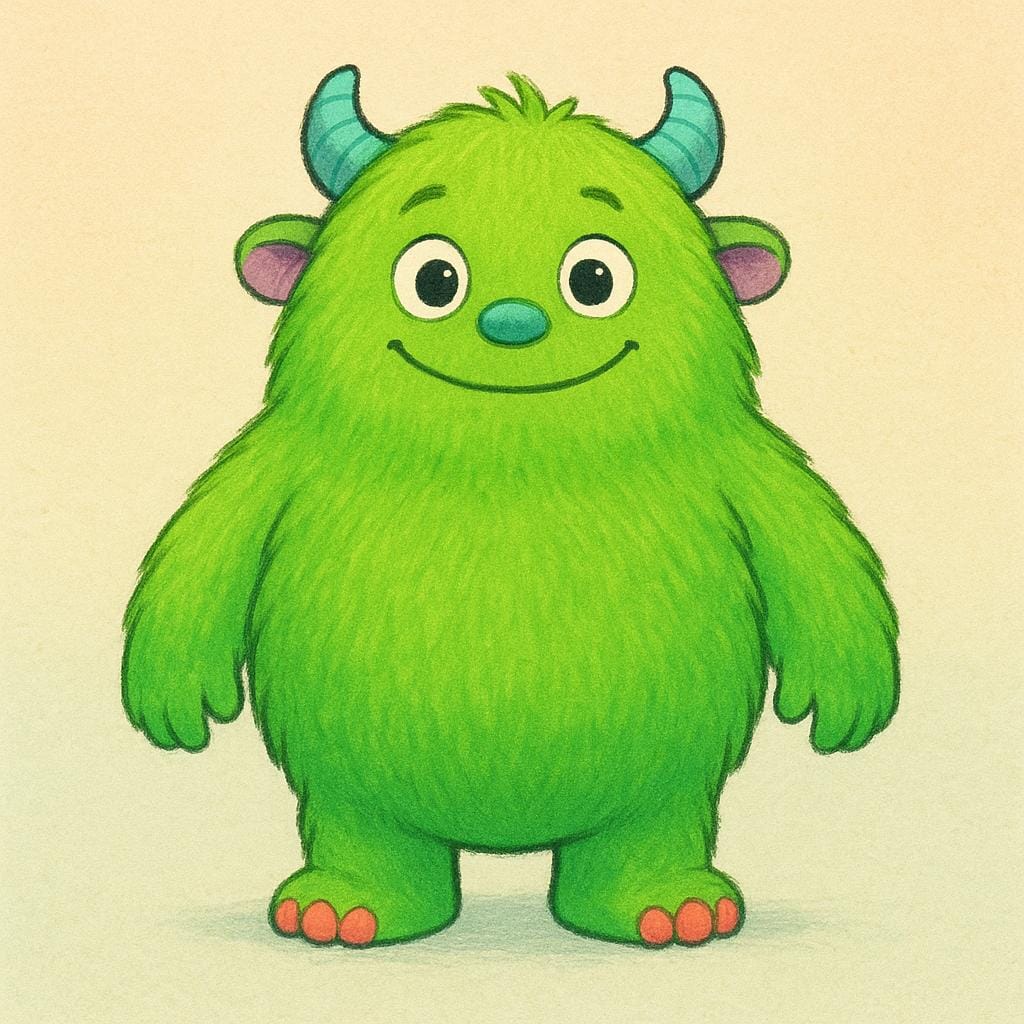
El monstruo marino tenía ojos rojos y dientes afilados.
The sea monster had red eyes and sharp teeth.
Pensaban que había un monstruo viviendo en el pantano.
They thought there was a monster living in the swamp.
Gender Note
Even though 'monstruo' ends in 'o', it can refer to a creature of any gender (male or female). You always use the masculine article: 'el monstruo'.
bruto
broo-tohˈbɾuto

Examples
Ese hombre es un bruto, no tiene modales.
That man is a brute, he has no manners.
Animal vs. Human 'Beast'
Learn Spanish with Inklingo
Interactive stories, personalized learning, and more.