bicho
“bicho” means “bug” in Spanish. It has 4 different meanings depending on context:
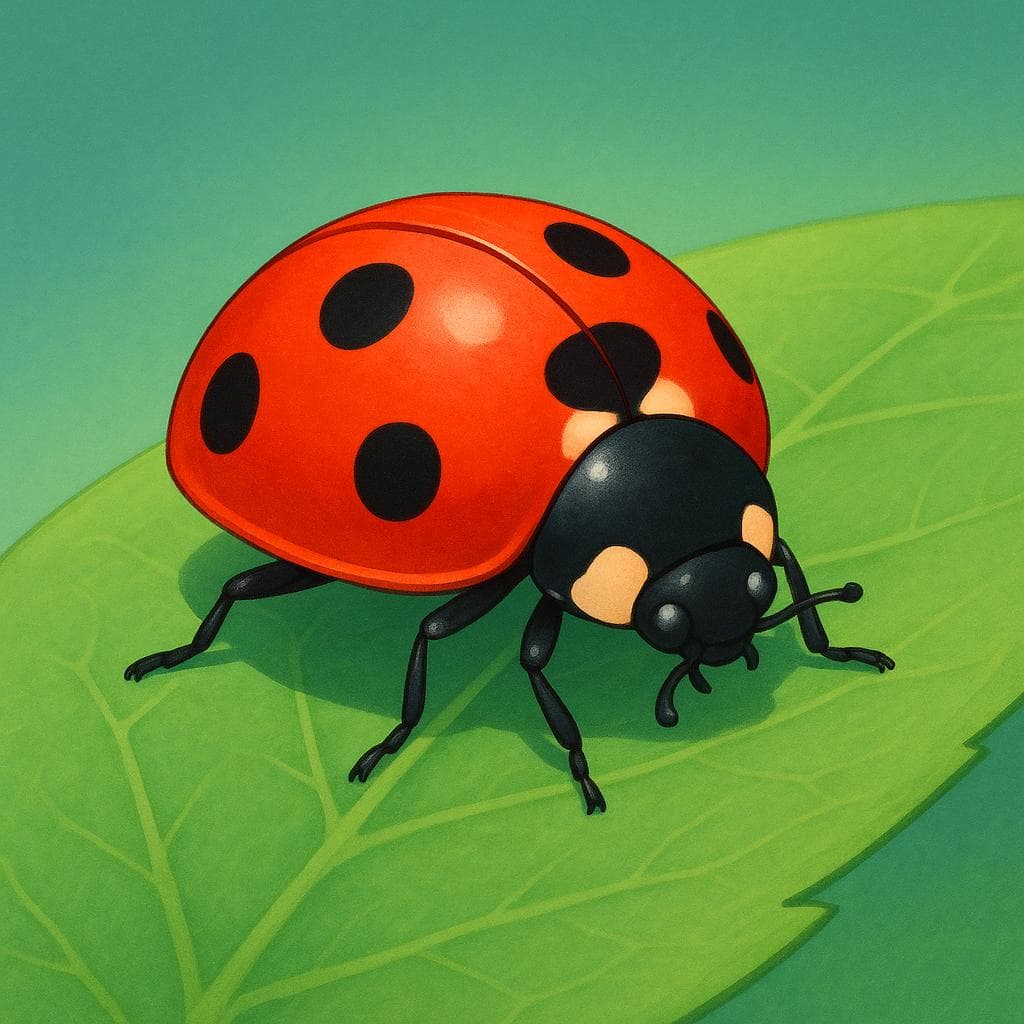


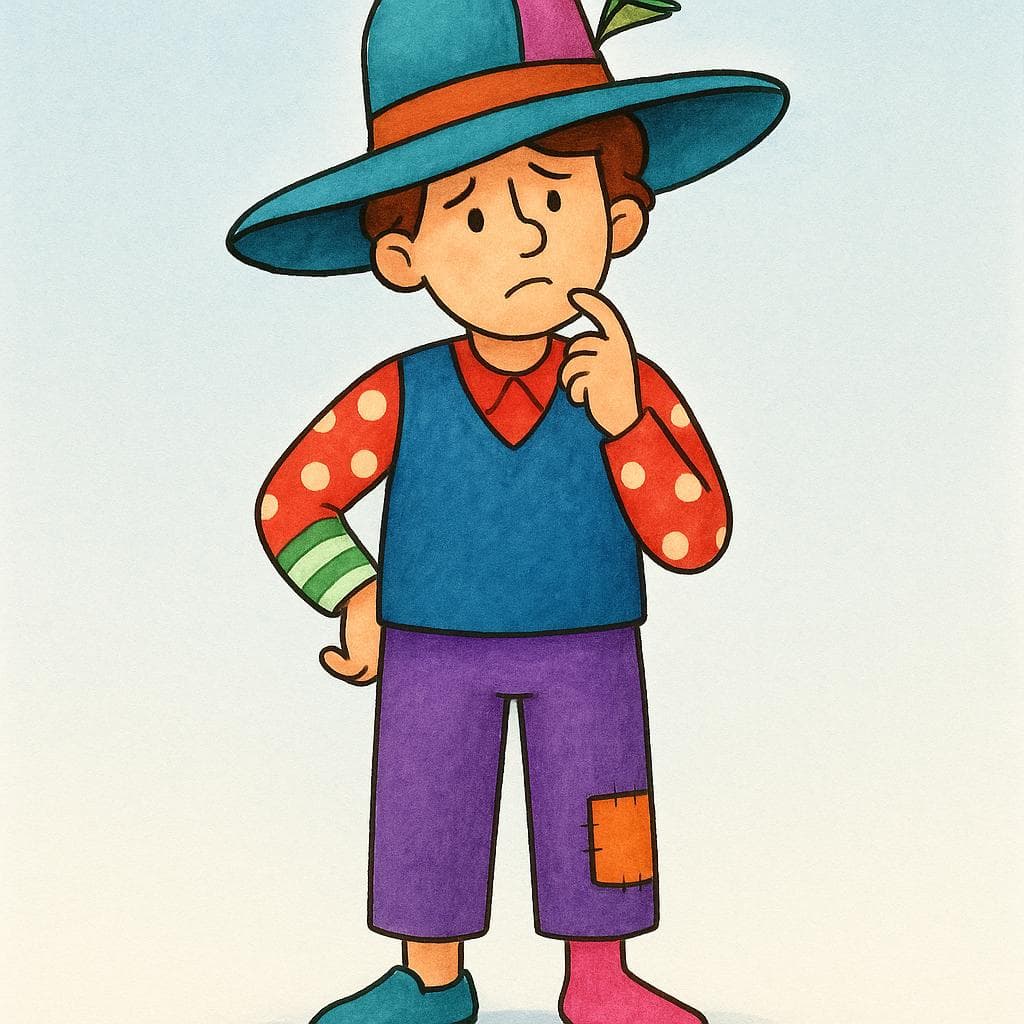
bug, critterAlso: insect, worm
📝 In Action
Hay un bicho enorme en mi ensalada. ¡Qué asco!
A2There is a huge bug in my salad. How gross!
Los niños estaban buscando bichos debajo de las piedras.
A2The children were looking for critters under the rocks.
Word Connections
germ, virusAlso: bug

📝 In Action
Creo que agarré un bicho en el avión y ahora tengo fiebre.
B2I think I caught a bug/virus on the plane and now I have a fever.
Tienen que limpiar bien para matar todos los bichos.
B2They have to clean well to kill all the germs.
Word Connections
animal, beastAlso: pet

📝 In Action
¿Qué bicho es ese? Parece un perro gigante.
B1What animal is that? It looks like a giant dog.
Nuestro gato es un bicho perezoso que solo duerme.
B1Our cat is a lazy critter that only sleeps.
Word Connections
weirdo, rascalAlso: pest

📝 In Action
Ese bicho del vecino siempre nos está espiando.
C1That weirdo neighbor is always spying on us.
Mi hijo es un bicho, nunca para de correr.
C1My son is a rascal; he never stops running.
Word Connections
Translate to Spanish
✏️ Quick Practice
Quick Quiz: bicho
Question 1 of 2
Which meaning of 'bicho' is being used in the phrase: '¡Lávate las manos para no agarrar el bicho!'?
📚 More Resources
👥 Word Family
📚 Etymology
'Bicho' comes from the older Portuguese word *bicho*, which itself evolved from the Latin word *bestia*, meaning 'beast' or 'wild animal.' Over time, its meaning narrowed in Spanish to focus mainly on small, often unpleasant creatures, before expanding again into informal uses for people and sicknesses.
First recorded: Medieval Spanish (via Portuguese influence)
Cognates (Related words)
💡 Master Spanish
Take your Spanish to the next level. Read 200+ illustrated and narrated Spanish stories tailored to your level with the Inklingo app!
Frequently Asked Questions
Is 'bicho' always negative?
No. While it often refers to creepy-crawlies or illnesses, it can be used neutrally for any small animal, and even affectionately for pets or naughty children.
Can I use 'bicho' to talk about a large animal like a lion?
Yes, but it's very informal. You are essentially calling the lion a 'critter' or 'beast.' It's better to use 'animal' or 'bestia' for neutral descriptions of large creatures.