How to Say "monster" in Spanish
The most common Spanish word for “monster” is “monstruo” — use 'monstruo' when referring to a mythical, fictional, or frightening creature, like a dragon or a sea creature.
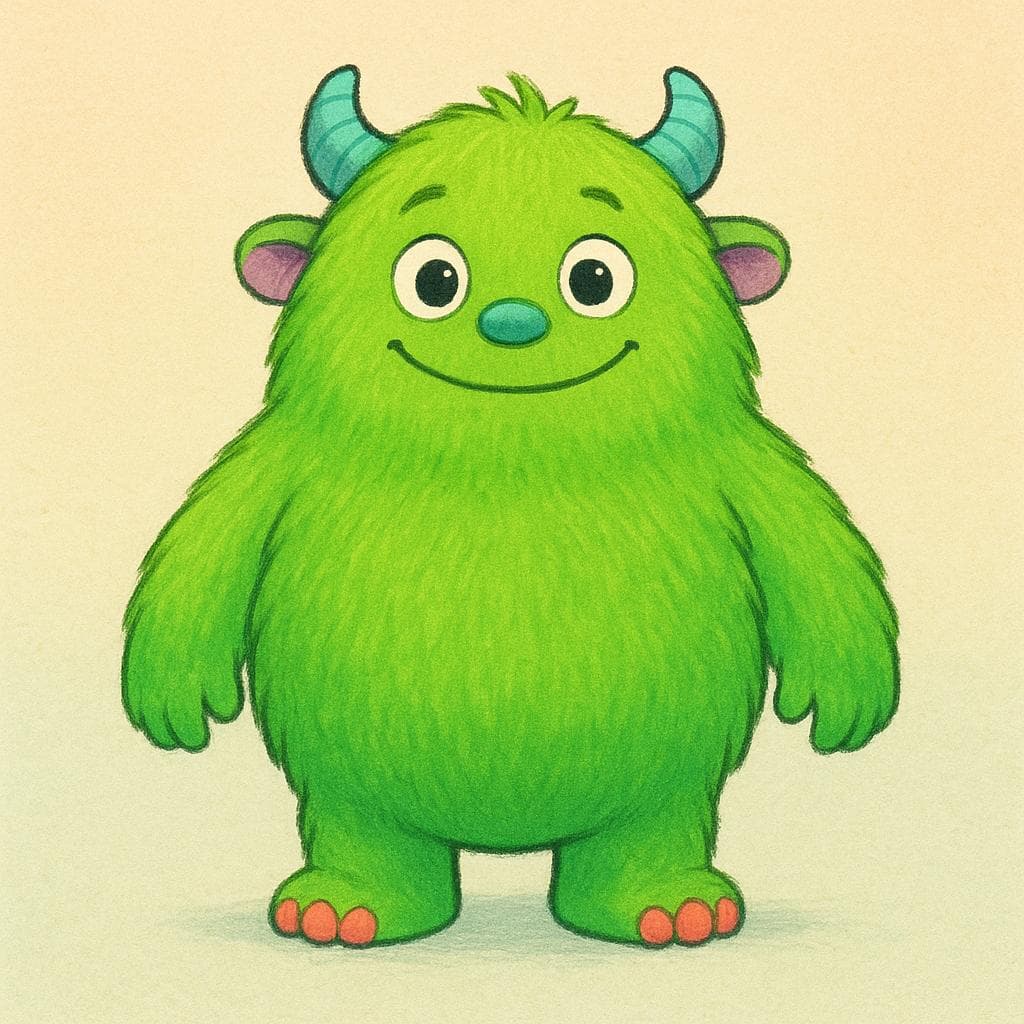

monstruo
MOHN-stroh'monstɾwo
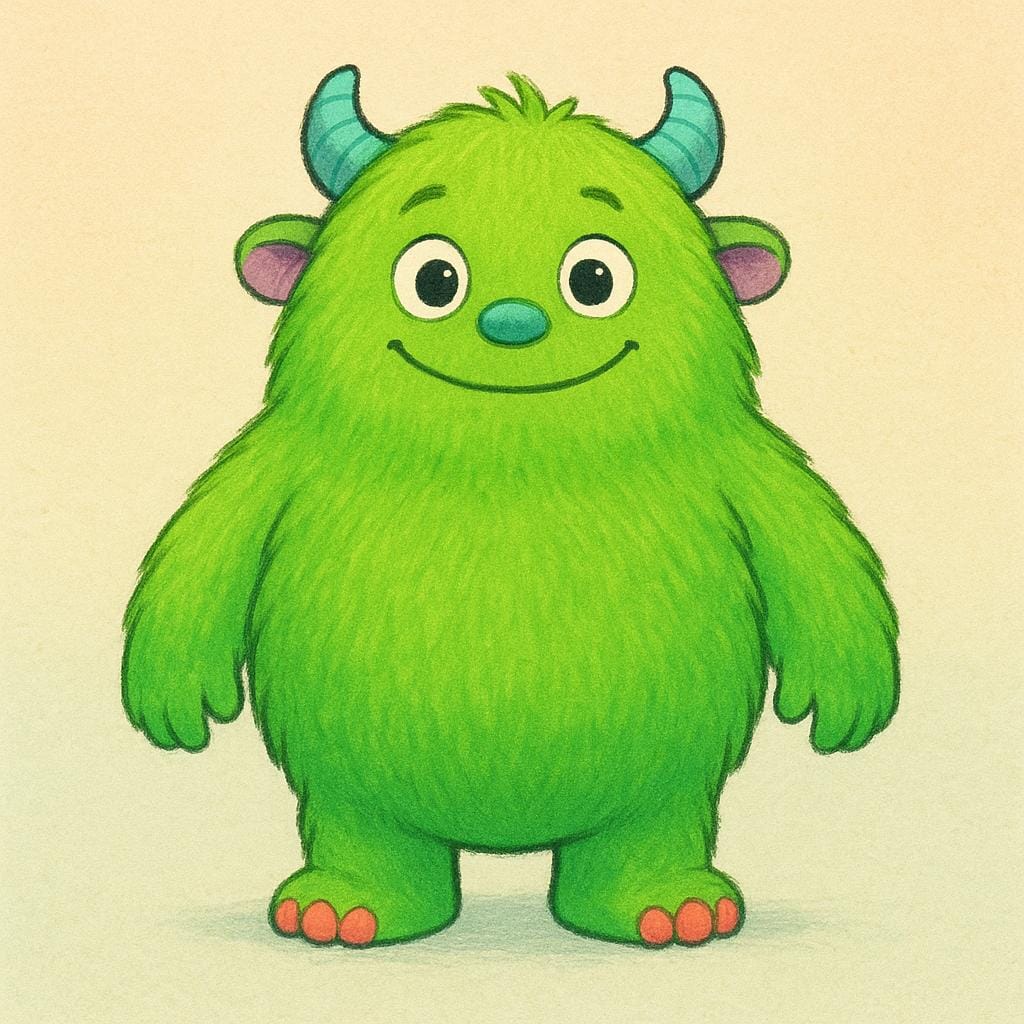
Examples
El monstruo debajo de mi cama me daba mucho miedo.
The monster under my bed scared me a lot.
El monstruo marino tenía ojos rojos y dientes afilados.
The sea monster had red eyes and sharp teeth.
Pensaban que había un monstruo viviendo en el pantano.
They thought there was a monster living in the swamp.
Gender Note
Even though 'monstruo' ends in 'o', it can refer to a creature of any gender (male or female). You always use the masculine article: 'el monstruo'.
bestia
BES-tyahˈbes.tja

Examples
Ese jugador de baloncesto es una bestia en la cancha.
That basketball player is a monster on the court.
Ese guitarrista es una bestia, toca increíblemente rápido.
That guitarist is a monster/genius, he plays incredibly fast.
Ganó el campeonato de ajedrez otra vez, es una bestia de la estrategia.
He won the chess championship again, he is a strategic genius.
Literal vs. Figurative Use
Learn Spanish with Inklingo
Interactive stories, personalized learning, and more.