How to Say "fool" in Spanish
The most common Spanish word for “fool” is “tonto” — use this for a general, common term for someone who acts unwisely or lacks good sense.


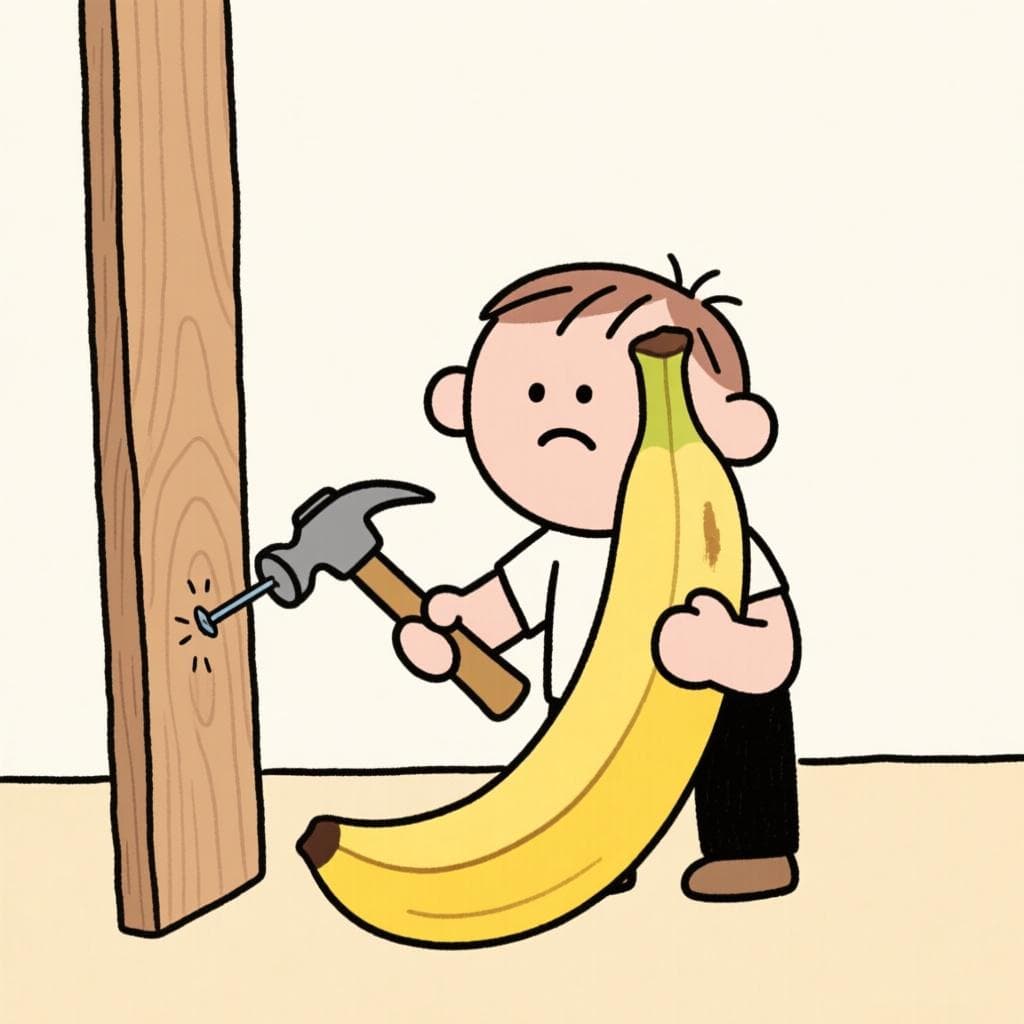


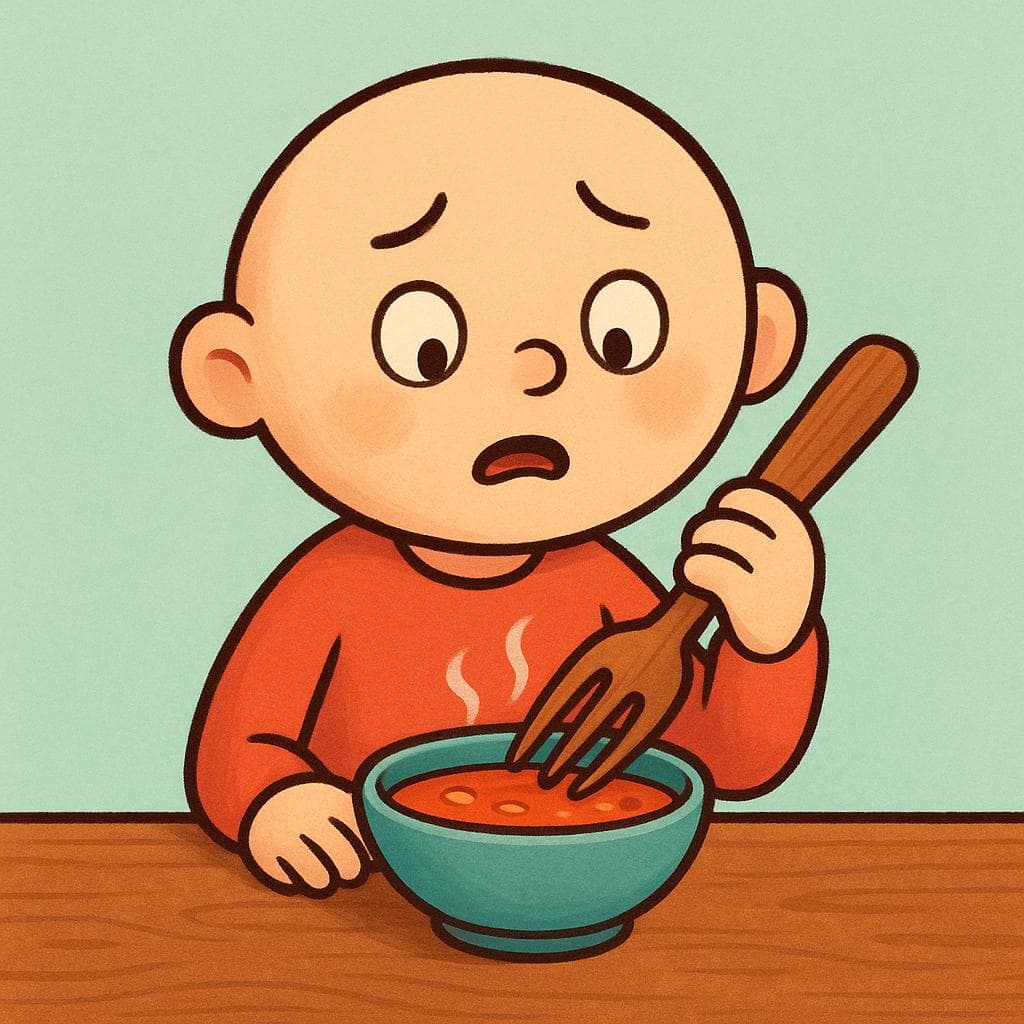


tonto
TON-tohˈtonto

Examples
No le hagas caso, es un tonto.
Don't pay attention to him, he's a fool.
¡Eres una tonta si crees esa mentira!
You're an idiot if you believe that lie!
El tonto del pueblo siempre contaba las mismas historias.
The village idiot always told the same stories.
Used as a Label
When you use 'tonto' as a noun, you are directly calling someone a fool. It's often preceded by 'un' or 'el' (e.g., 'Es un tonto'). Remember to use 'una tonta' or 'la tonta' for a female.
bobo
BOH-bohˈboβo

Examples
No seas un bobo; ¡te engañaron fácilmente!
Don't be a fool; they tricked you easily!
El bobo del pueblo es el que siempre cae en bromas pesadas.
The village simpleton is the one who always falls for practical jokes.
Using Articles
When 'bobo' is used as a noun (referring to a person), it often needs an article like 'el' or 'un': 'el bobo' (the fool), 'un bobo' (a fool).
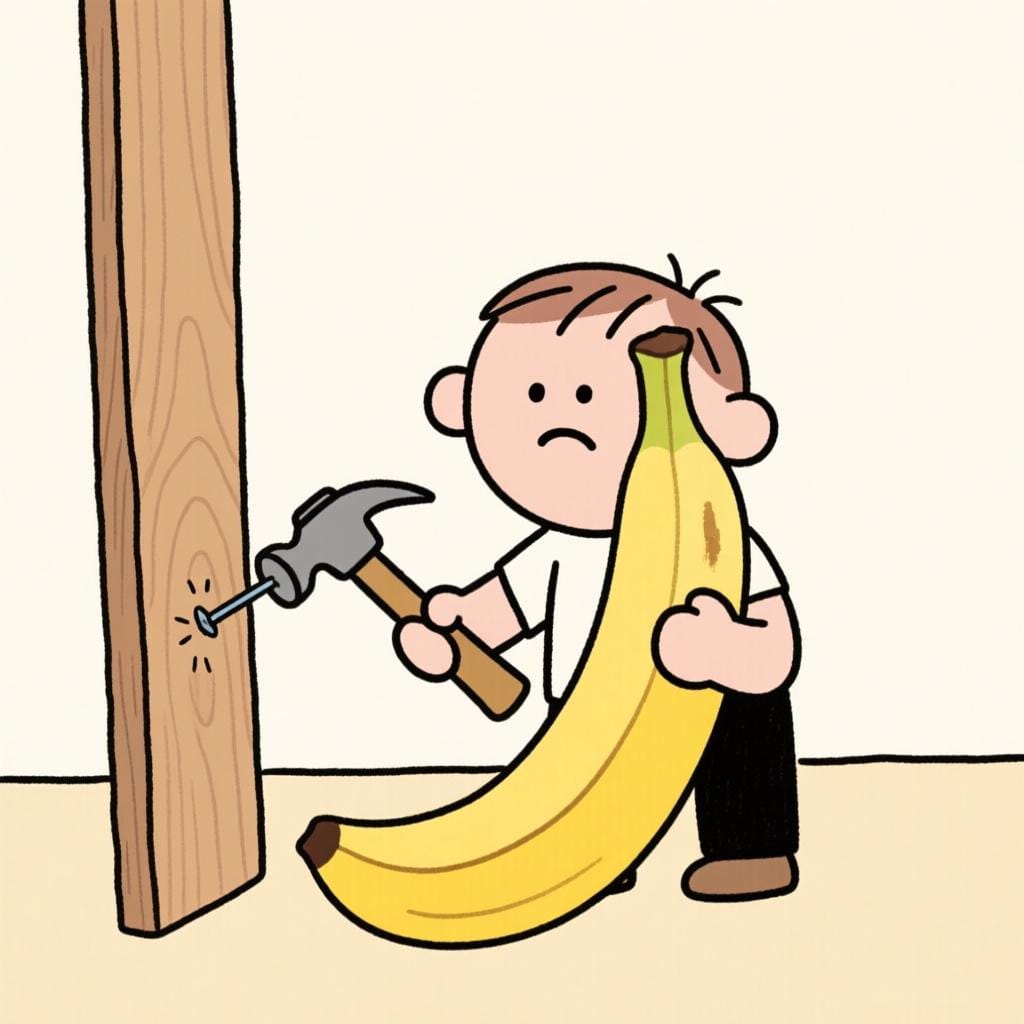
idiota
ee-dee-OH-tahiˈðjota
Examples
¡No seas idiota! Cuidado con el coche.
Don't be an idiot! Watch out for the car.
Mi hermano a veces es un idiota, pero lo quiero.
My brother is an idiot sometimes, but I love him.
A Noun for Everyone
Unlike many Spanish nouns, 'idiota' can be used for both men and women. You just change the little word in front: 'el idiota' (for a male) and 'la idiota' (for a female).
Using in the Wrong Situation
Mistake: “Using 'idiota' in a formal or professional setting, thinking it's a mild word.”
Correction: This word is a strong insult. Save it for very informal situations, or when you're genuinely angry. Otherwise, it can be very offensive.
cretino
kreh-TEE-nohkɾeˈtino

Examples
Ese cretino olvidó apagar las luces otra vez.
That idiot forgot to turn off the lights again.
No seas cretina y piensa antes de hablar.
Don't be an idiot (f.) and think before you speak.
Gender Matching
Like many nouns that describe people, 'cretino' changes based on the person's gender: 'el cretino' (male) or 'la cretina' (female).
imbécil
Examples
Ese imbécil me robó el asiento.
That idiot stole my seat.
bufón
Examples
Deja de actuar como un bufón y ponte a trabajar.
Stop acting like a buffoon and get to work.
imprudente
eem-proo-DEN-tehim.pɾuˈðen.te

Examples
Ese imprudente cruzó la calle sin mirar.
That reckless guy crossed the street without looking.
No escuches a ese imprudente, no sabe lo que dice.
Don't listen to that fool, he doesn't know what he's saying.
La policía detuvo a un imprudente que iba en sentido contrario.
The police stopped a reckless driver who was going the wrong way.
Turning Adjectives into Nouns
In Spanish, you can turn many adjectives into nouns just by adding 'el' or 'la'. So 'un imprudente' literally means 'a reckless (one)'.
Missing the Article
Mistake: “Él es un imprudente vs. Él es imprudente.”
Correction: Both are okay, but 'Él es un imprudente' sounds more like you are giving him a label or title, whereas 'Él es imprudente' just describes him.
ridícula
Examples
¡No seas una ridícula y deja de gritar en el cine!
Don't be a ridiculous person and stop shouting in the cinema!
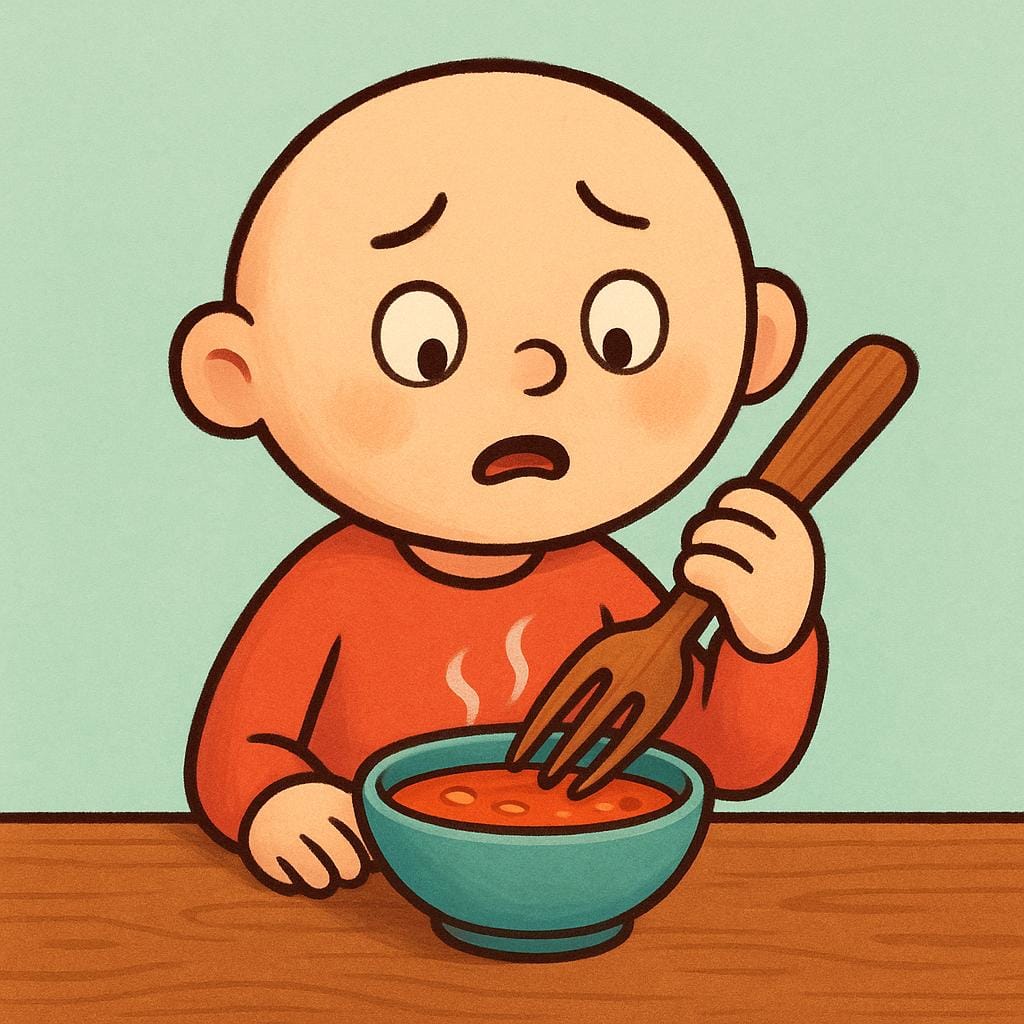
bestia
BES-tyahˈbes.tja
Examples
No puedes dejarlo solo con los niños, ¡es una bestia!
You can't leave him alone with the children, he's a brute!
Se comportó como una bestia en la cena, sin modales.
He behaved like an idiot/savage at dinner, with no manners.
Gender Confusion
Mistake: “Usar 'un bestio' para un hombre.”
Correction: The word is always 'una bestia' (feminine), even when referring to a man who is acting like a brute or an idiot.
estúpido
Examples
¡No seas un estúpido! Piensa en las consecuencias.
Don't be an idiot! Think about the consequences.
necio
NEH-syohˈnesjo

Examples
No discutas con un necio, te bajará a su nivel.
Don't argue with a fool, he will bring you down to his level.
Ese necio no entiende razones.
That stubborn man doesn't listen to reason.
Making it a Noun
In Spanish, you can turn many adjectives into nouns just by adding 'el' or 'la'. So 'el necio' literally means 'the foolish one' or 'the fool'.
simple
seem-pleh'simple
Examples
No seas un simple, ¡piensa antes de actuar!
Don't be a simpleton, think before you act!
El villano de la película trata al héroe como si fuera un simple.
The movie villain treats the hero as if he were a fool.
Choosing Between 'Tonto', 'Bobo', and 'Idiota'
Learn Spanish with Inklingo
Interactive stories, personalized learning, and more.