How to Say "dummy" in Spanish
The most common Spanish word for “dummy” is “tonto” — use this when calling someone a fool or silly person in a general, common way, often implying a lack of intelligence or good sense.
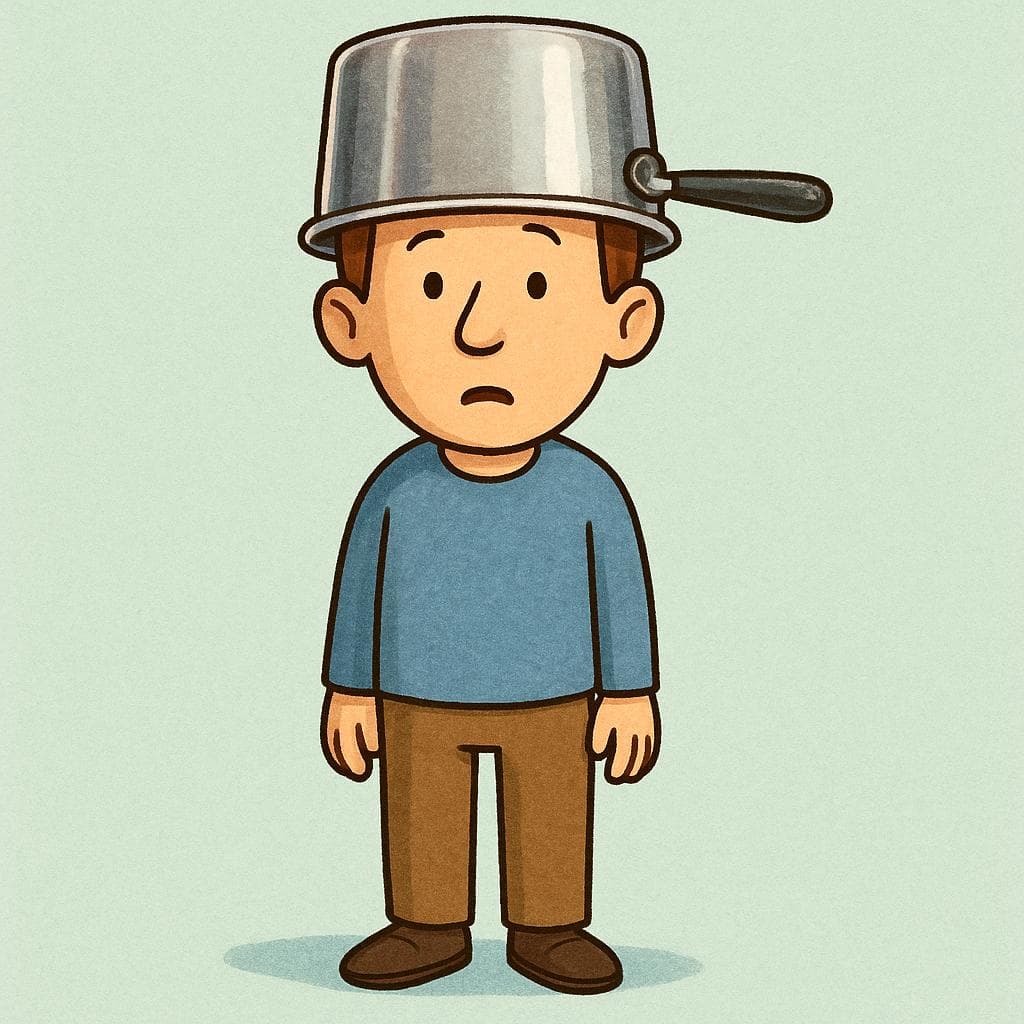


tonto
TON-tohˈtonto
Examples
No le hagas caso, es un tonto.
Don't pay attention to him, he's a fool.
¡Eres una tonta si crees esa mentira!
You're an idiot if you believe that lie!
El tonto del pueblo siempre contaba las mismas historias.
The village idiot always told the same stories.
Used as a Label
When you use 'tonto' as a noun, you are directly calling someone a fool. It's often preceded by 'un' or 'el' (e.g., 'Es un tonto'). Remember to use 'una tonta' or 'la tonta' for a female.
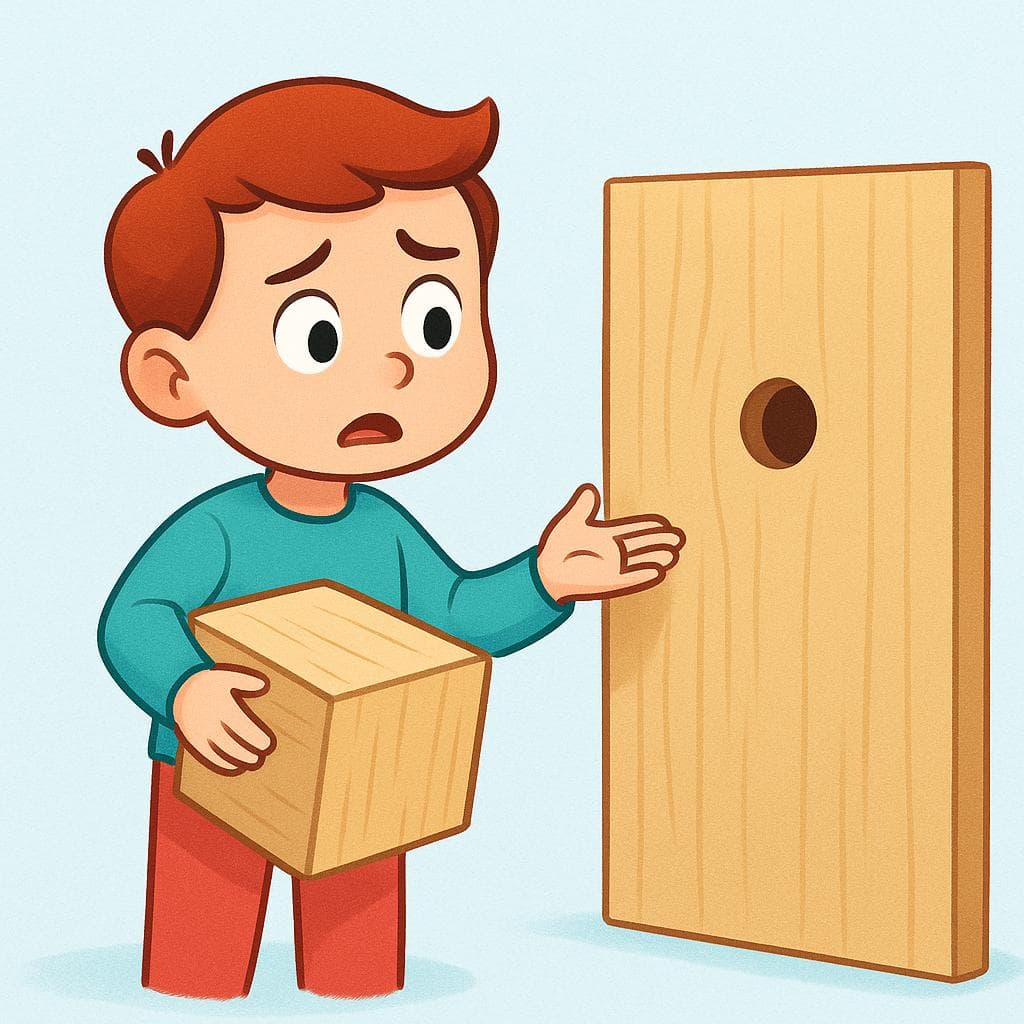
bobo
BOH-bohˈboβo

Examples
No seas un bobo; ¡te engañaron fácilmente!
Don't be a fool; they tricked you easily!
El bobo del pueblo es el que siempre cae en bromas pesadas.
The village simpleton is the one who always falls for practical jokes.
Using Articles
When 'bobo' is used as a noun (referring to a person), it often needs an article like 'el' or 'un': 'el bobo' (the fool), 'un bobo' (a fool).
burro
BOO-rrohˈbu.ro
Examples
¡Qué burro eres! ¿Cómo pudiste olvidar las llaves otra vez?
You idiot! How could you forget the keys again?
Ese examen era muy difícil, solo un burro lo suspendería.
That exam was very difficult, only a dummy would fail it.
Using 'Ser'
Use the verb 'ser' (to be) when calling someone this name: 'Eres un burro' (You are an idiot).
melón
Examples
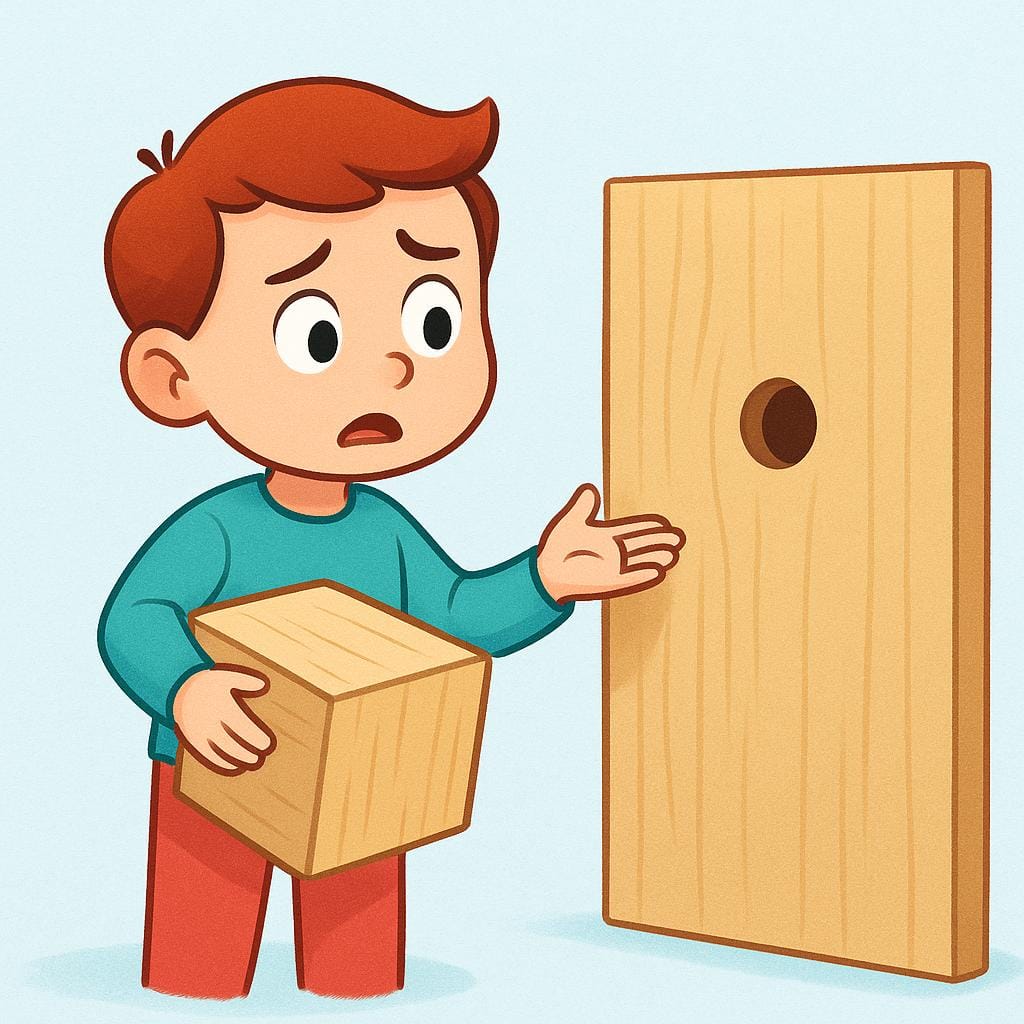
¡No seas melón! La llave gira hacia el otro lado.
Don't be a dummy! The key turns the other way.
buey
bwaybwej

Examples
¡Qué onda, buey! ¿Cómo estás?
What's up, dude! How are you?
Ese buey no sabe de lo que está hablando.
That guy doesn't know what he's talking about.
No seas buey, ¡apúrate o vamos a llegar tarde!
Don't be a dummy, hurry up or we're going to be late!
The 'Güey' Variation
In modern texting and casual writing, you will almost always see this spelled as 'güey' or even 'wey'. 'Buey' is the original dictionary spelling.
Not Just for Men
Even though it is technically masculine, young people in Mexico often use it to address female friends as well.
Use with Caution
Mistake: “Using 'buey' with a teacher or a boss.”
Correction: This is strictly informal. Only use it with people your own age or close friends to avoid being disrespectful.
muñeco
Examples
El museo exhibía un muñeco de cera de la reina.
The museum exhibited a wax figure/dummy of the queen.
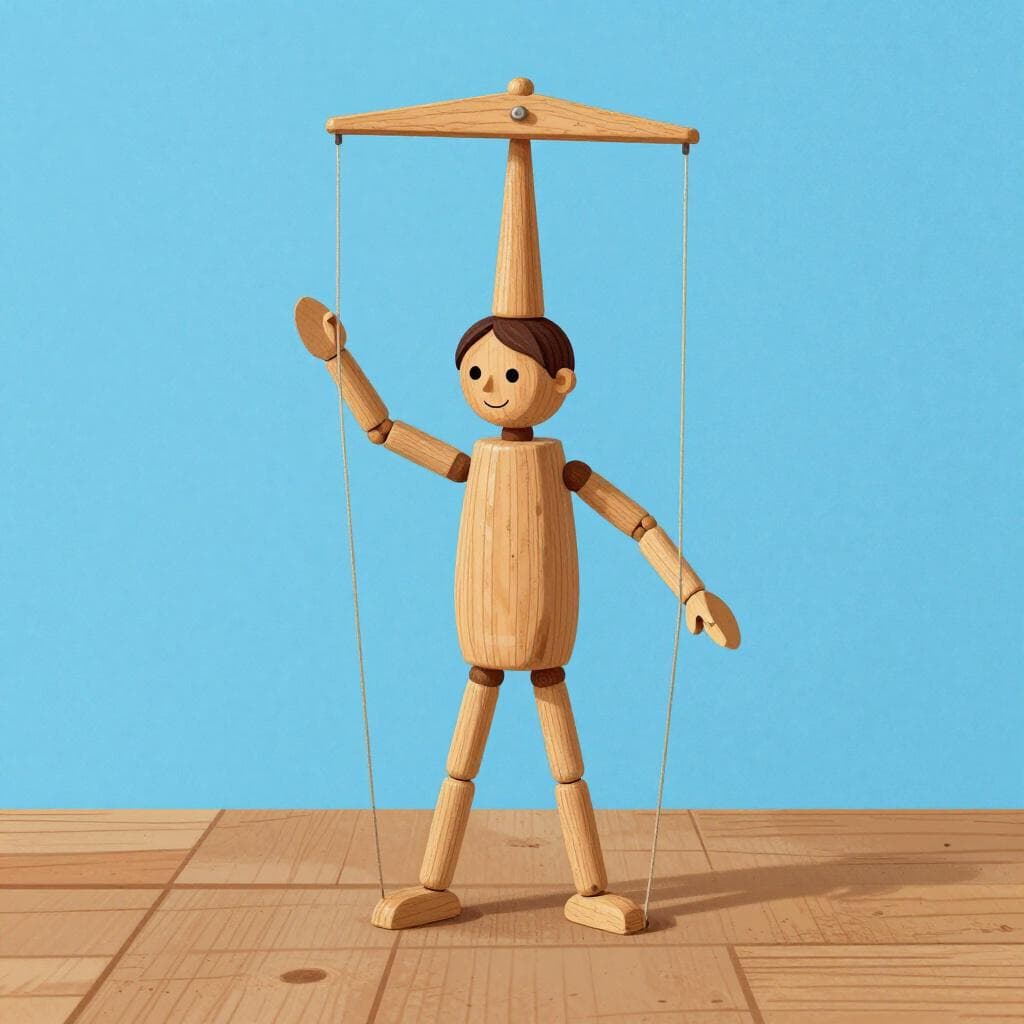
marioneta
mah-ryo-NEH-tahmaɾjoˈneta

Examples
El niño hace bailar a su marioneta.
The boy makes his puppet dance.
Vimos una obra de marionetas en el parque.
We saw a puppet play in the park.
El marionetista mueve los hilos con mucha habilidad.
The puppeteer moves the strings with great skill.
Always Feminine
This word is always feminine ('la marioneta'), even if the puppet looks like a man or is played with by a boy.
Plural Form
To talk about more than one, simply add an 's' to the end: 'las marionetas'.
Marioneta vs. Muñeca
Mistake: “Using 'muñeca' to describe a string puppet.”
Correction: Use 'marioneta' for puppets with strings; 'muñeca' is specifically for a doll that you hold.
Person vs. Object
Related Translations
Learn Spanish with Inklingo
Interactive stories, personalized learning, and more.