How to Say "simpleton" in Spanish
The most common Spanish word for “simpleton” is “tonto” — use 'tonto' when referring to someone foolish or easily fooled in a general, common way, often implying a lack of cleverness.


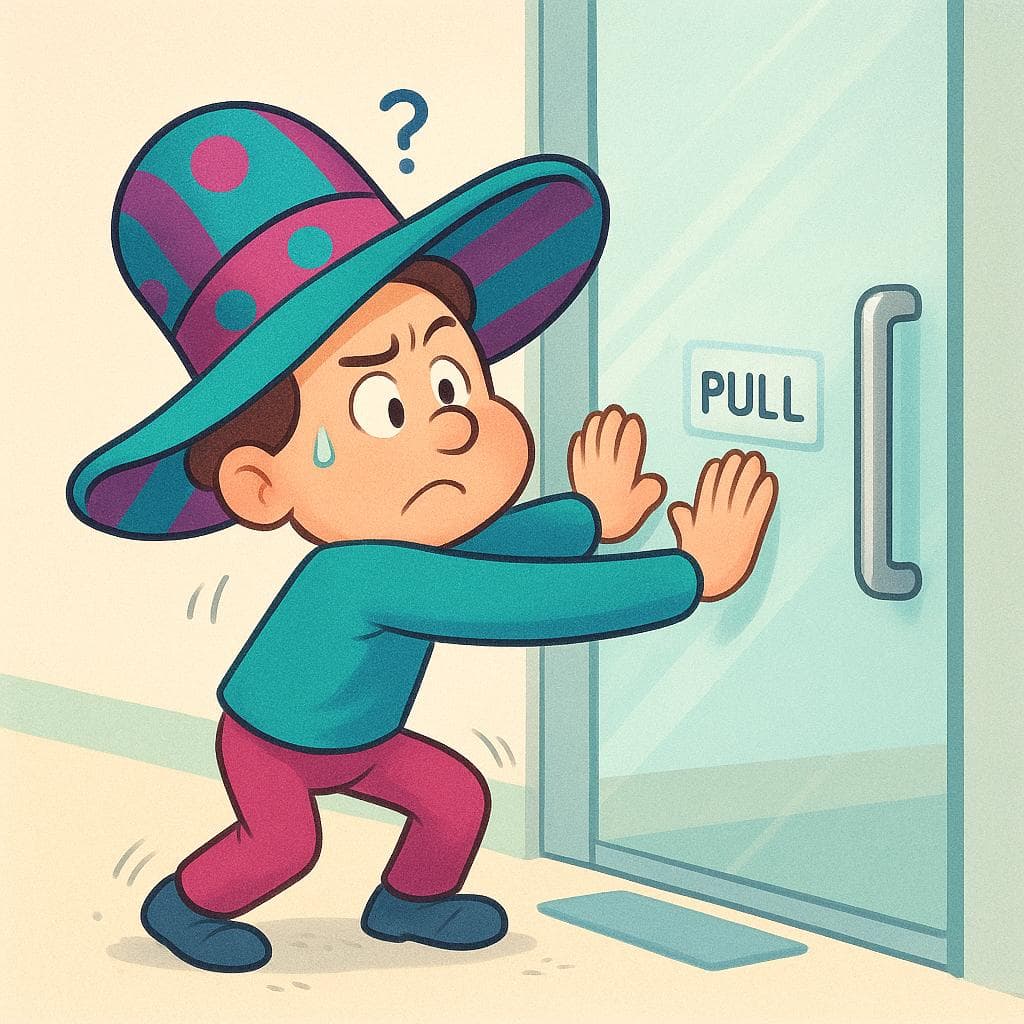

tonto
TON-tohˈtonto

Examples
No le hagas caso, es un tonto.
Don't pay attention to him, he's a fool.
¡Eres una tonta si crees esa mentira!
You're an idiot if you believe that lie!
El tonto del pueblo siempre contaba las mismas historias.
The village idiot always told the same stories.
Used as a Label
When you use 'tonto' as a noun, you are directly calling someone a fool. It's often preceded by 'un' or 'el' (e.g., 'Es un tonto'). Remember to use 'una tonta' or 'la tonta' for a female.
bobo
BOH-bohˈboβo

Examples
No seas un bobo; ¡te engañaron fácilmente!
Don't be a fool; they tricked you easily!
El bobo del pueblo es el que siempre cae en bromas pesadas.
The village simpleton is the one who always falls for practical jokes.
Using Articles
When 'bobo' is used as a noun (referring to a person), it often needs an article like 'el' or 'un': 'el bobo' (the fool), 'un bobo' (a fool).
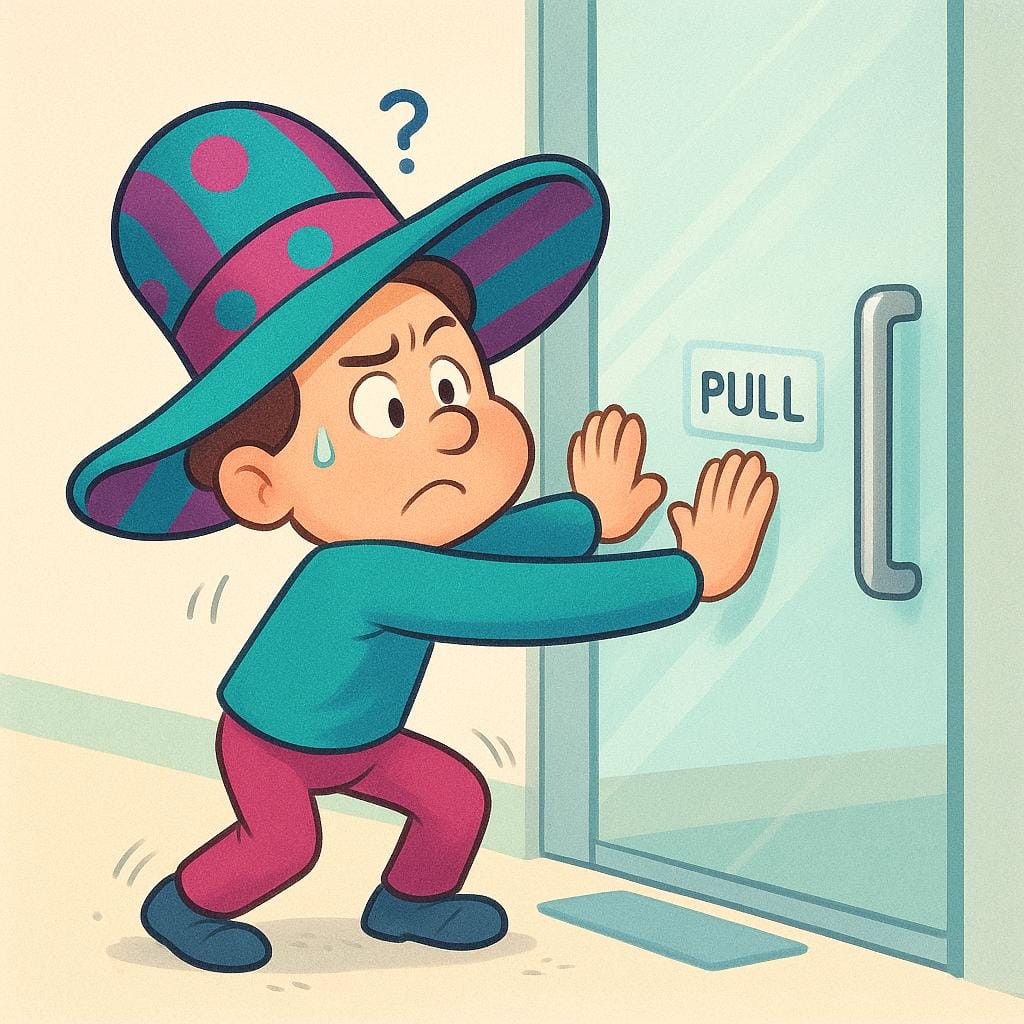
simple
seem-pleh'simple
Examples
No seas un simple, ¡piensa antes de actuar!
Don't be a simpleton, think before you act!
El villano de la película trata al héroe como si fuera un simple.
The movie villain treats the hero as if he were a fool.
ingenuo
een-HEH-nwohinˈxenwo

Examples
El pobre ingenuo creyó que se había ganado la lotería.
The poor naive guy believed he had won the lottery.
Trataron a Juan como a un ingenuo.
They treated Juan like a simpleton.
Turning Adjectives into Nouns
In Spanish, you can turn many describing words into people-words just by adding 'el' or 'un' in front of them.
Tonto vs. Bobo
Learn Spanish with Inklingo
Interactive stories, personalized learning, and more.