How to Say "easy" in Spanish
The most common Spanish word for “easy” is “fácil” — use this word when something is not difficult to do, understand, or achieve. It's the most general translation for 'easy'.


fácil
Examples
El examen de español fue muy fácil.
The Spanish exam was very easy.
sencillo
sen-SEE-yohsenˈθiʎo
Examples
La receta es muy sencilla, solo lleva tres ingredientes.
The recipe is very simple; it only has three ingredients.
Para mí, el examen de matemáticas fue bastante sencillo.
For me, the math exam was quite easy.
Adjective Agreement
Remember that 'sencillo' must match the noun it describes in gender (masculine or feminine) and number (singular or plural). For a feminine noun like 'vida', use 'sencilla'.
simple
seem-pleh'simple
Examples
Las instrucciones son muy simples.
The instructions are very simple.
Es una solución simple a un problema complicado.
It's a simple solution to a complicated problem.
Me gusta la decoración simple, sin muchos colores.
I like plain decor, without a lot of colors.
One Form for Masculine and Feminine
Good news! simple doesn't change its ending for masculine or feminine things. It's un problema simple (a masculine problem) and una solución simple (a feminine solution). You just add an 's' for plural: simples.
Describing People
Mistake: “Calling a person `simple` can sometimes be misunderstood.”
Correction: While `una persona simple` can mean 'a humble, down-to-earth person', it can also sometimes mean 'a simple-minded person'. The word `sencillo/a` is often a safer and more positive choice to describe a person's personality as 'simple' or 'unpretentious'.
cómodo
Examples
Es más cómodo pagar con tarjeta que usar efectivo.
It is more convenient to pay by card than to use cash.
tirado
tee-RAH-dohtiˈɾa.ðo
Examples
Compré estos zapatos por diez euros. ¡Estaban tirados!
I bought these shoes for ten euros. They were dirt cheap!
El proyecto final fue tirado; lo terminamos en una hora.
The final project was super easy; we finished it in an hour.
Adjective Agreement
Since 'tirado' is an adjective, you must change the ending to match the noun it describes: 'La blusa está tirada' (f.) or 'Los libros están tirados' (pl.).
fáciles
Examples
Las matemáticas son difíciles, pero estos ejercicios son muy fáciles.
Math is difficult, but these exercises are very easy.
ligera
lee-HEH-rahliˈxe.ɾa
Examples
La tarea de hoy es muy ligera, terminarás en diez minutos.
Today's homework is very easy/light, you'll finish in ten minutes.
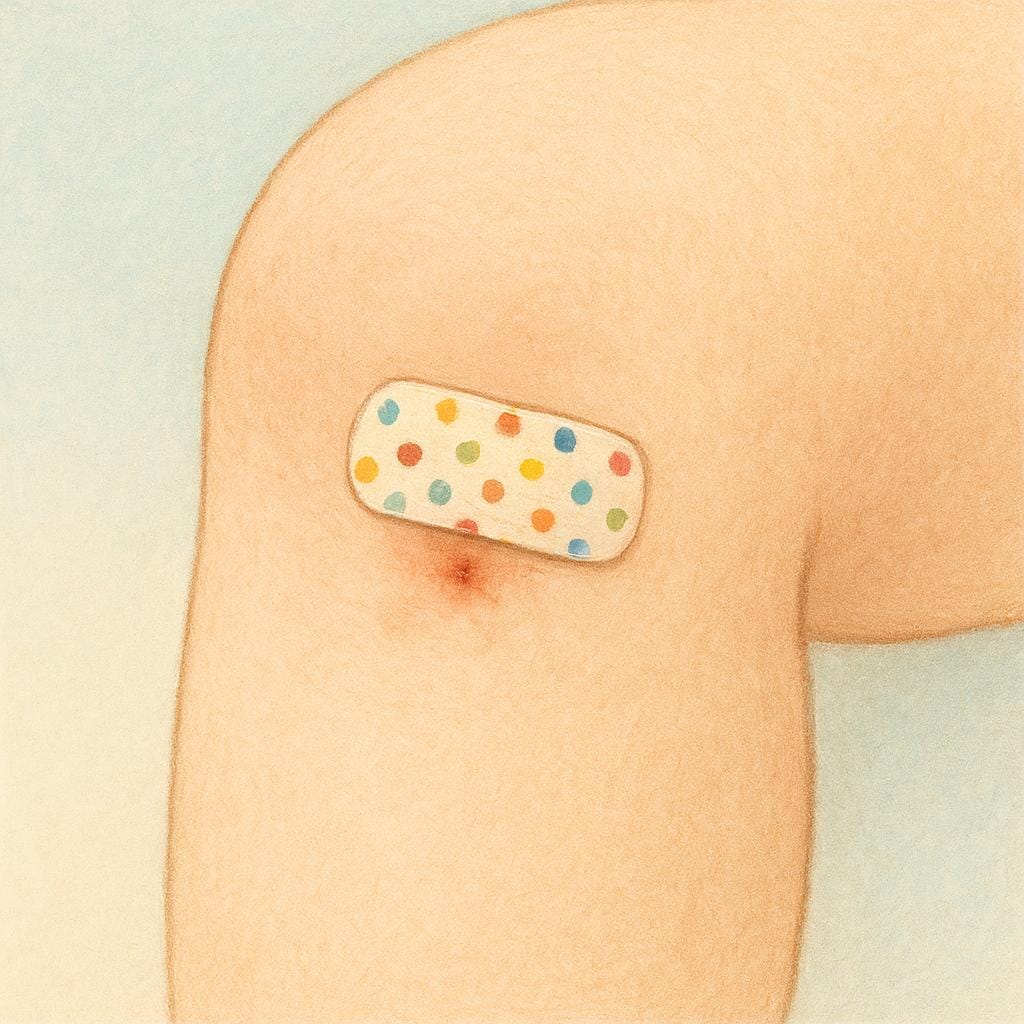
Afortunadamente, solo fue una quemadura ligera.
Fortunately, it was only a minor burn.
Figurative Use
This meaning extends the idea of 'lightness' to difficulty. If a task or problem is 'light', it means it doesn't carry much weight or seriousness.
mamado
mah-mah-dohmaˈmaðo

Examples
El examen de matemáticas estuvo mamado.
The math exam was a piece of cake.
Ese trabajo está mamado, lo termino en diez minutos.
That job is super easy, I'll finish it in ten minutes.
Describing Things
When used for 'easy,' it describes the task (the noun), so it must match in gender. If the task is 'la tarea' (the homework), it becomes 'mamada'.
Fácil vs. Sencillo/Simple
Related Translations
Learn Spanish with Inklingo
Interactive stories, personalized learning, and more.