How to Say "straightforward" in Spanish
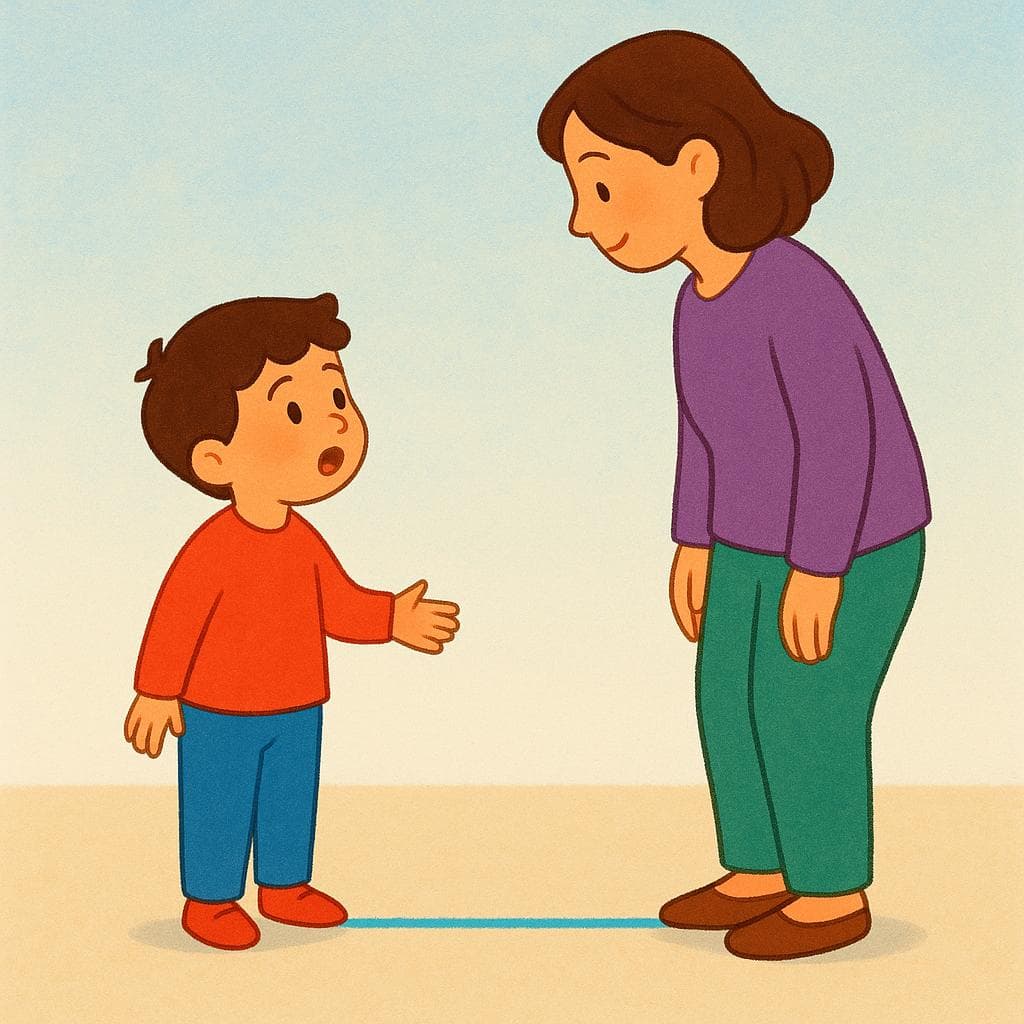
The most common Spanish word for “straightforward” is “directo” — use 'directo' when describing a person's personality or manner of speaking, indicating they are blunt, honest, and don't mince words.




directo
dee-REK-tohdiˈɾekto

Examples
Mi jefe es muy directo y siempre dice la verdad, aunque duela.
My boss is very straightforward and always tells the truth, even if it hurts.
Prefiero que seas directa conmigo y me digas lo que piensas.
I prefer you to be frank with me and tell me what you think.
sencillo
sen-SEE-yohsenˈθiʎo
Examples
La receta es muy sencilla, solo lleva tres ingredientes.
The recipe is very simple; it only has three ingredients.
Para mí, el examen de matemáticas fue bastante sencillo.
For me, the math exam was quite easy.
Adjective Agreement
Remember that 'sencillo' must match the noun it describes in gender (masculine or feminine) and number (singular or plural). For a feminine noun like 'vida', use 'sencilla'.
fácil
Examples
Las matemáticas son difíciles, pero estos ejercicios son muy fáciles.
Math is difficult, but these exercises are very easy.
franco
frán-koˈfɾaŋ.ko
Examples
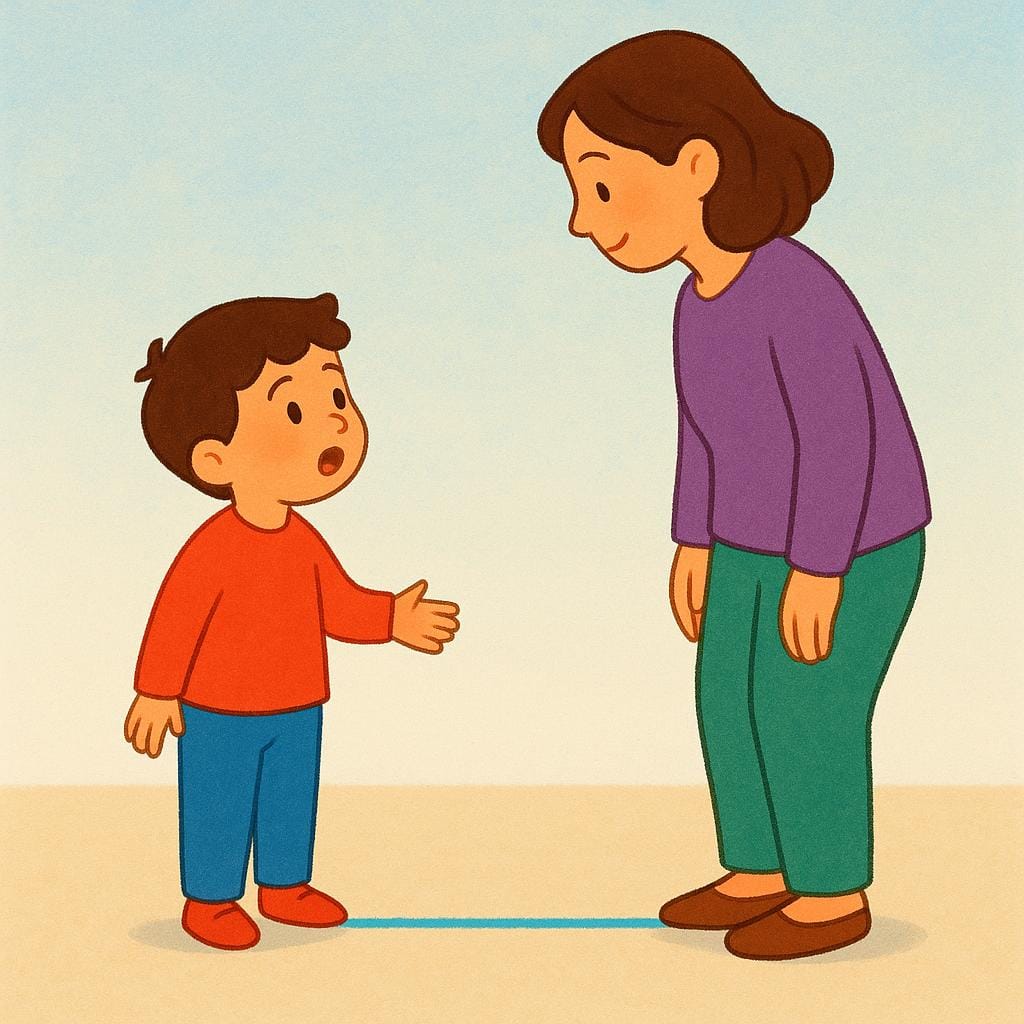
Para serte franco, no me gustó nada la película.
To be frank with you, I didn't like the movie at all.
Ella es una persona muy franca, siempre dice exactamente lo que piensa.
She is a very candid person; she always says exactly what she thinks.
Adjective Agreement
Like most Spanish adjectives, 'franco' must match the gender and number of the person or thing it describes: 'un hombre franco' (a frank man) vs. 'una mujer franca' (a frank woman).
transparente
trahns-pah-REHN-tehtɾanspaˈɾente

Examples
Es una persona muy transparente; siempre sabes lo que siente.
They are a very transparent person; you always know what they are feeling.
Queremos un proceso de selección justo y transparente.
We want a fair and transparent selection process.
Sus intenciones eran transparentes desde el primer día.
Their intentions were obvious from the first day.
Describing People
When used with the verb 'ser', it describes a permanent personality trait of being honest. When used with 'parecer', it suggests someone is currently being easy to read.
Don't confuse with 'Clear'
Mistake: “La explicación es transparente.”
Correction: La explicación es clara. While you can use 'transparente' for processes or people, 'clara' is the standard way to say an explanation is easy to understand.
frontal
fron-TALfɾonˈtal

Examples
Necesitamos una foto frontal de la casa para el anuncio.
We need a front photo of the house for the advertisement.
El coche sufrió un choque frontal en la carretera.
The car suffered a head-on collision on the highway.
Me gusta que seas tan frontal con tus sentimientos.
I like that you are so direct with your feelings.
One Form for All
Unlike many Spanish words, this adjective doesn't change if the thing you're describing is male or female. You say 'el coche frontal' and 'la vista frontal'.
Placement
Like most adjectives that describe a specific quality, this word almost always goes after the person or thing you are talking about.
Using 'frente' as an adjective
Mistake: “La parte frente de la casa.”
Correction: La parte frontal de la casa.
Directo vs. Sencillo/Fácil
Learn Spanish with Inklingo
Interactive stories, personalized learning, and more.