How to Say "simple" in Spanish
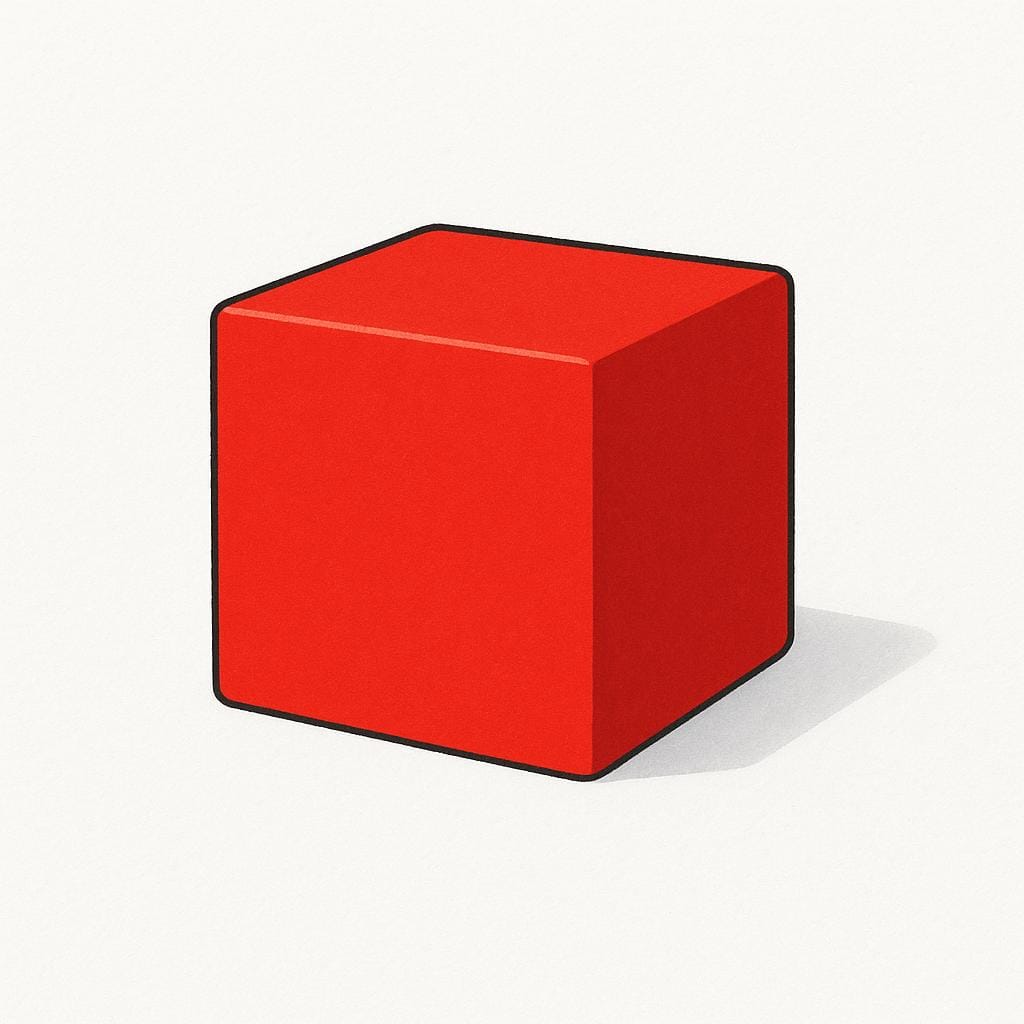
The most common Spanish word for “simple” is “sencillo” — use this when describing something that is not complicated, like a recipe or a task, emphasizing its lack of complexity.

sencillo
sen-SEE-yohsenˈθiʎo
Examples
La receta es muy sencilla, solo lleva tres ingredientes.
The recipe is very simple; it only has three ingredients.
Para mí, el examen de matemáticas fue bastante sencillo.
For me, the math exam was quite easy.
Adjective Agreement
Remember that 'sencillo' must match the noun it describes in gender (masculine or feminine) and number (singular or plural). For a feminine noun like 'vida', use 'sencilla'.
fácil
Examples
El examen de español fue muy fácil.
The Spanish exam was very easy.
simple
seem-pleh'simple

Examples
Las instrucciones son muy simples.
The instructions are very simple.
Es una solución simple a un problema complicado.
It's a simple solution to a complicated problem.
Me gusta la decoración simple, sin muchos colores.
I like plain decor, without a lot of colors.
One Form for Masculine and Feminine
Good news! simple doesn't change its ending for masculine or feminine things. It's un problema simple (a masculine problem) and una solución simple (a feminine solution). You just add an 's' for plural: simples.
Describing People
Mistake: “Calling a person `simple` can sometimes be misunderstood.”
Correction: While `una persona simple` can mean 'a humble, down-to-earth person', it can also sometimes mean 'a simple-minded person'. The word `sencillo/a` is often a safer and more positive choice to describe a person's personality as 'simple' or 'unpretentious'.
básico
Examples
El apartamento es muy básico, solo tiene una cama y una mesa.
The apartment is very basic/simple; it only has a bed and a table.
llano
yah-noˈʝano
Examples
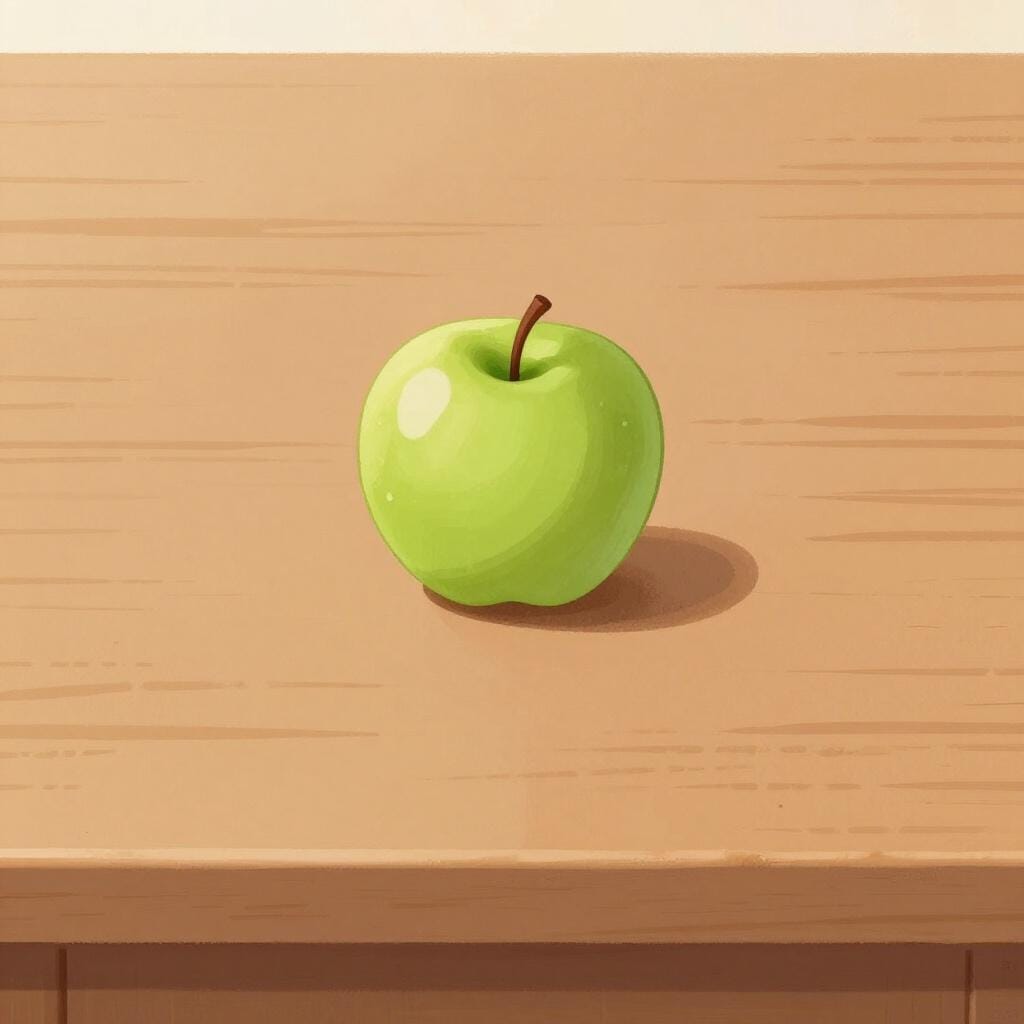
El terreno es muy llano y perfecto para construir.
The land is very flat and perfect for building.
Me gusta su lenguaje llano porque todos lo entienden.
I like his simple language because everyone understands him.
A pesar de su fama, sigue siendo un hombre llano.
Despite his fame, he is still a down-to-earth man.
Changing for Gender
Since this is an adjective, remember to change the ending to 'llana' if the person or thing you are describing is feminine (e.g., 'una superficie llana').
Word Stress Category
In Spanish grammar lessons, you will hear about 'palabras llanas'. These are words where you put the emphasis on the second-to-last syllable, like 'casa' or 'perro'.
Llano vs. Plano
Mistake: “Using 'llano' for a map or a 2D floor plan.”
Correction: Use 'plano' for maps or diagrams. Use 'llano' for physical ground or personality.
humilde
oo-MEEL-dehuˈmil.de
Examples
A pesar de su origen humilde, llegó a ser presidente.
Despite his humble origin, he became president.
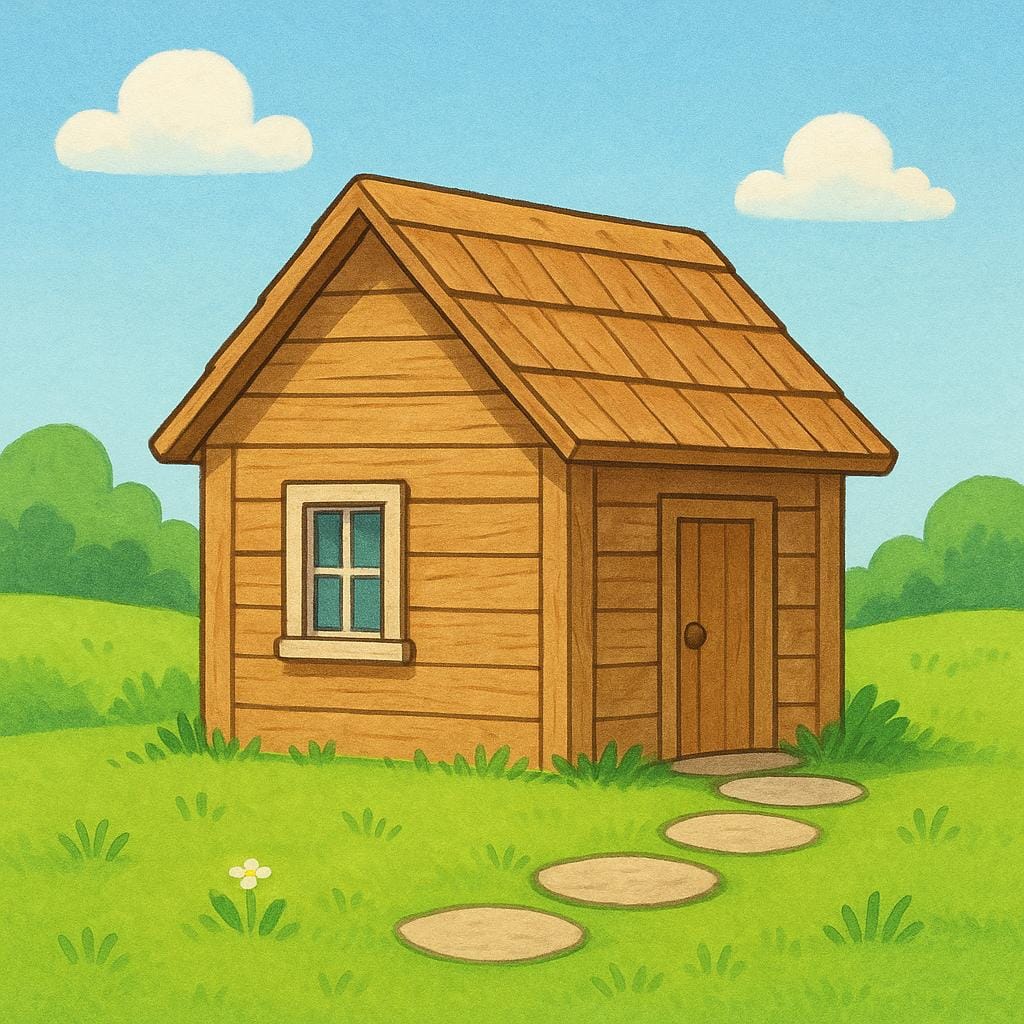
Viven en una casa humilde, pero es muy acogedora.
They live in a simple/modest house, but it is very cozy.
Pidió un trabajo humilde para empezar a ganar dinero.
He asked for a lowly job to start earning money.
Describing Things
When describing things like houses or backgrounds, 'humilde' means 'simple' or 'not fancy' rather than lacking self-confidence.
sobrio
so-brioˈso.βɾjo
Examples
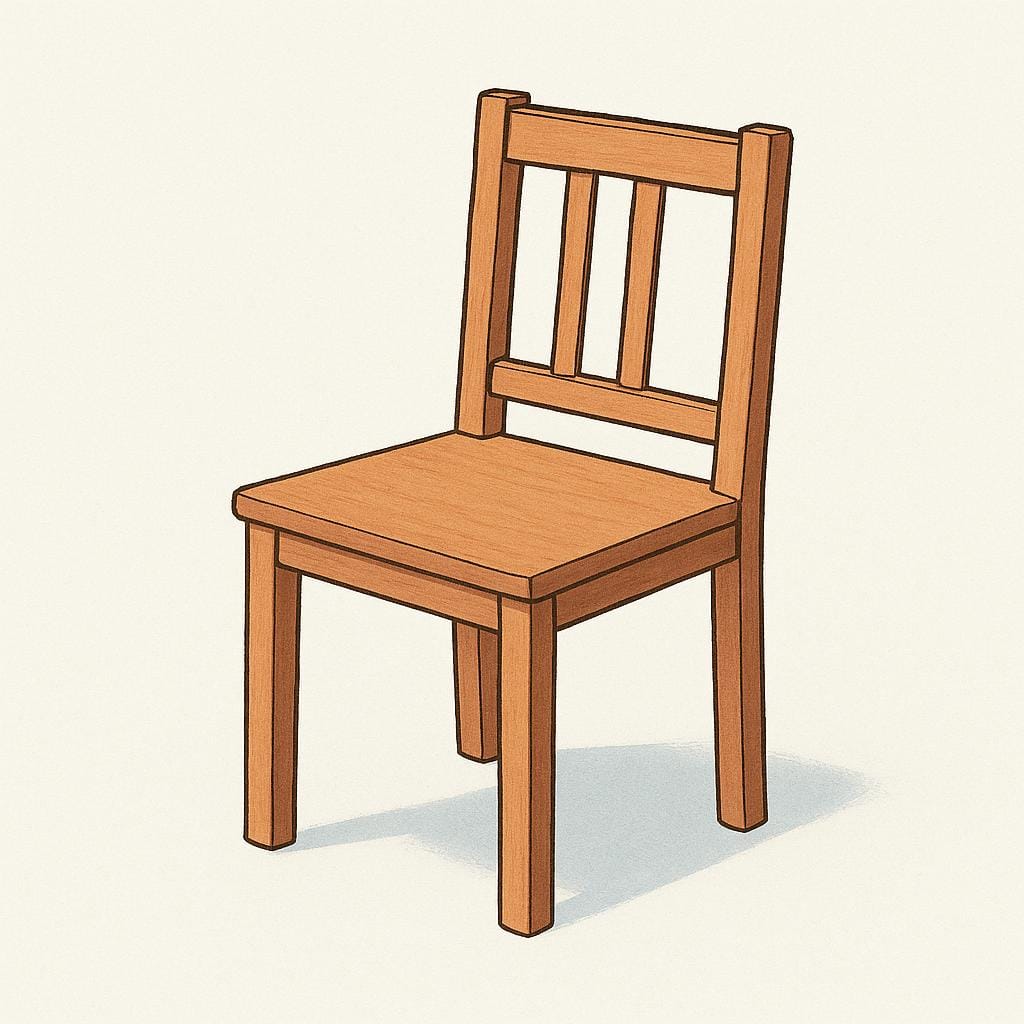
La decoración de la oficina era sobria y elegante.
The office decor was simple/understated and elegant.
Prefiere vestir con colores sobrios, como el gris y el azul marino.
She prefers to dress in plain/neutral colors, like grey and navy blue.
Su comportamiento siempre fue sobrio y discreto.
His behavior was always modest and discreet.
Use with 'Ser'
When describing style or personality, this is usually a characteristic, so use the verb 'ser' (to be permanent): 'El diseño es sobrio' (The design is understated).
fáciles
Examples
Las matemáticas son difíciles, pero estos ejercicios son muy fáciles.
Math is difficult, but these exercises are very easy.
Simple vs. Easy vs. Basic
Related Translations
Learn Spanish with Inklingo
Interactive stories, personalized learning, and more.