humilde
“humilde” means “humble” in Spanish. It has 3 different meanings depending on context:
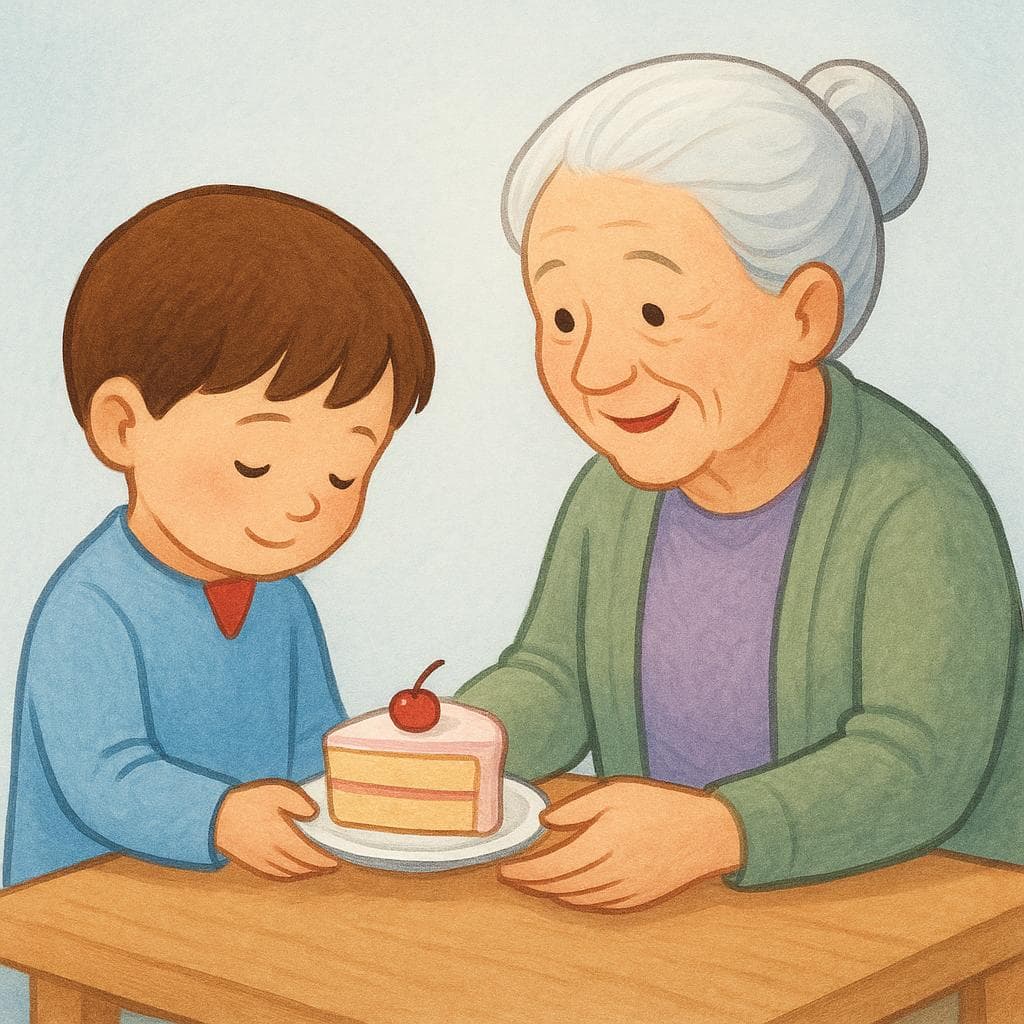

humble, modestAlso: unassuming

📝 In Action
A pesar de su fama, el actor es muy humilde con sus fans.
A2Despite his fame, the actor is very humble with his fans.
Ella siempre tiene una actitud humilde y escucha a los demás.
B1She always has a modest attitude and listens to others.
Necesitas ser más humilde y reconocer tus errores.
B1You need to be more humble and recognize your mistakes.
Word Connections
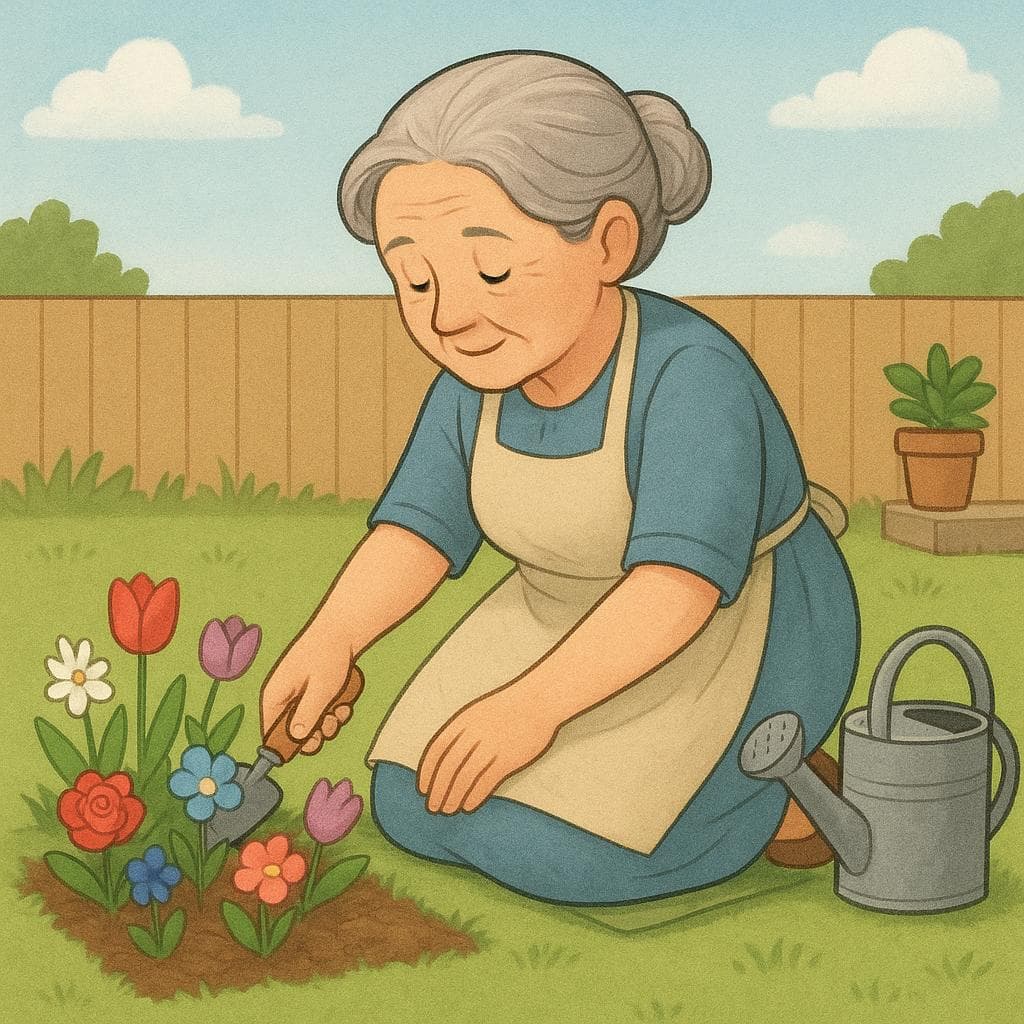
simple, lowlyAlso: poor

📝 In Action
A pesar de su origen humilde, llegó a ser presidente.
B1Despite his humble origin, he became president.
Viven en una casa humilde, pero es muy acogedora.
B2They live in a simple/modest house, but it is very cozy.
Pidió un trabajo humilde para empezar a ganar dinero.
C1He asked for a lowly job to start earning money.
Word Connections
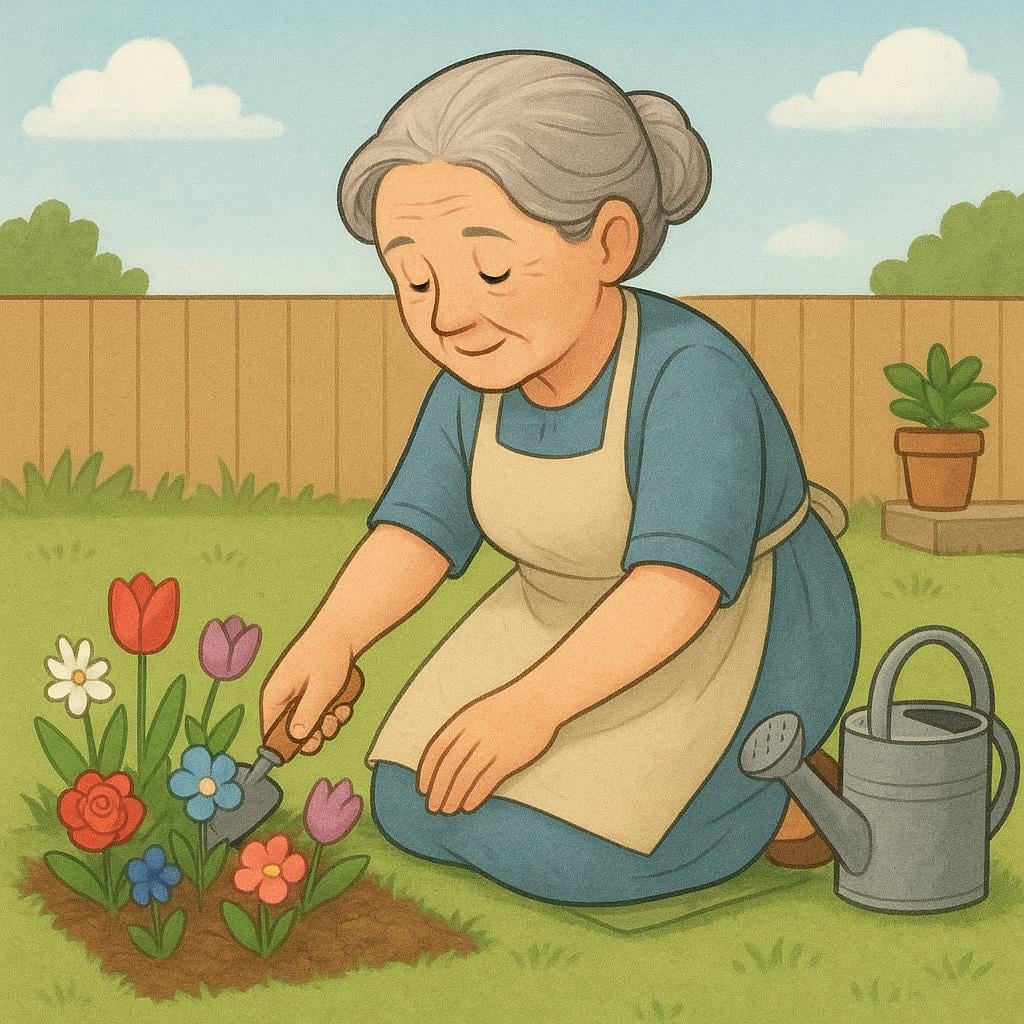
the humble person, the poor
📝 In Action
El gobierno prometió ayudar a los más humildes de la sociedad.
C1The government promised to help the most humble/poor people in society.
Es un honor recibir a un humilde como tú.
C1It is an honor to receive a humble person like you.
Word Connections
Translate to Spanish
✏️ Quick Practice
Quick Quiz: humilde
Question 1 of 1
Which sentence uses 'humilde' to describe a person's character, not their economic status?
📚 More Resources
👥 Word Family
📚 Etymology
The word comes directly from the Latin word 'humilis,' which meant 'lowly' or 'from the ground' (related to 'humus,' meaning earth). This root explains both the meaning of modesty and the meaning of low social status.
First recorded: 13th century
Cognates (Related words)
💡 Master Spanish
Take your Spanish to the next level. Read 200+ illustrated and narrated Spanish stories tailored to your level with the Inklingo app!
Frequently Asked Questions
Is 'humilde' a positive word?
Yes, almost always. When applied to a person, it is highly positive, meaning they are modest, respectful, and not arrogant. When applied to an object or place, it means simple, unpretentious, or lacking luxury.
How do I make 'humilde' plural?
Since 'humilde' ends in a vowel followed by 'de', you just add '-s' to make it plural: 'humildes' (e.g., 'los niños humildes').