How to Say "change" in Spanish
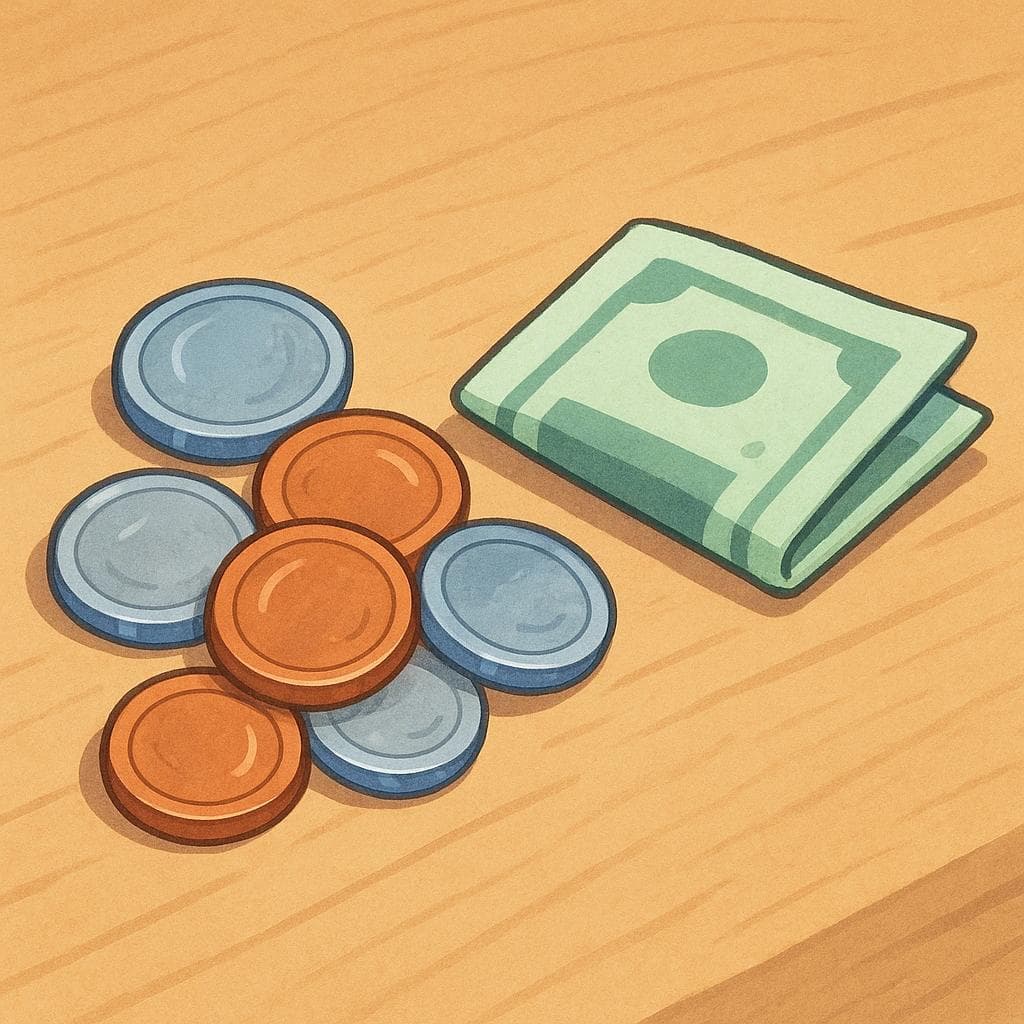
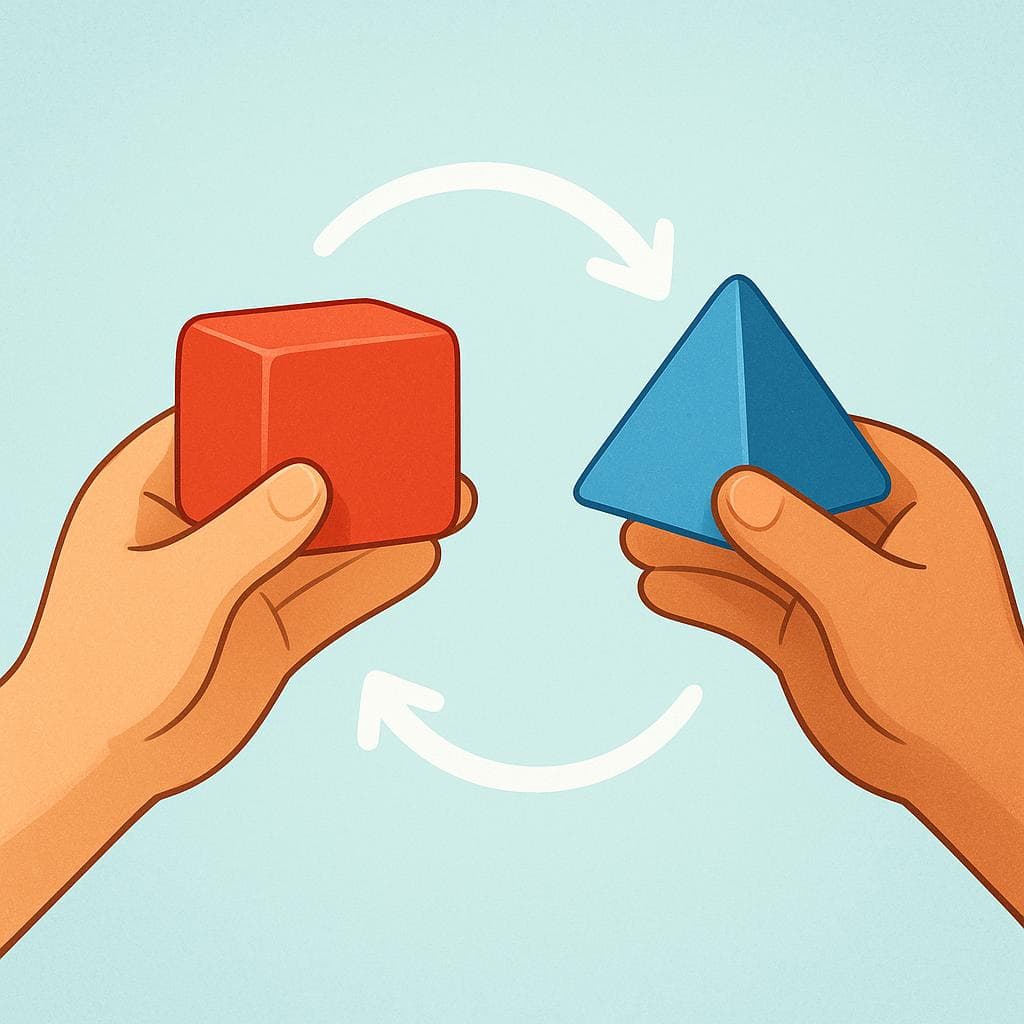
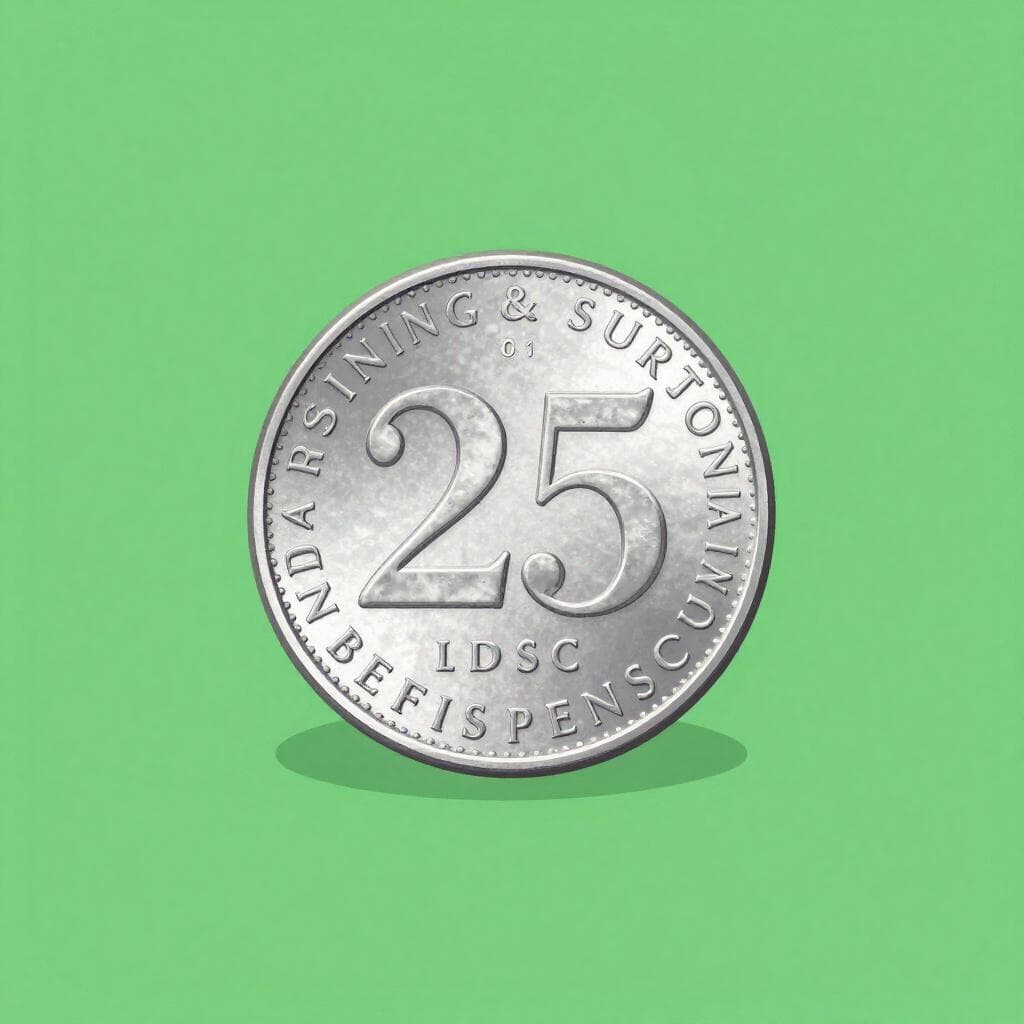
The most common Spanish word for “change” is “cambio” — use this for a general transformation, modification, or exchange, like a change in your life or the exchange of goods.






cambio
KAHM-byohˈkambjo
Examples
Necesito un cambio en mi vida.
I need a change in my life.
Perdón, ¿tiene cambio de un billete de 20 euros?
Excuse me, do you have change for a 20 euro bill?
El tipo de cambio hoy es favorable para el dólar.
The exchange rate today is favorable for the dollar.
Using 'a cambio de'
This little phrase is super useful. It means 'in exchange for'. You can say, 'Te ayudo con tu tarea a cambio de un café.' (I'll help you with your homework in exchange for a coffee.)
Forgetting its Gender
Mistake: “La cambio es bueno.”
Correction: El cambio es bueno. Remember that 'cambio' is a masculine word, so it uses 'el' and 'un'.
vuelto
bwel-tohˈbwelto
Examples
Pagué con un billete de veinte y me dieron el vuelto.
I paid with a twenty-dollar bill and they gave me the change.
Quédese con el vuelto.
Keep the change.
Disculpe, creo que me dio mal el vuelto.
Excuse me, I think you gave me the wrong change.
monedas
moh-NEH-dahsmoˈneðas
Examples
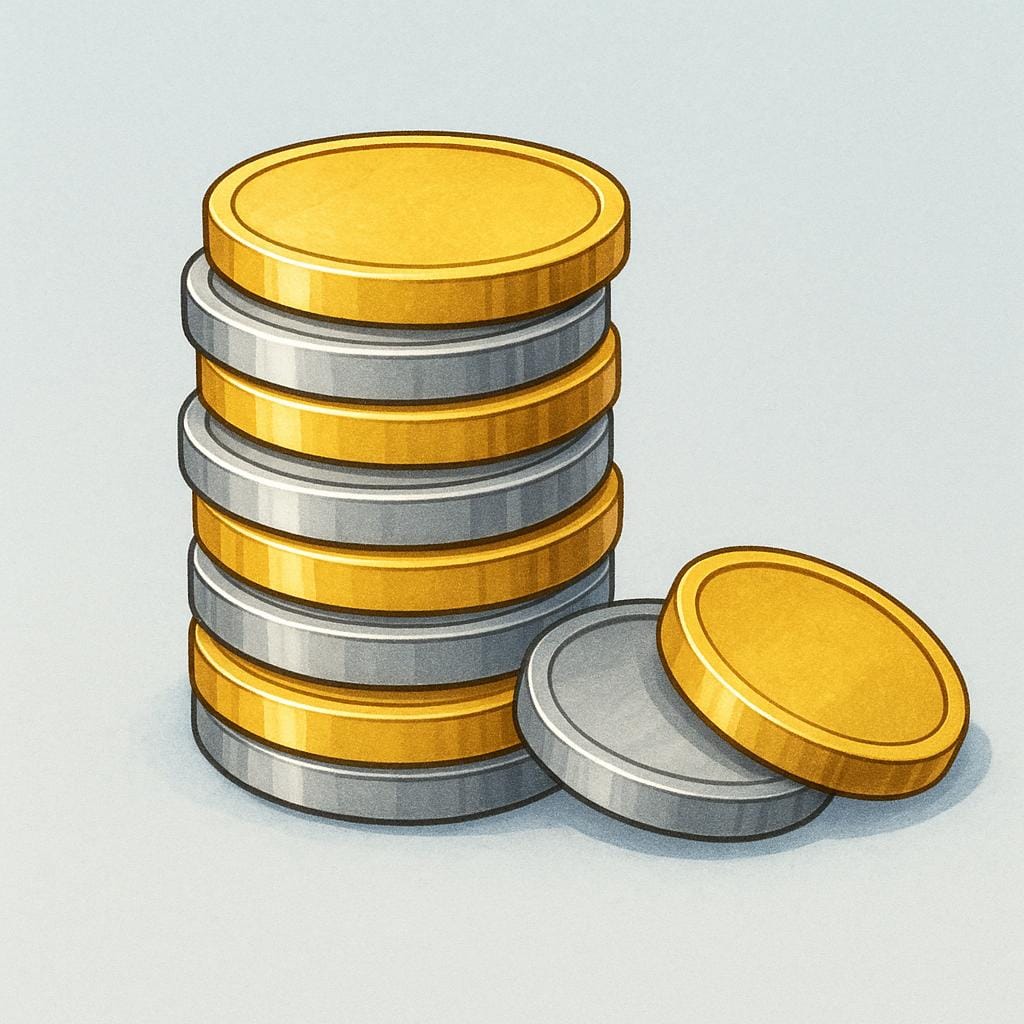
Necesito sacar algunas monedas de mi cartera para el autobús.
I need to take some coins out of my wallet for the bus.
Hay muchas monedas pequeñas debajo del sofá.
There are a lot of small coins under the sofa.
Este parquímetro solo acepta monedas de un euro.
This parking meter only accepts one-euro coins.
It's Always Plural for 'Coins'
To talk about multiple physical pieces of metal money, you must use the plural form 'monedas,' even if English sometimes uses the singular 'change.'
Confusing 'Moneda' and 'Dinero'
Mistake: “Using 'dinero' when specifically referring to physical coins (e.g., 'Solo tengo dinero').”
Correction: Use 'monedas' or 'cambio' (change) when referring to the physical pieces. 'Dinero' is the general term for money.
centavos
sen-TAH-vossenˈtaβos

Examples
Esta goma de borrar cuesta veinticinco centavos.
This eraser costs twenty-five cents.
El café subió de precio, ahora cuesta unos centavos más.
The coffee went up in price, now it costs a few cents more.
No tengo billetes grandes, solo centavos en la cartera.
I don't have large bills, only change in my wallet.
Always Plural
Since 'centavos' is the plural form of 'centavo' (cent), it is almost always used in the plural, even for small amounts like ten cents ('diez centavos').
The 100 Rule
In most Spanish-speaking countries, 100 centavos make up one unit of the main currency (like 1 peso or 1 dollar), just as 100 cents make up 1 dollar.
Using the Singular for Amounts
Mistake: “Cuesta cien centavo.”
Correction: Cuesta cien centavos. (Always use the plural form when referring to an amount greater than one.)
sencillo
sen-SEE-yohsenˈθiʎo

Examples
¿Tienes sencillo para pagar el autobús?
Do you have change (small bills) to pay for the bus?
Lo siento, no tengo sencillo, solo un billete de cincuenta.
I'm sorry, I don't have small bills, only a fifty-dollar note.
Using 'Sencillo' as a Noun
When referring to money, 'sencillo' acts as a masculine noun and usually means 'the small money' or 'the change' needed for exact payment.
Confusing Change (Money)
Mistake: “Using 'cambio' when asking if someone has small bills ('¿Tienes cambio?').”
Correction: While 'cambio' works for the money received back, 'sencillo' is often preferred in Latin America for the smaller bills or coins needed to pay exactly: '¿Tienes sencillo?'
cambie
kahm-bye-ehˈkam.bje
Examples
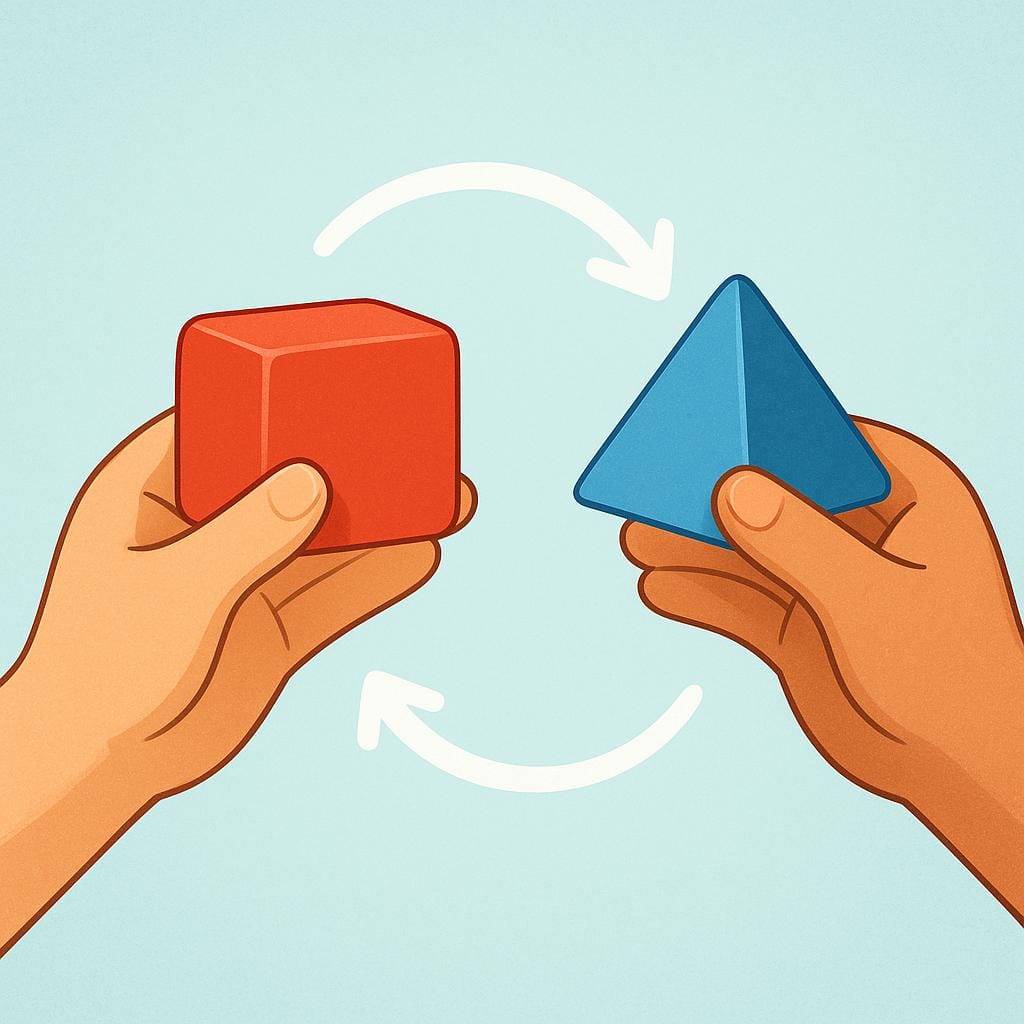
Por favor, cambie la bombilla quemada.
Please, change the burnt-out lightbulb. (Formal command)
No creo que él cambie su manera de pensar.
I don't believe he will change his way of thinking. (Subjunctive doubt)
Espero que yo cambie de trabajo pronto.
I hope I change jobs soon. (Subjunctive desire)
Dual Role of 'Cambie'
'Cambie' is used for two main purposes: 1) Giving a formal command to 'usted' (you, formal); and 2) Talking about desires or doubts for 'yo' (I) or 'él/ella/usted' (he/she/formal you) in the subjunctive mood.
The Subjunctive Trigger
You must use 'cambie' (the subjunctive form) after phrases that express wishes, uncertainty, or necessity, like 'Espero que...' (I hope that...) or 'Dudo que...' (I doubt that...).
Mixing Up Commands
Mistake: “Using 'cambia' when speaking formally to a stranger.”
Correction: If you are addressing someone formally (using 'Usted'), you must use the '-e' ending for '-ar' verbs: 'Cambie su asiento.' (Change your seat).
mueva
MWEH-vahˈmwe.βa

Examples
Por favor, mueva el coche de aquí.
Please, move the car from here.
Mi jefe quiere que yo mueva la reunión al jueves.
My boss wants me to move the meeting to Thursday.
Dudo que la nueva ley mueva la economía tan rápido.
I doubt that the new law will move the economy so quickly.
Dual Role of 'Mueva'
'Mueva' has two main functions: it is the formal command (Usted, telling someone to move) and it is the special verb form (subjunctive) used after expressions of desire, doubt, or necessity (for 'yo', 'él/ella', and 'usted').
Stem Change E → UE
The base verb 'mover' is irregular. The 'o' changes to 'ue' in most present tense forms, but 'mueva' comes from the 'e' changing to 'ue' in the root, which then influences the subjunctive forms.
Forgetting the Subjunctive
Mistake: “Quiero que él mueve la caja.”
Correction: Quiero que él mueva la caja. (Spanish requires this special verb form when the subject of the desire is different from the subject of the action.)
alteración
Examples
El sastre hizo una pequeña alteración en los pantalones.
The tailor made a small alteration to the pants.
modificación
Examples
He hecho una pequeña modificación en el diseño.
I have made a small modification to the design.
transformación
Examples
La transformación de la oruga en mariposa es fascinante.
The transformation of the caterpillar into a butterfly is fascinating.
variación
Examples
Hubo una pequeña variación en el precio de la gasolina.
There was a small variation in the price of gasoline.
innovación
Examples
La empresa invierte mucho dinero en innovación.
The company invests a lot of money in innovation.
cora
ko-rahˈko.ɾa
Examples
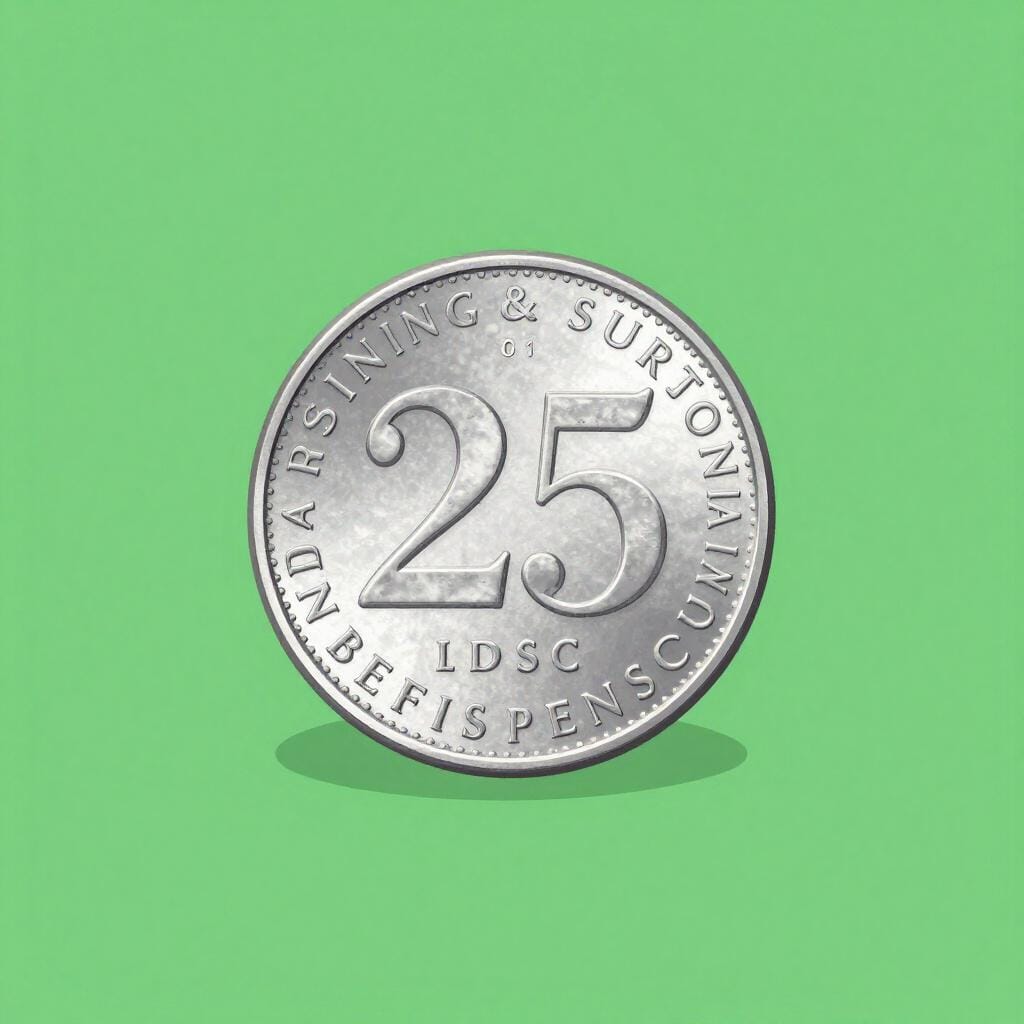
¿Me prestas una cora para el bus?
Can you lend me a quarter for the bus?
El pan cuesta una cora cada uno.
The bread costs a quarter each.
Tengo cuatro coras en mi bolsillo.
I have four quarters in my pocket.
Feminine for Money
Unlike the slang for 'heart', the coin 'cora' is feminine (la cora) because it refers to 'la moneda' (the coin).
Mixing up Coras
Mistake: “Asking for 'el cora' in a shop.”
Correction: Ask for 'una cora'. Using 'el cora' makes it sound like you're asking for someone's heart instead of their change!
pico
PEE-kohˈpiko

Examples
La cuenta es de cien euros y pico.
The bill is a hundred euros and a bit more.
Tiene veinticinco años y pico.
He is twenty-five years old and a little over.
Using 'y pico'
This phrase always follows a round number to indicate a small, unspecified amount that exceeds it. It means 'and a little extra.'
suelta
SWEL-tahˈswelta

Examples
¿Me puede dar la suelta en monedas de un euro?
Can you give me the change in one-euro coins?
Perdí mi cartera, pero solo tenía un poco de suelta.
I lost my wallet, but it only had a little loose change.
Feminine Noun
Since 'suelta' is a feminine noun, you must use feminine words like 'la' or 'una' before it: 'la suelta'.
Confusing Noun and Verb
Mistake: “El suelta es importante para el bus. (Using the masculine article 'el')”
Correction: La suelta es importante para el bus. (Always use 'la' when referring to money/change.)
mutación
Examples
La mutación del virus preocupa a los médicos.
The mutation of the virus worries doctors.
delta
DELL-tahˈdel̪.t̪a

Examples
En las ecuaciones, 'delta' (Δ) representa la variación de la variable.
In equations, 'delta' (Δ) represents the variation of the variable (the change).
La letra griega 'delta' es la cuarta del alfabeto.
The Greek letter 'delta' is the fourth letter of the alphabet.
Symbol vs. Word
When talking about the scientific concept of 'change,' you will often see the symbol (Δ) written, but when you read it aloud, you say 'delta'.
Money vs. General Change
Related Translations
Learn Spanish with Inklingo
Interactive stories, personalized learning, and more.