pico
“pico” means “beak” in Spanish. It has 5 different meanings depending on context:
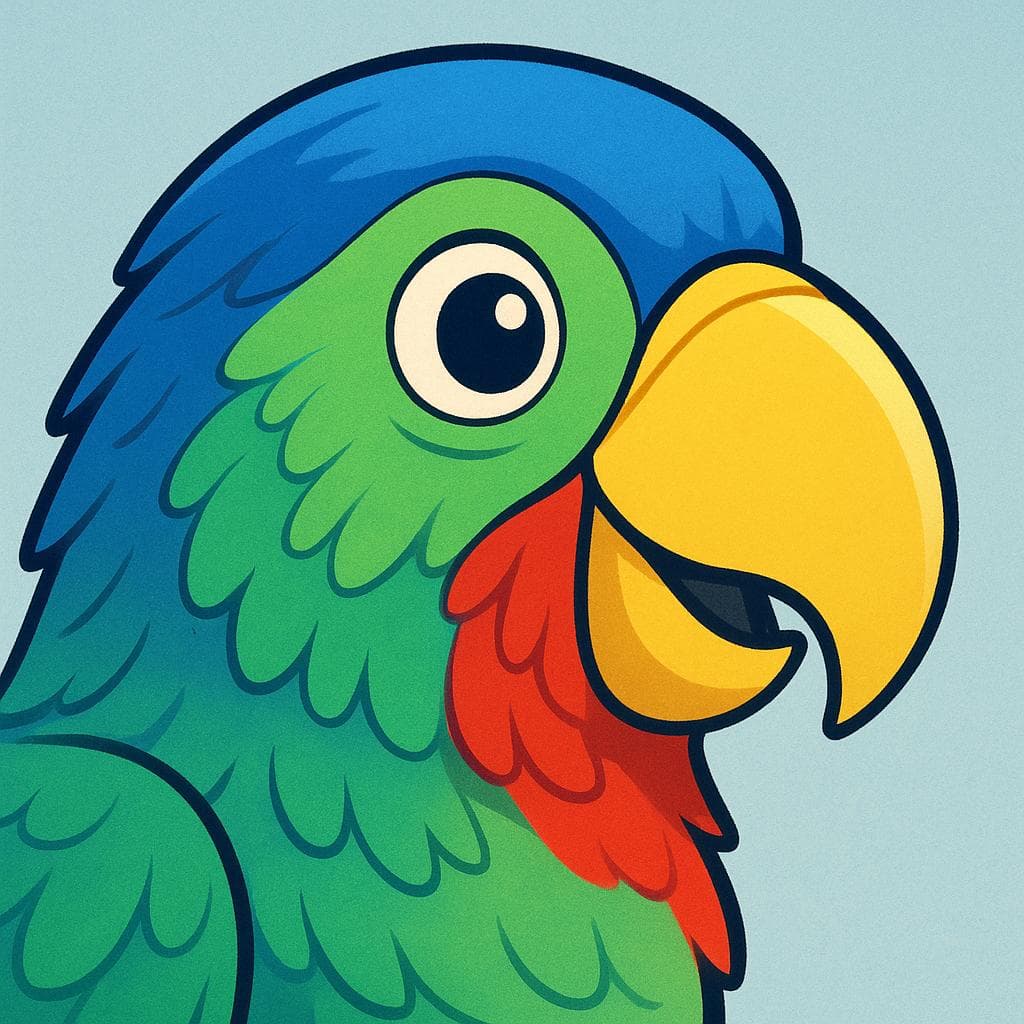


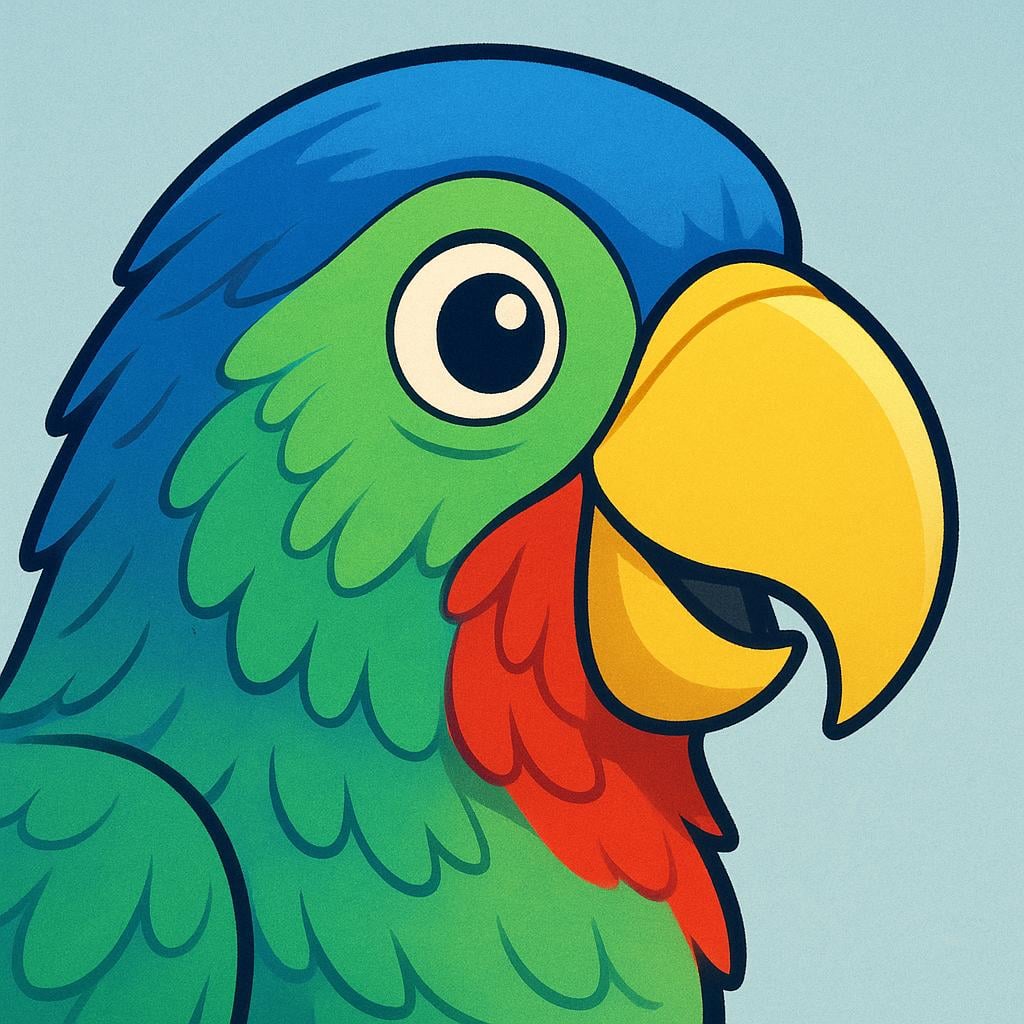
beak, bill
📝 In Action
El pájaro alimentó a sus crías con su pico.
A1The bird fed its young with its beak.
Ten cuidado, el loro tiene un pico muy fuerte.
A2Be careful, the parrot has a very strong beak.
Word Connections
peak, tipAlso: point

📝 In Action
Llegamos al pico de la montaña después de tres horas.
A2We reached the peak of the mountain after three hours.
El lápiz necesita punta; se le rompió el pico.
A2The pencil needs sharpening; its tip broke off.
Word Connections
and a bit, oddAlso: change

📝 In Action
La cuenta es de cien euros y pico.
B1The bill is a hundred euros and a bit more.
Tiene veinticinco años y pico.
B2He is twenty-five years old and a little over.
Word Connections
mouthAlso: trap

📝 In Action
¡Cierra el pico y escúchame!
B2Shut your mouth and listen to me!
Le dio un pico a su novia antes de irse.
C1He gave his girlfriend a quick kiss before leaving.
Word Connections
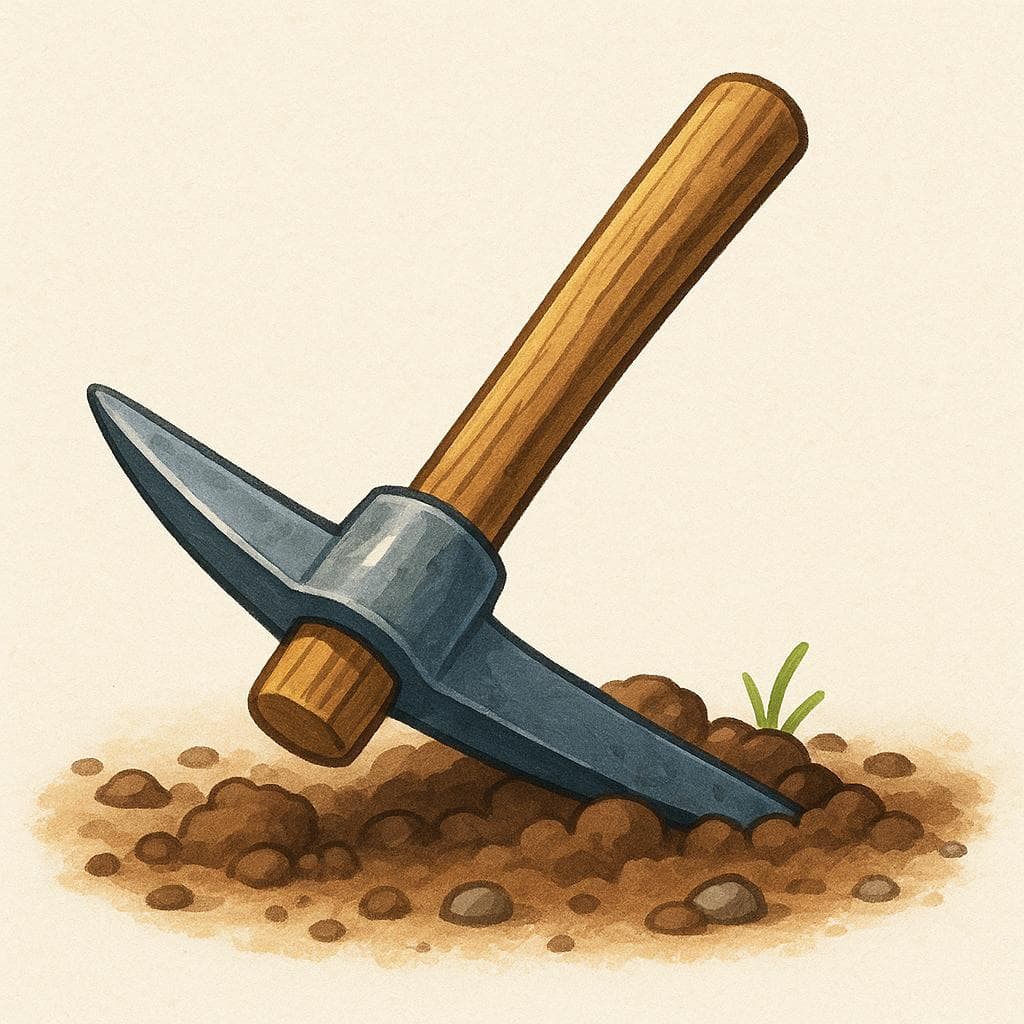
pickaxe, pick

📝 In Action
Necesitamos un pico y una pala para cavar el hoyo.
B1We need a pickaxe and a shovel to dig the hole.
Word Connections
Vocabulary Collections
Translate to Spanish
✏️ Quick Practice
Quick Quiz: pico
Question 1 of 2
Which meaning of 'pico' is used when describing a bill of 500 euros and 25 cents?
📚 More Resources
👥 Word Family
📚 Etymology
The word 'pico' comes from Vulgar Latin *piccus*, which means 'pointed' or 'sharp.' This origin explains why it is used for a bird's beak, a mountain's peak, and the sharp tool used for digging.
First recorded: 12th century
Cognates (Related words)
💡 Master Spanish
Take your Spanish to the next level. Read 200+ illustrated and narrated Spanish stories tailored to your level with the Inklingo app!
Frequently Asked Questions
Is 'pico' always a masculine word?
Yes, 'pico' is always a masculine noun, meaning you must use 'el' or 'un' with it, regardless of which meaning you are using.
How do I know if 'pico' means 'peak' or 'beak'?
Context is key! If you are talking about nature, it usually means 'beak' (with birds) or 'peak' (with mountains). If it follows a number, it means 'a little extra.' If used with people, it often means 'mouth' informally.