punta
“punta” means “tip” in Spanish. It has 3 different meanings depending on context:
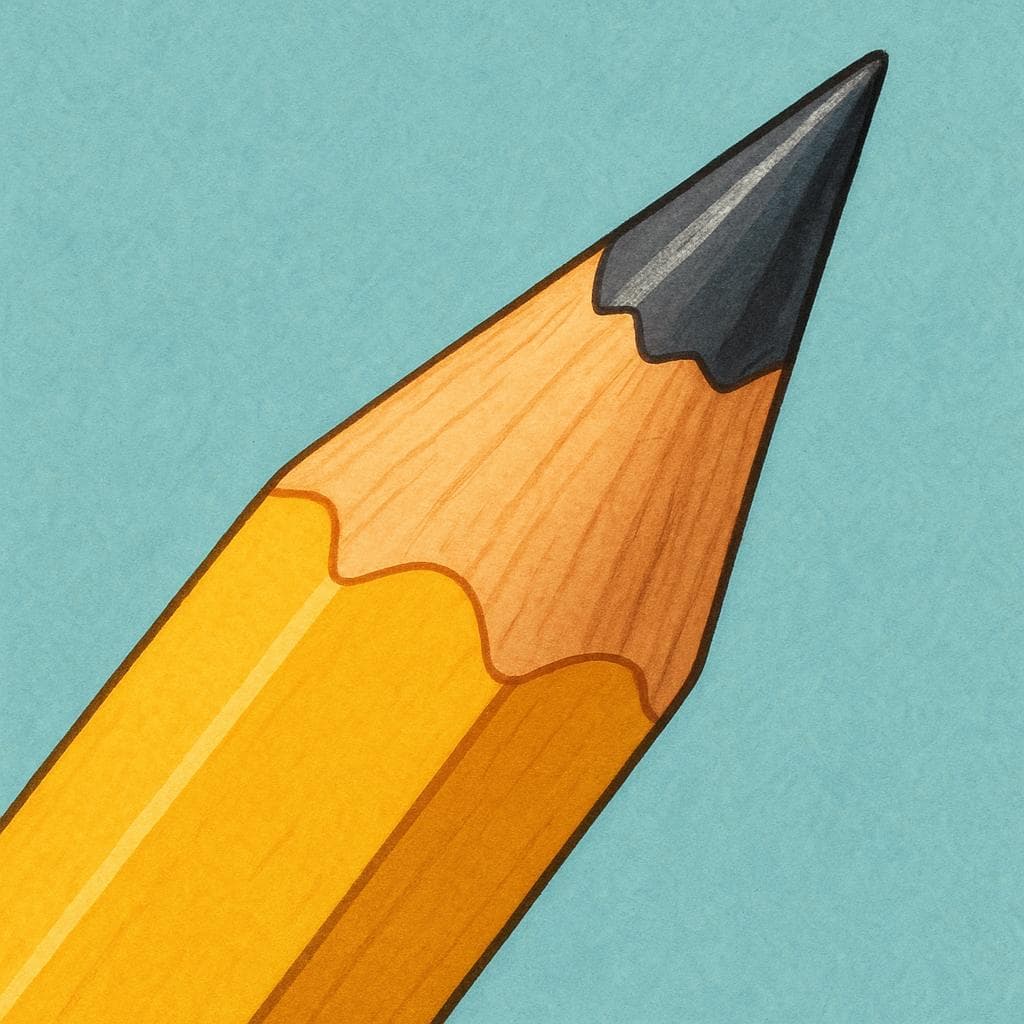

tip, point
Also: end
📝 In Action
La punta del lápiz está rota.
A1The tip of the pencil is broken.
Me pinché el dedo con la punta de la aguja.
A2I pricked my finger with the point of the needle.
end, cape
Also: headland, edge
📝 In Action
La Punta Cana es un destino turístico muy famoso.
B1Punta Cana is a very famous tourist destination (referring to the cape/headland).
Nos encontramos en la punta de la calle.
B1We met at the end of the street.
peak, rush
Also: height
📝 In Action
El tráfico es terrible en hora punta.
B2Traffic is terrible during rush hour.
Los precios están en punta durante el verano.
C1Prices are at their peak during the summer.
Translate to Spanish
✏️ Quick Practice
Quick Quiz: punta
Question 1 of 1
Which sentence uses 'punta' to describe a geographical location?
📚 More Resources
👥 Word Family▼
📚 Etymology▼
The word 'punta' comes directly from the Latin word *punctum*, which meant 'point' or 'prick.' It is related to the idea of something sharp or the precise end of something.
First recorded: 13th century
Cognates (Related words)
💡 Master Spanish
Take your Spanish to the next level. Read 200+ illustrated and narrated Spanish stories tailored to your level with the Inklingo app!
Frequently Asked Questions
What is the difference between 'punta' and 'punto'?
'Punta' (feminine) refers to a sharp, physical tip, or the very end of a line/area. 'Punto' (masculine) refers to an abstract point, a dot, a score, or a specific moment in time. Think of 'punta' as the 'end' and 'punto' as the 'spot'.