cabo
“cabo” means “cape” in Spanish. It has 3 different meanings depending on context:


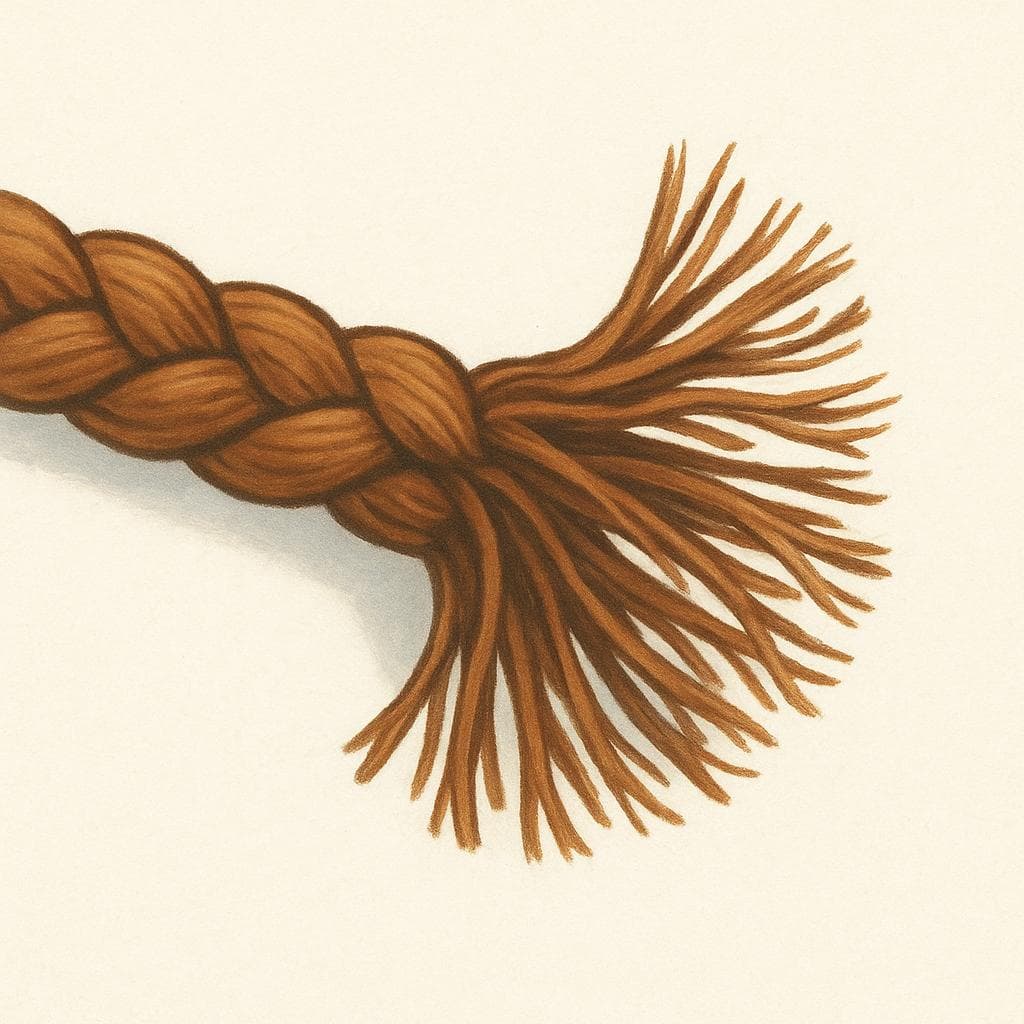
cape, headland
Also: promontory
📝 In Action
El Cabo de Hornos es famoso por sus vientos fuertes.
B1Cape Horn is famous for its strong winds.
Desde aquí se puede ver el cabo en la distancia.
B1From here you can see the headland in the distance.
corporal
Also: petty officer
📝 In Action
El cabo revisó el equipo antes de la misión.
B2The corporal checked the equipment before the mission.
Fue ascendido a cabo después de un año de servicio.
B2He was promoted to corporal after one year of service.
end, handle
Also: loose end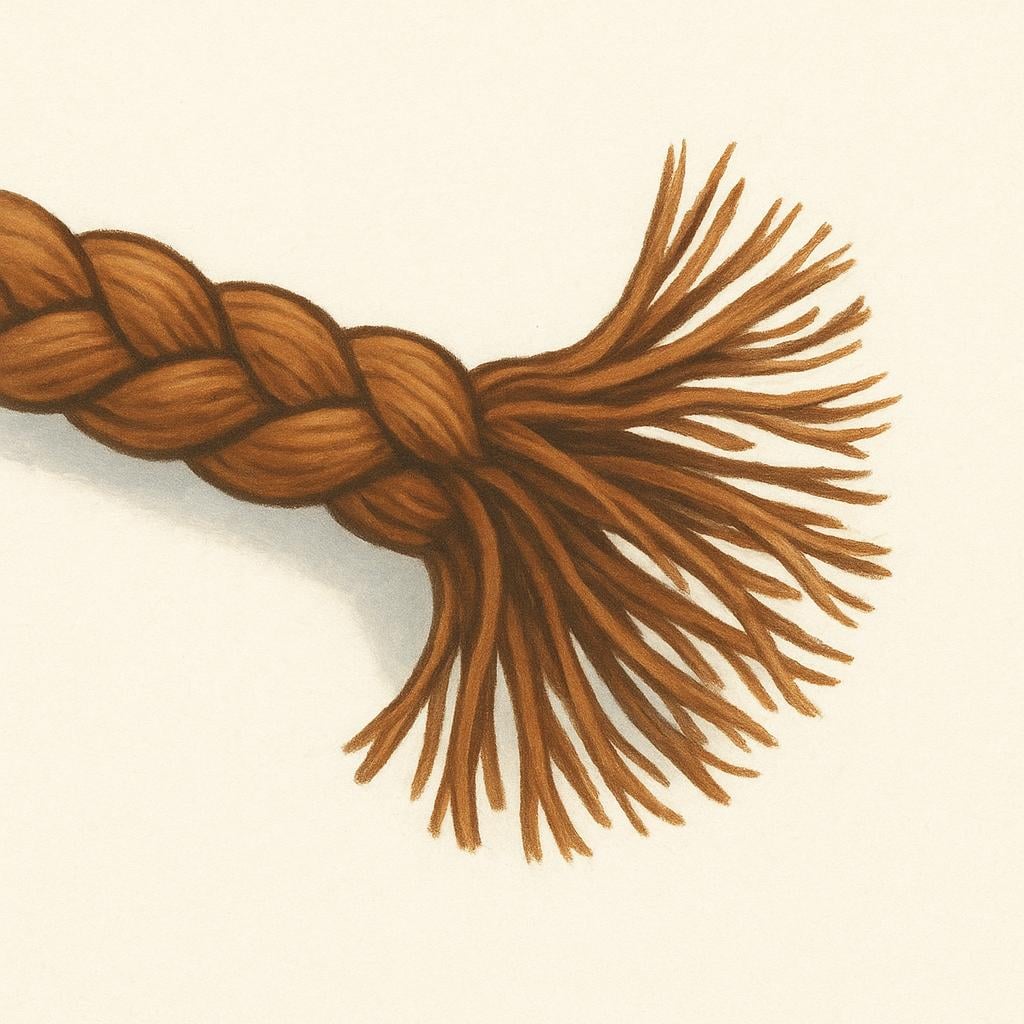
📝 In Action
Por fin pudimos atar el cabo de la cuerda.
A2We were finally able to tie the end of the rope.
El cabo del martillo se rompió.
B1The handle of the hammer broke.
Al cabo de dos horas, llegaron a la cima.
A2After two hours, they reached the summit. (Meaning: 'At the end of two hours')
Translate to Spanish
Words that translate to "cabo" in Spanish:
cape→corporal→end→handle→headland→loose end→petty officer→promontory→✏️ Quick Practice
Quick Quiz: cabo
Question 1 of 2
Which meaning of 'cabo' is used in the essential phrase 'llevar a cabo'?
📚 More Resources
👥 Word Family▼
🎵 Rhymes▼
📚 Etymology▼
The word 'cabo' comes from the Latin word *caput*, which means 'head.' This explains all its meanings: the head of land jutting into the sea (a cape), the person who leads a small group (a corporal), and the head or end of a rope or stick (the handle or extremity).
First recorded: 13th century
Cognates (Related words)
💡 Master Spanish
Take your Spanish to the next level. Read 200+ illustrated and narrated Spanish stories tailored to your level with the Inklingo app!
Frequently Asked Questions
How can I remember the difference between the military 'cabo' and a 'capitán'?
A 'cabo' is a very low-ranking soldier, often just above a private. Think of 'cabo' as a basic supervisor. A 'capitán' (captain) is a much higher-ranking officer who commands larger units and has more formal education.
Is 'cabo' related to the word 'acabar' (to finish)?
Yes! Both come from the Latin root meaning 'head' or 'end' (*caput*). 'Cabo' is the 'end' itself, while 'acabar' is the action of bringing something *to* an end, or finishing it.