How to Say "bill" in Spanish
The most common Spanish word for “bill” is “cuenta” — use 'cuenta' when you are asking for the total amount of money you owe at a restaurant, bar, or for a service.



cuenta
KWEN-tahˈkwenta
Examples
La cuenta, por favor.
The bill, please.
La cuenta de la luz es muy alta este mes.
The electricity bill is very high this month.
Pagamos la cuenta a medias.
We split the bill.
billete
bee-YEH-tehbiˈʎe.te

Examples
Perdí un billete de diez euros en la calle.
I lost a ten-euro banknote on the street.
¿Tienes cambio para un billete de cincuenta?
Do you have change for a fifty-bill?
Prefiero pagar con tarjeta que con billetes.
I prefer to pay by card rather than with cash/bills.
Gender Rule
Since 'billete' ends in '-e', it is masculine, so you must use 'el' or 'un' before it.
Mixing up bills and coins
Mistake: “Dame una billete.”
Correction: Dame un billete. (Remember 'billete' is masculine, and 'moneda' is used for coins.)
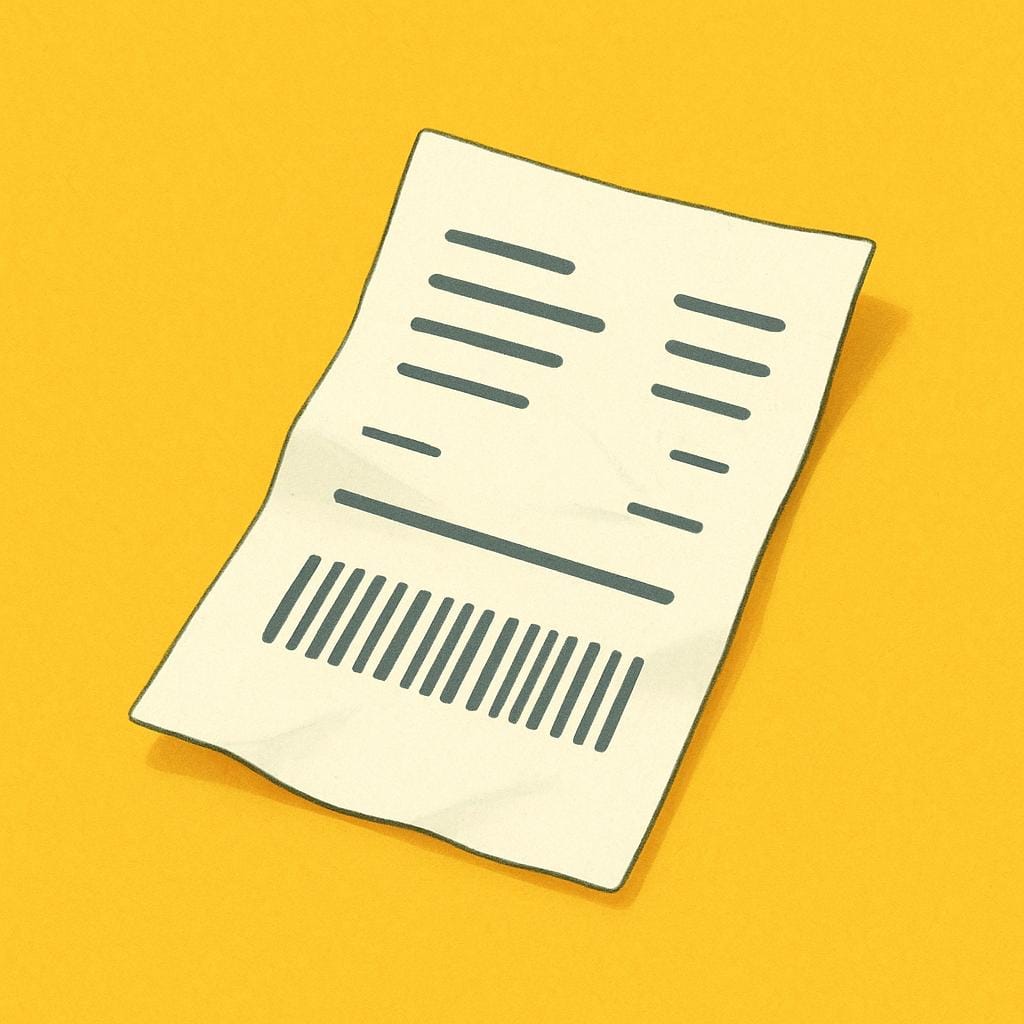
recibo
reh-SEE-bohreˈsiβo
Examples
¿Puede darme el recibo de esta compra?
Can you give me the receipt for this purchase?
Necesito pagar el recibo del agua antes del viernes.
I need to pay the water bill before Friday.
Guarda todos los recibos para la declaración de impuestos.
Keep all the receipts for the tax declaration.
Gender Check
Since 'recibo' ends in -o, it is a masculine noun. Always use 'el' or 'un' before it: 'el recibo' (the receipt).
Using 'Factura' vs. 'Recibo'
Mistake: “Using 'factura' when you mean a simple store receipt.”
Correction: 'Recibo' is the general word for the proof of payment you get at a store. 'Factura' is usually a more formal, detailed invoice, often used for business expenses.
factura
fak-TOO-rafakˈtu.ɾa

Examples
¿Podría enviarme la factura por correo electrónico?
Could you send me the invoice by email?
Tenemos que pagar la factura de la luz antes del viernes.
We have to pay the electricity bill before Friday.
El restaurante olvidó incluir la propina en la factura.
The restaurant forgot to include the tip on the bill.
Always Feminine
Since 'factura' ends in '-a' and refers to a thing, it is always feminine. Remember to use 'la' or 'una' before it.
Invoice vs. Receipt
Mistake: “Using 'factura' when you mean 'receipt' after paying.”
Correction: 'Factura' is the request for payment. 'Recibo' is the document proving you already paid.
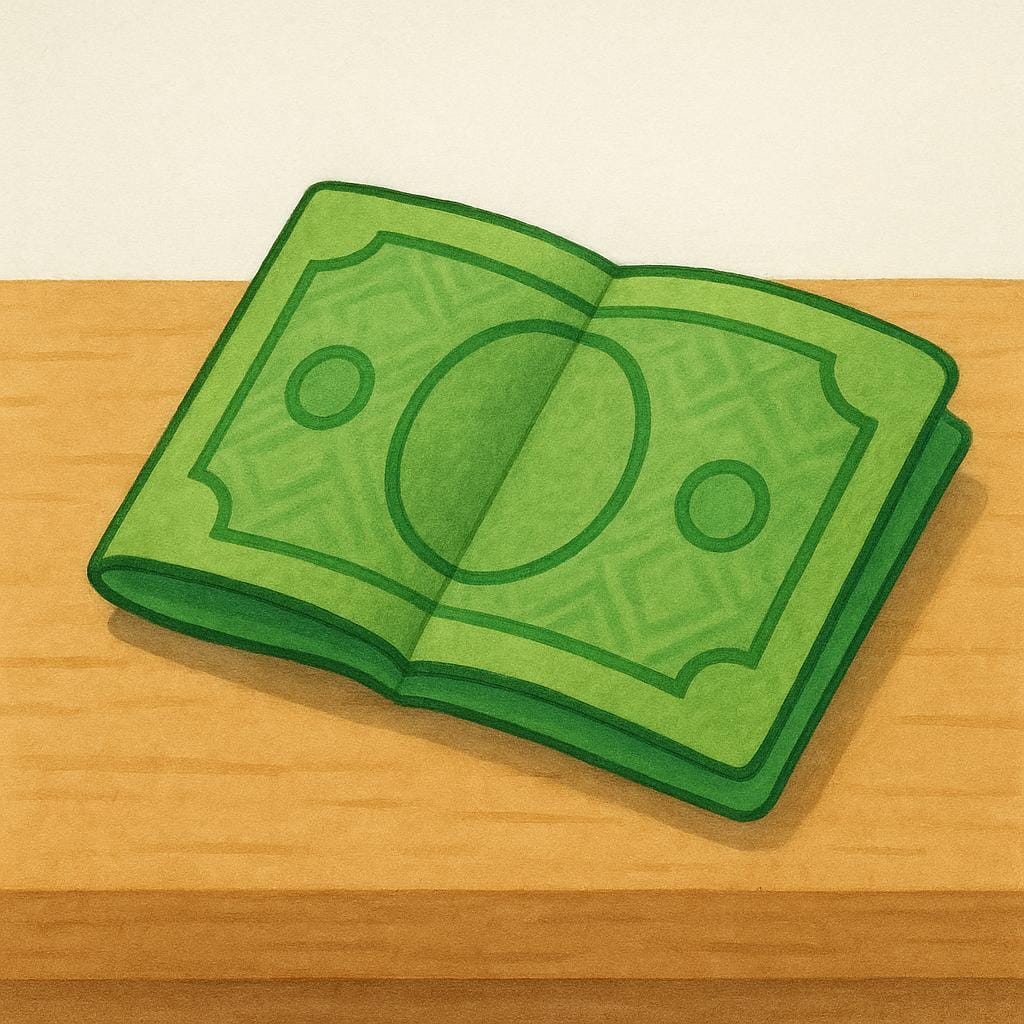
nota
NOH-tahˈno.ta
Examples
El cajero me dio una nota de veinte dólares.
The cashier gave me a twenty-dollar bill.
La nota de portada en el diario habla de la crisis.
The front-page report in the newspaper talks about the crisis.
pico
PEE-kohˈpiko

Examples
El pájaro alimentó a sus crías con su pico.
The bird fed its young with its beak.
Ten cuidado, el loro tiene un pico muy fuerte.
Be careful, the parrot has a very strong beak.
Masculine Noun
Remember that 'pico' is a masculine noun, so you must always use 'el' or 'un' before it.
Confusing 'Cuenta' and 'Factura'
Learn Spanish with Inklingo
Interactive stories, personalized learning, and more.