billete
“billete” means “banknote” in Spanish. It has 2 different meanings depending on context:

banknoteAlso: bill, paper money

📝 In Action
Perdí un billete de diez euros en la calle.
A1I lost a ten-euro banknote on the street.
¿Tienes cambio para un billete de cincuenta?
A2Do you have change for a fifty-bill?
Prefiero pagar con tarjeta que con billetes.
A2I prefer to pay by card rather than with cash/bills.
Word Connections
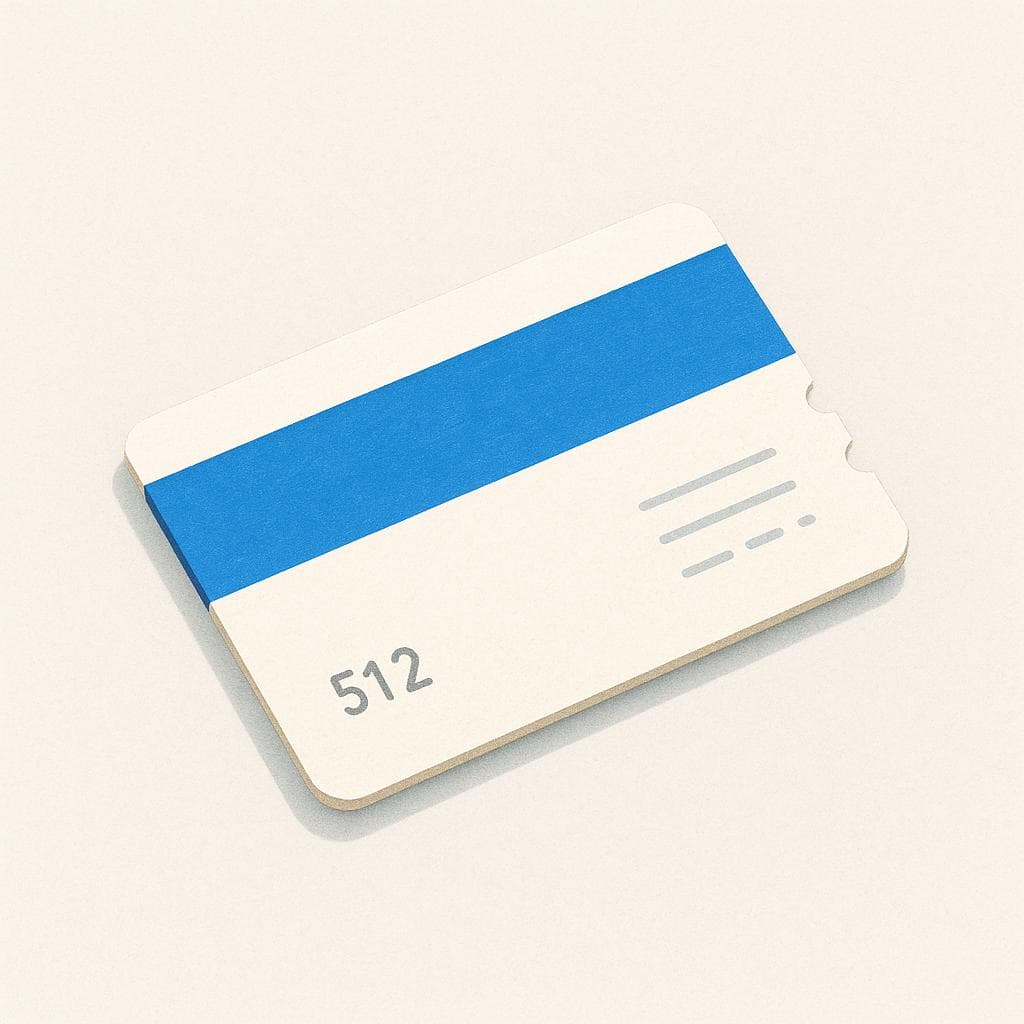
ticketAlso: lottery ticket

📝 In Action
Necesito comprar un billete de tren a Madrid.
A2I need to buy a train ticket to Madrid.
Perdimos el avión porque no encontramos nuestros billetes.
B1We missed the plane because we couldn't find our tickets.
Compré un billete de lotería con la esperanza de ganar.
B2I bought a lottery ticket hoping to win.
Word Connections
Translate to Spanish
Words that translate to "billete" in Spanish:
✏️ Quick Practice
Quick Quiz: billete
Question 1 of 2
Which word would a Spanish person most likely use if they were buying transportation to another city?
📚 More Resources
👥 Word Family
📚 Etymology
The word comes from the French 'billet,' which means 'a written note or small document.' It originally referred to any official piece of paper, which is why it means both 'banknote' and 'ticket' today.
First recorded: 17th century (in Spanish)
Cognates (Related words)
💡 Master Spanish
Take your Spanish to the next level. Read 200+ illustrated and narrated Spanish stories tailored to your level with the Inklingo app!
Frequently Asked Questions
¿Billete vs. Boleto?
In Spain, 'billete' is preferred for both money and travel tickets. In much of Latin America, 'boleto' is more common for tickets (especially bus or general tickets), while 'billete' is reserved for paper money or sometimes plane tickets.
Is 'billete' cash?
It specifically refers to paper money (bills). The general term for cash or money is 'dinero' or 'efectivo' (cash).