How to Say "check" in Spanish
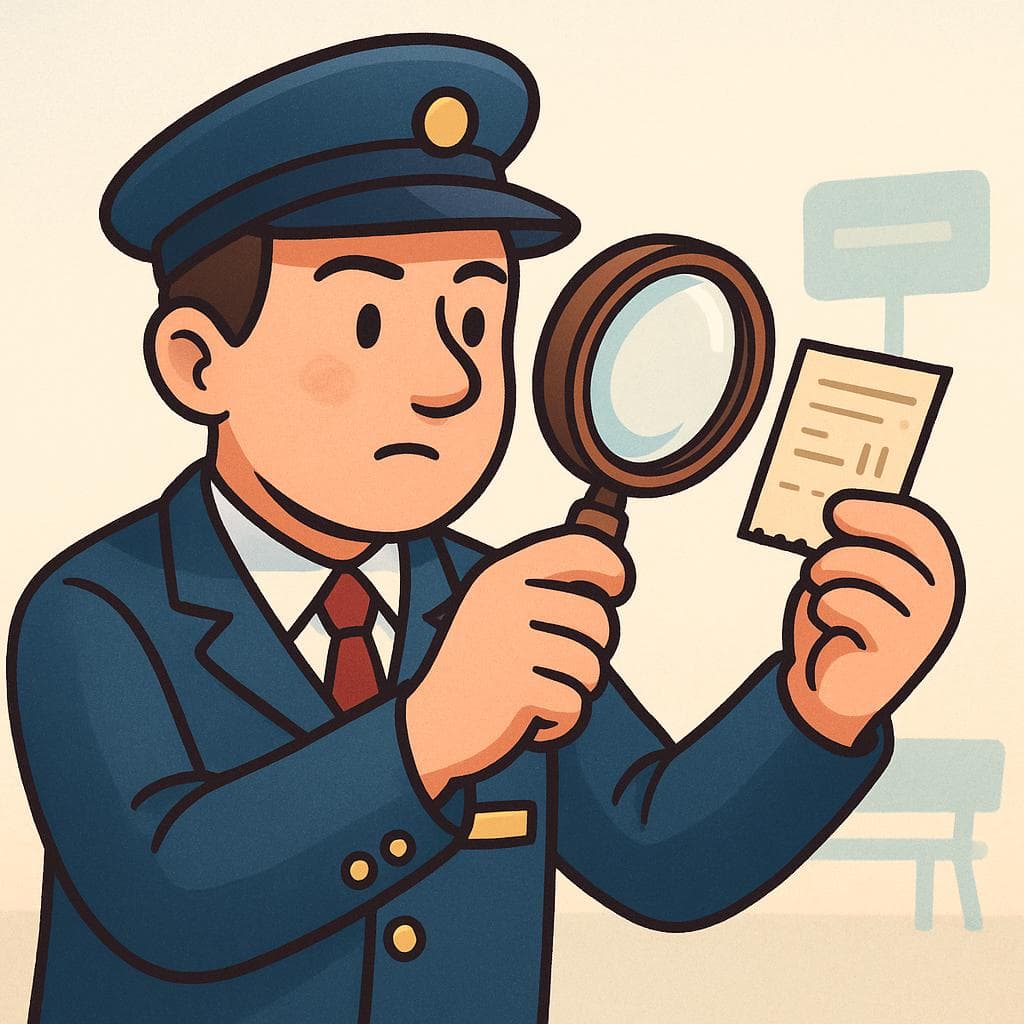
The most common Spanish word for “check” is “revisar” — use this when you need to look over something, like an email or a document, to ensure it's correct or complete.

revisar
rreh-vee-SAHRre.βiˈsaɾ
Examples
Necesito revisar mi correo electrónico antes de irme a casa.
I need to check my email before going home.
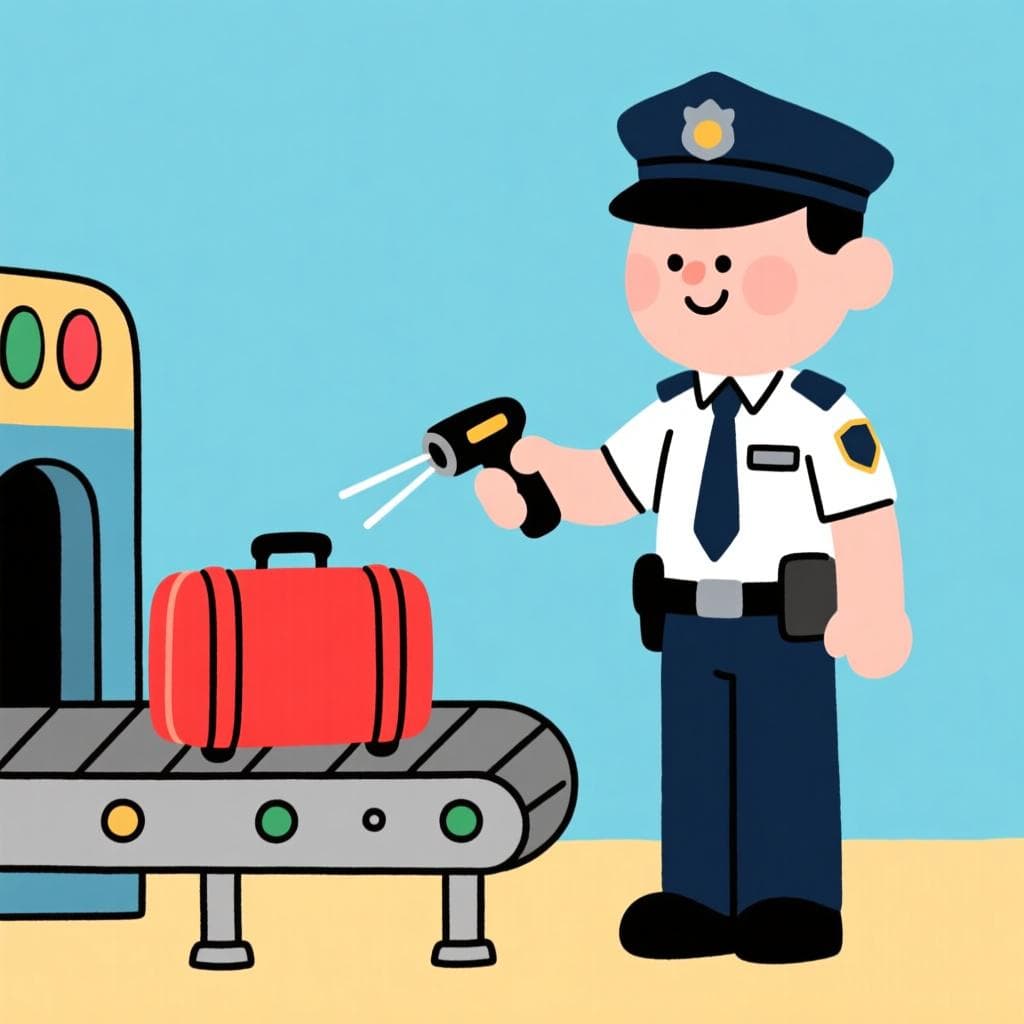
La policía revisó todas las maletas en el aeropuerto.
The police inspected all the suitcases at the airport.
El doctor quiere revisar tus resultados de laboratorio.
The doctor wants to examine your lab results.
Direct Use
Like many Spanish verbs, 'revisar' takes the action directly onto the thing being checked (the direct object). You don't need an extra preposition like 'at' or 'for'.
Confusing 'Revisar' and 'Revisar'
Mistake: “Using 'revisar' when you mean 'to look at' or 'to see' something quickly (mirar).”
Correction: 'Revisar' implies a thorough check or inspection, not just a casual look.
asegúrese
Examples
Por favor, asegúrese de cerrar la puerta al salir.
Please, make sure to close the door when you leave.
comprobación
Examples
Haz una comprobación rápida de tu maleta antes de salir.
Do a quick check of your suitcase before leaving.
cheque
CHEH-keh'tʃe.ke
Examples
Necesito ir al banco para depositar este cheque.
I need to go to the bank to deposit this check.
El pago de la renta fue con un cheque personal.
The rent payment was made with a personal check.
El cliente nos pagó con un cheque sin fondos.
The client paid us with a bounced check (a check without funds).
Gender Rule for Money
Most money-related objects in Spanish are masculine, so we always use 'el' with 'cheque'.
Confusing the Verb
Mistake: “Usar 'pagar el cheque' cuando quieres decir 'escribir el cheque'.”
Correction: Use 'hacer un cheque' or 'extender un cheque' when you mean to write one out.
control
kon-trolkonˈtɾol
Examples
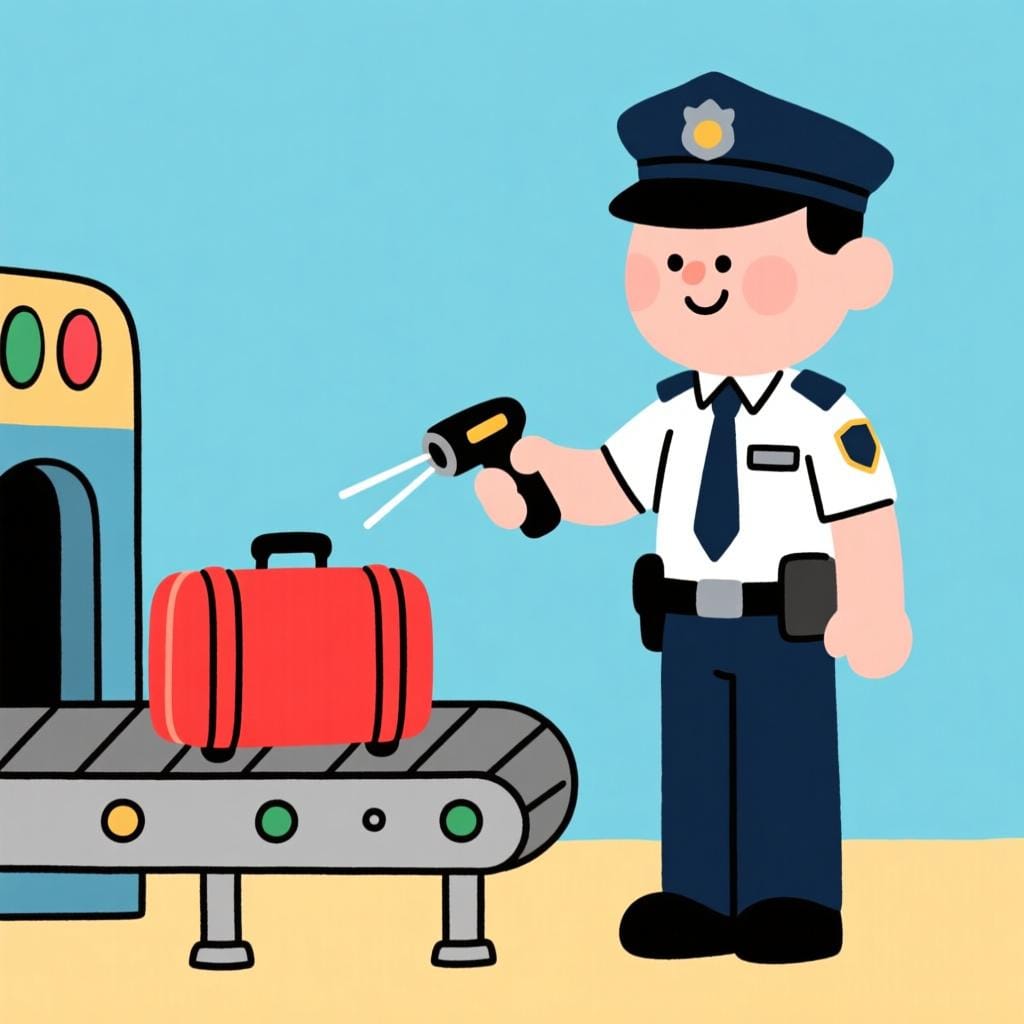
Tengo que pasar por el control de seguridad en el aeropuerto.
I have to go through the security check at the airport.
La policía montó un control en la carretera.
The police set up a checkpoint on the highway.
El médico me recomendó un control anual.
The doctor recommended an annual check-up.
chequeo
che-KE-oht͡ʃeˈkeo

Examples
El mecánico le hizo un chequeo rápido al motor.
The mechanic did a quick check on the engine.
Hay un chequeo de seguridad antes de entrar al estadio.
There is a security screening before entering the stadium.
El sistema realiza un chequeo automático cada noche.
The system performs an automatic check every night.
Following with 'de'
To specify what kind of check it is, follow 'chequeo' with the word 'de' and the category (e.g., chequeo de maletas).
Check vs. Chequeo
Mistake: “Hacer un check.”
Correction: Hacer un chequeo. While English uses the short word 'check', Spanish adds the '-eo' ending to turn the action into a noun.
cuenta
KWEN-tahˈkwenta
Examples
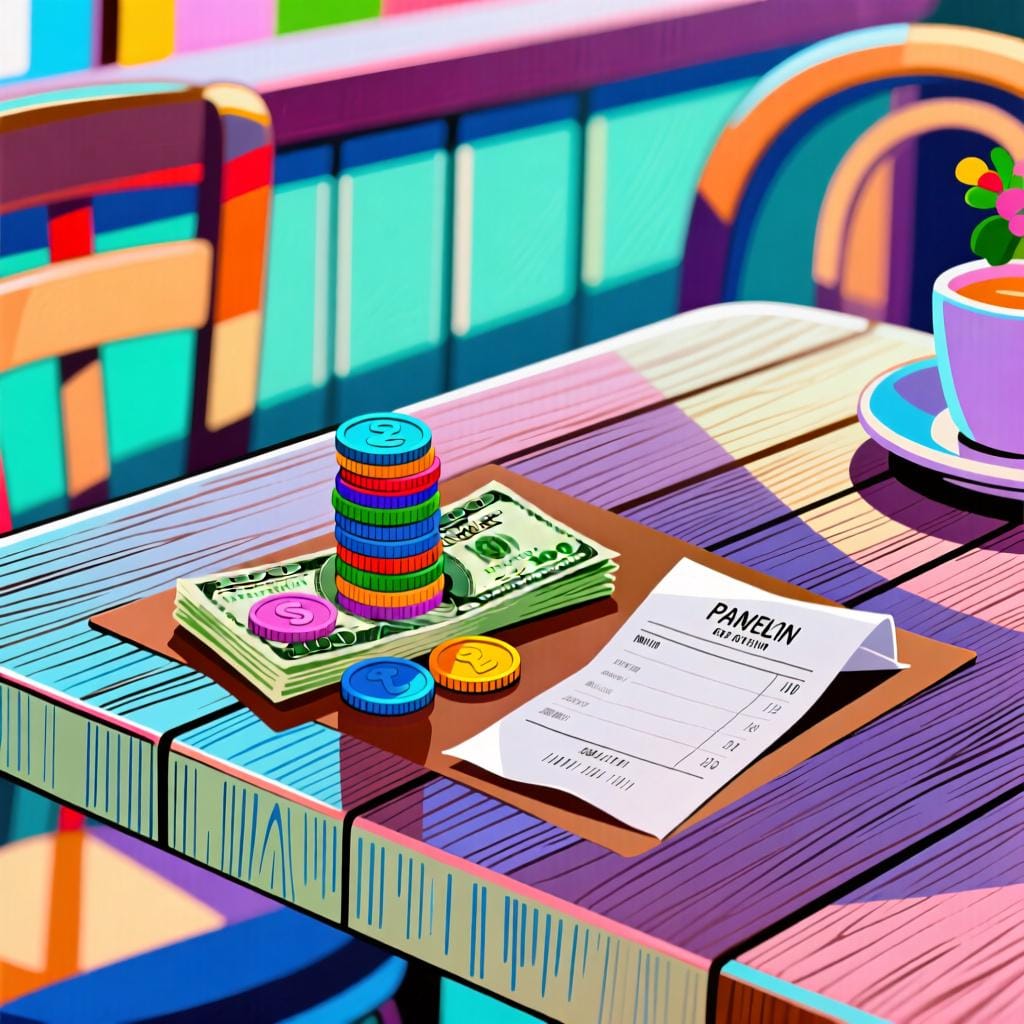
La cuenta, por favor.
The bill, please.
La cuenta de la luz es muy alta este mes.
The electricity bill is very high this month.
Pagamos la cuenta a medias.
We split the bill.
verificación
Examples
Por favor, introduce el código de verificación que enviamos a tu móvil.
Please enter the verification code we sent to your mobile.
controlar
kohn-troh-LAHRkon.tɾoˈlaɾ
Examples
El guardia controló mi billete en la entrada del museo.
The guard checked my ticket at the museum entrance.
Tenemos que controlar los datos semanalmente para ver si hay errores.
We have to monitor the data weekly to see if there are errors.
talón
Examples
Por favor, guarde el talón de su compra.
Please keep your purchase stub.
marcar
mar-KARmaɾˈkaɾ
Examples
El reloj marcó las doce en punto.
The clock indicated exactly twelve o'clock.
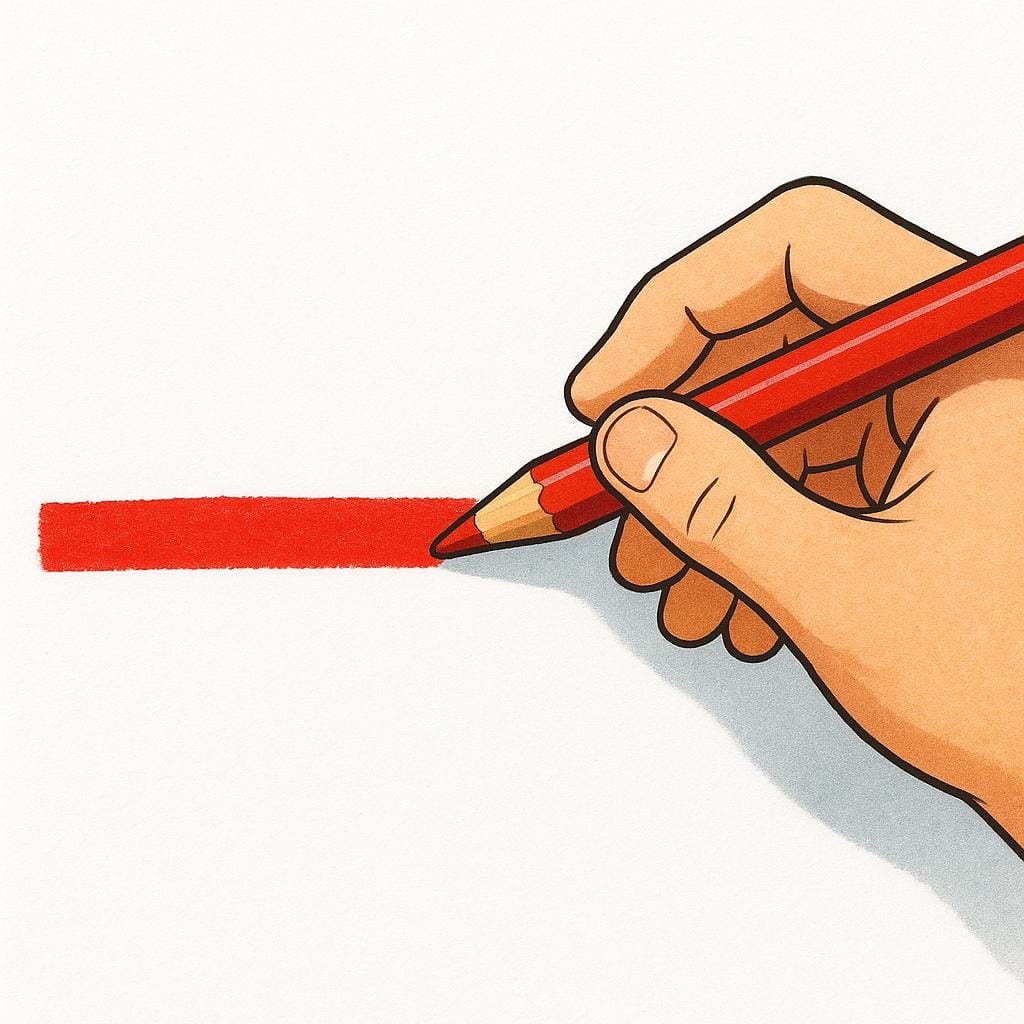
Debes marcar con una 'X' la casilla correcta.
You must mark the correct box with an 'X'.
El mapa marca dónde está el tesoro.
The map indicates where the treasure is.
Reflexive Use for Appearance
The reflexive form 'marcarse' can mean that something is visible or noticeable, often related to clothing or physique: 'Se le marcan los músculos' (His muscles show).
jaque
HAH-kehˈxake
Examples
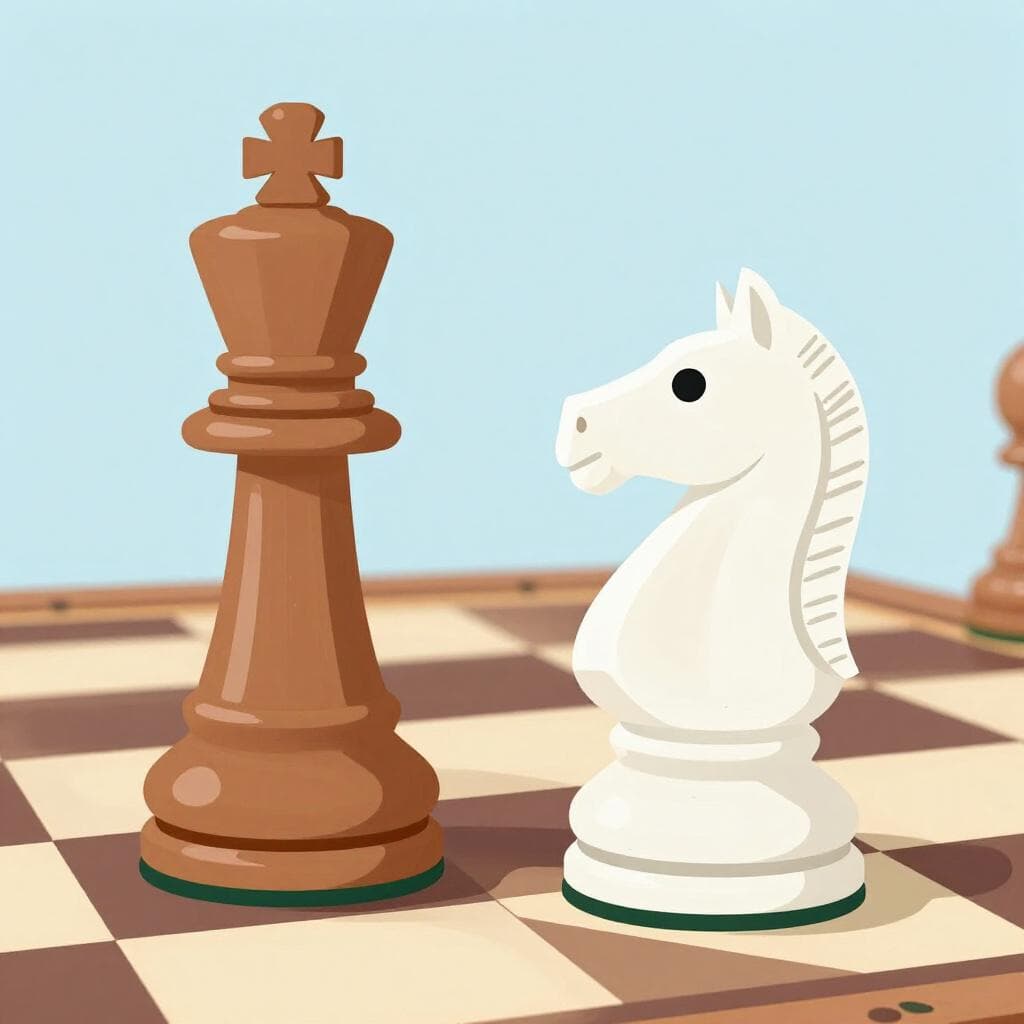
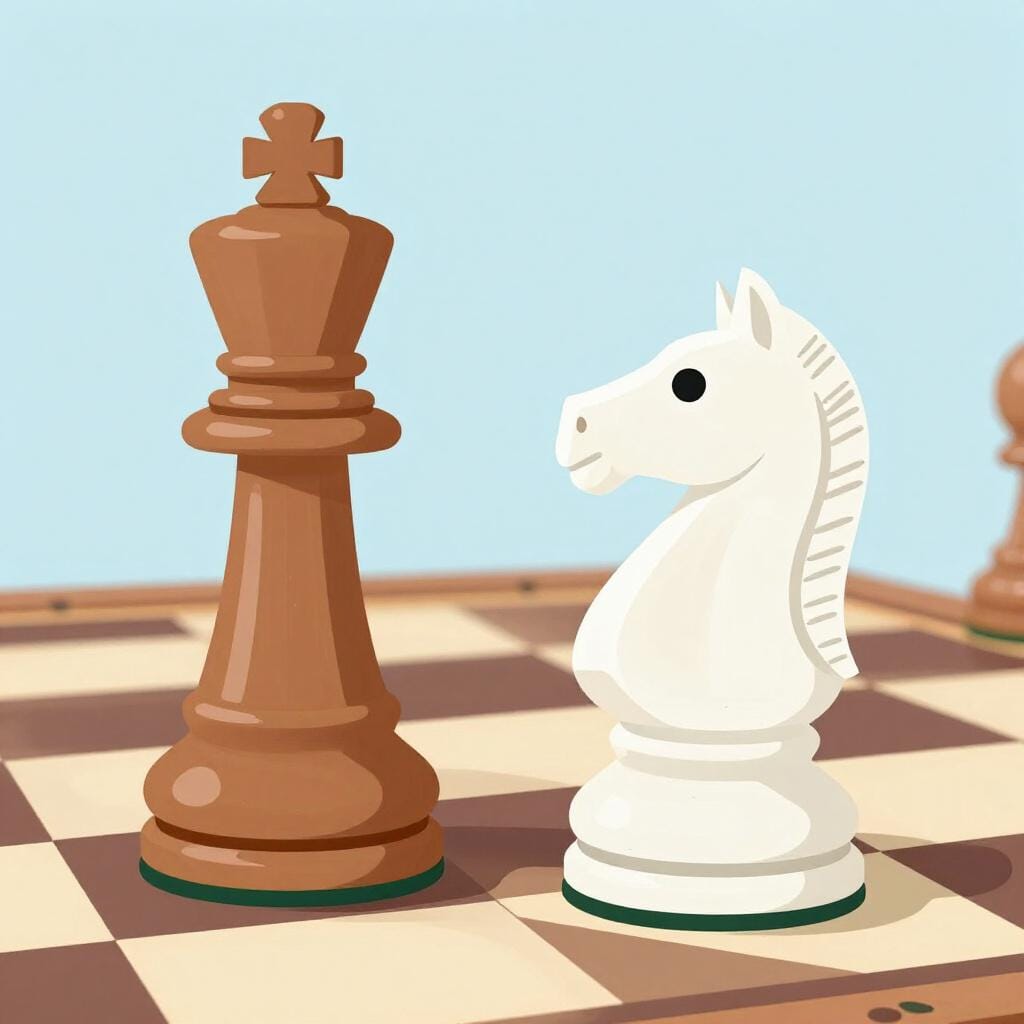
El jugador anunció 'jaque' al mover su torre.
The player announced 'check' when moving his rook.
Tu rey está en jaque, tienes que moverlo.
Your king is in check; you have to move it.
Hice un movimiento brillante para poner a su reina en peligro y darle jaque al mismo tiempo.
I made a brilliant move to put his queen in danger and give check at the same time.
Using 'dar' with Jaque
To say 'to check' in Spanish chess, we use the verb 'dar' (to give). You don't just 'make' a check; you 'give' it.
Check vs. Jaque
Mistake: “Using 'cheque' when playing chess.”
Correction: Say 'jaque'. A 'cheque' is what you use at a bank to pay for things.
detengan
deh-TEHN-gahndeˈten.ɡan
Examples
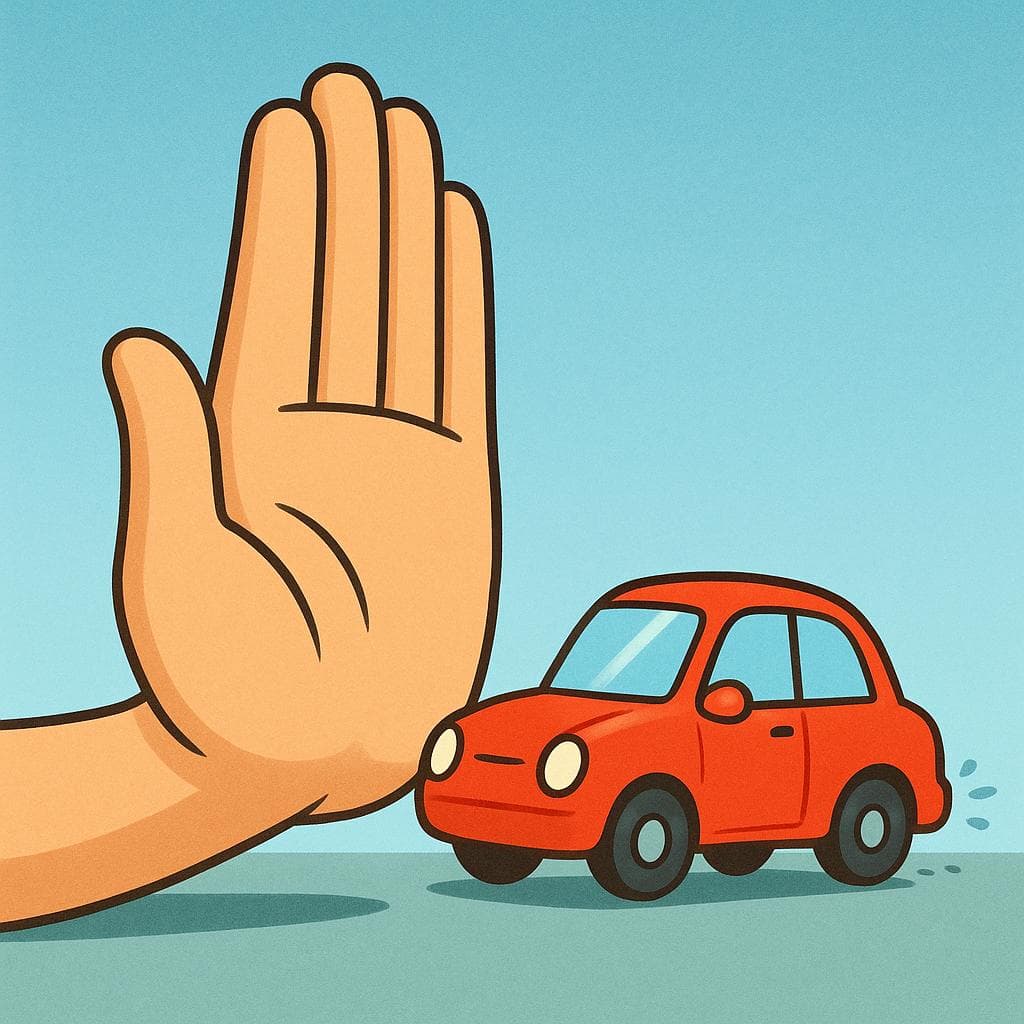
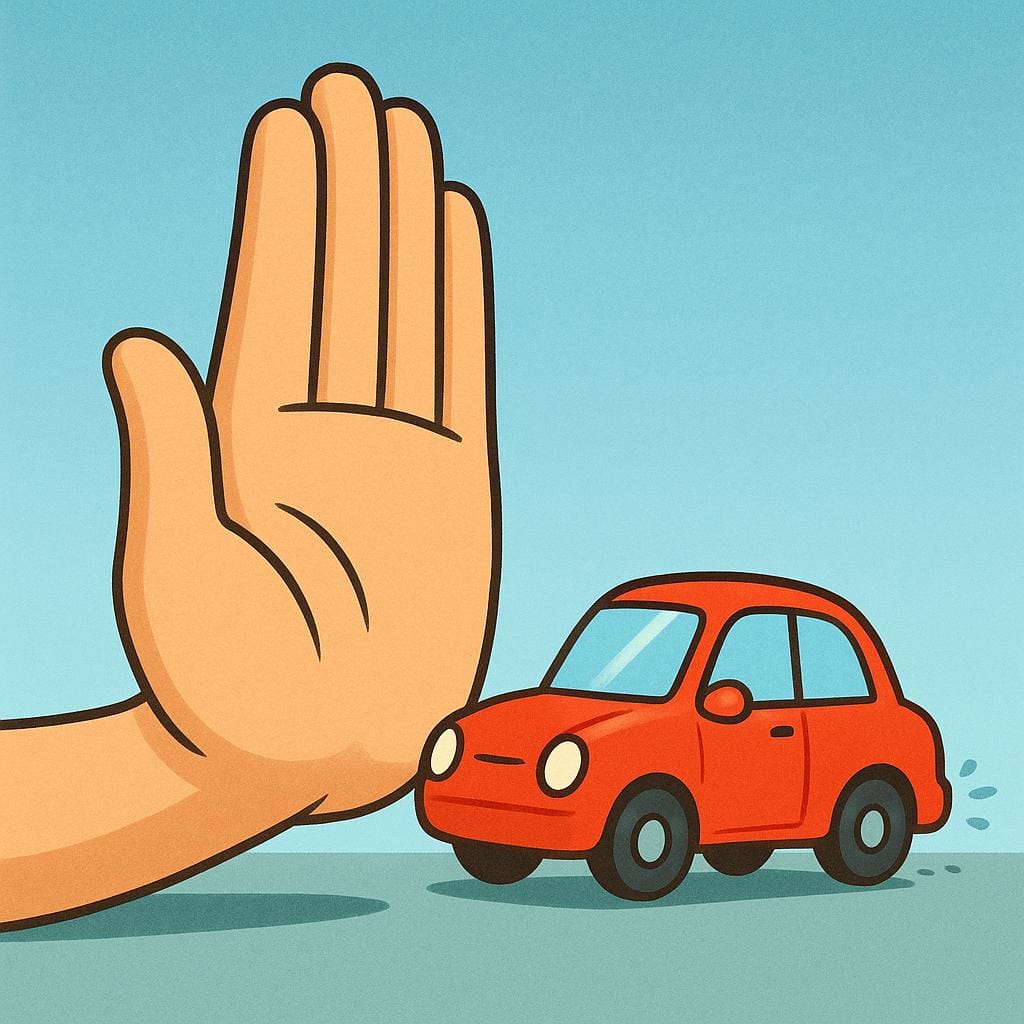
¡Detengan la música! Es demasiado tarde.
Stop the music! It's too late.
Es crucial que detengan el coche antes de la curva.
It is crucial that they stop the car before the curve.
No permitan que estas dificultades los detengan.
Don't let these difficulties hold you (formal plural) back.
Formal Plural Command
"Detengan" is the formal way (using 'ustedes') to tell a group of people to stop doing something. It comes directly from the special verb form used for wishes and commands.
Subjunctive Use
When used as 'they stop,' it appears after phrases expressing desire, necessity, doubt, or emotion, like 'Quiero que...' (I want that...) or 'Es necesario que...' (It is necessary that...).
Confusing Formal Command
Mistake: “Using *detienen* (the indicative form) for a command: ¡Detienen el carro!”
Correction: Use the command form: ¡Detengan el carro! (The verb form changes when you give an order or instruction).
freno
FREH-nohˈfɾeno
Examples
No tiene freno cuando se pone a hablar.
He has no restraint once he starts talking.
La ley sirvió como un freno a la corrupción.
The law served as a check on corruption.
Figurative use
Just like in English, we use the word for stopping a car to describe stopping a behavior.
Verbs vs. Nouns for 'Check'
Related Translations
Learn Spanish with Inklingo
Interactive stories, personalized learning, and more.