freno
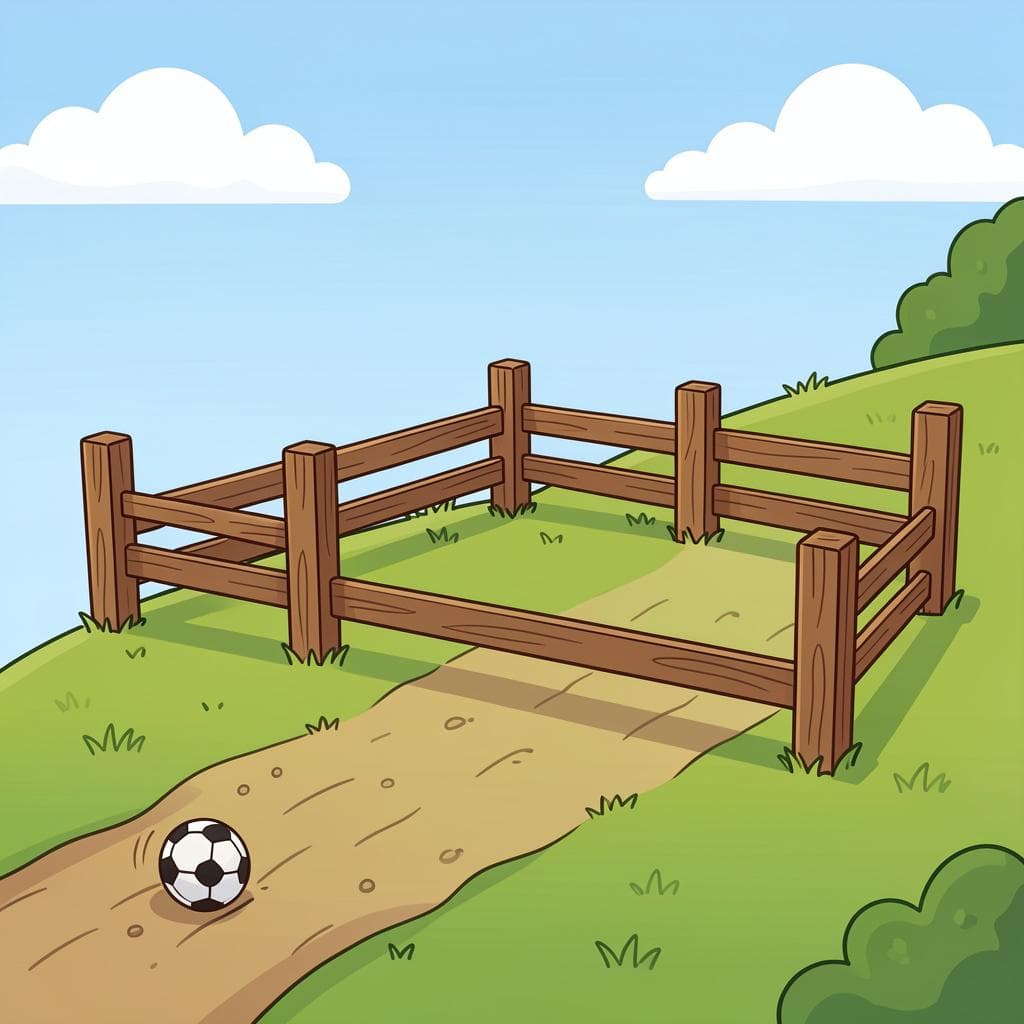
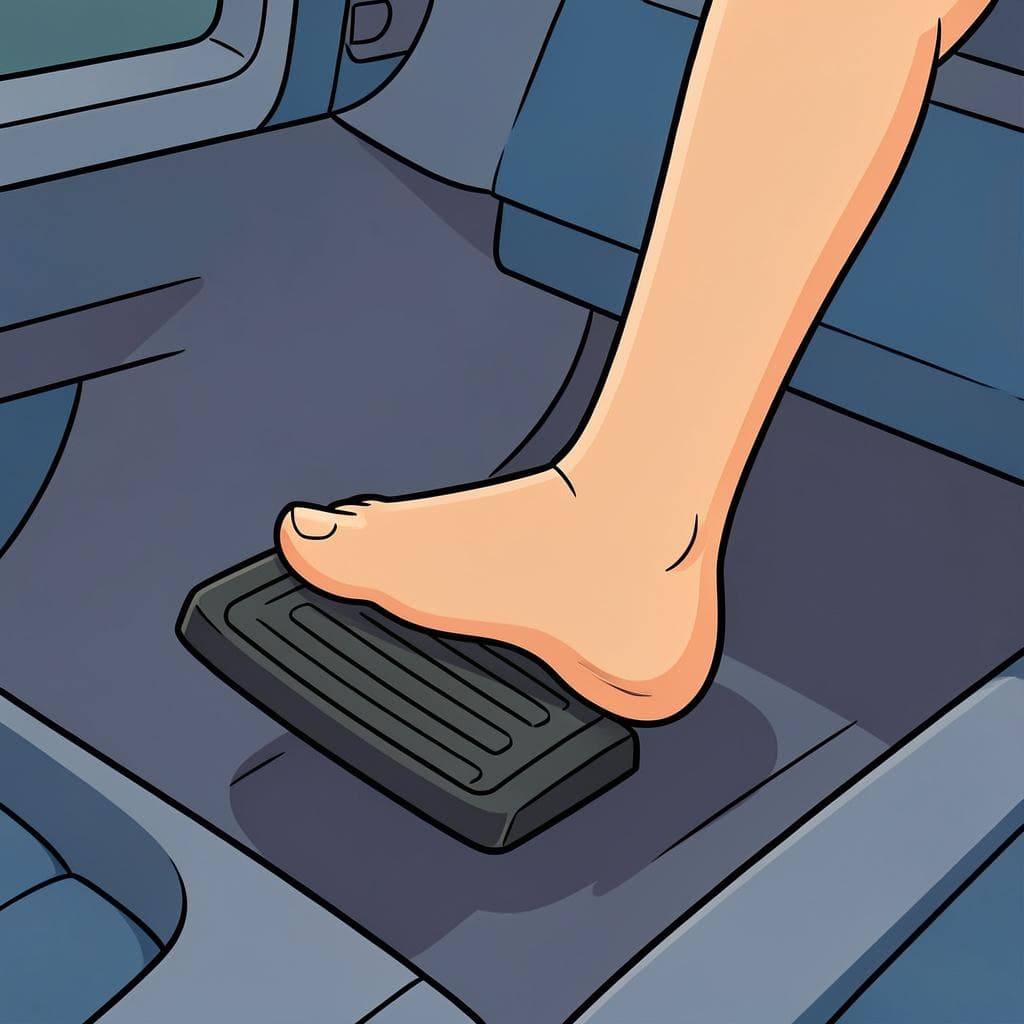
“freno” means “brake” in Spanish. It has 3 different meanings depending on context:
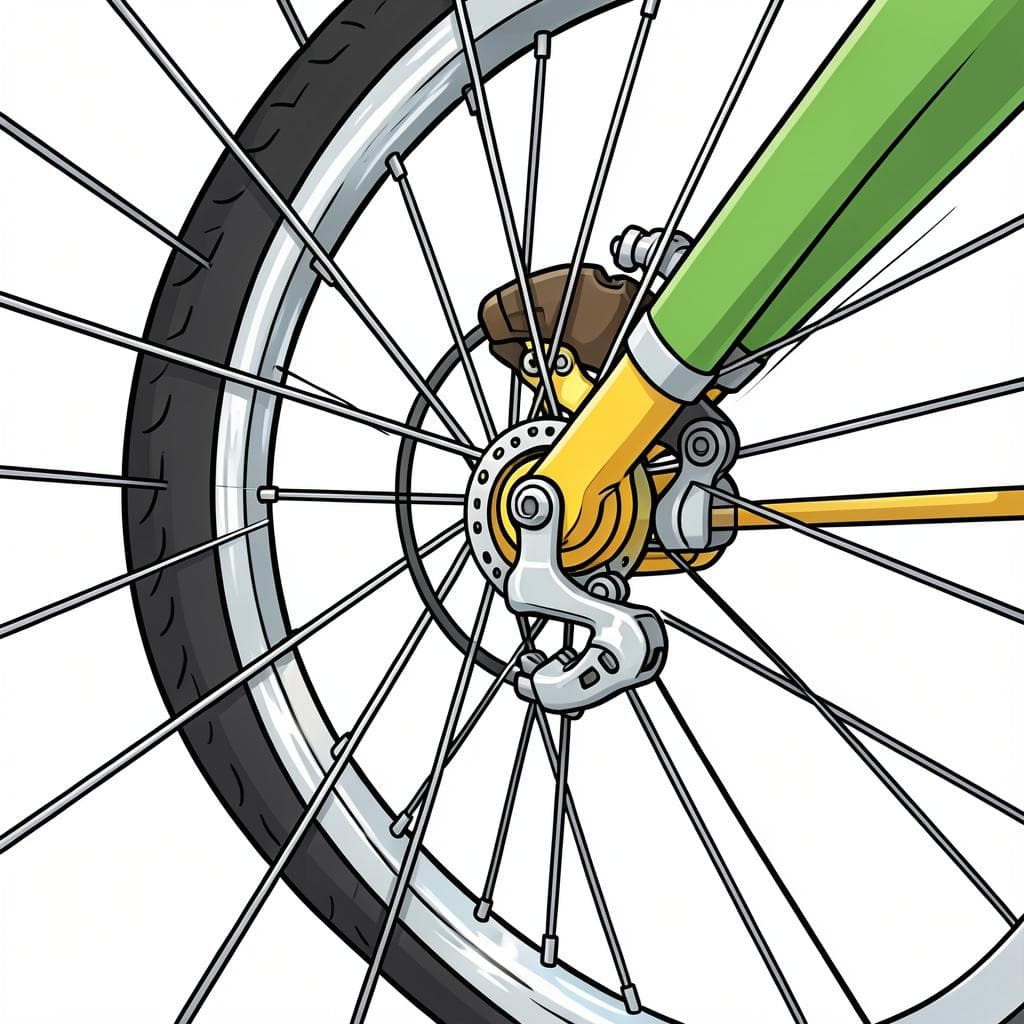
brake
Also: pedal
📝 In Action
Pisé el freno justo a tiempo.
A2I stepped on the brake just in time.
Mi bicicleta tiene los frenos gastados.
A2My bike has worn-out brakes.
restraint, check
Also: curb, bit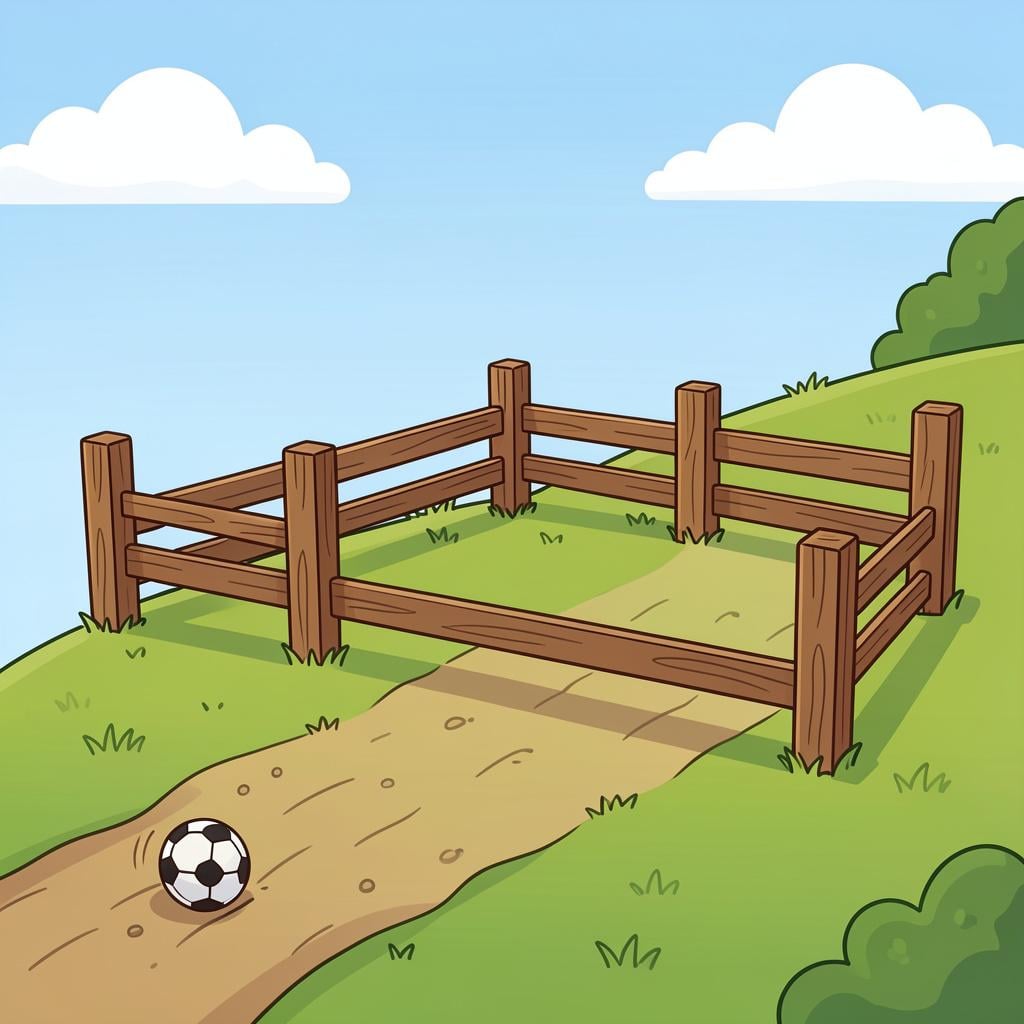
📝 In Action
No tiene freno cuando se pone a hablar.
B2He has no restraint once he starts talking.
La ley sirvió como un freno a la corrupción.
C1The law served as a check on corruption.
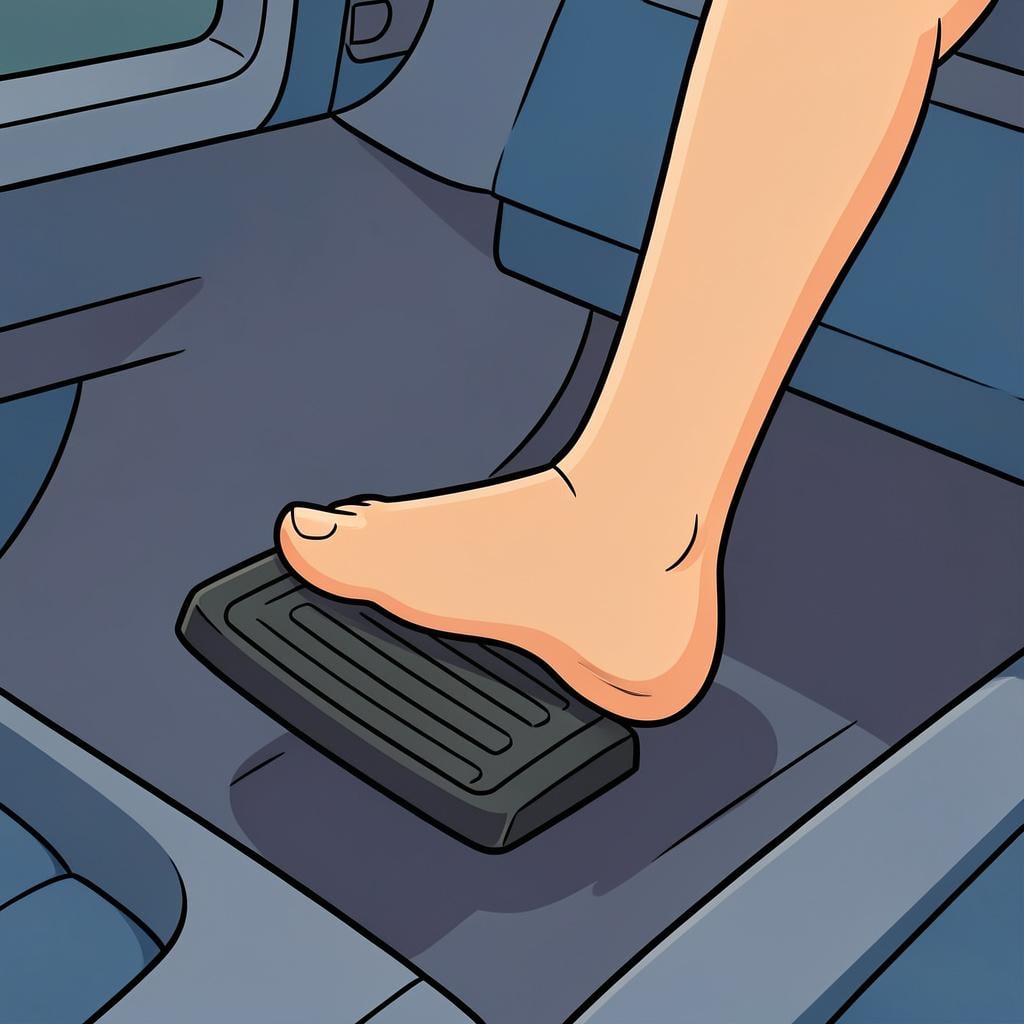
I brake, I slow down
📝 In Action
Yo siempre freno en las esquinas.
A2I always brake at the corners.
Si veo un animal, freno de golpe.
B1If I see an animal, I brake suddenly.
Subjunctive
Imperfect Subjunctive
Present Subjunctive
Indicative
Preterite
Imperfect
Present
Translate to Spanish
✏️ Quick Practice
Quick Quiz: freno
Question 1 of 2
If your car isn't stopping and you need to use the pedal, which one do you press?
📚 More Resources
👥 Word Family▼
📚 Etymology▼
From the Latin word 'frenum,' which referred to a horse's bridle or bit. As technology evolved, the word was applied to mechanical stopping systems in wagons, trains, and eventually cars.
First recorded: 13th century
Cognates (Related words)
💡 Master Spanish
Take your Spanish to the next level. Read 200+ illustrated and narrated Spanish stories tailored to your level with the Inklingo app!
Frequently Asked Questions
Is 'freno' a verb or a noun?
It's both! As a noun, it means 'the brake' (the object). As a verb, it is the 'I' form of 'frenar,' meaning 'I brake' (the action).
How do you say 'handbrake' in Spanish?
You say 'freno de mano,' which literally translates to 'hand brake.'