acelerar
“acelerar” means “to speed up” in Spanish. It has 2 different meanings depending on context:
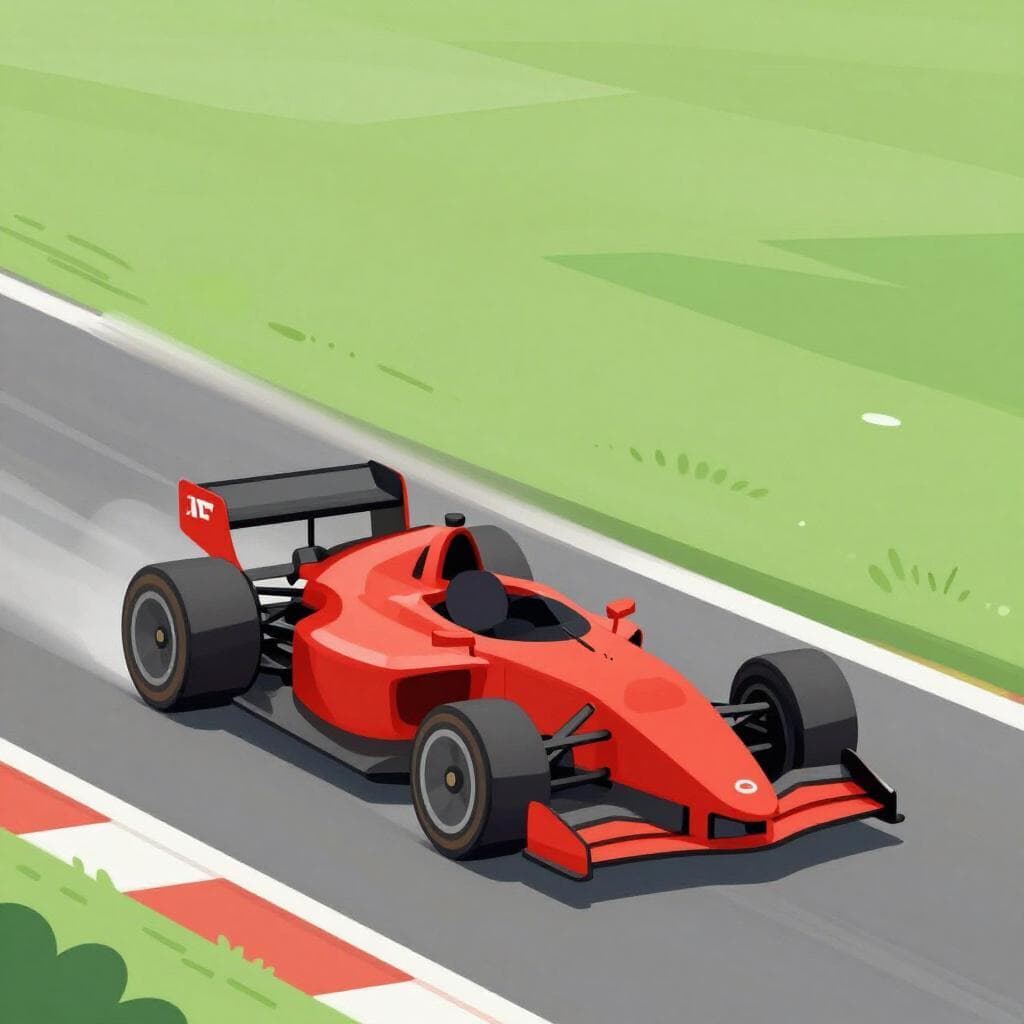

to speed up, to accelerate
Also: to rev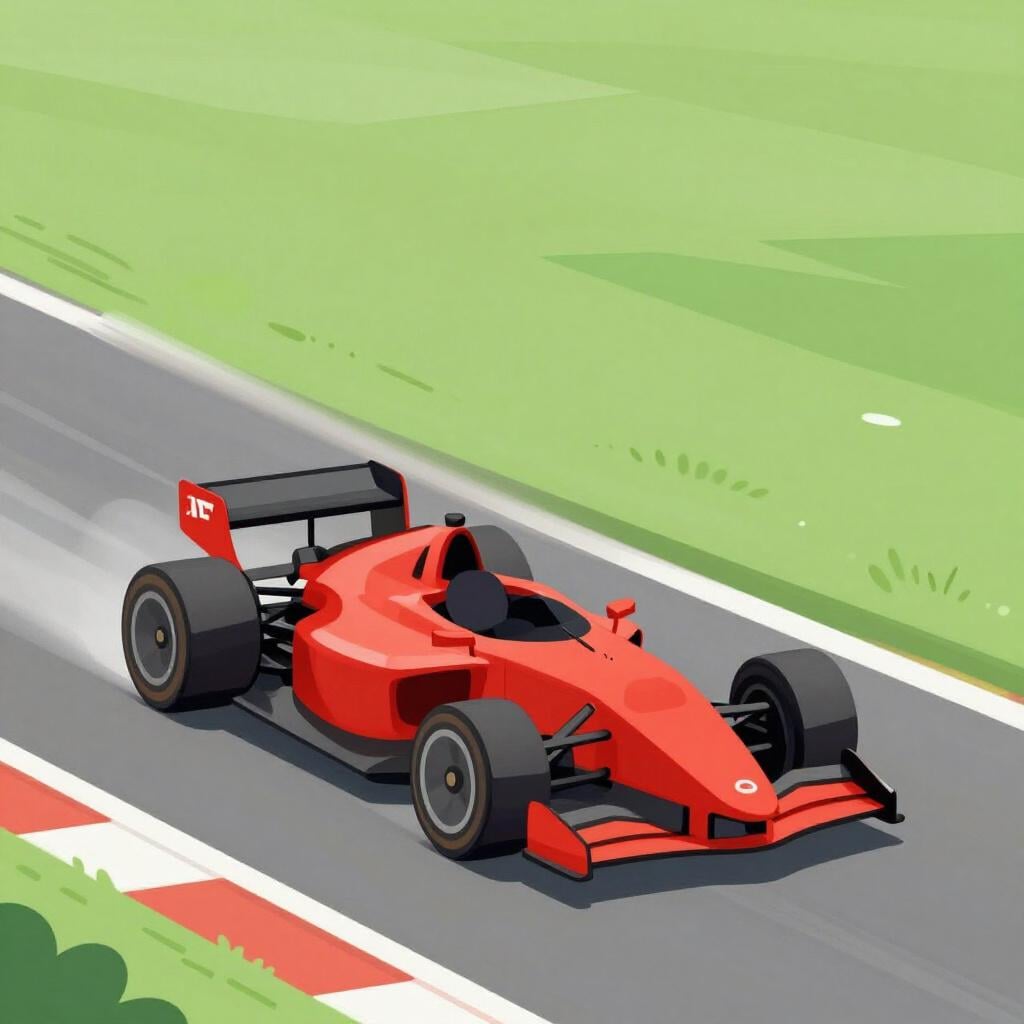
📝 In Action
Tienes que acelerar para adelantar al otro coche.
A2You have to speed up to pass the other car.
La nueva ley va a acelerar el proceso de construcción.
B1The new law is going to speed up the construction process.
Siento que mi corazón se empieza a acelerar.
B1I feel like my heart is starting to race.
to rush (someone)
Also: to get worked up
📝 In Action
No me aceleres, que ya voy lo más rápido que puedo.
B1Don't rush me, I'm already going as fast as I can.
Se aceleró mucho con el café y ahora no puede dormir.
B2He got very hyper from the coffee and now he can't sleep.
No te aceleres, todavía tenemos tiempo de sobra.
B1Don't get ahead of yourself/don't rush, we still have plenty of time.
Subjunctive
Imperfect Subjunctive
Present Subjunctive
Indicative
Preterite
Imperfect
Present
Translate to Spanish
✏️ Quick Practice
Quick Quiz: acelerar
Question 1 of 3
How do you say 'to step on the gas pedal' in Spanish?
📚 More Resources
👥 Word Family▼
📚 Etymology▼
From the Latin word 'accelerare', which combines 'ad-' (toward) and 'celer' (swift/fast).
First recorded: 15th century
Cognates (Related words)
💡 Master Spanish
Take your Spanish to the next level. Read 200+ illustrated and narrated Spanish stories tailored to your level with the Inklingo app!
Frequently Asked Questions
Is 'acelerar' used for people or just cars?
It's used for both! You can accelerate a car, a process, or even a person's heart rate or anxiety level.
What is the difference between 'acelerar' and 'darse prisa'?
'Acelerar' usually means to increase speed or make something happen faster. 'Darse prisa' specifically means 'to hurry up' as in 'to not be late'.
Is this a stem-changing verb?
No, it is a completely regular -ar verb. It keeps the 'e' in the middle throughout all its changes.