retrasar
“retrasar” means “to delay” in Spanish. It has 2 different meanings depending on context:
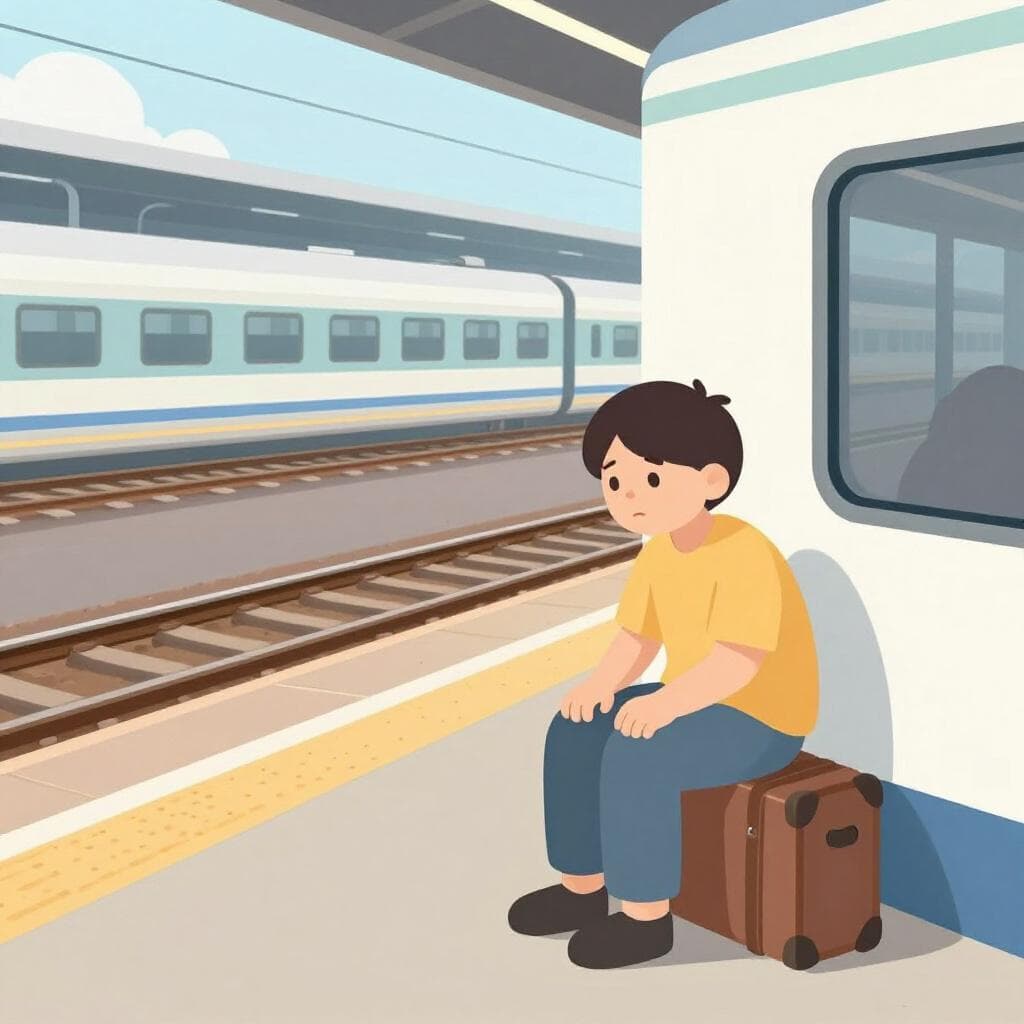

to delay, to postpone
Also: to hold up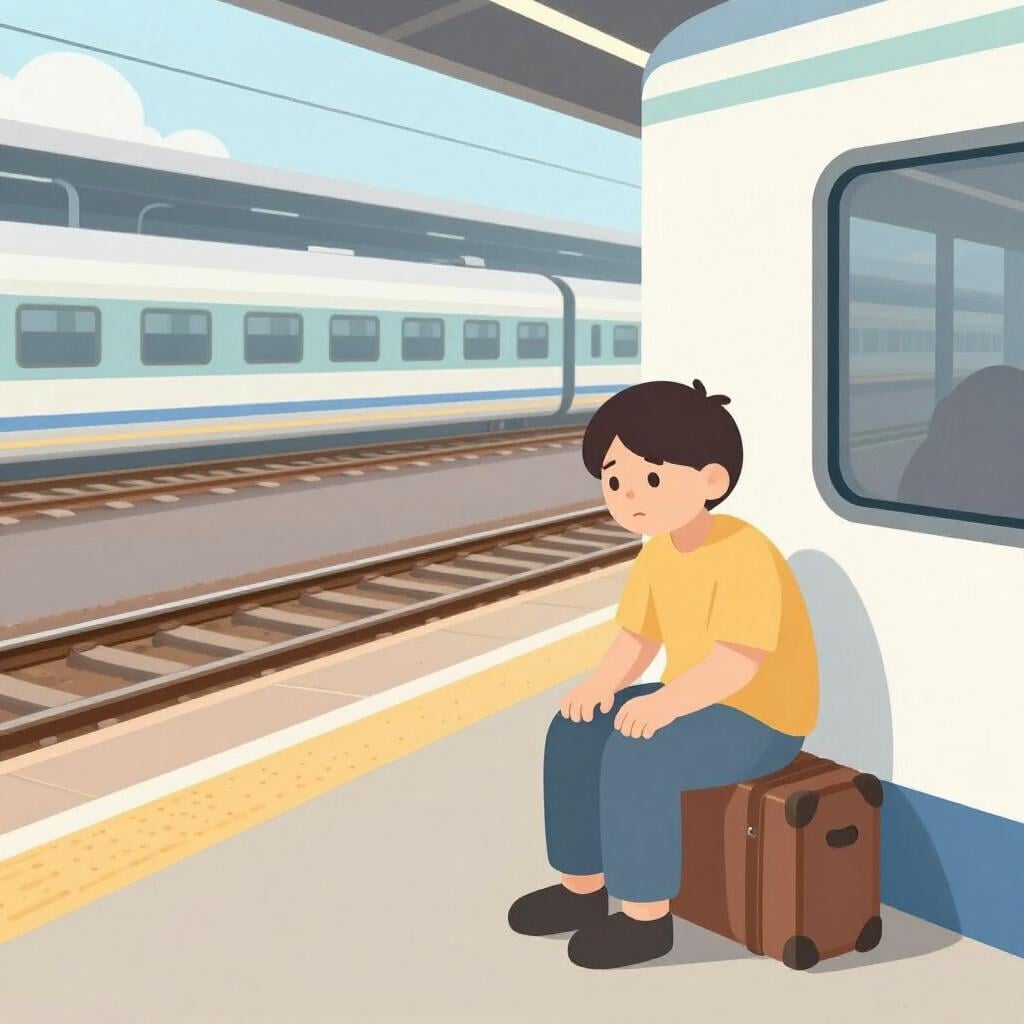
📝 In Action
La lluvia va a retrasar el comienzo del partido.
A2The rain is going to delay the start of the match.
Decidieron retrasar la reunión hasta el lunes.
B1They decided to postpone the meeting until Monday.
No quiero retrasar tu trabajo con mis preguntas.
B2I don't want to slow down your work with my questions.
to set back

📝 In Action
No olvides retrasar el reloj esta noche.
B1Don't forget to set the clock back tonight.
Subjunctive
Imperfect Subjunctive
Present Subjunctive
Indicative
Preterite
Imperfect
Present
Translate to Spanish
✏️ Quick Practice
Quick Quiz: retrasar
Question 1 of 3
Which sentence means 'We had to postpone the meeting'?
📚 More Resources
📚 Etymology▼
From the prefix 're-' (again/back) and the word 'atrás' (back/behind). It literally means 'to pull or move something toward the back' in a timeline.
First recorded: 15th century
Cognates (Related words)
💡 Master Spanish
Take your Spanish to the next level. Read 200+ illustrated and narrated Spanish stories tailored to your level with the Inklingo app!
Frequently Asked Questions
What is the difference between 'retrasar' and 'atrasar'?
In most everyday contexts, they are interchangeable. However, 'retrasar' is often used for scheduled events (vuelos, reuniones), while 'atrasar' is very common for clocks.
Is 'retrasar' a regular verb?
Yes! It follows the standard pattern for all -ar verbs in all tenses.
How do I say 'I am late' using this word?
You would use the reflexive form 'retrasarse' or the noun 'retraso'. For example: 'Llego con retraso' or 'Me he retrasado'.