adelantar
“adelantar” means “to overtake” in Spanish. It has 3 different meanings depending on context:
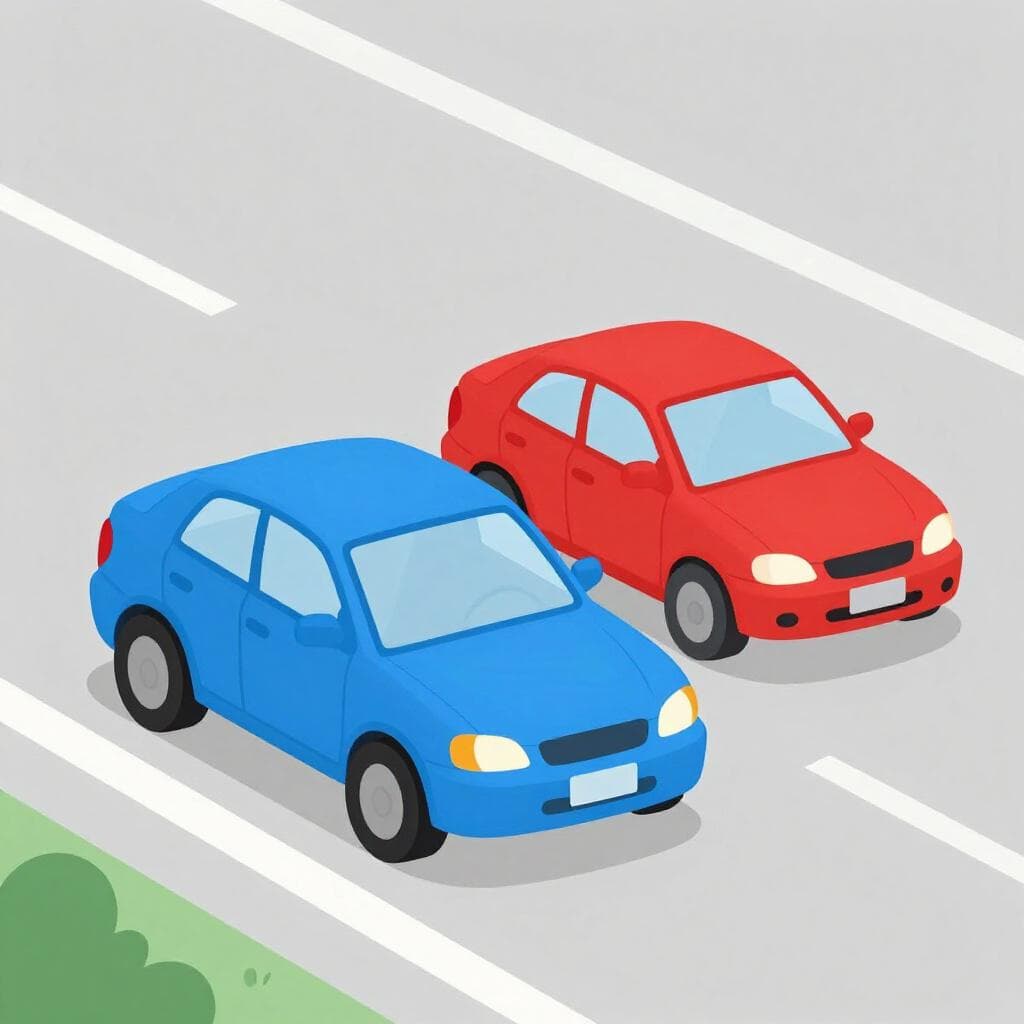


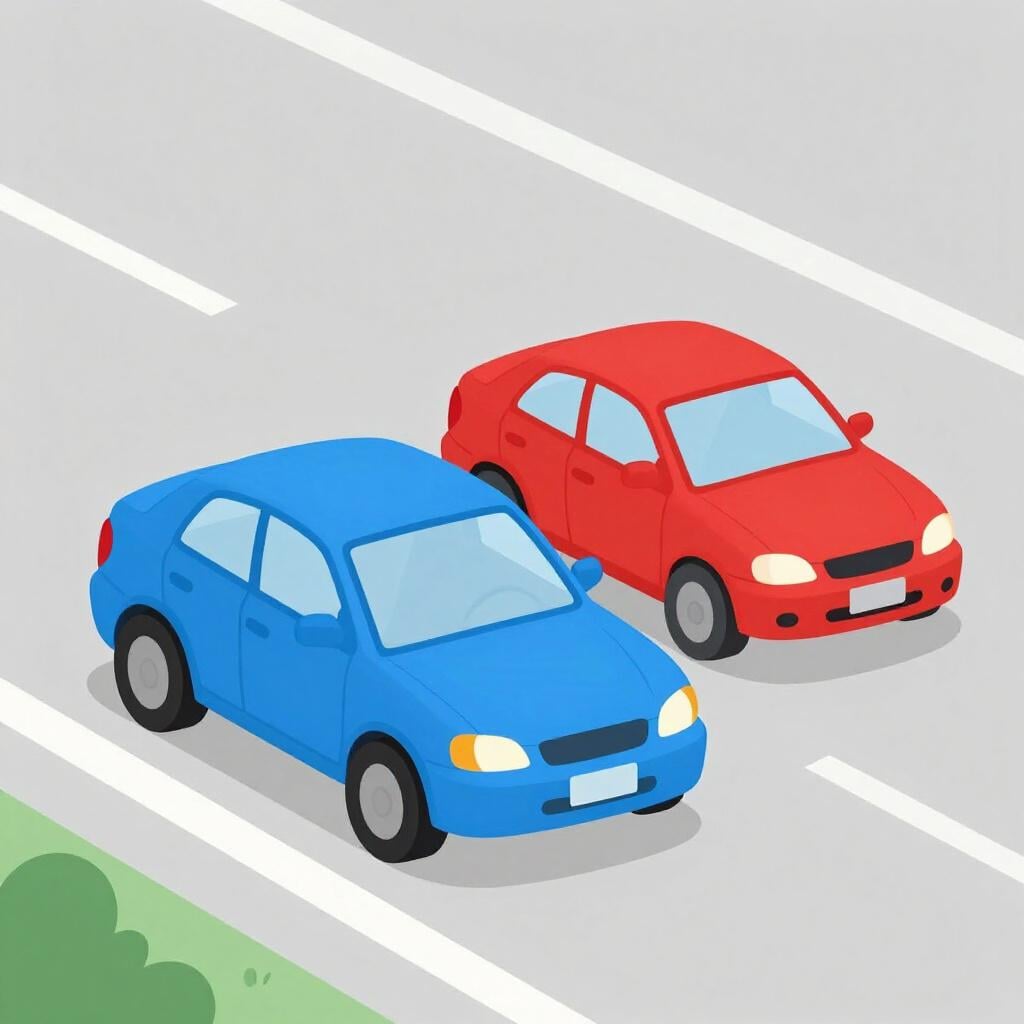
to overtake, to passAlso: to lead
📝 In Action
No puedes adelantar en esta curva, es muy peligroso.
A2You cannot overtake on this curve; it is very dangerous.
El corredor keniano adelantó a todos en la última vuelta.
B1The Kenyan runner passed everyone on the last lap.
Mi coche es lento y todos me adelantan en la autopista.
A2My car is slow and everyone overtakes me on the highway.
Word Connections
to bring forward, to move forwardAlso: to advance

📝 In Action
Han adelantado la reunión al lunes.
B1They have brought the meeting forward to Monday.
En primavera, tenemos que adelantar el reloj una hora.
A2In spring, we have to move the clock forward one hour.
Hoy he adelantado mucho trabajo de la oficina.
B1I got a lot of office work done (advanced it) today.
Word Connections
to pay in advance, to advance

📝 In Action
Mi jefe me adelantó el sueldo este mes.
B2My boss gave me my salary in advance this month.
¿Me puedes adelantar veinte euros? Te los devuelvo mañana.
B1Can you advance me twenty euros? I'll give them back tomorrow.
Tuvimos que adelantar una señal para reservar el piso.
C1We had to pay a deposit (advance a sign) to reserve the apartment.
Word Connections
Subjunctive
Imperfect Subjunctive
Present Subjunctive
Indicative
Preterite
Imperfect
Present
Translate to Spanish
Words that translate to "adelantar" in Spanish:
✏️ Quick Practice
Quick Quiz: adelantar
Question 1 of 3
If a meeting was scheduled for Friday but is now on Wednesday, what happened?
📚 More Resources
👥 Word Family
📚 Etymology
From the Spanish word 'adelante' (forward), which was formed by combining the Latin 'ab' (from), 'de' (of), and 'ante' (before).
First recorded: 13th century
Cognates (Related words)
💡 Master Spanish
Take your Spanish to the next level. Read 200+ illustrated and narrated Spanish stories tailored to your level with the Inklingo app!
Frequently Asked Questions
Is 'adelantar' only for cars?
No, you can adelantar people while walking, runners in a race, or even your classmates in a project by working faster.
What is the difference between 'adelantar' and 'pasar'?
'Pasar' is very general (to pass). 'Adelantar' specifically implies moving from behind to in front of someone or something.
Can it mean 'to improve'?
Not directly, but it can mean to make progress (adelantar camino or adelantar trabajo).