rebasar
“rebasar” means “to overtake” in Spanish. It has 2 different meanings depending on context:
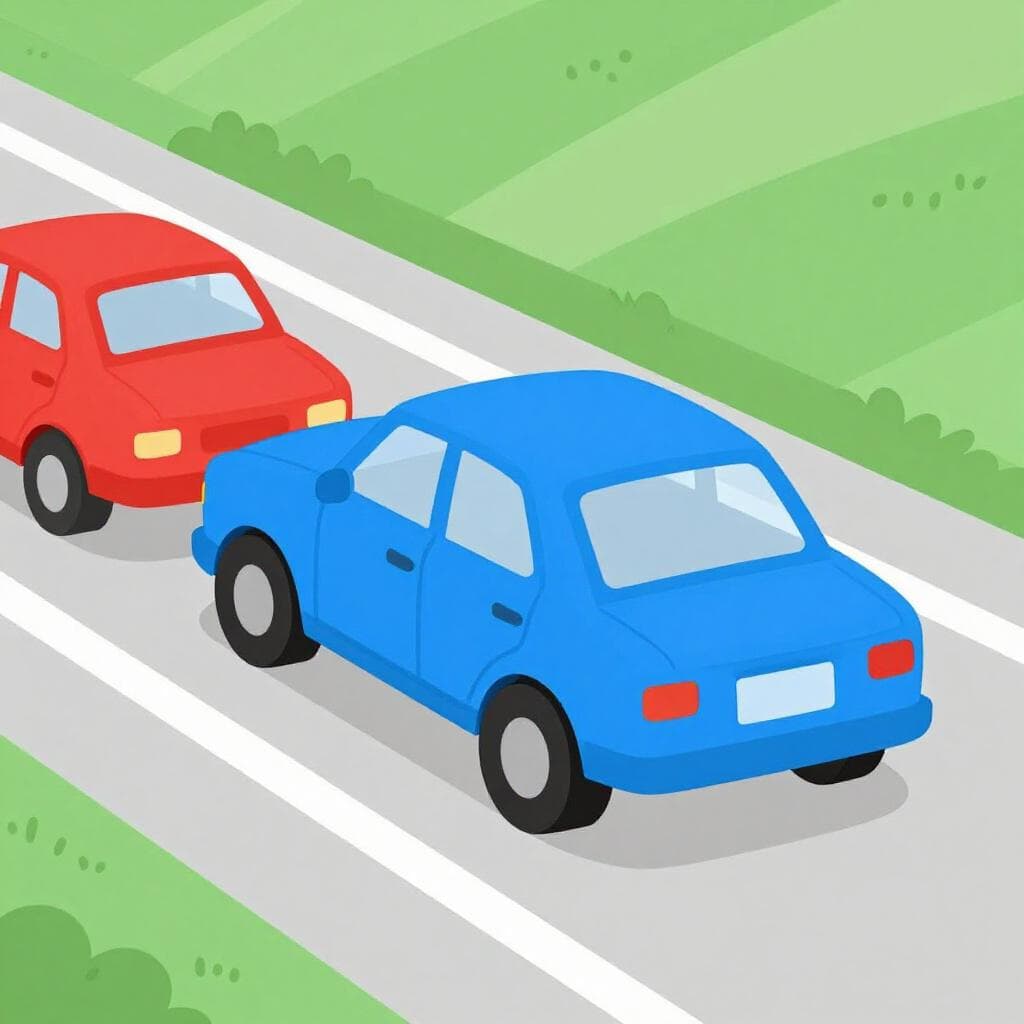

to overtake
Also: to pass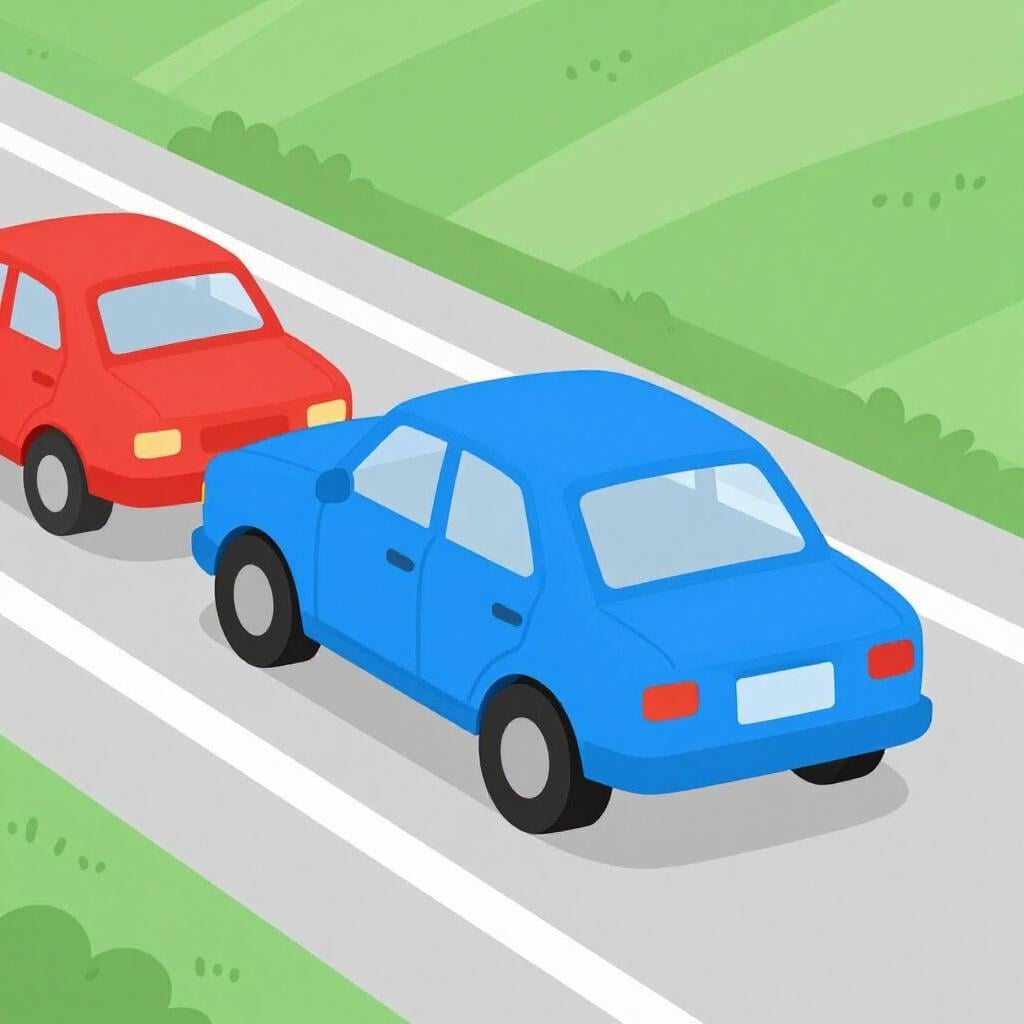
📝 In Action
El coche azul rebasó al camión en la autopista.
A2The blue car overtook the truck on the highway.
Es peligroso rebasar a otros ciclistas sin avisar.
B1It is dangerous to pass other cyclists without warning.
El corredor rebasó a su rival justo antes de llegar a la meta.
B2The runner overtook his rival just before reaching the finish line.
to exceed
Also: to surpass
📝 In Action
El precio del alquiler no debe rebasar los 800 euros.
B1The rent price must not exceed 800 euros.
Su talento rebasa todo lo que hemos visto antes.
B2His talent surpasses everything we have seen before.
La demanda de entradas rebasó la oferta disponible.
C1The demand for tickets exceeded the available supply.
Subjunctive
Imperfect Subjunctive
Present Subjunctive
Indicative
Preterite
Imperfect
Present
Translate to Spanish
✏️ Quick Practice
Quick Quiz: rebasar
Question 1 of 3
If a car 'rebasa' another car, what did it do?
📚 More Resources
👥 Word Family▼
📚 Etymology▼
From the Spanish prefix 're-' (meaning again or intensive) and the word 'base' (bottom/limit). It literally describes moving beyond the base or boundary of something.
First recorded: 17th century
Cognates (Related words)
💡 Master Spanish
Take your Spanish to the next level. Read 200+ illustrated and narrated Spanish stories tailored to your level with the Inklingo app!
Frequently Asked Questions
Can I use 'rebasar' for people?
Yes! You can use it when you physically walk past someone or when someone's achievements go beyond what others have done.
Is 'rebasar' regular or irregular?
It is completely regular! It follows the standard pattern for all verbs ending in -ar.
Does it mean the same as 'sobrepasar'?
They are very close synonyms. 'Sobrepasar' is often used for abstract things (like surpassing a goal), while 'rebasar' is very common for both physical passing and numerical limits.