retraso
“retraso” means “delay” in Spanish. It has 2 different meanings depending on context:
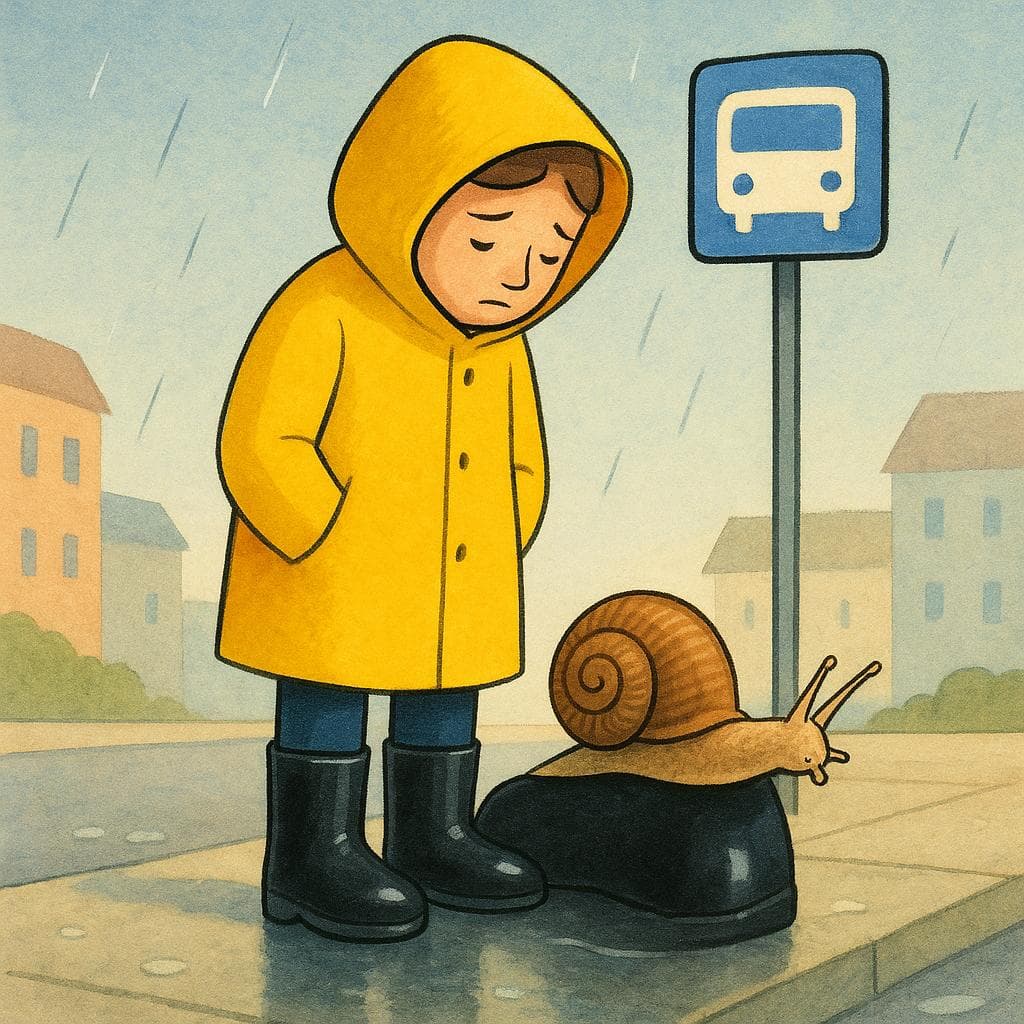

delayAlso: hold-up, lateness

📝 In Action
El vuelo a Madrid sufrió un retraso de dos horas.
A2The flight to Madrid suffered a two-hour delay.
Lamento el retraso, el tráfico estaba terrible en la carretera.
A1I apologize for the delay, the traffic was terrible on the highway.
Si hay un retraso en el pago de la factura, le cobrarán intereses.
B1If there is a delay in the payment of the bill, they will charge you interest.
Word Connections
developmental delayAlso: lag

📝 In Action
El informe médico indica un ligero retraso en la adquisición del lenguaje.
B2The medical report indicates a slight delay in language acquisition.
La región sufre un retraso tecnológico considerable respecto a la capital.
C1The region suffers a considerable technological lag compared to the capital.
Word Connections
Translate to Spanish
Words that translate to "retraso" in Spanish:
✏️ Quick Practice
Quick Quiz: retraso
Question 1 of 2
Choose the best translation for: 'El banco anunció un retraso en la apertura de la sucursal.'
📚 More Resources
📚 Etymology
Formed from the verb 'retrasar' (to delay), which combines the prefix 're-' (meaning 'back' or 'again') with 'trasar' (related to 'trazar', to mark or trace a line). Therefore, 'retraso' means the result of being moved back behind the established line or schedule.
First recorded: 15th century
Cognates (Related words)
💡 Master Spanish
Take your Spanish to the next level. Read 200+ illustrated and narrated Spanish stories tailored to your level with the Inklingo app!
Frequently Asked Questions
¿Es 'retraso' lo mismo que 'demora'?
Sí, son sinónimos y a menudo se usan indistintamente. Sin embargo, 'retraso' es quizás más común en anuncios oficiales de transporte (como aviones o trenes), mientras que 'demora' se puede sentir un poco más formal o administrativo.
How do I use 'retraso' to say I am late?
You can say 'Llegué con retraso' (I arrived with delay/late). Alternatively, you can use the verb 'retrasarse': 'Me retrasé' (I delayed myself/I was late).